Butyl iodide
Completing data — refresh the page later to see the latest

Basic information
- CAS
25267-27-0- Standard SMILES
CCCCI- InChIKey
KMGBZBJJOKUPIA-UHFFFAOYSA-N- Molecular formula
- C4H9I
- Average molar mass
- 184.02 g/mol
- Monoisotopic mass
- 183.97489829
Overview
butyl iodide has been reported in Ascophyllum nodosum, Mastocarpus stellatus, and other organisms with data available.
Names & identifiers
- Preferred name
- Butyl iodide
- IUPAC
- 1-iodobutane
- English name
- 1-Iodobutane
- Molecular formula
- C4H9I
- Molecular weight
- 184.02
Names & synonyms
1-IodobutaneButyl iodide542-69-8N-BUTYL IODIDEButane, 1-iodo-607A6CC46RNSC-8420DTXSID70862157RefChem:829368DTXCID20810961208-824-41-iodo-butane
Show more names
Iodobutane1-LODOBUTANEn-C4H9I1-iodo-butan1-Butyljodidn-Butyliodidn-Iodobutane
Butane, iodo-1-JodbutanMFCD0000109825267-27-01-Jodbutan [Czech]1-BUTYLIODIDENSC 8420EINECS 208-824-4
Database identifiers
- CAS
25267-27-0、542-69-8- PubChem CID
- 10962
- DTXSID
DTXSID70862157- UNII
- 607A6CC46R
- EC Number
- 208-824-4
- Nikkaji
- J2.644A
Properties
Computed structural propertiesFilling in
- XLogP
- 3.1
- Topological polar surface area
- 0 Ų
- Hydrogen bond donors
- 0
- Hydrogen bond acceptors
- 0
- Rotatable bonds
- 2
- Heavy atoms
- 5
- Formal charge
- 0
- Complexity
- 13.1
Experimental & physicochemical properties
Chemical ClassesOther Classes -> Halogenated Aliphatics, Saturated
SpringerMaterials PropertiesSchoenflies notation
LogP3.08
Vapor Pressure13.9 [mmHg]
Physical DescriptionLiquid; [Merck Index] Colorless liquid; [Alfa Aesar MSDS]
Physicochemical properties
- Melting point
- 103 °C · −103 °C(lit.)
- Boiling point
- 130 · 130-131 °C(lit.)
- Density
- 1.617 g/mL · 1.617 g/mL at 25 °C(lit.)
- vapor density
- 5 · ~5 (vs air)
- vapor pressure
- 18.5 hPa · 18.5 hPa (25 °C)
- refractive index
- 20 · n20/D 1.498(lit.)
- Flash point
Safety & regulation
Safety information is for reference only and does not replace the supplier’s Safety Data Sheet (SDS), applicable regulations, or professional assessment.
GHS classification
GHS Classification
Danger
H226 (100%): Flammable liquid and vapor [Warning Flammable liquids]
P210, P233, P240, P241, P242, P243, P261, P264, P264+P265, P271, P280, P302+P352, P303+P361+P353, P304+P340, P305+P351+P338, P316, P321, P332+P317, P337+P317, P362+P364, P370+P378, P403+P233, P403+P235, P405, and P501 (click each P-code to see the statement)
Aggregated GHS information provided per 54 reports by companies from 9 notifications to the ECHA C&L Inventory. Each notification may be associated with multiple companies.
Hazard information
Regulatory Information
Chemical: Butane, 1-iodo-
1-Iodobutane: Does not have an individual approval but may be used under an appropriate group standard
Hazards SummaryAn irritant; Harmful by inhalation; [Alfa Aesar MSDS] See 1-Bromobutane and n-Butyl chloride.
Hazard Classes and CategoriesFlam. Liq. 3 (100%)
Toxicology
Adverse EffectsNeurotoxin - Acute solvent syndrome
Toxicity DataLC50 (rat) = 6,100 mg/m3/4hr
Safety data
- F
- 8
- PPE
- Eyeshields, Faceshields, Gloves, type ABEK (EN14387) respirator filter
- wgk
- 3
- tsca
Chemistry & industry
Pharmacology
Metabolism/Metabolites1-iodobutane has known human metabolites that include butyl-glutathione.
Uses & manufacturing
General Manufacturing InformationButane, 1-iodo-: ACTIVE
Applications
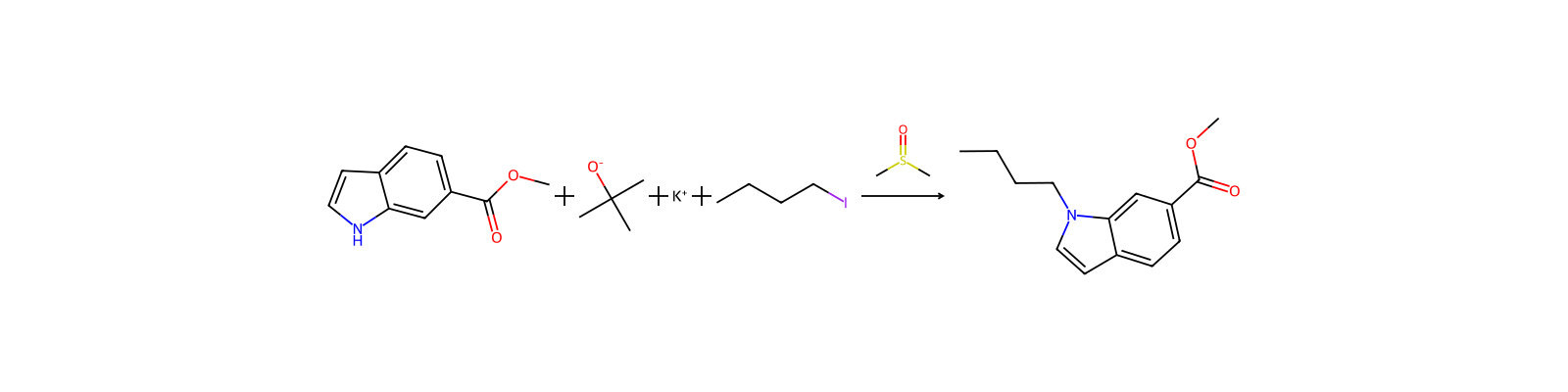
Uses1-Iodobutane was used in the synthesis of S-alkylated 5-(2-,3- and 4-methoxyphenyl)-4H-1,2,4-triazole-3-thiol and 5-(2-,3- and 4-methoxyphenyl)-4-phenyl-4H-1,2,4-triazole-3-thiol. It is also used in wide range of medicals industrial applications as well as in human and animal nutrition products, pharmaceutical intermediates, polarizing films for Liquid Crystal Display (LCD) chemicals.
General DescriptionThermal chemistry of 1-iodobutane has been investigated on clean and hydrogen- and deuterium-predosed Pt(111) single-crystal surfaces by temperature-programmed desorption and reflection-absorption infrared spectroscopy.
Preparation methods
Preparation1-Iodobutane is obtained by reacting n-butanol with iodine in the presence of phosphorus.
Upstream & downstream products
Upstream raw materials
Related reactions
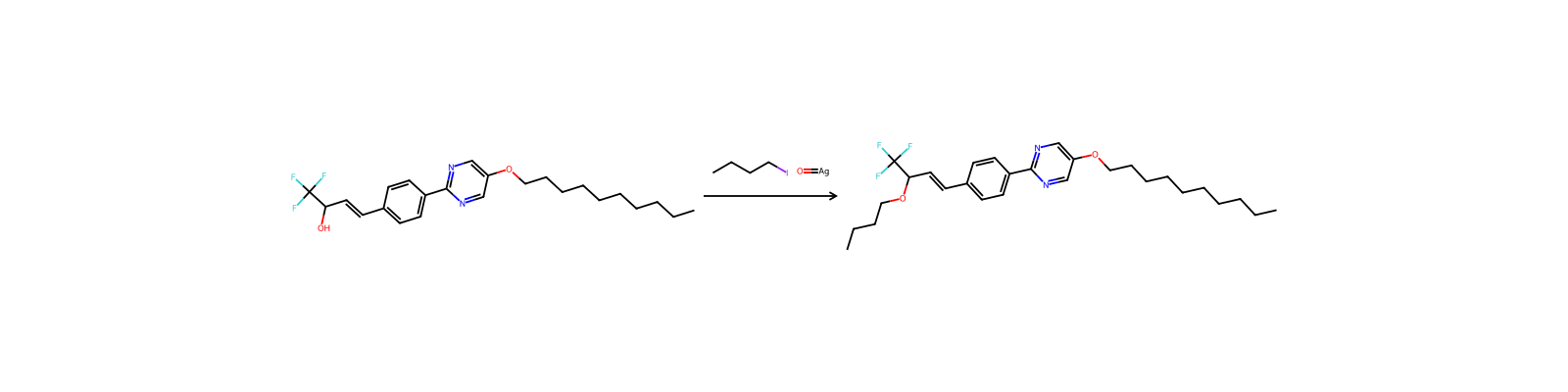
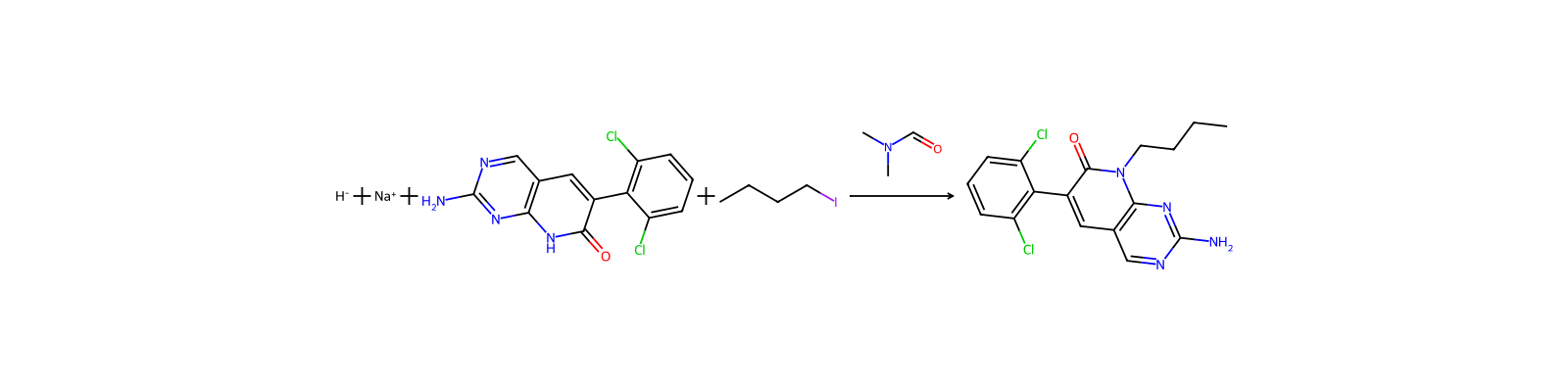
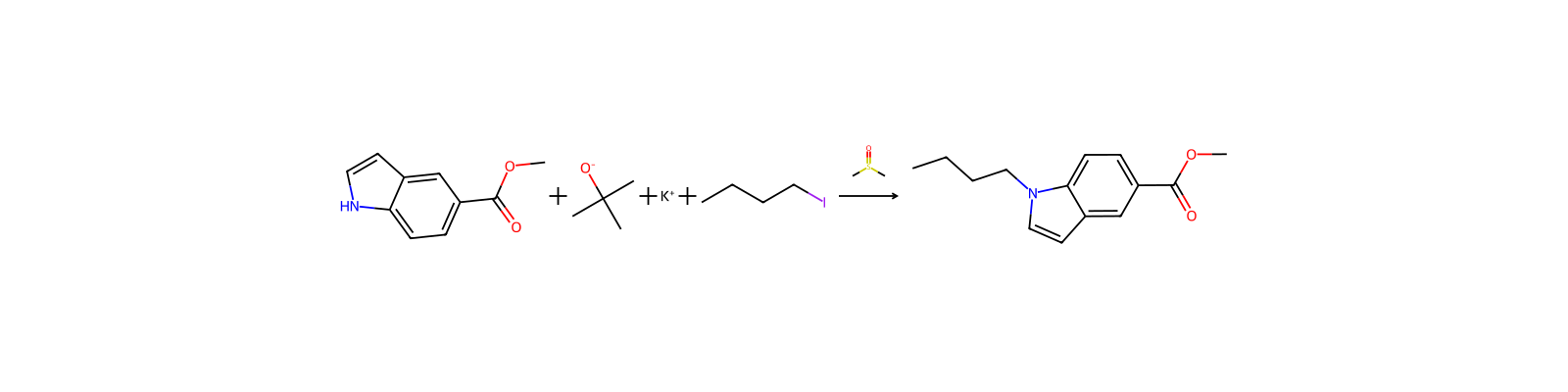
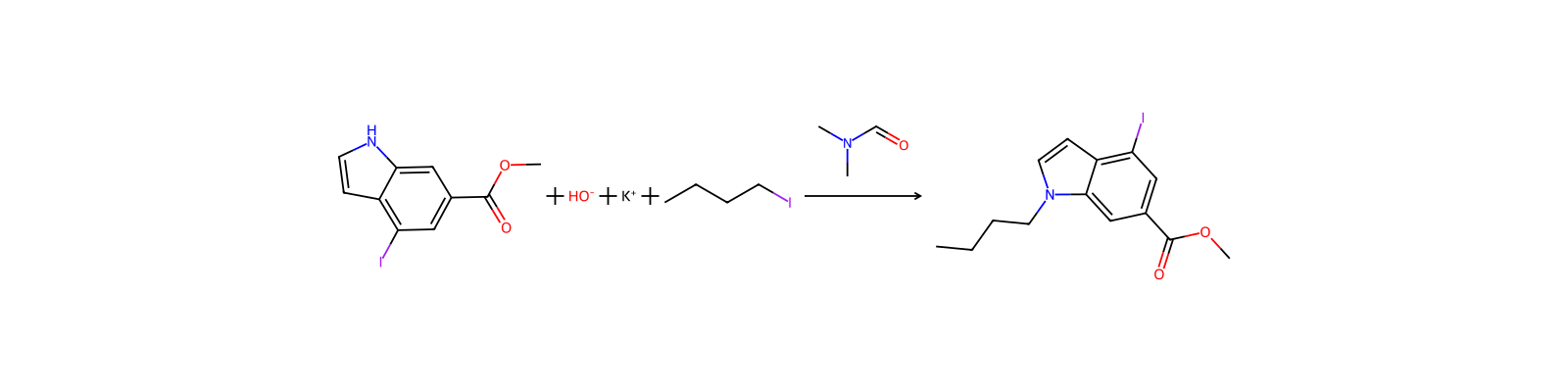
704 records



Compound notes
Loading…