

Basic information
- Standard SMILES
CCCCON=O- InChIKey
JQJPBYFTQAANLE-UHFFFAOYSA-N- Molecular formula
- C4H9NO2
- Average molar mass
- 103.12 g/mol
- Monoisotopic mass
- 103.06332853
Overview
Butyl nitrite appears as a yellow oily liquid with a pleasant odor. A mixture of isomers (n-butyl, sec-butyl and tert-butyl). Slightly soluble in water. Slightly less dense than water. Vapors are much heavier than air. Toxic by ingestion, mildly toxic by inhalation. Used to make fuel for jet airplanes.
Names & identifiers
- Preferred name
- Butyl nitrite
- IUPAC
- butyl nitrite
- English name
- 1-Butyl nitrite
- Molecular formula
- C4H9NO2
- Molecular weight
- 103.12
Names & synonyms
Butyl nitrite544-16-1N-BUTYL NITRITENitrous acid, butyl ester44P8QG0F3TNSC-8426RefChem:829371208-862-11-Butyl nitriteNitrous Acid Butyl EsterNitrous acid, n-butyl esterN-Butylnitrite
Show more names
P95AT-V1AT-V2NCL-C-56553N-Butynitrite
ButylnitriteNCI-C56553NSC 8426DTXSID8049418n-C4H9ONOMFCD00002058Butyl ester of nitrous acidNBN
Database identifiers
- CAS
544-16-1- PubChem CID
- 10996
- DTXSID
DTXSID8049418- ChEMBL
CHEMBL3181968- ChEBI
CHEBI:173360- UNII
- 44P8QG0F3T
- EC Number
- 208-862-1
- Nikkaji
- J4.511J
Properties
Computed structural properties
- XLogP
- 1.3
- Topological polar surface area
- 38.7 Ų
- Hydrogen bond donors
- 0
- Hydrogen bond acceptors
- 3
- Rotatable bonds
- 3
- Heavy atoms
- 7
- Formal charge
- 0
- Complexity
- 47
Experimental & physicochemical properties
Chemical Classes
Nitrogen Compounds -> Nitrates and Nitrites
Flammable agents - 3rd degree
Vapor Pressure81.3 [mmHg]
Physical Description
Butyl nitrite appears as a yellow oily liquid with a pleasant odor. A mixture of isomers (n-butyl, sec-butyl and tert-butyl). Slightly soluble in water. Slightly less dense than water. Vapors are much heavier than air. Toxic by ingestion, mildly toxic by inhalation. Used to make fuel for jet airplanes.
Oily liquid; [Merck Index]
Physicochemical properties
- Boiling point
- 78 °C · 78 °C (lit.)
- Density
- 0.882 g/mL · 0.882 g/mL at 25 °C (lit.)
- vapor pressure
- 760 mm · 760 mm Hg ( 78 °C)
- refractive index
- 20 · n20/D 1.376(lit.)
- Flash point
- 8 °F · 8 °F
- storage temp.
- 2 · 2-8°C
- solubility
- alcohol: miscible(lit.)
- form
- clear liquid
- color
- Light yellow to Yellow
- Water Solubility
- SLIGHTLY SOLUBLE
- Merck
- 14 · 14,1582
- BRN
- 1701036 · 1701036
- Stability
- Light Sensitive, Volatile
- InChI
- 1S/C4H9NO2/c1-2-3-4-7-5-6/h2-4H2,1H3
- InChIKey
- NALZTFARIYUCBY-UHFFFAOYSA-N
- SMILES
- CCCCON=O
- LogP
- 2.35 · 2.35
- CAS DataBase Reference
- 544 · 544-16-1(CAS DataBase Reference)
- EWG's Food Scores
- 1 · 1
- FDA UNII
- 44 P8QG0F3T · 44P8QG0F3T
- NIST Chemistry Reference
- n-Butyl nitrite(544-16-1)
- EPA Substance Registry System
- Butyl nitrite (544-16-1)
- UNSPSC Code
- 12352100 · 12352100
- NACRES
- 22 · NA.22
- Symbol(GHS)
- 2 · GHS02,GHS06,GHS08
- Signal word
- Danger
- Hazard statements
- 330 · H330-H301-H373-H336-H225
- Precautionary statements
- 501 · P501-P260-P270-P240-P210-P233-P243-P241-P242-P271-P264-P280-P284-P370+P378-P314-P303+P361+P353-P301+P310+P330-P304+P340+P310-P403+P233-P403+P235-P405
- PPE
- Eyeshields, Faceshields, Gloves, type ABEK (EN14387) respirator filter
- Hazard Codes
- F,T
- Risk Statements
- 11 · 11-23/25
- Safety Statements
- 16 · 16-24-45
- RIDADR
- 2351 · UN 2351 3/PG II/III (BUTYL NITRITES)
- WGK Germany
- 1 · 1
- RTECS
- 780000 · RA0780000
- F
- 8 · 8-10-23
- TSCA
- TSCA listed
- HazardClass
- 3.1 · 3.1
- PackingGroup
- II
- HS Code
- 29209090 · 29209090
- Storage Class
- 3 · 3 - Flammable liquids
- Hazard Classifications
- 2 InhalationAcute · Acute Tox. 2 InhalationAcute Tox. 3 OralFlam. Liq. 2
- Toxicity
- 50 orally · LD50 orally in Rabbit: 83 mg/kg
- REACH Registrations
- Active
Safety & regulation
GHS classification
GHS Classification
Danger
H225: Highly Flammable liquid and vapor [Danger Flammable liquids]
P210, P233, P240, P241, P242, P243, P261, P264, P270, P271, P280, P301+P316, P303+P361+P353, P304+P340, P316, P321, P330, P370+P378, P403+P233, P403+P235, P405, and P501 (click each P-code to see the statement)
Danger
H225 (100%): Highly Flammable liquid and vapor [Danger Flammable liquids]
P210, P233, P240, P241, P242, P243, P261, P264, P270, P271, P280, P301+P316, P303+P361+P353, P304+P340, P316, P321, P330, P370+P378, P403+P233, P403+P235, P405, and P501 (click each P-code to see the statement)
Hazard information
Regulatory Information
Status: Active Update: 29-11-2019 https://echa.europa.eu/registration-dossier/-/registered-dossier/24419
Butyl nitrite: Does not have an individual approval but may be used under an appropriate group standard
The New Jersey Worker and Community Right to Know Act requires public and private employers to provide information about hazardous substances at their workplaces. (N.J.S.A. 34:5A-1 et. seq.)
Other Safety InformationIMAP assessments - Nitrous acid, butyl ester: Environment tier I assessment
DOT LabelFlammable Liquid
Fire HazardsExcerpt from ERG Guide 129 [Flammable Liquids (Water-Miscible / Noxious)]:
Health HazardsExcerpt from ERG Guide 129 [Flammable Liquids (Water-Miscible / Noxious)]:
Hazards SummaryVasodilator effects similar to amyl nitrate; [Merck Index] An irritant; May cause lacrimation; Can induce methemoglobinemia; [MSDSonline]
Reactive GroupNitro, Nitroso, Nitrate, and Nitrite Compounds, Organic
Reactivity AlertsHighly Flammable
Reactivity Profile
BUTYL NITRITE is an oxidizing agent but can serve as a reducing agent. May begin a vigorous reaction that culminates in a detonation if mixed with reducing agents, including hydrides, sulfides, nitrides, ammonium salts, cyanides, and many fuels.
Air and Water ReactionsHighly flammable. Slightly soluble in water.
Hazard Classes and Categories
Flam. Liq. 2 (100%)
Flammable liquid - category 2
Flammable liquids - Category 2
Flammable agents - 3rd degree, Reactive agents - 3rd degree
Flam. Liq. 2
Safety & protection
Fire FightingExcerpt from ERG Guide 129 [Flammable Liquids (Water-Miscible / Noxious)]:
First AidExcerpt from ERG Guide 129 [Flammable Liquids (Water-Miscible / Noxious)]:
Nonfire Spill ResponseExcerpt from ERG Guide 129 [Flammable Liquids (Water-Miscible / Noxious)]:
Isolation and EvacuationExcerpt from ERG Guide 129 [Flammable Liquids (Water-Miscible / Noxious)]:
Personal Protective Equipment (PPE)Excerpt from ERG Guide 129 [Flammable Liquids (Water-Miscible / Noxious)]:
Toxicology
Adverse EffectsMethemoglobinemia - The presence of increased methemoglobin in the blood; the compound is classified as secondary toxic effect
Toxicity DataLC50 (rat) = 420 ppm/4h
Safety data
- F
- 8-10-23
- PPE
- Eyeshields, Faceshields, Gloves, type ABEK (EN14387) respirator filter
- wgk
- 1
- tsca
- TSCA listed
- rtecs
- RA0780000
- ridadr
- UN 2351 3/PG II/III (BUTYL NITRITES)
- hs_code
- 29209090
- Toxicity
- LD50 orally in Rabbit: 83 mg/kg
- risk_code
- 11-23/25
- Signal word
- Danger
- Symbol(GHS)
- GHS02,GHS06,GHS08
- hazard_code
- F,T
- safety_code
- 16-24-45
- hazard_class
- 3.1
- Storage Class
- 3 - Flammable liquids
- packing_group
- II
- Hazard statements
- H330-H301-H373-H336-H225
- REACH Registrations
- Active
- Hazard Classifications
- Acute Tox. 2 InhalationAcute Tox. 3 OralFlam. Liq. 2
- Precautionary statements
- P501-P260-P270-P240-P210-P233-P243-P241-P242-P271-P264-P280-P284-P370+P378-P314-P303+P361+P353-P301+P310+P330-P304+P340+P310-P403+P233-P403+P235-P405
Chemistry & industry
Pharmacology
MeSH Pharmacological ClassificationDrugs used to cause dilation of the blood vessels.
Cellular LocationsCytoplasm
Uses & manufacturing
UsesUsed to make rare earth azides; [Merck Index]
General Manufacturing InformationNitrous acid, butyl ester: ACTIVE
Applications
UsesButyl nitrite is used in the manufacture of rare earth azides. It is used as a recreational drug due its vasodilator property.
UsesIt is used as pharmaceutical intermediate.
General DescriptionA yellow oily liquid with a pleasant odor. A mixture of isomers (n-butyl, sec-butyl and tert-butyl). Slightly soluble in water. Slightly less dense than water. Vapors are much heavier than air. Flash point about 15°F. Toxic by ingestion, mildly toxic by inhalation. Used to make fuel for jet airplanes.
Upstream & downstream products
Upstream raw materials
Downstream products
Suppliers50 total
国药集团化学试剂有限公司86-21-63210123 · [email protected]
梯希爱(上海)化成工业发展有限公司021-67121386 · [email protected]
江西益众化工有限公司15307925109 15350027073 · [email protected]
阿诺西(上海)生物技术有限公司400-1107768 15058188853 · [email protected]
上海阿拉丁生化科技股份有限公司400-6206333 13167063860 · [email protected]
湖北成丰化工有限公司13125175253 · [email protected]
邹平创新药业有限公司13561560789 · [email protected]
Dayang Chem (Hangzhou) Co.,Ltd.+86-0571-88938639 17705817739 · [email protected]
武汉绿景丰华生物科技有限公司19972070065 · [email protected]
Syntechem Co.,Ltd[email protected]
上海迈瑞尔生化科技有限公司4006356688 18621169109 · [email protected]
阿法埃莎(中国)化学有限公司400-6106006 · [email protected]
安耐吉化学&3A(安徽泽升科技股份有限公司)400-0056266 · [email protected]
武汉卡诺斯科技有限公司027-83238443 15327105076 · [email protected]
广东云星生物技术有限公司0751-18902340975/189023400307 18902340307 · [email protected]
江苏艾康生物医药研发有限公司025-5885952 15955137747 · [email protected]
山东洛克化工有限公司17653113209 13065062079 · [email protected]
嘉兴市艾森化工有限公司0573-85285100 18627885956 · [email protected]
上海隆盛化工有限公司58099637 13585536065 · [email protected]
山东西亚化学有限公司13355009207 13355009207 · [email protected]
广东大小化工有限公司1866-171603 18666171603 · [email protected]
玛雅试剂+86 (573) 82222445 (0)18006601000 452520369 · [email protected]
四川库利南科技有限公司400-1166-196 18981987031 · [email protected]
南京维奥化工有限公司Please Send Email 18652950785 · [email protected]
赛默飞世尔科技(中国)有限公司800-810-5118 · [email protected]
上海遐瑞医药科技有限公司+86 21 61551611
TCI AMERICA800-4238616 · [email protected]
TOKYO CHEMICAL INDUSTRY CO., LTD.03-36680489 · [email protected]
TCI Europe320-37350700 · [email protected]
卡迪亚医药科技有限公司0371-86615086 18203638366 0371-86159066 13526786601
成都麦卡希化工有限公司028-85632863 18108198598 · [email protected]
北京京土恒盛化工科技有限公司00-13911456598 13911456598 · [email protected]
北京环宇世纪化学科技有限公司hysj_bj.com
HBCChem, Inc.+1-510-219-6317 · [email protected]
上海鑫圭生物科技有限公司15121041756 · [email protected]
上海麦克林生化科技股份有限公司15221275939 15221275939 · [email protected]
康迪斯化工(湖北)有限公司13125172151 · [email protected]
上海嵩爰化工科技有限公司010-1234567 18521000990 · [email protected]
上海兴鲁化工科技有限公司02120970332 · [email protected]
Changzhou Fullone Chemical Co., Ltd.+86-13328197671 +86-13861172460 · [email protected]
池州凯隆进出口贸易有限公司[email protected]
Sigma-Aldrich西格玛奥德里奇(上海)贸易有限公司021-61415566 800-8193336 · [email protected]
上海伯倚化工科技有限公司021-54096810 18017263450 · [email protected]
江苏倍达医药科技有限公司0512-63009836 18994340901 · [email protected]
成都瑞欧克科技有限公司028-64353063 · [email protected]
厦门志信化学有限公司+86-5922680277 +86-13806087780 · [email protected]
山东智尚新材料有限公司+8617653113209 · [email protected]
武汉裕清嘉衡药业有限公司027-83850122 13343472658 · [email protected]
sgtlifesciences pvt ltd+91-8790379245 · [email protected]
陕西缔都医药化工有限公司029-029-81120477 17792793610 · [email protected]
Additional notes
DefinitionChEBI: Butyl nitrite is a nitroso compound.
Related reactions
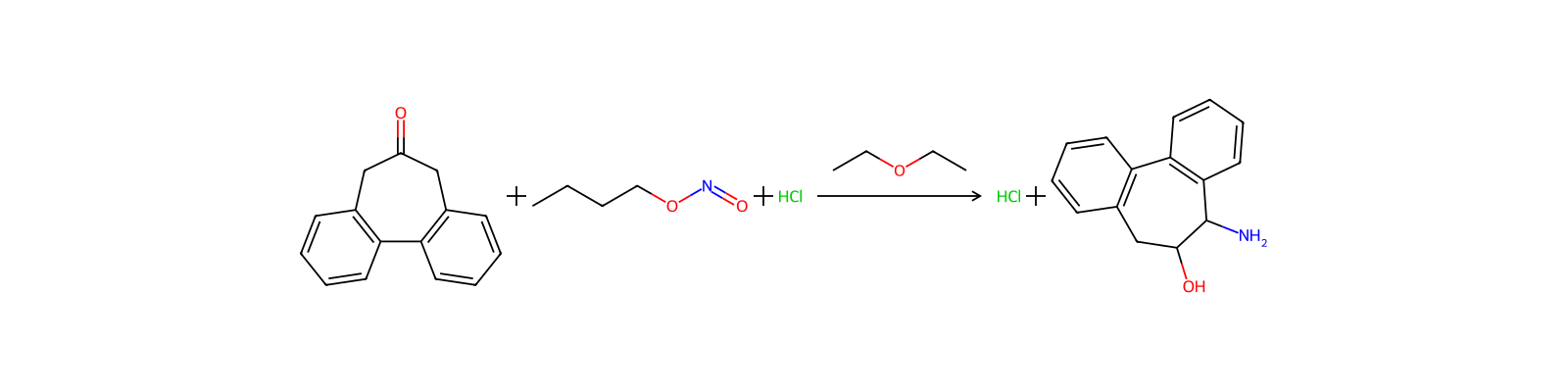
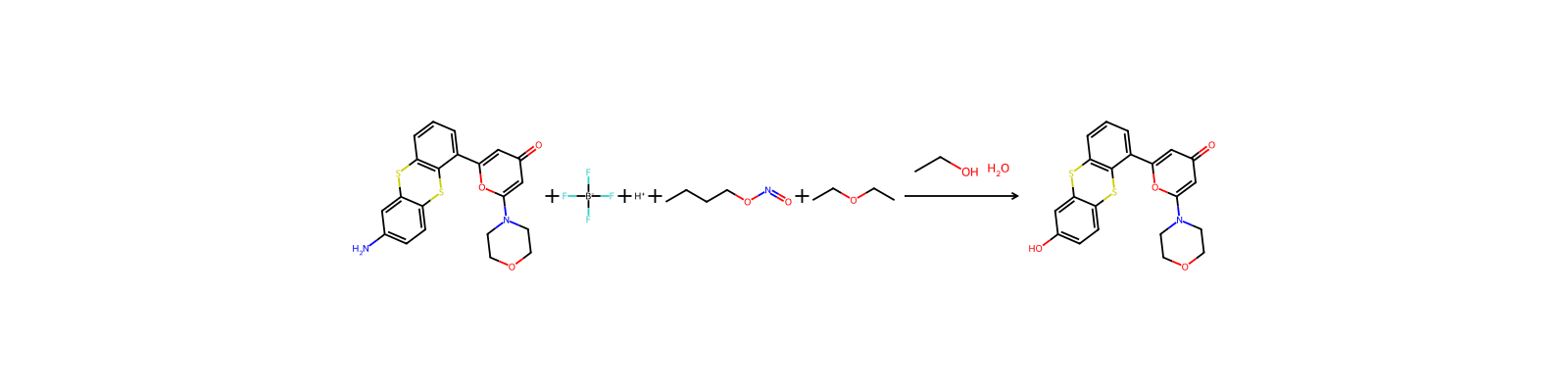
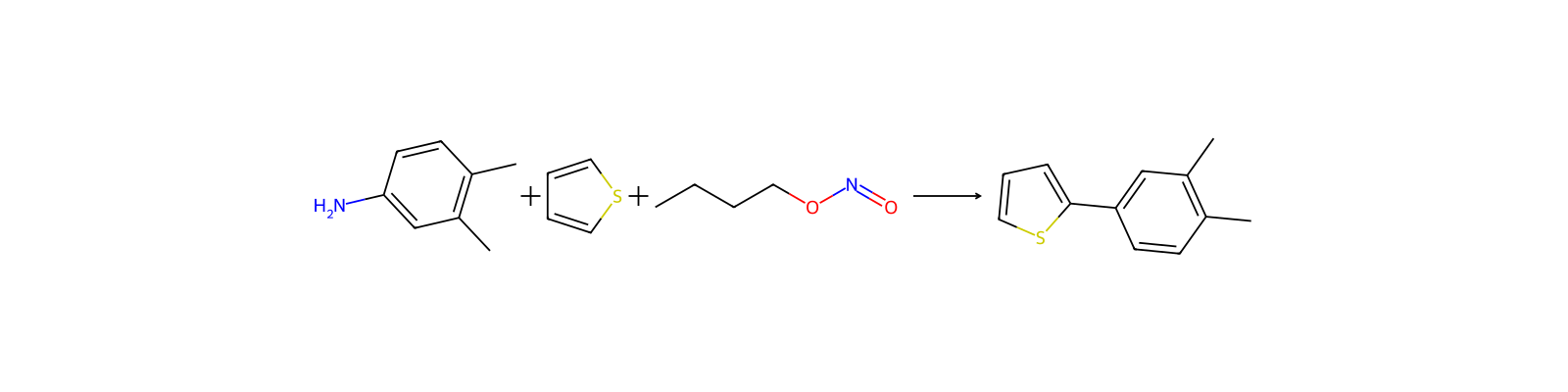
265 records




Linked notes
Loading…