

Basic information
- Standard SMILES
F[B-](F)(F)F.O=[N+]=O- InChIKey
RGVZMPONLYFINH-UHFFFAOYSA-N- Molecular formula
- B.F4.N.O2
- Average molar mass
- 132.81 g/mol
- Monoisotopic mass
- 132.99582152
Overview
See also: Borate(1-), tetrafluoro-, nitryl (1:1) (annotation moved to).
Names & identifiers
- Preferred name
- Nitronium tetrafluoroborate
- IUPAC
- nitronium tetrafluoroborate
Names & synonyms
Nitronium tetrafluoroborateBorate(1-), tetrafluoro-, nitrylRefChem:854360Nitronium, tetrafluoroborate(1)Borate(1), tetrafluoro, nitrylBorate(1), tetrafluoro, nitryl (1:1)237-533-513826-86-3nitronium;tetrafluoroboratenitroniumtetrafluoroborateBF4NO2MFCD00011432
Show more names
Nitronium tetrafluoroborate,Nitronium Tetrafluoroborate (Technical Grade)Nitronium TetrafluoroboronNitronium Tetrafluoroborate (0.5 M solution in Sulfolane)nitronium.tetrafluoroborateSCHEMBL29359449SBB085828Dioxoammonium tetrafluoridoborate(1-)
Database identifiers
- CAS
13826-86-3- PubChem CID
- 11073463
- DTXSID
DTXSID001014531- EC Number
- 237-533-5
Properties
Computed structural properties
- Topological polar surface area
- 35.1 Ų
- Hydrogen bond donors
- 0
- Hydrogen bond acceptors
- 7
- Rotatable bonds
- 0
- Heavy atoms
- 8
- Formal charge
- 0
- Complexity
- 37.4
Experimental & physicochemical properties
Chemical ClassesMetals -> Metalloid Compounds (Boron)
Physical DescriptionWhite nearly odorless crystals; [Alfa Aesar MSDS]
Safety & regulation
GHS classification
GHS Classification
Danger
H314 (100%): Causes severe skin burns and eye damage [Danger Skin corrosion/irritation]
P233, P260, P261, P264, P271, P272, P280, P284, P301+P330+P331, P302+P352, P302+P361+P354, P304+P340, P305+P354+P338, P316, P321, P333+P317, P342+P316, P362+P364, P363, P403, P405, and P501 (click each P-code to see the statement)
Aggregated GHS information provided per 46 reports by companies from 6 notifications to the ECHA C&L Inventory. Each notification may be associated with multiple companies.
Hazard information
Regulatory InformationBorate(1-), tetrafluoro-, nitryl: Does not have an individual approval but may be used under an appropriate group standard
Hazards SummaryIntravenous LD50 (mouse) = 180 mg/kg; [RTECS] Decomposed by water; Causes burns; Inhalation may cause corrosive injuries to upper respiratory tract and lungs; [Alfa Aesar MSDS] See Potassium tetrafluoroborate.
Hazard Classes and CategoriesSkin Corr. 1B (100%)
Safety & protection
Protective Action Criteria (PAC)
1.2 [mg/m3]
13 [mg/m3]
79 [mg/m3]
Toxicology
Adverse EffectsDermatotoxin - Skin burns.
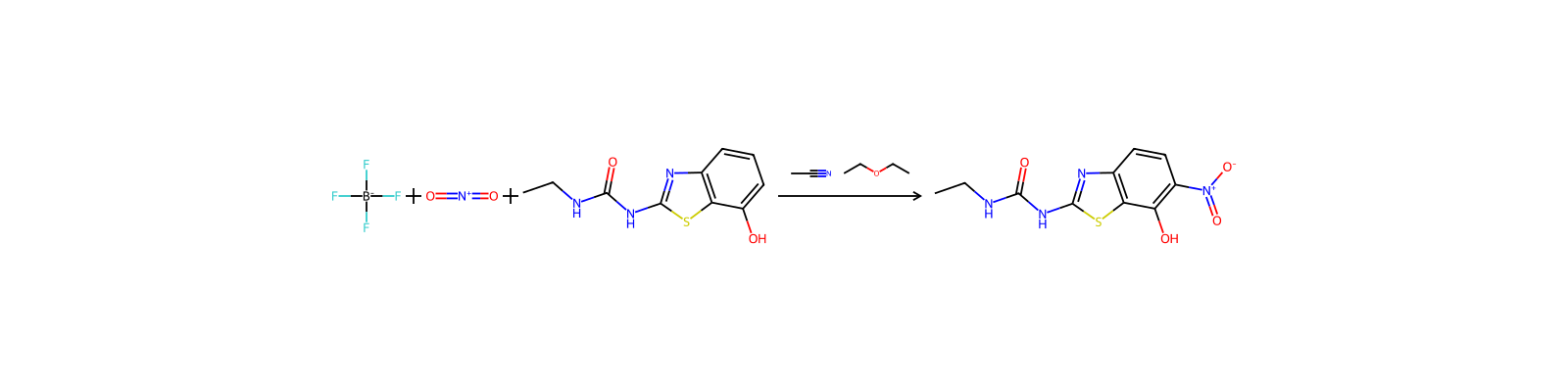
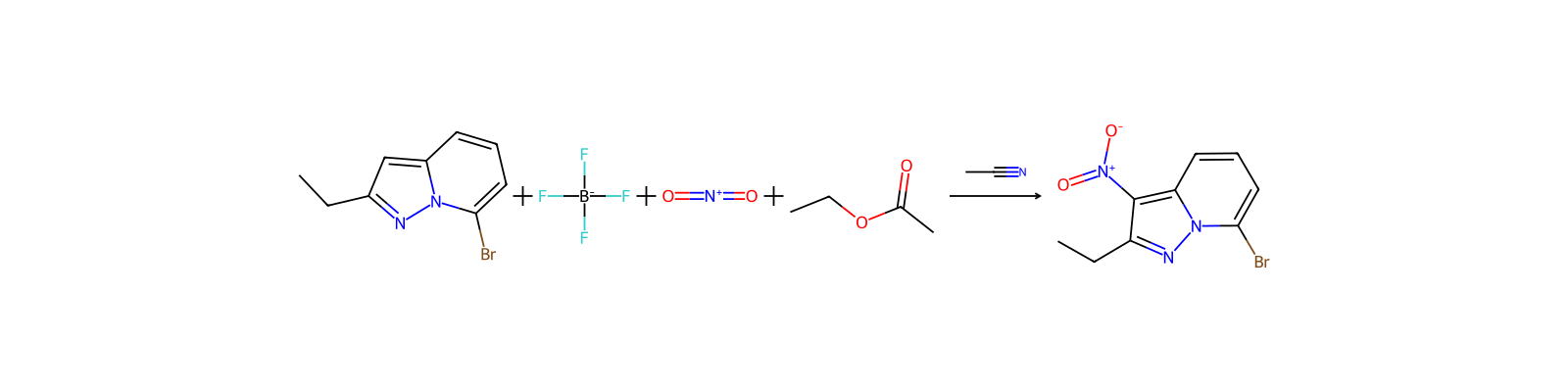
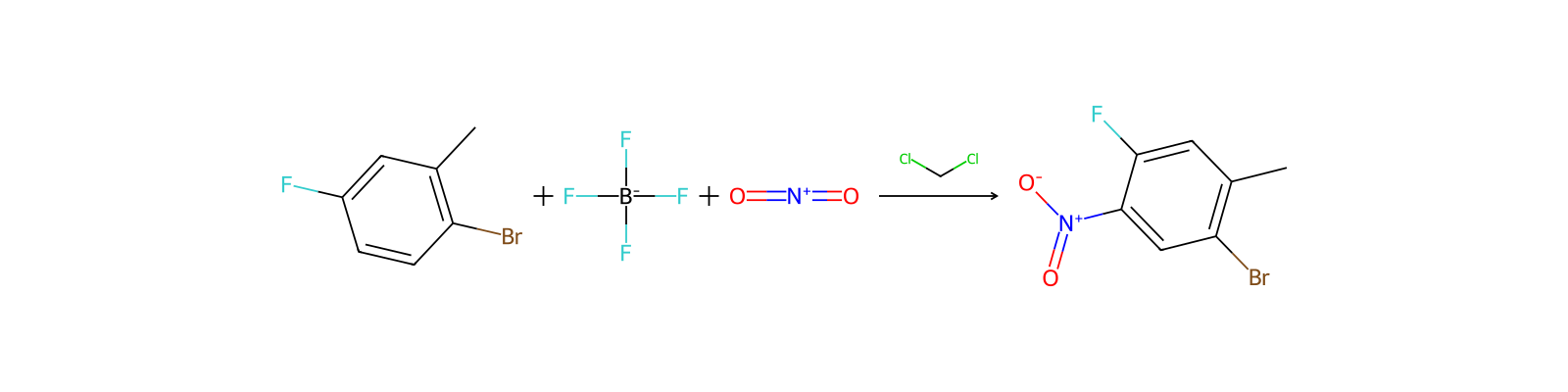
Related reactions
155 records



Linked notes
Loading…