
Allyl iodide

Basic information
- CAS
556-56-9- Standard SMILES
C=CCI- InChIKey
HFEHLDPGIKPNKL-UHFFFAOYSA-N- Molecular formula
- C3H5I
- Average molar mass
- 167.98 g/mol
- Monoisotopic mass
- 167.94359816
Overview
Allyl iodide appears as a yellow liquid with a pungent odor. Denser than water and insoluble in water. Hence sinks in water. Vapors are heavier than air. Very irritating to skin, eyes and mucous membranes. Poisonous by ingestion and inhalation. Used to make other chemicals.
Names & identifiers
- Preferred name
- Allyl iodide
- IUPAC
- 3-iodoprop-1-ene
- English name
- ALLYL IODIDE
- Molecular formula
- C3H5I
- Molecular weight
- 167.98
Names & synonyms
ALLYL IODIDE556-56-93-Iodo-1-propene3-Iodopropene1-Propene, 3-iodo-3-IodopropylenePropene, 3-iodo-UN1723EINECS 209-130-4NSC 18588UNII-46830QOA4DBRN 1697594
Show more names
AllyljodidAllyliodid3-Jodpropen3-Iodpropen3-iodo-propen3-Jod-1-propen
46830QOA4D2-Propene, 1-iodoCH2CHCH2INSC-18588ALLYL IODIDE [MI]4-01-00-00761 (Beilstein Handbook Reference)DTXSID5060302UN 1723
Database identifiers
- CAS
556-56-9- PubChem CID
- 11166
- DTXSID
DTXSID5060302- UNII
- 46830QOA4D
- EC Number
- 209-130-4
- Nikkaji
- J2.661A
Properties
Computed structural properties
- XLogP
- 2.1
- Topological polar surface area
- 0 Ų
- Hydrogen bond donors
- 0
- Hydrogen bond acceptors
- 0
- Rotatable bonds
- 1
- Heavy atoms
- 4
- Formal charge
- 0
- Complexity
- 17.2
Experimental & physicochemical properties
Chemical Classes
Other Classes -> Halogenated Aliphatics, Unsaturated
Corrosives
SpringerMaterials PropertiesSchoenflies notation
Physical Description
Allyl iodide appears as a yellow liquid with a pungent odor. Denser than water and insoluble in water. Hence sinks in water. Vapors are heavier than air. Very irritating to skin, eyes and mucous membranes. Poisonous by ingestion and inhalation. Used to make other chemicals.
Yellowish liquid with a pungent unpleasant odor; Darkened by light and air evolving iodine; [Merck Index] Clear dark red liquid; [Sigma-Aldrich MSDS]
Physicochemical properties
- Melting point
- -99 °C · -99 °C
- Boiling point
- 102103 °C · 102103°C
- Density
- 1.837 g/mL · 1.837 g/mL at 25 °C(lit.)
- refractive index
- 20 · n20/D 1.554
- Flash point
- 65 °F · 65 °F
- storage temp.
- 2 · 2-8°C
- solubility
- alcohol: miscible(lit.)
- form
- Liquid
- color
- Clear yellow to orange, red or red-brown
- Water Solubility
- Soluble in alcohol, chloroform, ether, and diethyl ether. Insoluble in water.
- Sensitive
- Air & Light Sensitive
- Merck
- 14 · 14,294
- BRN
- 1697594 · 1697594
- Henry's Law Constant
- 3.8 · 3.8×10-3 mol/(m3Pa) at 25℃, Hilal et al. (2008)
- Dielectric constant
- 6.1 · 6.1(19℃)
- InChI
- 1S/C3H5I/c1-2-3-4/h2H,1,3H2
- InChIKey
- HFEHLDPGIKPNKL-UHFFFAOYSA-N
- SMILES
- ICC=C
- CAS DataBase Reference
- 556 · 556-56-9(CAS DataBase Reference)
- FDA UNII
- 46830 QOA4D · 46830QOA4D
- EPA Substance Registry System
- 1 · 1-Propene, 3-iodo- (556-56-9)
- UNSPSC Code
- 12352100 · 12352100
- NACRES
- 22 · NA.22
- Symbol(GHS)
- 2 · GHS02,GHS05,GHS06
- Signal word
- Danger
- Hazard statements
- 300 · H300-H314-H225
- Precautionary statements
- 501 · P501-P270-P240-P210-P233-P243-P241-P242-P264-P280-P370+P378-P303+P361+P353-P301+P330+P331-P363-P301+P310+P330-P304+P340+P310-P305+P351+P338+P310-P403+P235-P405
- PPE
- Faceshields, Gloves, Goggles, type ABEK (EN14387) respirator filter
- Hazard Codes
- C,T,F
- Risk Statements
- 10 · 10-34-11
- Safety Statements
- 7 · 7-26-45-16
- RIDADR
- 1723 · UN 1723
- WGK Germany
- 1 · 1
- RTECS
- 450000 · UD0450000
- F
- 8 · 8-13
- TSCA
- TSCA listed
- HazardClass
- 3 · 3
- PackingGroup
- II
- HS Code
- 29033990 · 29033990
- Storage Class
- 3 · 3 - Flammable liquids
- Hazard Classifications
- 2 OralEye · Acute Tox. 2 OralEye Dam. 1Flam. Liq. 2Skin Corr. 1B
- Limited Quantities
- 1 L · 1.0 L (0.3 gallon) (liquid)
- Excepted Quantities
- Max Inner Pack (30g or 30ml) and Max Outer Pack (500g or 500ml)
Safety & regulation
Safety information is for reference only and does not replace the supplier’s Safety Data Sheet (SDS), applicable regulations, or professional assessment.
GHS classification
GHS Classification
Danger
H225: Highly Flammable liquid and vapor [Danger Flammable liquids]
P210, P233, P240, P241, P242, P243, P260, P264, P280, P301+P330+P331, P302+P361+P354, P303+P361+P353, P304+P340, P305+P354+P338, P316, P321, P363, P370+P378, P403+P235, P405, and P501 (click each P-code to see the statement)
Danger
H225 (100%): Highly Flammable liquid and vapor [Danger Flammable liquids]
P210, P233, P240, P241, P242, P243, P260, P264, P280, P301+P330+P331, P302+P361+P354, P303+P361+P353, P304+P340, P305+P354+P338, P316, P321, P363, P370+P378, P403+P235, P405, and P501 (click each P-code to see the statement)
Hazard information
Regulatory Information
Chemical: 1-Propene, 3-iodo-
The New Jersey Worker and Community Right to Know Act requires public and private employers to provide information about hazardous substances at their workplaces. (N.J.S.A. 34:5A-1 et. seq.)
DOT LabelFlammable Liquid Corrosive
Fire Hazards
Excerpt from ERG Guide 132 [Flammable Liquids - Corrosive]:
· Flammable/combustible material.
Health Hazards
Excerpt from ERG Guide 132 [Flammable Liquids - Corrosive]:
· May cause toxic effects if inhaled or ingested.
Hazards Summary
Causes general anesthesia, cyanosis, and changes in the structure or function of salivary glands in oral lethal-dose studies of rats; [RTECS] Corrosive and flammable; [Merck Index] A strong skin, eye, and mucous membrane irritant; [CAMEO] Causes burns; Inhalation may cause corrosive injuries to upper respiratory tract; Highly toxic by ingestion; Readily absorbed through skin; [Sigma-Aldrich MSDS] See Allyl bromide. See 2,3-Dichloro-1-propene. See Iodine for the TLV of Iodides.
DOT ID and Guide1723 132
Reactive GroupHalogenated Organic Compounds
Reactivity AlertsHighly Flammable
Reactivity ProfileALLYL IODIDE is moderately reactive. Incompatible with strong oxidizing and reducing agents. Also, incompatible with many amines, nitrides, azo/diazo compounds, alkali metals, and epoxides.
DOT Hazard Classification
Allyl iodide
UN1723
Class 3 Flammable and combustible liquid (49 eCFR § 173.120)
Class 3 Flammable and combustible liquid (49 eCFR § 173.120)
PG II: the degree of danger presented by the material is medium
Air and Water ReactionsHighly flammable. Darkens on exposure to light and air liberating Iodine [Merck 11th ed. 1989]. Insoluble in water.
Hazard Classes and Categories
Flam. Liq. 2 (100%)
Flammable liquid - category 2
Corrosives, Flammable agents - 3rd degree
Flam. Liq. 2
Safety & protection
Fire FightingExcerpt from ERG Guide 132 [Flammable Liquids - Corrosive]:
Accidental Release Measures
· CALL 911. Then call emergency response telephone number on shipping paper. If shipping paper not available or no answer, refer to appropriate telephone number listed on the inside back cover.
· ELIMINATE all ignition sources (no smoking, flares, sparks or flames) from immediate area.
First Aid
Excerpt from ERG Guide 132 [Flammable Liquids - Corrosive]:
General First Aid:
Exposure Control and Personal Protection· Wear positive pressure self-contained breathing apparatus (SCBA).
Nonfire Spill ResponseExcerpt from ERG Guide 132 [Flammable Liquids - Corrosive]:
Isolation and Evacuation
Excerpt from ERG Guide 132 [Flammable Liquids - Corrosive]:
Immediate precautionary measure
Personal Protective Equipment (PPE)Excerpt from ERG Guide 132 [Flammable Liquids - Corrosive]:
Emergency Response Planning Guidelines· Some of these materials may react violently with water.
Toxicology
Adverse EffectsDermatotoxin - Skin burns.
Safety data
- F
- 8-13
- PPE
- Faceshields, Gloves, Goggles, type ABEK (EN14387) respirator filter
- wgk
- 1
- tsca
- TSCA listed
- rtecs
- UD0450000
- ridadr
- UN 1723
- hs_code
- 29033990
- risk_code
- 10-34-11
- Signal word
- Danger
- Symbol(GHS)
- GHS02,GHS05,GHS06
- hazard_code
- C,T,F
- safety_code
- 7-26-45-16
- hazard_class
- 3
- Storage Class
- 3 - Flammable liquids
- packing_group
- II
- Hazard statements
- H300-H314-H225
- Limited Quantities
- 1.0 L (0.3 gallon) (liquid)
- Excepted Quantities
- Max Inner Pack (30g or 30ml) and Max Outer Pack (500g or 500ml)
- Hazard Classifications
- Acute Tox. 2 OralEye Dam. 1Flam. Liq. 2Skin Corr. 1B
- Precautionary statements
- P501-P270-P240-P210-P233-P243-P241-P242-P264-P280-P370+P378-P303+P361+P353-P301+P330+P331-P363-P301+P310+P330-P304+P340+P310-P305+P351+P338+P310-P403+P235-P405
Chemistry & industry
Uses & manufacturing
UsesUsed to make other chemicals; [CAMEO]
General Manufacturing Information1-Propene, 3-iodo-: ACTIVE
Applications
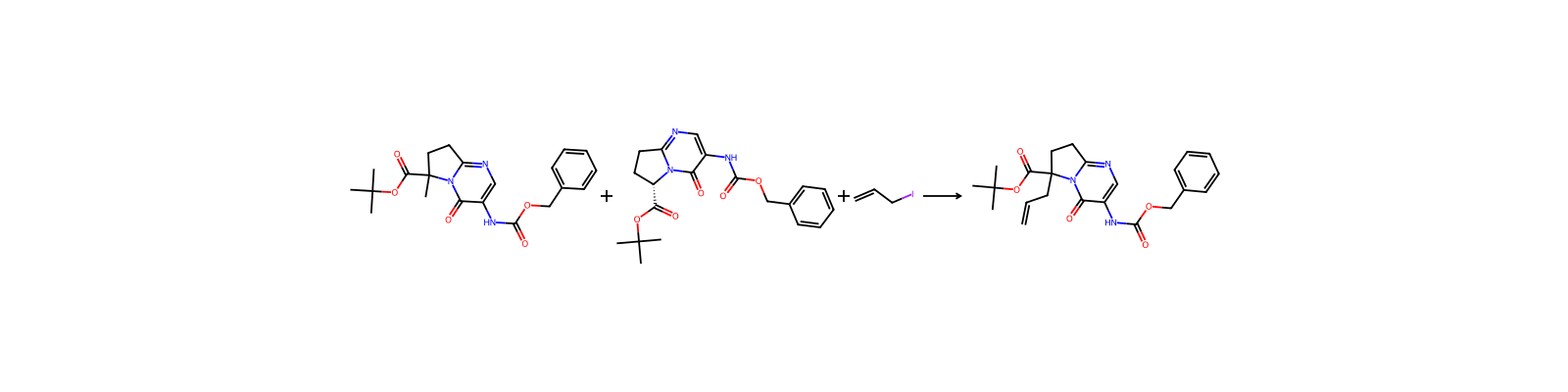
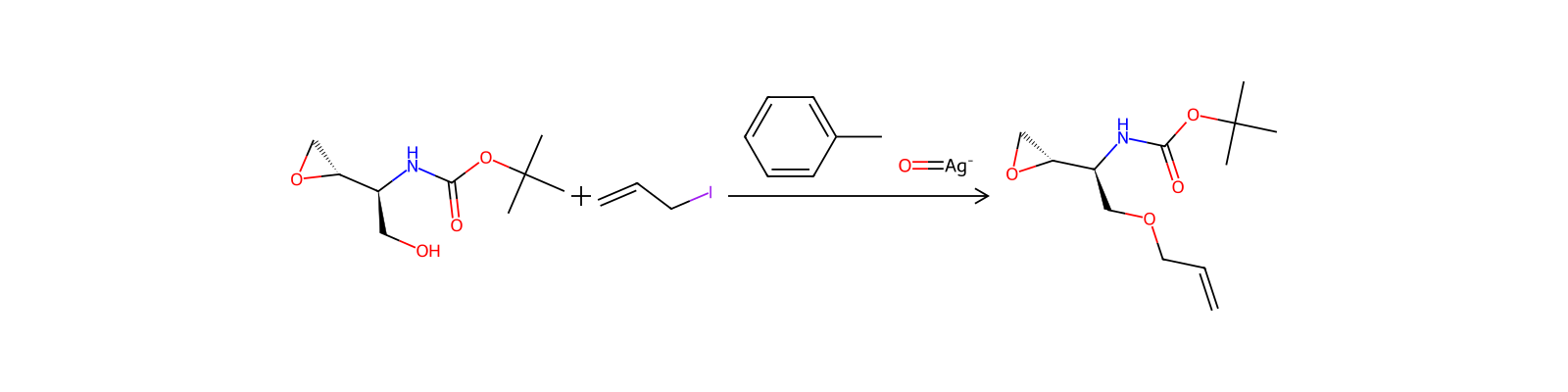
UsesAllyl iodide is used as a reagent used with allylindium sesquiiodide in the cis-double allylation of cyclopropenes. It is used in synthesis of other organic compounds such as N-alkyl 2-pyrrolidone, Sorbic acid ester etc,.
General DescriptionA yellow liquid with a pungent odor. Denser than water and insoluble in water. Hence sinks in water. Vapors are heavier than air. Flash point is less than 75°F. Very irritating to skin, eyes and mucous membranes. Poisonous by ingestion and inhalation. Used to make other chemicals.
Upstream & downstream products
Upstream raw materials
Downstream products
Related reactions
301 records


Compound notes
Loading…