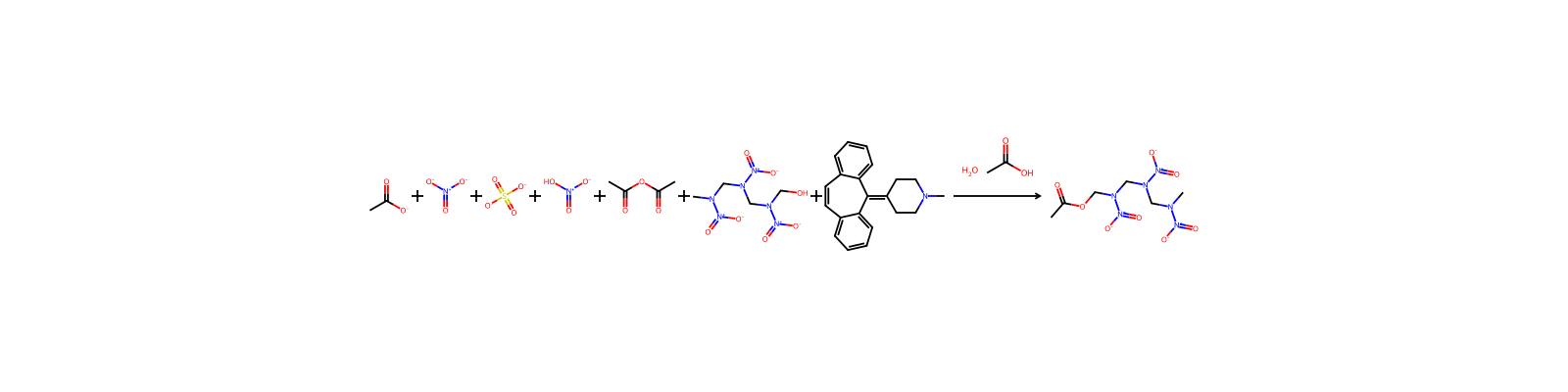
Sulfate Ion
Completing data — refresh the page later to see the latest
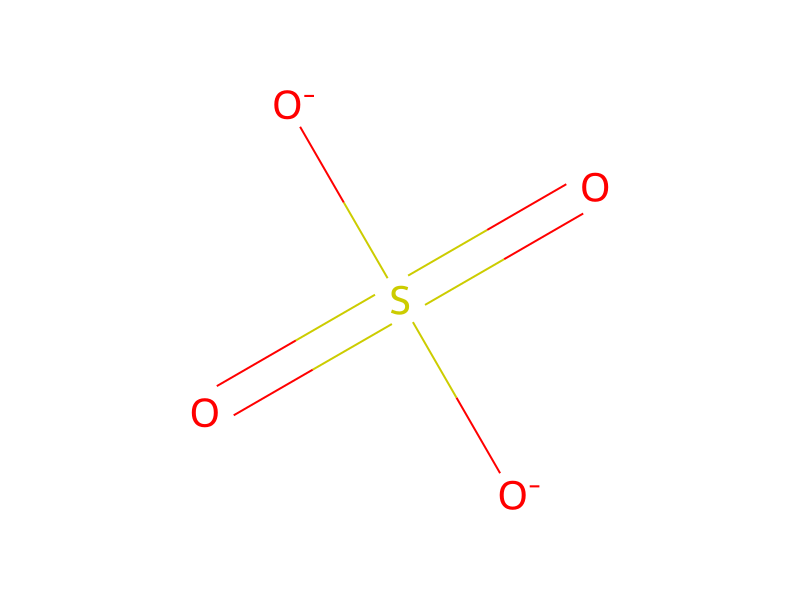
Basic information
- CAS
14808-79-8- Standard SMILES
O=S(=O)([O-])[O-]- InChIKey
QAOWNCQODCNURD-UHFFFAOYSA-L- Molecular formula
- O4S-2
- Average molar mass
- 96.07 g/mol
- Monoisotopic mass
- 95.95282664
Overview
Sulfate is a sulfur oxoanion obtained by deprotonation of both OH groups of sulfuric acid. It has a role as a cofactor, a Saccharomyces cerevisiae metabolite and a human metabolite. It is an inorganic anion, a sulfur oxoanion, a sulfur oxide and a divalent inorganic anion. It is a conjugate base of a hydrogensulfate.
Names & identifiers
- Preferred name
- Sulfate Ion
- IUPAC
- sulfate
- English name
- SULFATE STANDARD
- Molecular formula
- O4S-2
- Molecular weight
- 96.06
Names & synonyms
sulfateSulfate ionSulphate14808-79-8Sulfate(2-)Sulfate dianionSulfate ionsSulfate (ion)Sulfate radical anionSulphate Iontetraoxosulfate(2-)Sulfate anion(2-)
Show more names
SULFATE STANDARD SOLUTIONSulfate anionSULFATE STANDARDsulphate-sulfateSulfate (ion 2-)
Sulfuric acid ion(2-)UNII-7IS9N8KPMG7IS9N8KPMGtetraoxosulfate(VI)CHEBI:16189tetraoxidosulfate(2-)SO42-SULPHATE(2-)
Database identifiers
- CAS
14808-79-8、18785-72-3- PubChem CID
- 1117
- DTXSID
DTXSID3042425- ChEBI
CHEBI:16189- UNII
- 7IS9N8KPMG
- EC Number
- 604-622-9
- Nikkaji
- J215.795K
Properties
Computed structural propertiesFilling in
- XLogP
- -1.5
- Topological polar surface area
- 88.6 Ų
- Hydrogen bond donors
- 0
- Hydrogen bond acceptors
- 4
- Rotatable bonds
- 0
- Heavy atoms
- 5
- Formal charge
- -2
- Complexity
- 62.2
Experimental & physicochemical properties
Chemical ClassesMajor ion
Physicochemical properties
- Density
- 1.01 g/cm3 · 1.01g/cm3 at 20°C
- storage temp.
- 2 · 2-8°C
- form
- Liquid
- color
- Clear colorless
- PH
- 0.8 · 0.8 (20°C in H2O)
- BRN
- 3648446 · 3648446
- Major Application
- environmentalfood and beverages
- CAS DataBase Reference
- 14808 · 14808-79-8(CAS DataBase Reference)
- FDA UNII
- 7 IS9N8KPMG · 7IS9N8KPMG
- EPA Substance Registry System
- Sulfate (14808-79-8)
- UNSPSC Code
- 41116116 · 41116116
- NACRES
- 24 · NA.24
- Symbol(GHS)
- 7 · GHS07
Safety & regulation
Safety information is for reference only and does not replace the supplier’s Safety Data Sheet (SDS), applicable regulations, or professional assessment.
Hazard information
Regulatory Information
Commission Regulation (EC) No 2229/2004
Sulfate: Does not have an individual approval but may be used as a component in a product covered by a group standard. It is not approved for use as a chemical in its own right.
Toxicology
RAIS Toxicity Values
0.12
CALEPA
USGS Health-Based Screening Levels for Evaluating Water-Quality
Sulfate
00945
Major ion
Smith, C.D. and Nowell, L.H., 2024. Health-Based Screening Levels for evaluating water-quality data (3rd ed.). DOI:10.5066/F71C1TWP
Safety data
- wgk
- nwg
- risk_code
- 20/22
- Signal word
- Warning
- Symbol(GHS)
- GHS07
- hazard_code
- Xn
- Storage Class
- 8B - Non-combustible, corrosive hazardous materials
- Hazard statements
- H302-H332
- Hazard Classifications
- Met. Corr. 1
- Precautionary statements
- P234-P390
Chemistry & industry
Pharmacology
FDA Pharmacological Classification
7IS9N8KPMG
SULFATE ION
Established Pharmacologic Class [EPC] - Osmotic Laxative
Physiologic Effects [PE] - Increased Large Intestinal Motility
Physiologic Effects [PE] - Inhibition Large Intestine Fluid/Electrolyte Absorption
Mechanisms of Action [MoA] - Osmotic Activity
Applications
DescriptionThe sulfate anion (SO42−) is the stable, oxidized form of sulfur. Sulfate minerals are widely distributed in nature, and most sulfate compounds are readily soluble in water. All sulfate salts are very soluble except for calcium and silver sulfates, which are moderately soluble, and barium, mercury, lead, and strontium sulfates, which are insoluble. It is estimated that about one-half of the river sulfate load arises from mineral weathering and volcanism, and the other half from biochemical and anthropogenic sources. Industrial discharges are another significant source of sulfates. Mine and tailings drainage, smelter emissions, agricultural runoff from fertilized lands, pulp and paper mills, textile mills, tanneries, sulfuric acid production, and metalworking industries are all sources of sulfate-polluted water. Aluminum sulfate (alum) is used as a sedimentation agent for treating drinking water. Copper sulfate is used for controlling algae in raw and public water supplies.
Upstream & downstream products
Downstream products
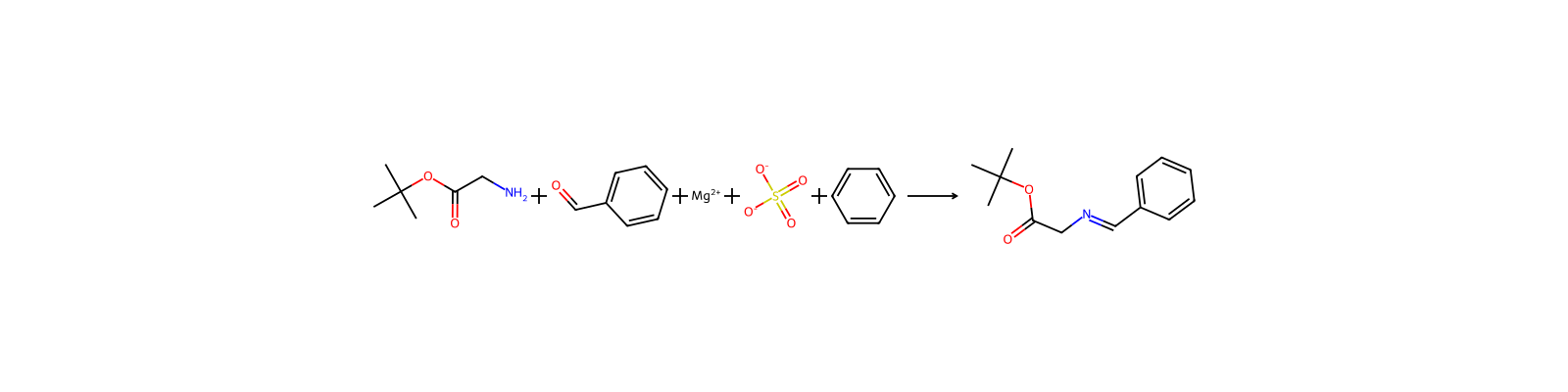
Related reactions
1,737 records




Compound notes
Loading…