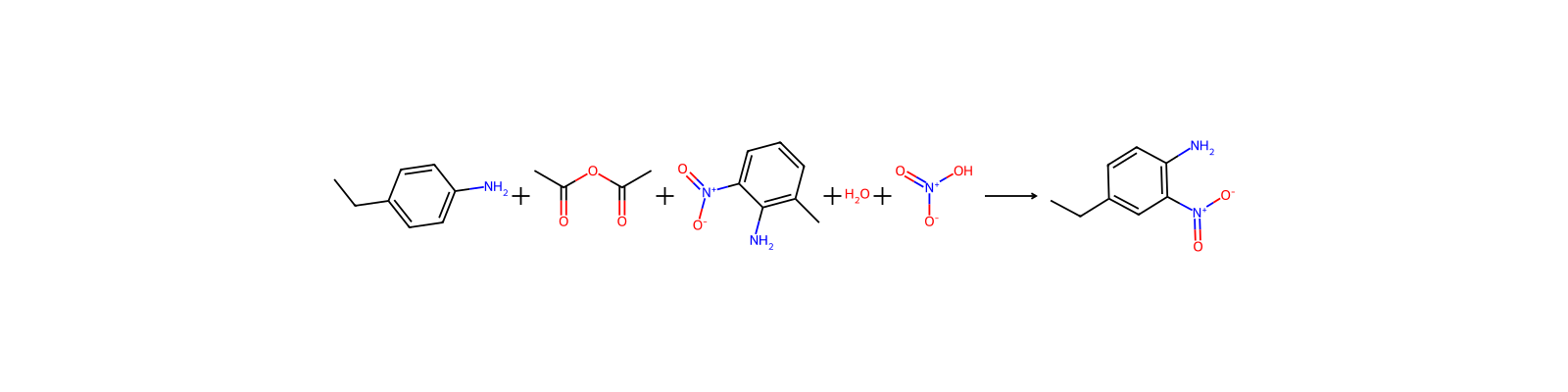
Chemical ClassesNitrogen Compounds -> Nitroanilines
CosmeticsHair dyeing
SpringerMaterials PropertiesSurface tension
Density1.19 at 212 °F (NTP, 1992) - Denser than water; will sink
Solubilityless than 1 mg/mL at 73 °F (NTP, 1992)
Melting Point199 to 205 °F (NTP, 1992)
Physical Description · 2 items
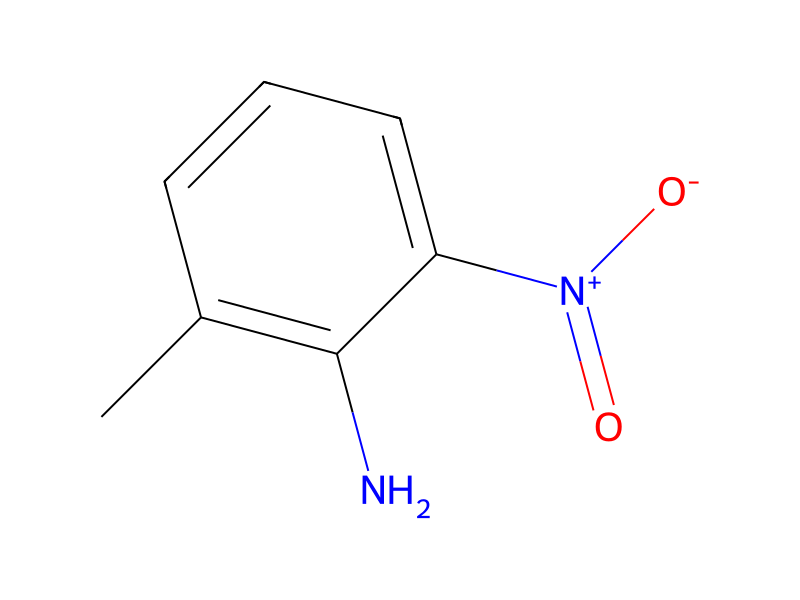
2-methyl-6-nitroaniline appears as orange-yellow prisms or brown granular powder. (NTP, 1992)
Orange-yellow or brown solid; [CAMEO] Dark red solid; [EC: SCCNFP] Dark red crystalline solid; [Sigma-Aldrich MSDS]
Physicochemical properties
Melting point
93 · 93-96 °C (lit.)
Safety & regulation
Safety information is for reference only and does not replace the supplier’s Safety Data Sheet (SDS), applicable regulations, or professional assessment.
GHS classification
GHS Classification · 6 items
Danger
H301 (100%): Toxic if swallowed [Danger Acute toxicity, oral]
P260, P261, P262, P264, P270, P271, P273, P280, P301+P316, P302+P352, P304+P340, P316, P319, P321, P330, P361+P364, P391, P403+P233, P405, and P501 (click each P-code to see the statement)
Aggregated GHS information provided per 47 reports by companies from 6 notifications to the ECHA C&L Inventory. Each notification may be associated with multiple companies.
Danger
H311: Toxic in contact with skin [Danger Acute toxicity, dermal]
Hazard information
Regulatory Information · 3 items
Chemical: Benzenamine, 2-methyl-6-nitro-
Status: No longer Valid Update: 25-04-2018 https://echa.europa.eu/registration-dossier/-/registered-dossier/24595
6-Nitro-o-toluidine: Does not have an individual approval but may be used under an appropriate group standard
Other Safety InformationIMAP assessments - Benzenamine, 2-methyl-6-nitro-: Human health tier II assessment
DOT LabelPoison
Fire HazardsFlash point data for this compound are not available, but it is probably combustible. (NTP, 1992)
Health HazardsExcerpt from ERG Guide 153 [Substances - Toxic and/or Corrosive (Combustible)]:
Hazards Summary · 1 item
A mild skin and eye irritant in rabbits at 3% concentration in 1,2-propanediol; No evidence of skin sensitization in guinea pigs; Hepatotoxicity observed in 28-day oral studies of rats; No evidence of embryotoxicity or teratogenicity in rats; [EC: SCCNFP] May cause irritation; May induce methemoglobinemia; Toxic by ingestion, inhalation, and skin absorption; Targets the blood; [Sigma-Aldrich MSDS] See 2-Nitroaniline.
Chemistry & industry
Uses & manufacturing
Uses · 2 items
Used in semi-permanent hair dyes; [EC: SCCNFP]
Dressing Hair [Category: Other]
Use ClassificationCosmetics -> Hair dyeing
Applications · 3 items
Uses2-Methyl-6-nitroaniline is a compound useful in organic synthesis. Dyes and metabolites, Environmental Testing.
Uses2-Methyl-6-nitroaniline (cas# 570-24-1) is a compound useful in organic synthesis. Dyes and metabolites, Environmental Testing
General DescriptionOrange-yellow prisms or brown granular powder.
Max Inner Pack (30g or 30ml) and Max Outer Pack (1Kg or 1L)
Reactive GroupNitro, Nitroso, Nitrate, and Nitrite Compounds, Organic
Reactivity Profile2-METHYL-6-NITROANILINE is incompatible with acids, acid chlorides, acid anhydrides, chloroformates, and strong oxidizers. (NTP, 1992)
Air and Water ReactionsThis chemical is sensitive to prolonged exposure to air. Insoluble in water.
Hazard Classes and Categories · 2 items
Acute Tox. 3 (100%)
Acute toxicity - category 3
Safety & protection
Fire FightingFires involving this material can be controlled using a carbon dioxide, dry chemical or Halon extinguisher. (NTP, 1992)
First Aid · 1 item
EYES: First check the victim for contact lenses and remove if present. Flush victim's eyes with water or normal saline solution for 20 to 30 minutes while simultaneously calling a hospital or poison control center. Do not put any ointments, oils, or medication in the victim's eyes without specific instructions from a physician. IMMEDIATELY transport the victim after flushing eyes to a hospital even if no symptoms (such as redness or irritation) develop.
Nonfire Spill Response · 1 item
SMALL SPILLS AND LEAKAGE: If a spill of this chemical occurs, FIRST REMOVE ALL SOURCES OF IGNITION, then you should dampen the solid spill material with acetone and transfer the dampened material to a suitable container. Use absorbent paper dampened with acetone to pick up any remaining material. Seal your contaminated clothing and the absorbent paper in a vapor-tight plastic bag for eventual disposal. Solvent wash all contaminated surfaces with acetone followed by washing with a soap and water solution. Do not reenter the contaminated area until the Safety Officer (or other responsible person) has verified that the area has been properly cleaned.
Isolation and EvacuationExcerpt from ERG Guide 153 [Substances - Toxic and/or Corrosive (Combustible)]:
Personal Protective Equipment (PPE) · 1 item
RECOMMENDED RESPIRATOR: Where the neat test chemical is weighed and diluted, wear a NIOSH-approved half face respirator equipped with an organic vapor/acid gas cartridge (specific for organic vapors, HCl, acid gas and SO2) with a dust/mist filter. (NTP, 1992)
Toxicology
Adverse EffectsOccupational hepatotoxin - Secondary hepatotoxins: the potential for toxic effect in the occupational setting is based on cases of poisoning by human ingestion or animal experimentation.
Safety data
F
10
PPE
Eyeshields, Faceshields, Gloves, type P2 (EN 143) respirator cartridges
wgk
3
ridadr
UN 2660 6.1/PG 3
hs_code
29214300
risk_code
23/24/25-33-51/53
Signal word
Danger
Symbol(GHS)
GHS06,GHS08,GHS09
hazard_code
T,N,Xi
hazard_note
Toxic
safety_code
28-36/37-45-61-28A
hazard_class
IRRITANT
Storage Class
6.1C - Combustible acute toxic Cat.3toxic compounds or compounds which causing chronic effects
packing_group
Ⅲ
Hazard statements
H301+H311+H331-H373-H410
Limited Quantities
5.0 kg (11 lbs) (solid)
Excepted Quantities
Max Inner Pack (30g or 30ml) and Max Outer Pack (1Kg or 1L)