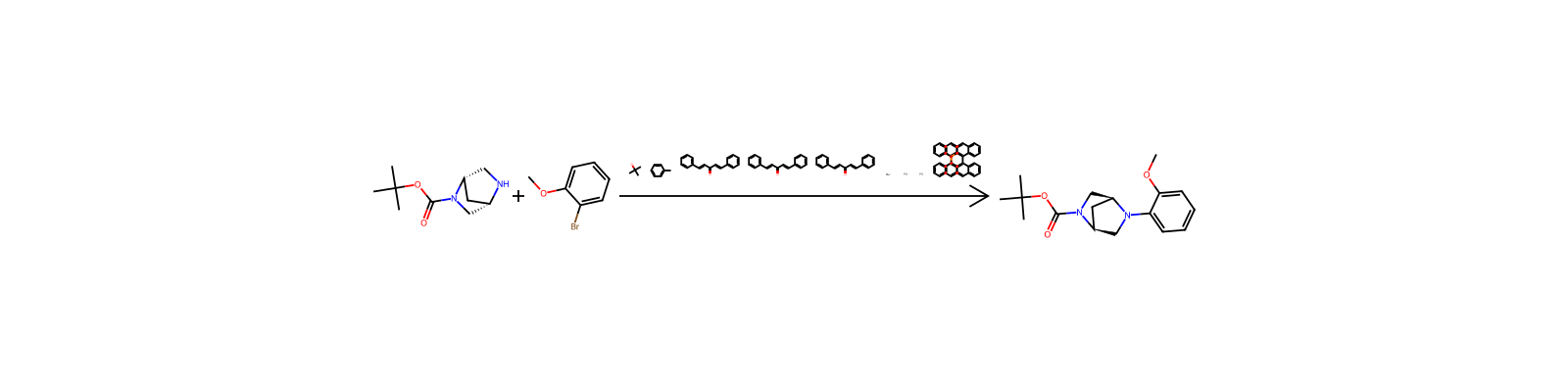
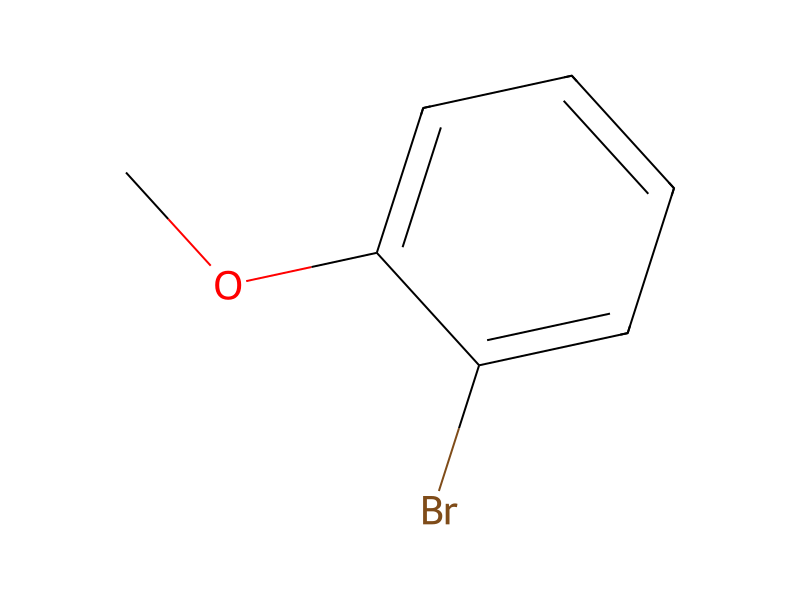
2-Bromoanisole
Completing data — refresh the page later to see the latest
Basic information
- CAS
578-57-4- Standard SMILES
COc1ccccc1Br- InChIKey
HTDQSWDEWGSAMN-UHFFFAOYSA-N- Molecular formula
- C7H7BrO
- Average molar mass
- 187.03 g/mol
- Monoisotopic mass
- 185.96802694
Names & identifiers
- Preferred name
- 2-Bromoanisole
- IUPAC
- 1-bromo-2-methoxybenzene
- English name
- 2-Bromoanisole
- Molecular formula
- C7H7BrO
- Molecular weight
- 187.03
Names & synonyms
2-Bromoanisole1-BROMO-2-METHOXYBENZENE578-57-4o-BromoanisoleBenzene, 1-bromo-2-methoxy-2-Methoxybromobenzeneo-Anisyl bromide2-Bromo-1-methoxybenzene2-Methoxyphenyl bromideAnisole, o-bromo-o-Methoxybromobenzeneo-Methoxyphenyl bromide
Show more names
2-BROMOANISOL2-broMoaniolseo-bromo-anisolO-Bromoanisoleso-anisylbromide
o-Bromophenyl methyl etherX3XAZ6R3FLNSC 6977EINECS 209-425-8BRN 1859996AI3-01057NSC-69772-Bromo-3-methoxybenzene
Database identifiers
- CAS
578-57-4- PubChem CID
- 11358
- DTXSID
DTXSID4060367- UNII
- X3XAZ6R3FL
- EC Number
- 209-425-8
- Nikkaji
- J7.426H
Properties
Computed structural propertiesFilling in
- XLogP
- 2.9
- Topological polar surface area
- 9.2 Ų
- Hydrogen bond donors
- 0
- Hydrogen bond acceptors
- 1
- Rotatable bonds
- 1
- Heavy atoms
- 9
- Formal charge
- 0
- Complexity
- 85
Experimental & physicochemical properties
Chemical ClassesOther Classes -> Halogenated Anisoles
SpringerMaterials Properties13C nuclear magnetic resonance spectrum
LogP2.87
Vapor Pressure0.28 [mmHg]
Physical DescriptionColorless liquid; [Alfa Aesar MSDS]
Physicochemical properties
- Melting point
- 2 °C · 2 °C (lit.)
- Boiling point
- 223 °C · 223 °C (lit.)
- Density
- 1.502 g/mL · 1.502 g/mL at 25 °C (lit.)
- refractive index
- 20 · n20/D 1.573(lit.)
- Flash point
- 206 °F · 206 °F
- storage temp.
- Keep in dark place,Inert atmosphere,Room temperature
- solubility
Safety & regulation
Safety information is for reference only and does not replace the supplier’s Safety Data Sheet (SDS), applicable regulations, or professional assessment.
GHS classification
GHS Classification
This chemical does not meet GHS hazard criteria for 6.1% (2 of 33) of reports.
Warning
H315 (15.2%): Causes skin irritation [Warning Skin corrosion/irritation]
P264, P264+P265, P273, P280, P302+P352, P305+P351+P338, P321, P332+P317, P337+P317, P362+P364, P391, and P501 (click each P-code to see the statement)
Aggregated GHS information provided per 33 reports by companies from 6 notifications to the ECHA C&L Inventory. Each notification may be associated with multiple companies.
Hazard information
Regulatory InformationBenzene, 1-bromo-2-methoxy-: Does not have an individual approval but may be used under an appropriate group standard
Hazards SummaryCauses tetany in oral lethal-dose studies of mice and rats; Causes ataxia, coma, and cough in inhalation lethal-concentration studies of mice; [RTECS] May cause irritation; [Alfa Aesar MSDS] See 4-Bromoanisole and 3-Bromoanisole.
Hazard Classes and CategoriesSkin Irrit. 2 (15.2%)
Toxicology
Adverse EffectsNeurotoxin - Acute solvent syndrome
Toxicity DataLC50 (mouse) = 20 mg/m3
Safety data
- F
- 8-10-23
- PPE
- Eyeshields, Gloves
- wgk
- 2
Chemistry & industry
Uses & manufacturing
General Manufacturing InformationBenzene, 1-bromo-2-methoxy-: ACTIVE
Applications
Uses2-Bromoanisole was used in the synthesis of unsymmetrical substituted biphenyl compounds, used to produce (2-methoxy-phenyl)-acetone at the temperature of 100°C.
Uses2-Bromoanisole was used in the synthesis of unsymmetrically substituted biphenyl compounds. It was also used in the preparation of the family of exo-[n.m.n.m]metacyclophanes (n,m > or = 3).
General DescriptionDiffusion coefficients of 2-bromoanisole at infinite dilution in supercritical carbon dioxide has been evaluated by Taylor-Aris chromatographic technique.
Upstream & downstream products
Upstream raw materials
Downstream products
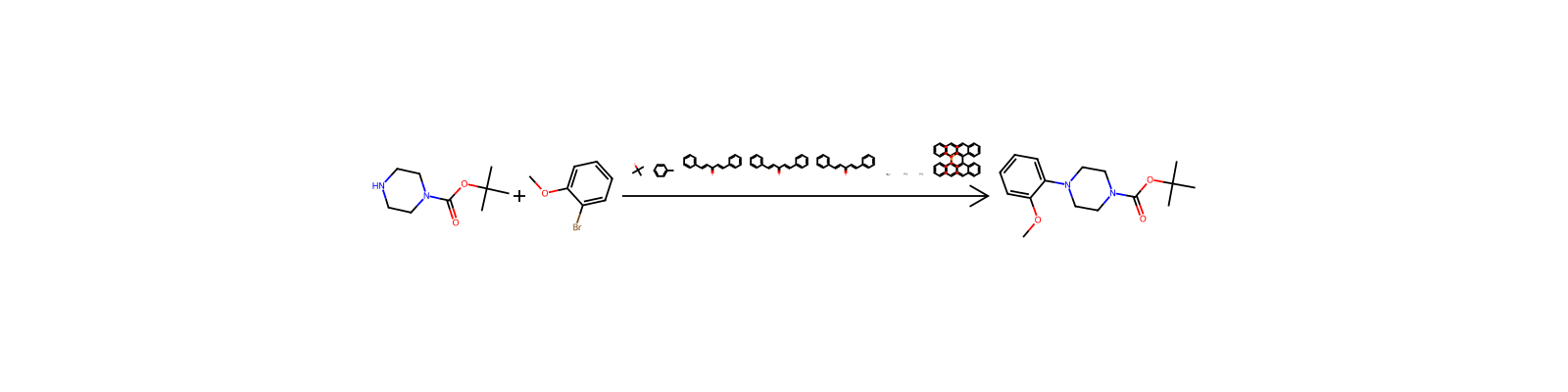
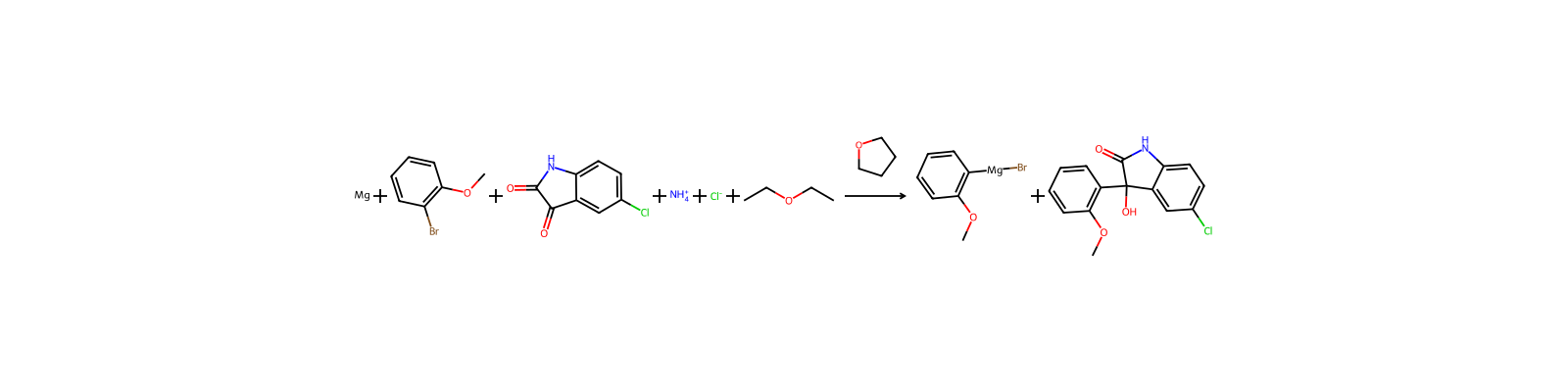
Related reactions
261 records



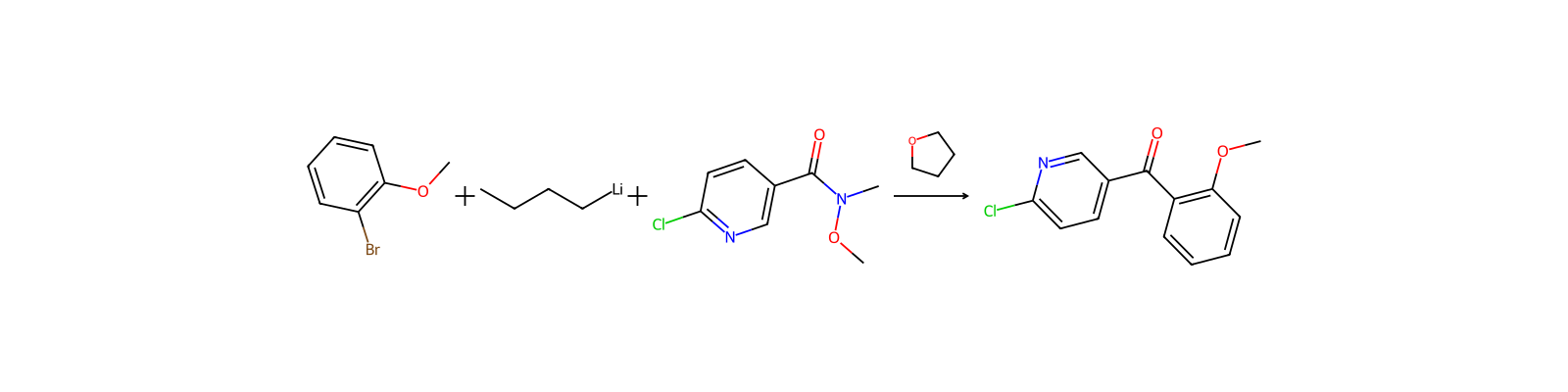
Compound notes
Loading…