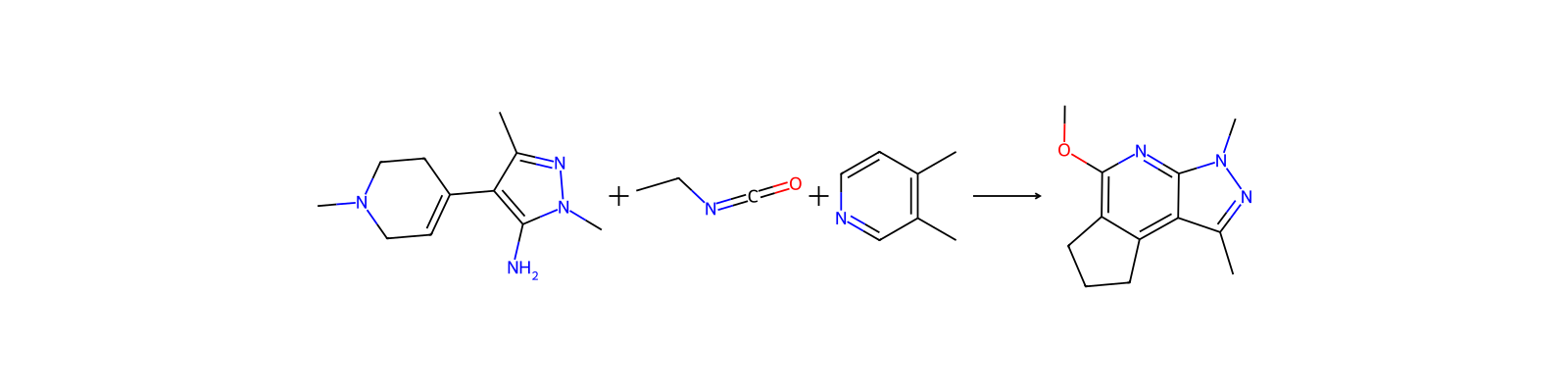
HRID 65019As reactant

583-58-4Cc1ccncc1CNURQLCJSMXZBPC-UHFFFAOYSA-N583-58-4DTXSID1052244FCS -> FDA Cumulative Estimated Daily Intake (CEDI)
FCS -> FDA Inventory of Food Contact Substances Listed in 21 CFR
Safety information is for reference only and does not replace the supplier’s Safety Data Sheet (SDS), applicable regulations, or professional assessment.
Danger
H226 (97.9%): Flammable liquid and vapor [Warning Flammable liquids]
P210, P233, P240, P241, P242, P243, P261, P262, P264, P264+P265, P270, P271, P280, P301+P316, P301+P317, P302+P352, P303+P361+P353, P304+P340, P305+P351+P338, P316, P319, P321, P330, P332+P317, P337+P317, P361+P364, P362+P364, P370+P378, P403+P233, P403+P235, P405, and P501 (click each P-code to see the statement)
Aggregated GHS information provided per 47 reports by companies from 6 notifications to the ECHA C&L Inventory. Each notification may be associated with multiple companies.
Chemical: Pyridine, 3,4-dimethyl-
Commission Regulation (EC) No 1565/2000 (Repealed by Com. Implementing Reg. (EU) No 872/2012)
3,4-Dimethylpyridine: Does not have an individual approval but may be used under an appropriate group standard
Uses3,4-Lutidine is used as an intermediate in the preparation of active pharmaceutical ingredient. It is used to prepare tetrhydropyridine derivatives by reduction.