
Basic information
- CAS
578-86-9- Standard SMILES
O=C1C[C@@H](c2ccc(O)cc2)Oc2cc(O)ccc21- InChIKey
FURUXTVZLHCCNA-AWEZNQCLSA-N- Molecular formula
- C15H12O4
- Average molar mass
- 256.25 g/mol
- Monoisotopic mass
- 256.07355886
Overview
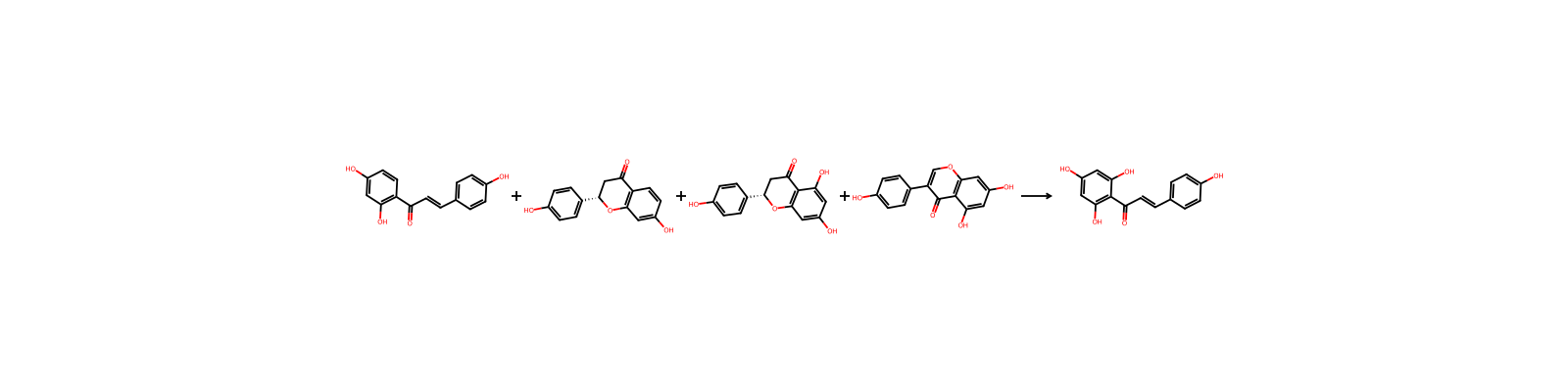
Liquiritigenin is a dihydroxyflavanone compound having the two hydroxy substituents at the 4'- and 7-positions. Isolated from the root of Glycyrrhizae uralensis, it is a selective agonist for oestrogen receptor beta. It has a role as a hormone agonist and a plant metabolite.
Names & identifiers
- Preferred name
- Liquiritigenin
- IUPAC
- (2S)-7-hydroxy-2-(4-hydroxyphenyl)-2,3-dihydrochromen-4-one
- English name
- LIQUIRITIGENIN
- Molecular formula
- C15H12O4
- Molecular weight
- 256.25
Names & synonyms
Liquiritigenin578-86-9(2S)-liquiritigenin7,4'-Dihydroxyflavanone(-)-liquiritigenin(2S)-7-hydroxy-2-(4-hydroxyphenyl)-2,3-dihydrochromen-4-oneT194LKP9W6(2S)-7-Hydroxy-2-(4-hydroxyphenyl)-2,3-dihydro-4H-1-benzopyran-4-oneCHEBI:28777DTXSID902064934H-1-Benzopyran-4-one, 2,3-dihydro-7-hydroxy-2-(4-hydroxyphenyl)-, (2S)-4H-1-Benzopyran-4-one, 2,3-dihydro-7-hydroxy-2-(4-hydroxyphenyl)-, (S)-
Show more names
4',7-DIHYDROXYFLAVANONEGlycyrrhizin R-19Aids095895Aids-095895LiquiritigrninS-liquiritigenin
RefChem:41450DTXCID90128984(S)-7-Hydroxy-2-(4-hydroxyphenyl)chroman-4-one5-DEOXYFLAVANONELIQUIRTIGENINMFCD00287289(S)-liquiritigenin7-hydroxy-2-(4-hydroxy-phenyl)-chroman-4-one
Database identifiers
- CAS
578-86-9
Properties
Computed structural properties
- XLogP
- 2.2
- Topological polar surface area
- 66.8 Ų
- Hydrogen bond donors
- 2
- Hydrogen bond acceptors
- 4
- Rotatable bonds
- 1
- Heavy atoms
- 19
- Formal charge
- 0
- Complexity
- 335
Experimental & physicochemical properties
DrugsPharmaceuticals -> Listed in ZINC15
LipidsPolyketides [PK] -> Flavonoids [PK12] -> Flavanones [PK1214]
SpringerMaterials PropertiesChemical shift
Endocrine DisruptorsPotential endocrine disrupting compound
Melting Point203 - 205 °C
Physical DescriptionSolid
Physicochemical properties
- Melting point
- 206 · 206-208°C
- Boiling point
- 529.5 · 529.5±50.0 °C(Predicted)
- Density
- 1.386 · 1.386±0.06 g/cm3(Predicted)
- Flash point
- 207 ℃ · 207℃
- storage temp.
- 2 · under inert gas (nitrogen or Argon) at 2-8°C
- solubility
- 125 mg/mL · DMSO : 125 mg/mL (487.80 mM; Need ultrasonic)
Safety & regulation
Safety data
- wgk
- 3
- hs_code
- 29329990
- Signal word
- Warning
- Symbol(GHS)
- GHS07
- Storage Class
- 11 - Combustible Solids
- Hazard statements
- H315-H319-H335
- Precautionary statements
- P261-P305+P351+P338
Chemistry & industry
Pharmacology
Mechanism of Action
MF101 promoted ERbeta, but not ERalpha, activation of an estrogen response element (ERE) upstream of the luciferase reporter gene. MF101 also selectively regulates transcription of endogenous genes through ERbeta. The ERbeta-selectivity was not due to differential binding, since MF101 binds equally to ERalpha and ERbeta. Fluorescence resonance energy transfer and protease digestion studies showed that MF101 produces a different conformation in ERalpha from ERbeta, when compared with the conformations produced by estradiol. The specific conformational change induced by MF101 allows ERbeta to bind to an ERE and recruit coregulatory proteins that are required for gene activation. MF101 did not activate the ERalpha-regulated proliferative genes, c-myc and cyclin D1, or stimulate MCF-7 breast cancer cell proliferation or tumor formation in a mouse xenograft model.
Cellular LocationsMembrane
Applications
DescriptionLiquiritigenin is an active estrogenic component in extracts of Glycyrrhizae radix. Glycyrrhizae radix (G. radix, licorice, liquorice) is frequently used for life-enhancing properties, for the treatment of injury or swelling, for detoxification in traditional Oriental medicine, as well as a food supplement in many of the countries in the world. Liquiritigenin is a selective estrogen receptor-β (ERβ) agonist. Liquiritigenin activates multiple ER regulatory elements and native target genes with ERβ but not ERα. The ERβ-selectivity of liquiritigenin is due to the selective recruitment of the coactivator steroid receptor coactivator-2 to target genes. As the targeting ERβ is associated with anti-inflammatory effects, liquiritigenin exerts anti-inflammatory effects. Liquiritigenin is also reported to antihyperlipidemic, antiallergic and antihepatocellular carcinoma effects.
UsesLiquiritigenin has been used:to study its inhibitory effect on tumor metastasis in the treatment of colorectal canceras a reference standard for ultra-performance liquid chromatography (UPLC) of Chaihu-Shugan-San (CSS) extractas a potential antiviral drug against hepatitis C virus (HCV) infection
Liquiritigenin is a flavonoid and an estrogenic compound found in licorice (Glycyrrhizae radix) root extract and several other plants.
Related reactions
1 records
Compound notes
Loading…