HomeMCPWorkbenchSkills
HomeWorkbenchNotificationsMe
llms.txt · MCP GuidePrivacy Policy · Terms of Service · Supportv1.8.0
  1. Home
  2. /Compound

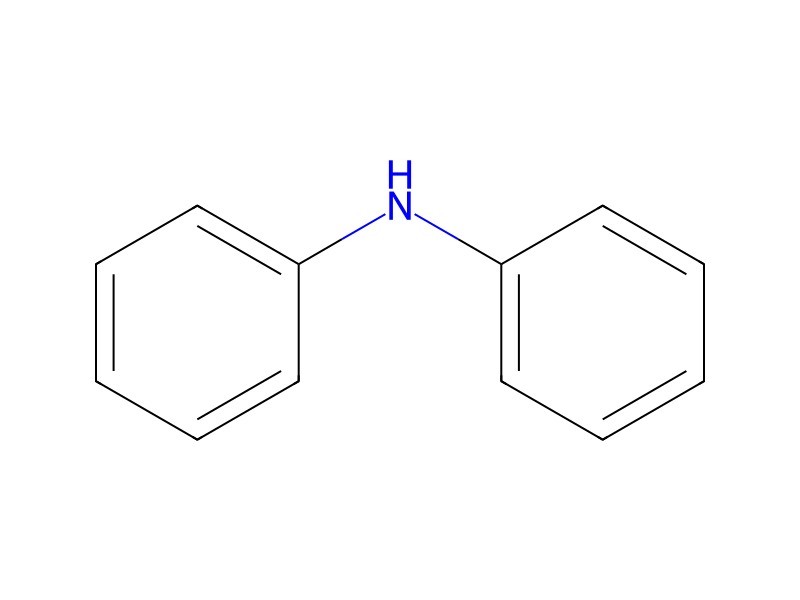
Diphenylamine

HCID 11487
New noteNew reactionRequest quotes
Print preview

Completing data — refresh the page later to see the latest
Basic informationOverviewNames & identifiersPropertiesSafety & regulationChemistry & industryRelated reactionsCompound notes
Substructure searchFind similar structures

Basic information

CAS
122-39-4
Standard SMILES
c1ccc(Nc2ccccc2)cc1
InChIKey
DMBHHRLKUKUOEG-UHFFFAOYSA-N
Molecular formula
C12H11N
Average molar mass
169.22 g/mol
Monoisotopic mass
169.08914935

Overview

Diphenylamine is a light tan to brown solid with a pleasant odor. Sinks in water. (USCG, 1999)

Names & identifiers

Preferred name
Diphenylamine
IUPAC
N-phenylaniline
English name
Diphenylamine
Molecular formula
C12H11N
Molecular weight
169.22

Names & synonyms

DiphenylamineN-Phenylaniline122-39-4N,N-DIPHENYLAMINEN-PhenylbenzenamineAnilinobenzenePhenylanilineScaldipBig DipperN-PhenylbenzeneamineBenzenamine, N-phenyl-Aniline, N-phenyl-
Show more names
DPADFADiphenylaminBenzenamine,N-phenyl-DiphenylanilineDiphenylamine, synthesis gradeZ-876OA-505CORAZA
No-ScaldBenzene, anilino-DifenylaminDeccoscald 282Naugalube 428LN-FenylanilinShield DPANo-Scald DPA 283

Database identifiers

CAS
122-39-4、68442-68-2
PubChem CID
11487
DTXSID
DTXSID4021975
ChEMBL
CHEMBL38688
ChEBI
CHEBI:4640
UNII
9N3CBB0BIQ
EC Number
204-539-4
Nikkaji
J2.493G

Properties

Computed structural propertiesFilling in

XLogP
3.5
Topological polar surface area
12 Ų
Hydrogen bond donors
1
Hydrogen bond acceptors
1
Rotatable bonds
2
Heavy atoms
13
Formal charge
0
Complexity
116

Experimental & physicochemical properties

Chemical ClassesDye
PolymersNitrogen Compounds -> Amines, Polyaromatic
SpringerMaterials PropertiesAngular frequency
FragrancesFragrance substance (Diphenylamine) -> IFRA amendment 38
Pesticides · 4 items

Pesticide -> EPA IRIS

Plant Growth Regulators

Active substance -> EU Pesticides database: Not approved

Pesticide (Diphenylamine (DPA)) -> USDA PDB

LogP · 4 items

log Kow = 3.50

3.50

3.5

3.57

OdorPleasant, floral odor.
Density · 6 items

1.068 at 141.8 °F (USCG, 1999) - Denser than water; will sink

1.16

1.2 g/cm³

1.16

1.158 @ 22°C

1.16

Color/Form · 3 items

Safety & regulation

Safety information is for reference only and does not replace the supplier’s Safety Data Sheet (SDS), applicable regulations, or professional assessment.

GHS classification

GHS Classification · 6 items

Danger

H301: Toxic if swallowed [Danger Acute toxicity, oral]

P260, P261, P262, P264, P270, P271, P273, P280, P301+P316, P302+P352, P304+P340, P316, P319, P321, P330, P361+P364, P391, P403+P233, P405, and P501 (click each P-code to see the statement)

Danger

H301+H311+H331 (10.1%): Toxic if swallowed, in contact with skin or if inhaled [Danger Acute toxicity, oral; acute toxicity, dermal; acute toxicity, inhalation]

P203, P260, P261, P262, P264, P264+P265, P270, P271, P273, P280, P301+P316, P302+P352, P304+P340, P305+P351+P338, P316, P318, P319, P321, P330, P337+P317, P361+P364, P391, P403+P233, P405, and P501 (click each P-code to see the statement)

Hazard information

Regulatory Information · 6 items

Chemical: Benzenamine, N-phenyl-

Hazard Traits - Carcinogenicity

Commission Regulation (EC) No 33/2008

Benzenamine, N-phenyl- is listed on the EPA's Chemical Data Reporting (CDR) system. Manufacturers and importers of Benzenamine, N-phenyl- are required to report information about their production and use of this chemical to the EPA under the Toxic Substances Control Act (TSCA). (40 eCFR Part 711)

Diphenylamine is listed in the dataset of EPA Human Health Benchmarks for Pesticides under the Safe Drinking Water Act (40 eCFR 141)

2009/859/EC, Reg. (EU) No 578/2012

Other Safety InformationEvaluation - Benzenamine, N-phenyl-
DOT LabelPoison
Fire Hazards · 2 items

Special Hazards of Combustion Products: Toxic oxides of nitrogen may form in fire.

Combustible. Gives off irritating or toxic fumes (or gases) in a fire. Finely dispersed particles form explosive mixtures in air.

Chemistry & industry

Pharmacology

Metabolism/Metabolites · 5 items

.../Diphenylamine/ has been converted to 4-hydroxydiphenylamine in rat and man. An antioxidant DPA actually promotes lipid hydroperoxide formation and oxygen consumption while markedly inhibiting generation of thiobarbituric acid reactive substances. /Diphenylamine/ abolishes formation of cyclooxygenase-dependent conversion products of arachidonate.

The urinary metabolites include 4-hydroxy-DPA, 4,4'-dihydroxy-DPA, and their conjugates. There is no evidence of N-hydroxylation.

...Fate of diphenylamine in dairy cow has been studied. None of the parent compound was detected in the milk or in urine, but small amount (1.4%) were identified in feces. The major metabolites were mono- and di-hydroxylated derivatives. Diphenylamine was rapidly metabolized by beef-liver microsomes.

Fifty percent of 5 ppm diphenylamine disappeared during a 30-minute incubation with liver extract. It was /suggested/ that microsomal hydroxylation of diphenylamine occurs, followed by conjugation and elimination.

Diphenylamine has known human metabolites that include Diphenylamine N-glucuronide.

Absorption, Distribution and Excretion · 4 items

...Stated to be less readily absorbed through the skin and respiratory tract /than aniline/.

After administration of diphenylamine (5 ppm) in feed to holstein cow for 4 days, 1.4% of dose detected in feces but none in urine or milk.

A Holstein cow was fed diphenylamine at 5 ppm in the diet for 4 days. Residues of diphenylamine were not detected in the milk or urine, and only in small amounts (1.4%) of the total dose were detected in the feces.

Diphenylamine is readily absorbed through inhalation and skin contact.

Cellular LocationsMembrane

Uses & manufacturing

Uses · 6 items

Used as an antioxidant, stabilizer of explosives, fungicide, and analytical chemical reagent; also used in the manufacture of dyes and pesticides; [ACGIH] Used to make dyes, to stabilize nitrocellulose explosives and celluloid, to treat screwworm topically (veterinary), and to test for nitrate or nitrite poisoning; [Merck Index]

Related reactions

317 records
New reaction record
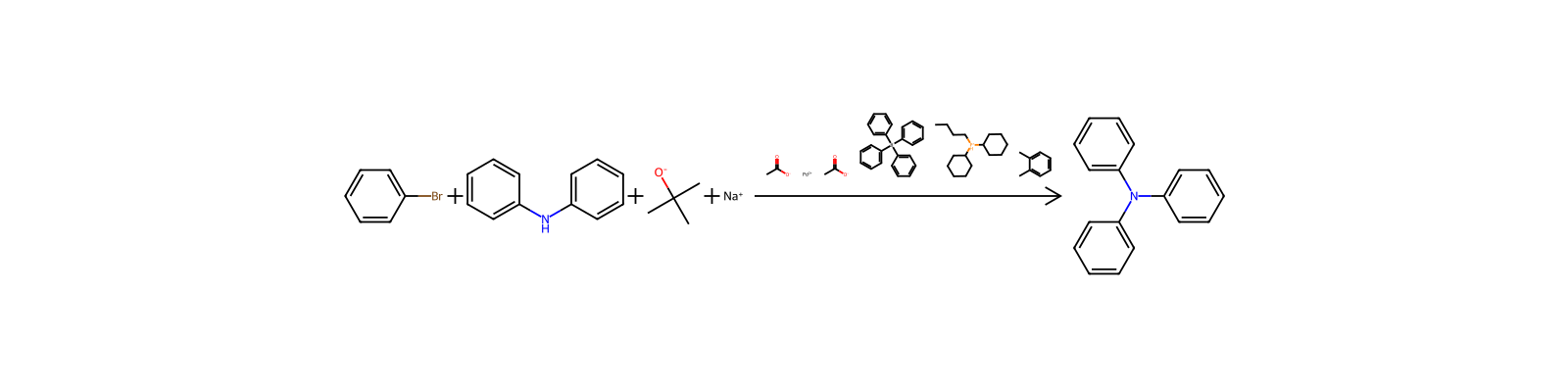
HRID 2403 reaction equation
HRID 2403As reactantuspto-grants-1998_03
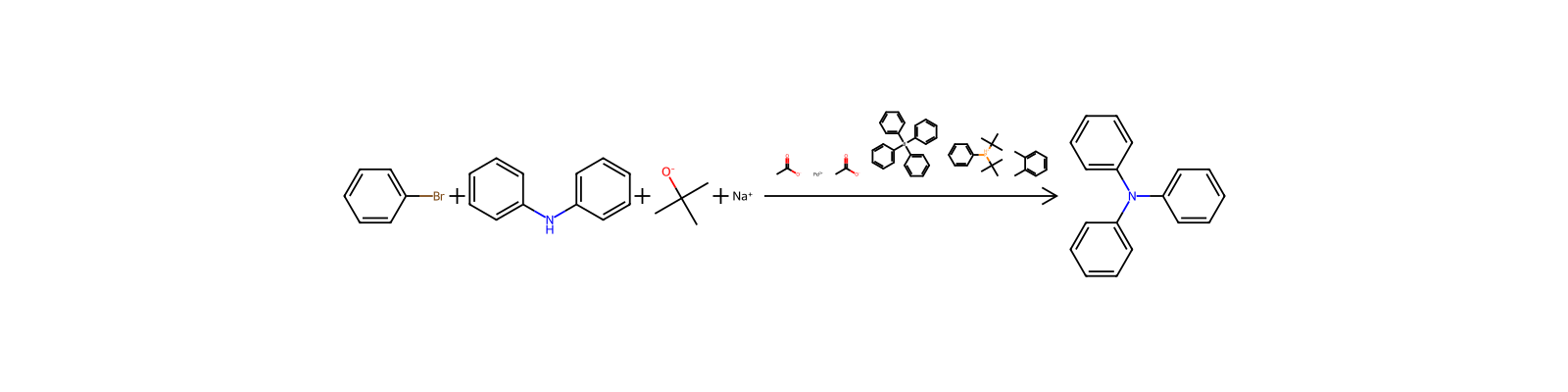
HRID 7265 reaction equation
HRID 7265As reactantuspto-grants-2006_08
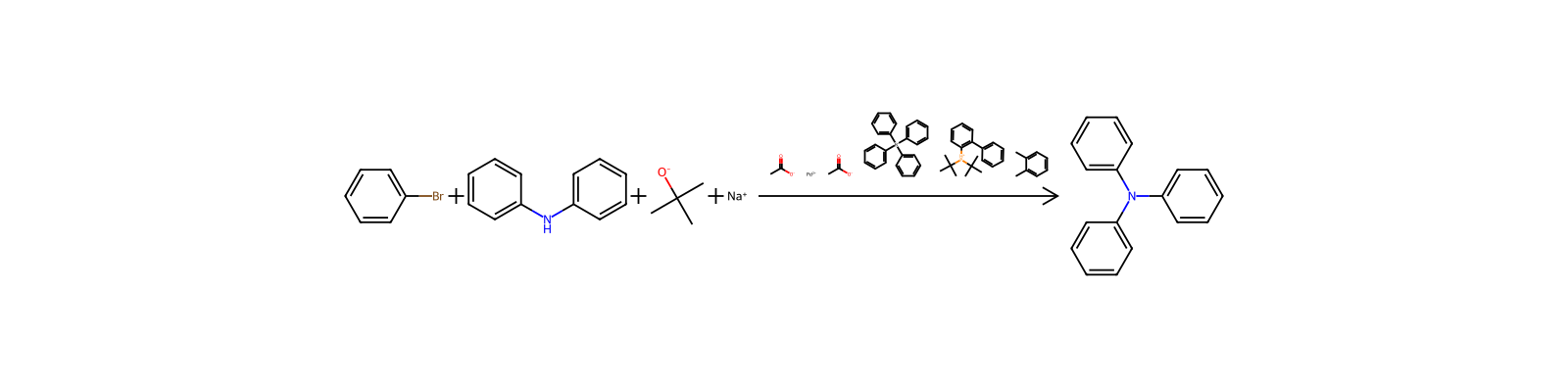
HRID 13886 reaction equation
HRID 13886As reactantuspto-grants-2010_06
HRID 13905 reaction equation
HRID 13905As reactantuspto-grants-2010_06
HRID 13907 reaction equation
HRID 13907As reactantuspto-grants-2010_06
HRID 13908 reaction equation
HRID 13908As reactantuspto-grants-2010_06
HRID 13909 reaction equation
HRID 13909As reactantuspto-grants-2010_06
HRID 13910 reaction equation
HRID 13910As reactantuspto-grants-2010_06
Page 1 of 40

Compound notes

Loading…

On this pageBasic informationOverviewNames & identifiersPropertiesSafety & regulationChemistry & industryRelated reactionsCompound notes
More actions
New noteNew reactionRequest quotes

Monoclinic leaflets from dilute alcohol

Crystals

Colorless, tan, amber, or brown crystalline solid.

Solubility · 6 items

less than 1 mg/mL at 61 °F (NTP, 1992)

1 g dissolves in 2.2 ml of alcohol, 4 ml propyl alcohol; Freely sol in benzene, ether, glacial acetic acid, carbon disulfide.

Very sol in ethanol, acetone, benzene, carbon tetrachloride, pyridine, ethyl acetate; sol in ether, acetic acid; slightly sol in chloroform

Soluble in oxygenated and aromatic solvents

In water, 53 mg/liter @ 20 °C

0.053 mg/mL at 20 °C

Flash Point · 6 items

307 °F (NTP, 1992)

307 °F

153 °C OC

153 °C c.c.

307 °F

307 °F

Human DrugsPharmaceuticals

Physicochemical properties

Melting point
52 °C · 52 °C
Boiling point
302 °C · 302 °C(lit.)
Density
1.16 · 1.16
bulk density
610 kg/m3 · 610kg/m3
vapor density
5.82 · 5.82 (vs air)
vapor pressure
1 mm · 1 mm Hg ( 108 °C)
refractive index
1.5785 · 1.5785 (estimate)
Flash point
307 °F · 307 °F
storage temp.
30 °C · Store below +30°C.
solubility
alcohol: passes test
form
crystalline
pka
0.79 · 0.79(at 25℃)
color
tan
Odor
Floral odor
Water Solubility
0.03 g/100 · Slightly soluble. 0.03 g/100 mL
Sensitive
Air & Light Sensitive
Merck
14 · 14,3317
BRN
508755 · 508755
Henry's Law Constant
3.7 · 3.7×100 mol/(m3Pa) at 25℃, Duchowicz et al. (2020)
Exposure limits
10 mg/m3 · PC-TWA:10 mg/m3
Dielectric constant
3.3 · 3.3(11℃)
Stability
Stable; may discolour on exposure to light. Incompatible with strong acids, strong oxidizing agents.
InChI
1S/C12H11N/c1-3-7-11(8-4-1)13-12-9-5-2-6-10-12/h1-10,13H
InChIKey
DMBHHRLKUKUOEG-UHFFFAOYSA-N
SMILES
N(c1ccccc1)c2ccccc2
LogP
3.82 at · 3.82 at 20.2℃
CAS DataBase Reference
122 · 122-39-4(CAS DataBase Reference)
Indirect Additives used in Food Contact Substances
DIPHENYLAMINE
FDA 21 CFR
175.105 · 175.105; 175.300; 176.170;176.180; 177.2600
EWG's Food Scores
3 · 3-6
FDA UNII
9 N3CBB0BIQ · 9N3CBB0BIQ
NIST Chemistry Reference
Diphenylamine(122-39-4)
EPA Substance Registry System
Diphenylamine (122-39-4)
Pesticides Freedom of Information Act (FOIA)
Diphenylamine
UNSPSC Code
77101502 · 77101502
NACRES
24 · NA.24
Symbol(GHS)
5 · GHS05,GHS06,GHS08,GHS09
Signal word
Danger
Hazard statements
301 · H301+H311+H331-H318-H361-H372-H370-H317-H410
Precautionary statements
501 · P501-P273-P272-P260-P270-P202-P201-P271-P264-P280-P391-P308+P311-P361+P364-P333+P313-P301+P310+P330-P302+P352+P312-P304+P340+P311-P305+P351+P338+P310-P403+P233-P405
target organs
Kidney,Liver,spleen
PPE
95 · dust mask type N95 (US), Eyeshields, Faceshields, Gloves, type P2 (EN 143) respirator cartridges
Hazard Codes
T,N,F
Risk Statements
23 · 23/24/25-33-50/53-52/53-39/23/24/25-11-51/53
Safety Statements
28 · 28-36/37-45-60-61-28A-16-7
OEB
B
OEL
10 mg/m3 · TWA: 10 mg/m3
RIDADR
3077 · UN 3077 9/PG 3
WGK Germany
3 · 3
RTECS
7800000 · JJ7800000
F
8 · 8-10-23
Autoignition Temperature
630 °C · 630 °C DIN 51794
TSCA
TSCA listed
HS Code
2921 · 2921 44 00
HazardClass
6.1 · 6.1
PackingGroup
III
Storage Class
6.1 C · 6.1C - Combustible acute toxic Cat.3toxic compounds or compounds which causing chronic effects
Hazard Classifications
3 DermalAcute · Acute Tox. 3 DermalAcute Tox. 3 InhalationAcute Tox. 3 OralAquatic Acute 1Aquatic Chronic 1STOT RE 2
Hazardous Substances Data
122 · 122-39-4(Hazardous Substances Data)
Toxicity
50 orally · LD50 orally in Rabbit: 1120 mg/kg LD50 dermal Rabbit > 5000 mg/kg
REACH Registrations
Active
Limited Quantities
5 L · 5.0 L (1.3 gallons) (liquid) or 5.0 kg (11 lbs) (solid)
Excepted Quantities
Max Inner Pack (30g or 30ml) and Max Outer Pack (1Kg or 1L)
Fire Potential
Combustible when exposed to heat or flame.
Health HazardsInhalation may irritate mucous membranes. Overexposure, including ingestion of solid or skin contact, may cause fast pulse, hypertension, and bladder trouble. Contact with dust irritates eyes. (USCG, 1999)
Hazards Summary · 1 item

The toxicity of diphenylamine is similar to that of aniline. Hepatotoxic effects have been demonstrated in animals. It can cause bladder irritation and induce methemoglobinemia in workers. As a skin sensitizer it cross-reacts with p-phenylene diamine. [ACGIH] May have effects on the kidneys and blood; A skin, eye, and respiratory tract irritant; [ICSC]

Reactive GroupAmines, Aromatic
EC ClassificationSymbol: T, N; R: 23/24/25-33-50/53; S: (1/2)-28-36/37-45-60-61
UN ClassificationUN Hazard Class: 9; UN Pack Group: III; UN Pack Group: II
TSCA Requirements · 2 items

Pursuant to section 8(d) of TSCA, EPA promulgated a model Health and Safety Data Reporting Rule. The section 8(d) model rule requires manufacturers, importers, and processors of listed chemical substances and mixtures to submit to EPA copies and lists of unpublished health and safety studies. Diphenylamine is included on this list.

Section 8(a) of TSCA requires manufacturers of this chemical substance to report preliminary assessment information concerned with production, exposure, and use to EPA as cited in the preamble in 51 FR 41329.

FIFRA Requirements · 3 items

As the federal pesticide law FIFRA directs, EPA is conducting a comprehensive review of older pesticides to consider their health and environmental effects and make decisions about their future use. Under this pesticide reregistration program, EPA examines health and safety data for pesticide active ingredients initially registered before November 1, 1984, and determines whether they are eligible for reregistration. In addition, all pesticides must meet the new safety standard of the Food Quality Protection Act of 1996. Pesticides for which EPA had not issued Registration Standards prior to the effective date of FIFRA '88 were divided into three lists based upon their potential for human exposure and other factors, with List B containing pesticides of greater concern and List D pesticides of less concern. Diphenylamine is found on List B. Case No: 2210; Pesticide type: fungicide, herbicide; Case Status: RED Approved 9/1997; OPP has made a decision that some/all uses of the pesticide are eligible for reregistration, as reflected in a Reregistration Eligibility Decision (RED) document .; Active ingredient (AI): diphenylamine; Data Call-in (DCI) Date(s): 01/10/1991, 10/13/1995; AI Status: OPP has completed a Reregistration Eligibility Decision (RED) for the case/AI.

Tolerances for residues of the plant growth regulator diphenylamine are established in or on the following commodities: Apple, wet pomace; apple from preharvest or postharvest use, including use of impregnated wraps; cattle, fat; cattle, liver; cattle, meat byproducts, except liver; cattle, meat; goat, fat; goat, liver; goat, meat byproducts, except liver; goat, meat; horse, fat; horse, liver; horse, meat byproducts, except liver; horse, meat; milk; sheep, fat; sheep, liver; sheep, meat byproducts, except liver; and sheep, meat.

A time-limited tolerance is established for the indirect or inadvertent residues of diphenylamine in or on the following commodity: pear (Expiration/Revocation Date: 12/1/01).

Safety & protection

Fire Fighting · 2 items

Fire Extinguishing Agents Not to Be Used: Water or foam may cause frothing.

Use water spray, powder, alcohol-resistant foam, carbon dioxide.

First Aid Measures · 4 items

Fresh air, rest.

Rinse and then wash skin with water and soap.

Rinse with plenty of water for several minutes (remove contact lenses if easily possible).

Rinse mouth. Give one or two glasses of water to drink.

First Aid · 2 items

EYES: First check the victim for contact lenses and remove if present. Flush victim's eyes with water or normal saline solution for 20 to 30 minutes while simultaneously calling a hospital or poison control center. Do not put any ointments, oils, or medication in the victim's eyes without specific instructions from a physician. IMMEDIATELY transport the victim after flushing eyes to a hospital even if no symptoms (such as redness or irritation) develop.

(General first aid procedures)

Safe StorageProvision to contain effluent from fire extinguishing. Separated from strong acids and oxidants. Store in an area without drain or sewer access.
Exposure Control and Personal Protection · 2 items

Biological Exposure Indices (BEI) [ACGIH] - Methemoglobin in blood = 1.5% of hemoglobin during or at end of shift. [ACGIH]

5.0 [mg/m3], inhalable fraction[German Research Foundation (DFG)]

Fire Fighting ProceduresFoam, dry chemical, carbon dioxide. ...Water or foam may cause frothing
Storage Conditions · 3 items

In general, materials which are toxic as stored or which can decompose into toxic components...should be stored in a cool, well-ventilated place, out of direct rays of the sun, away from areas of high fire hazard, and should be periodically inspected... Incompatible materials should be isolated from each other.

Keep protected from light.

/Store/ separated from strong acids, oxidants.

Cleanup MethodsSweep spilled substance into containers; if appropriate, moisten first to prevent dusting, then remove to safe place
Nonfire Spill Response · 1 item

SMALL SPILLS AND LEAKAGE: Should a spill occur while you are handling this chemical, FIRST REMOVE ALL SOURCES OF IGNITION, then you should dampen the solid spill material with 60-70% ethanol and transfer the dampened material to a suitable container. Use absorbent paper dampened with 60-70% ethanol to pick up any remaining material. Seal the absorbent paper, and any of your clothes, which may be contaminated, in a vapor-tight plastic bag for eventual disposal. Solvent wash all contaminated surfaces with 60-70% ethanol followed by washing with a soap and water solution. Do not reenter the contaminated area until the Safety Officer (or other responsible person) has verified that the area has been properly cleaned.

Disposal Methods · 2 items

SRP: The most favorable course of action is to use an alternative chemical product with less inherent propensity for occupational exposure or environmental contamination. Recycle any unused portion of the material for its approved use or return it to the manufacturer or supplier. Ultimate disposal of the chemical must consider: the material's impact on air quality; potential migration in soil or water; effects on animal, aquatic, and plant life; and conformance with environmental and public health regulations.

Burn in admixture with flammable solvent in furnace equipped with afterburner and scrubber. Recommendable methods: Incineration ... .

Spillage Disposal · 1 item

Personal protection: particulate filter respirator adapted to the airborne concentration of the substance. Do NOT let this chemical enter the environment. Sweep spilled substance into covered containers. If appropriate, moisten first to prevent dusting. Then store and dispose of according to local regulations.

Preventive Measures · 4 items

SRP: The scientific literature for the use of contact lenses in industry is conflicting. The benefit or detrimental effects of wearing contact lenses depend not only upon the substance, but also on factors including the form of the substance, characteristics and duration of the exposure, the uses of other eye protection equipment, and the hygiene of the lenses. However, there may be individual substances whose irritating or corrosive properties are such that the wearing of contact lenses would be harmful to the eye. In those specific cases, contact lenses should not be worn. In any event, the usual eye protection equipment should be worn even when contact lenses are in place.

The worker should wash daily at the end of each work shift.

Work clothing that becomes wet or significantly contaminated should be removed and replaced.

Workers whose clothing may have become contaminated should change into uncontaminated clothing before leaving the work premises.

Toxicology

Interactions · 3 items

Diphenylamine (5 mg) together with sodium nitrite (15 mg) fed to rats greatly decreased growth of animals. Kidney and liver toxicities and papillomatous hyperplasia of bladder observed in rats fed diphenylamine and sodium nitrite.

The toxicity of halogenated hydrocarbons such as carbon tetrachloride, hexachlorophene, and bithionol sulfoxide, used in veterinary medicine was diminished by the prior or simultaneous administration of diphenylamine (0.1-10% of the admin hydrocarbon).

...Dimethyl sulfoxide lessened the incidence of papillary lesions from diphenylamine.

Target Organs · 2 items

Hepatic

Eyes, skin, respiratory system, cardiovascular system, blood, bladder, reproductive system

Ecotoxicity Values · 4 items

LC50 Brachydanio rerio (Zebrafish) 2.2 mg/L/48 hr /Conditions of bioassay not specified/

LC50 Oryzias latipes (Japanese medaka) 5.1 mg/L/48 hr /Conditions of bioassay not specified/

LC50 Pimephales promelas (Fathead minnow, 31 day old) 3.79 mg/L/96 hr @ 24.9 °C (95% CI: 3.47-4.14 mg/L); flow through, dissolved oxygen 7.3 mg/L, hardness 48.0 mg/L as calcium carbonate, alkalinity 43.1 mg/L as calcium carbonate, pH 7.8 /99+% pure/

EC50 Pimephales promelas (Fathead minnow, 31 day old) affected fish lost schooling behavior, were hypoactive, swam near the tank bottom and were darly colored. 3.63 mg/L/96 hr @ 24.9 °C (95% CI: 3.31-3.99 mg/L); flow through, dissolved oxygen 7.3 mg/L, hardness 48.0 mg/L as calcium carbonate, alkalinity 43.1 mg/L as calcium carbonate, pH 7.8 /99+% pure/

Environmental Fate · 3 items

TERRESTRIAL FATE: Based on a classification scheme(1), an estimated Koc value of 1,900(SRC), determined from a log Kow of 3.50(2) and a regression-derived equation(3), indicates that N,N-diphenylamine is expected to have low mobility in soil(SRC). Volatilization of N,N-diphenylamine from moist soil surfaces is expected to be an important fate process(SRC) given an estimated Henry's Law constant of 2.7X10⁻⁶ atm-cu m/mole(SRC) derived from its vapor pressure, 6.7X10⁻⁴ mm Hg(4), and water solubility, 53 mg/liter(5). N,N-Diphenylamine is not expected to volatilize from dry soil surfaces(SRC) based upon its vapor pressure(4). N,N-Diphenylamine is not expected to biodegrade in soil based on aqueous screening tests(6). N,N-Diphenylamine, present at 30 mg/l, reached 0% of its theoretical BOD in 2 weeks using an activated sludge innoculum at 100 mg/l and the Japanese MITI test(6).

AQUATIC FATE: Based on a classification scheme(1), an estimated Koc value of 1,900(SRC), determined from a log Kow of 3.50(2) and a regression-derived equation(3), indicates that N,N-diphenylamine is expected to adsorb to suspended solids and sediment(SRC). Volatilization from water surfaces is expected(3) based upon an estimated Henry's Law constant of 2.7X10⁻⁶ atm-cu m/mole(SRC), derived from its vapor pressure, 6.70X10⁻⁴ mm Hg(4), and water solubility, 53 mg/l(5). Using this Henry's Law constant and an estimation method(3), volatilization half-lives for a model river and model lake are 9.4 and 107 days, respectively(SRC). According to a classification scheme(6), BCFs ranging from 51 to 253(7), suggests bioconcentration in aquatic organisms is moderate(SRC). N,N-Diphenylamine was found to be not readily biodegradable in aqueous screening tests(7). N,N-Diphenylamine, present at 30 mg/l, reached 0% of its theoretical BOD in 2 weeks using an activated sludge innoculum at 100 mg/l and the Japanese MITI test(7).

ATMOSPHERIC FATE: According to a model of gas/particle partitioning of semivolatile organic compounds in the atmosphere(1), N,N-diphenylamine, which has a vapor pressure of 6.7X10⁻⁴ mm Hg at 25 °C(2) is expected to exist solely as a vapor in the ambient atmosphere(SRC). Vapor-phase N,N-diphenylamine is degraded in the atmosphere by reaction with photochemically-produced hydroxyl radicals(SRC); the half-life for this reaction in air is estimated to be 1.9 hours(SRC), calculated from its rate constant of 2.0X10⁻¹⁰ cu cm/molecule-sec at 25 °C(SRC) that was derived using a structure estimation method(3).

Food Survey Values · 1 item

N,N-Diphenylamine was found in domestic and imported apples at avg concns of 0.275 ppm (max, 8.1 ppm; detections, 223 out of 769) and 0.232 ppm (max, 5.9 ppm; detections, 402 out of 1,062), respectively(1). N,N-Diphenylamine was detected in fruits and vegetables (15 of 3,962 sample) at concns between <0.01 and <5 ug/g from samples collected in Ontario, Canada between the years 1991 to 1995(2). As part of the Danish Pesticide Monitoring Program conducted between the years 1995-96, N,N-diphenylamine was detected in 5 of 96 apples and 1 of 33 pear samples(3). In selected agricultural commodities available in Canada, the concn of N,N-diphenylamine ranged from <0.05 to 2.0 ppm in 16 of 676 samples analyzed(4).

Adverse EffectsOccupational hepatotoxin - Secondary hepatotoxins: the potential for toxic effect in the occupational setting is based on cases of poisoning by human ingestion or animal experimentation.
Exposure Routes · 2 items

The substance can be absorbed into the body by inhalation, through the skin and by ingestion.

inhalation, skin absorption, ingestion, skin and/or eye contact

Toxicity Summary · 1 item

Diphenylamine uncouples mitochondrial oxidative phosphorylation, resulting in a decrease in hepatocellular ATP content and consequently hepatocyte injury (A15350). Short-term and long-term exposure in animal models results in altered haematological parameters, splenic erythropoiesis, splenic congestion and haemosiderosis (L2078).

Average Daily Intake · 1 item

Based on a FDA Total Diet Study analysis conducted between the years 1986 to 1991, the avg daily intake of N,N-diphenylamine was determined for eight age groups as follows (all ug/kg body wt/day): 6-11 month old (0.0034), 2 year old (0.0410), 14-16 year old female (0.0073), 14-16 year old male (0.0099), 25-30 female (0.0074), 25-30 male (0.0051), 60-65 year old female (0.0079), and 60-65 year old male (0.0065)(1,2).

Signs and Symptoms · 5 items

Cough. Sore throat.

Redness.

Redness.

Sore throat.

irritation eyes, skin, mucous membrane; eczema; tachycardia, hypertension; cough, sneezing; methemoglobinemia; increased blood pressure, heart rate; proteinuria, hematuria (blood in the urine), bladder injury; In Animals: teratogenic effects

Effluent Concentrations · 1 item

N,N-Diphenylamine had been detected as a volatile organic compound released from textile floor coverings(1). N,N-Diphenylamine was detected in 3 samples of municipal landfill leachate from Gryta, Vasteras, Sweden at concns of 2.3, 3.5, and <2 ug/liter (quantification limit = 2 ug/liter)(2).

ICSC Environmental DataThe substance is toxic to aquatic organisms. It is strongly advised not to let the chemical enter into the environment. The substance may cause long-term effects in the aquatic environment.

Regulatory information

TSCA Requirements · 2 items

Pursuant to section 8(d) of TSCA, EPA promulgated a model Health and Safety Data Reporting Rule. The section 8(d) model rule requires manufacturers, importers, and processors of listed chemical substances and mixtures to submit to EPA copies and lists of unpublished health and safety studies. Diphenylamine is included on this list.

Section 8(a) of TSCA requires manufacturers of this chemical substance to report preliminary assessment information concerned with production, exposure, and use to EPA as cited in the preamble in 51 FR 41329.

FIFRA Requirements · 3 items

As the federal pesticide law FIFRA directs, EPA is conducting a comprehensive review of older pesticides to consider their health and environmental effects and make decisions about their future use. Under this pesticide reregistration program, EPA examines health and safety data for pesticide active ingredients initially registered before November 1, 1984, and determines whether they are eligible for reregistration. In addition, all pesticides must meet the new safety standard of the Food Quality Protection Act of 1996. Pesticides for which EPA had not issued Registration Standards prior to the effective date of FIFRA '88 were divided into three lists based upon their potential for human exposure and other factors, with List B containing pesticides of greater concern and List D pesticides of less concern. Diphenylamine is found on List B. Case No: 2210; Pesticide type: fungicide, herbicide; Case Status: RED Approved 9/1997; OPP has made a decision that some/all uses of the pesticide are eligible for reregistration, as reflected in a Reregistration Eligibility Decision (RED) document .; Active ingredient (AI): diphenylamine; Data Call-in (DCI) Date(s): 01/10/1991, 10/13/1995; AI Status: OPP has completed a Reregistration Eligibility Decision (RED) for the case/AI.

Tolerances for residues of the plant growth regulator diphenylamine are established in or on the following commodities: Apple, wet pomace; apple from preharvest or postharvest use, including use of impregnated wraps; cattle, fat; cattle, liver; cattle, meat byproducts, except liver; cattle, meat; goat, fat; goat, liver; goat, meat byproducts, except liver; goat, meat; horse, fat; horse, liver; horse, meat byproducts, except liver; horse, meat; milk; sheep, fat; sheep, liver; sheep, meat byproducts, except liver; and sheep, meat.

A time-limited tolerance is established for the indirect or inadvertent residues of diphenylamine in or on the following commodity: pear (Expiration/Revocation Date: 12/1/01).

Atmospheric Standards · 1 item

This action promulgates standards of performance for equipment leaks of Volatile Organic Compounds (VOC) in the Synthetic Organic Chemical Manufacturing Industry (SOCMI). The intended effect of these standards is to require all newly constructed, modified, and reconstructed SOCMI process units to use the best demonstrated system of continuous emission reduction for equipment leaks of VOC, considering costs, non air quality health and environmental impact and energy requirements. Diphenylamine is produced, as an intermediate or a final product, by process units covered under this subpart.

State Drinking Water Guidelines · 2 items

(ME) MAINE 175 ug/l

(FL) FLORIDA 175 ug/l

Federal Drinking Water GuidelinesEPA 200 ug/l

Safety data

F
8-10-23
OEB
B
OEL
TWA: 10 mg/m3
PPE
dust mask type N95 (US), Eyeshields, Faceshields, Gloves, type P2 (EN 143) respirator cartridges
wgk
3
tsca
TSCA listed
rtecs
JJ7800000
ridadr
UN 3077 9/PG 3
hs_code
2921 44 00
Toxicity
LD50 orally in Rabbit: 1120 mg/kg LD50 dermal Rabbit > 5000 mg/kg
risk_code
23/24/25-33-50/53-52/53-39/23/24/25-11-51/53
Signal word
Danger
Symbol(GHS)
GHS05,GHS06,GHS08,GHS09
hazard_code
T,N,F
safety_code
28-36/37-45-60-61-28A-16-7
hazard_class
6.1
Storage Class
6.1C - Combustible acute toxic Cat.3toxic compounds or compounds which causing chronic effects
packing_group
III
target organs
Kidney,Liver,spleen
Hazard statements
H301+H311+H331-H318-H361-H372-H370-H317-H410
Limited Quantities
5.0 L (1.3 gallons) (liquid) or 5.0 kg (11 lbs) (solid)
Excepted Quantities
Max Inner Pack (30g or 30ml) and Max Outer Pack (1Kg or 1L)
REACH Registrations
Active
Hazard Classifications
Acute Tox. 3 DermalAcute Tox. 3 InhalationAcute Tox. 3 OralAquatic Acute 1Aquatic Chronic 1STOT RE 2
Autoignition Temperature
630 °C DIN 51794
Precautionary statements
P501-P273-P272-P260-P270-P202-P201-P271-P264-P280-P391-P308+P311-P361+P364-P333+P313-P301+P310+P330-P302+P352+P312-P304+P340+P311-P305+P351+P338+P310-P403+P233-P405
Hazardous Substances Data
122-39-4(Hazardous Substances Data)

For diphenylamine (USEPA/OPP Pesticide Code: 038501) ACTIVE products with label matches. /SRP: Registered for use in the U.S. but approved pesticide uses may change periodically and so federal, state and local authorities must be consulted for currently approved uses./

Manufacture of dyes; stabilizing nitrocellulose explosives and celluloid; in analytical chemistry for detection of nitrates, chlorates and other oxidizing substances with which, in presence of sulfuric acid, it gives a deep-blue color.

VET: Topically in anti-screwworm mixtures; in test for nitrate or nitrate poisoning.

Rubber antioxidants and accelerators, solid rocket propellants, pesticides, dyes, pharmaceuticals, storage preservation of apples, stabilizer for nitrocellulose.

For more Uses (Complete) data for N,N-DIPHENYLAMINE (10 total), please visit the HSDB record page.

Impurities · 3 items

Six commercial brands of DPA were analyzed for these impurities: o-cyclohexylaniline was in all samples; p-biphenylamine in 4; o-biphenylamine in 3 and p-cyclohexylaniline in 1.

A number of primary and secondary amines have been reported as impurities in commercial DPA, including p-biphenylamine.

...The carcinogen 4-aminodiphenyl may be present as an impurity during manufacturing process. This may be concentrated to significant proportions in tars... At distillation stage... hazard of bladder cancer.

U.S. Exports(1986) No Data
U.S. Imports(1983) 2.78X10+8 g
U.S. Production · 2 items

2023: 50,000,000 - <100,000,000 lb

(1984) LESS THAN 2.27X10+6 g

Consumer UsesLubricating agent
Industry UsesStabilizing agent
IFRA Fragrance Standards · 6 items

Diphenylamine

Benzeneamine, N-phenyl-

IFRA_STD_135.pdf

38

IFRA 51st Amendment - Guidance for the use of IFRA Standards

Prohibition: This material should not be used as a fragrance ingredient

Methods of Manufacturing · 2 items

By heating equal formula weights of aniline and aniline hydrochloride in an autoclave. The product is boiled with dilute hydrochloric acid to remove the unaltered aniline, and the residue is distilled.

... Manufactured by heating aniline by itself, or with phenol, and with an acid catalyst at high temperatures.

Formulations/Preparations · 5 items

GRADES: TECHNICAL; REFINED, FLAKE & FUSED

NO SCALD

SCALDIP

BIG DIPPER

DECCOSCALD EC 282 (25% AI), NO SCALD DPA EC 283 (31% AI), NO SCALD DPA POWDER NO. 31 (83% AI)

Household ProductsInformation on 9 consumer products that contain N,N-Diphenylamine in the following categories is provided:
Use ClassificationPharmaceuticals
Applications · 5 items

DescriptionSolutions of diphenylamine are used to treat apples a few days before harvest. Residue on apples’ surfaces of 10 ppm is permitted by regulation in Australia, Canada, and the United States.

UsesDiphenylamine is used in the manufactureof dyes, as a stabilizer for nitrocelluloseexplosives, and as an analytical reagent forcolorimetric tests for nitrate and chlorate.Other applications of this compoundinclude preventing postharvest deteriorationof apple and peer crops; as an antioxidant inrubber and elastomer industry and in the per fumery. As a stabilizer for propellants andexplosives, it binds their degradation prod ucts thus prolonging the storage time of suchpropellants.

UsesDiphenylamine is used post-harvest to prevent superficial scald in apples in cold store.

UsesDiphenylamine is an aromatic amine that was shown to exhibit antioxidant activities and is now used as an anti-scald agent. It is also used in the manufacture of a variety of substances, for instance, dye stuffs and their intermediates, pesticides, anthelmintic drugs, and as reagents in analytical chemistry laboratories.

General DescriptionLight tan to brown solid with a pleasant odor. Sinks in water.

Upstream & downstream products

Upstream raw materials

EthanolAniline

Downstream products

Benzp-dinitride-thio-ketoneMETANIL YELLOWTampramineβ-AlanineBasic Blue 115-[[4-(aminosulphonyl)-2-nitrophenyl]amino]-2-[[4-[[4-(aminosulphonyl)-2-nitrophenyl]amino]phenyl]amino]benzenesulphonic acidDirect Blending Navy Blue D-RN,N'-Di-1-naphthyl-N,N'-diphenylbenzidine (NPB)DIRECT BLACK 22Direct Blend Bluealpha-AmylcinnamaldehydePhenothiazine9-MethylacridineNordazepamBis[4-(2-phenyl-2-propyl)phenyl]amineN,N'-Diphenylbenzidine4-Nitrosodiphenylamine9,9-dimethylcarbazine3-AminopropionitrileAcid Brown 354ERIO GREEN BSodium diphenylamine-4-sulfonate4-Diazodiphenylamine sulfateAcid Yellow 199Direct Black 168Sulphur Blue 7lithium base grease2-Amino-5-nitrobenzophenoneN-NitrosodiphenylamineSulphur Dark Blue 3RN,N'-Bis(3-methylphenyl)-N,N'-bis(phenyl)benzidine2,2-diphenyl-1-picrylhydrazylMolybdenum disulfide lithium-based greasephotosensitive polyimide photoresist (PSPI)N,N,N',N'-Tetraphenylbenzidine4,4`-di(a-methylbenzyl)diphenylamine
Additional notes · 2 items

Definitiondiphenylamine: A colourless crystallinearomatic compound,(C6H5)2NH; m.p. 54°C. It is made byheating phenylamine (aniline) withphenylamine hydrochloride. It is asecondary amine and is both slightlyacidic (forming an N-potassium salt)and slightly basic (forming salts withmineral acids). Its derivatives are employedas stabilizers for syntheticrubber and rocket fuels.

DefinitionChEBI: An aromatic amine containing two phenyl substituents. It has been used as a fungicide for the treatment of superficial scald in apples and pears, but is no longer approved for this purpose within the European Union.