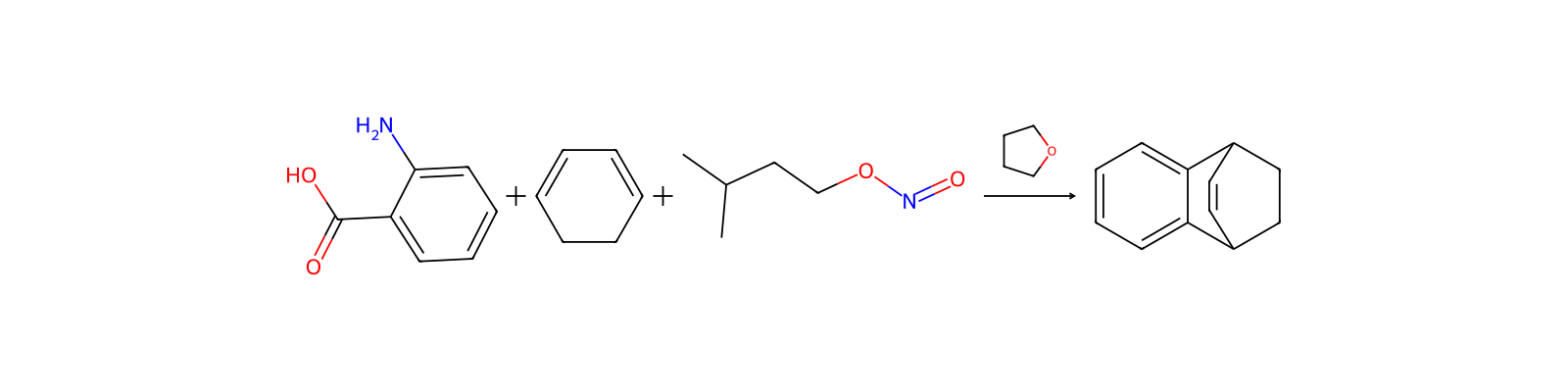
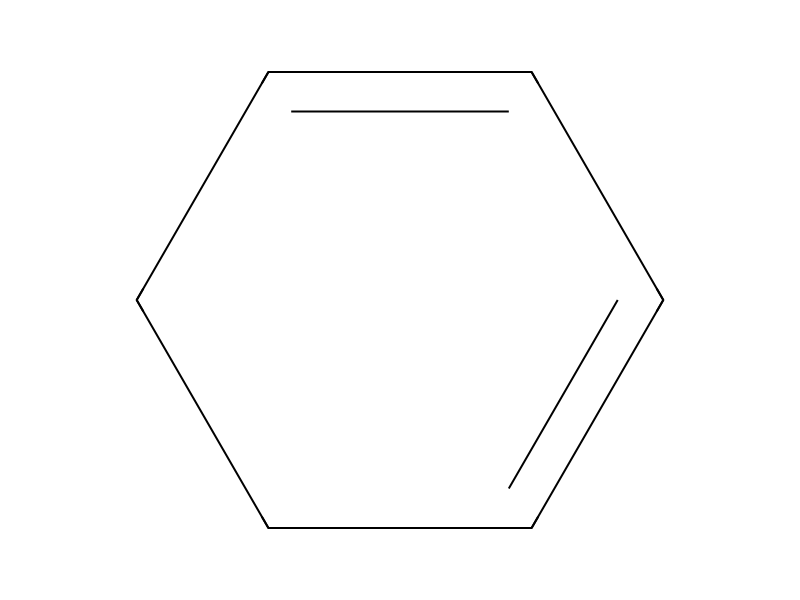
Basic information
- Standard SMILES
C1=CCCC=C1- InChIKey
MGNZXYYWBUKAII-UHFFFAOYSA-N- Molecular formula
- C6H8
- Average molar mass
- 80.13 g/mol
- Monoisotopic mass
- 80.06260026
Overview
Cyclohexa-1,3-diene is a cyclohexadiene.
Names & identifiers
- Preferred name
- 1,3-Cyclohexadiene
- IUPAC
- cyclohexa-1,3-diene
- English name
- 1,3-Cyclohexadiene
- Molecular formula
- C6H8
- Molecular weight
- 80.13
Names & synonyms
1,3-CYCLOHEXADIENECyclohexa-1,3-diene592-57-4JV5W0EG5BPCHEBI:37610DTXSID30862259RefChem:72543DTXCID00811052209-764-1CYCLOHEXADIENE1,2-dihydrobenzeneCyclohexadiene-1,3
Show more names
MFCD0000153229797-09-9Dihydro-benzene; Cyclohexa-1,3-diene1165952-91-91,3-cyclohexanedieneEINECS 209-764-1UNII-JV5W0EG5BPcyclohexa-1
Database identifiers
- CAS
29797-09-9、592-57-4- PubChem CID
- 11605
- DTXSID
DTXSID30862259- ChEBI
CHEBI:37610- UNII
- JV5W0EG5BP
- EC Number
- 209-764-1、249-853-2
- Nikkaji
- J1.855.158F、J1.855.159D、J94.915I
Properties
Computed structural properties
- XLogP
- 2.5
- Topological polar surface area
- 0 Ų
- Hydrogen bond donors
- 0
- Hydrogen bond acceptors
- 0
- Rotatable bonds
- 0
- Heavy atoms
- 6
- Formal charge
- 0
- Complexity
- 66
Experimental & physicochemical properties
Chemical ClassesOther Classes -> Aliphatics, Unsaturated
LogP2.47
DensityRelative density (water = 1): 0.84
SolubilitySolubility in water: none
Flash Point26 °C c.c.
Boiling Point81 °C
Melting Point-89 °C
Vapor DensityRelative vapor density (air = 1): 2.8 (calculated)
Vapor Pressure97.3 [mmHg]
Physical Description
Colorless liquid; [ICSC] Unpleasant odor; [Alfa Aesar MSDS]
COLOURLESS LIQUID.
Physicochemical properties
- Melting point
- -89 °C · -89 °C
- Boiling point
- 81 °C · 81 °C
- Density
- 0.84 g/cm3 · 0.84 g/cm3
- Symbol(GHS)
- 2 · GHS02,GHS07
- Signal word
- Danger
- Hazard statements
- 225 · H225-H335
- Precautionary statements
- 210 · P210
Safety & regulation
GHS classification
GHS Classification
Danger
H225 (100%): Highly Flammable liquid and vapor [Danger Flammable liquids]
P210, P233, P240, P241, P242, P243, P261, P271, P280, P303+P361+P353, P304+P340, P319, P370+P378, P403+P233, P403+P235, P405, and P501 (click each P-code to see the statement)
Aggregated GHS information provided per 48 reports by companies from 5 notifications to the ECHA C&L Inventory. Each notification may be associated with multiple companies.
Hazard information
Regulatory Information
Chemical: 1,3-Cyclohexadiene
1,3-Cyclohexadiene: Does not have an individual approval but may be used under an appropriate group standard
Fire HazardsFlammable. Above 26 °C explosive vapour/air mixtures may be formed.
Hazards SummaryMay form explosive peroxides on air exposure; A skin, eye, and respiratory tract irritant; [ICSC] Stabilized with BHT (CAS# 128-37-0); An irritant; [Alfa Aesar MSDS] See 1,4-Hexadiene.
UN ClassificationUN Hazard Class: 3; UN Pack Group: III
Chemical DangersThe substance can form explosive peroxides on exposure to air. Reacts with strong oxidants. This generates fire and explosion hazard.
Physical DangersThe vapour is heavier than air.
Packaging and LabellingAirtight.
Hazard Classes and CategoriesFlam. Liq. 2 (100%)
Explosive Limits and PotentialExplosive limits , vol% in air:
Safety & protection
Fire FightingUse water spray, powder, foam, carbon dioxide. In case of fire: keep drums, etc., cool by spraying with water.
First Aid Measures
Fresh air, rest.
Remove contaminated clothes. Rinse and then wash skin with water and soap.
First rinse with plenty of water for several minutes (remove contact lenses if easily possible), then refer for medical attention.
Do NOT induce vomiting. Refer for medical attention .
Safe StorageFireproof. Separated from strong oxidants. Cool. Keep in the dark. Well closed. Store only if stabilized.
Spillage Disposal
Personal protection: filter respirator for organic gases and vapours adapted to the airborne concentration of the substance. Collect leaking liquid in sealable containers. Absorb remaining liquid in sand or inert absorbent. Then store and dispose of according to local regulations.
Eye PreventionWear safety spectacles.
Fire PreventionNO open flames, NO sparks and NO smoking. Above 26 °C use a closed system, ventilation and explosion-proof electrical equipment.
Inhalation RiskNo indication can be given about the rate at which a harmful concentration of this substance in the air is reached on evaporation at 20 °C.
Skin PreventionProtective gloves.
Ingestion PreventionDo not eat, drink, or smoke during work.
Inhalation PreventionUse ventilation.
Effects of Short Term ExposureThe substance is irritating to the eyes, skin and respiratory tract.
Toxicology
Exposure RoutesThe substance can be absorbed into the body by inhalation of its vapour.
Signs and Symptoms
Sore throat.
Redness.
Redness.
Toxicity DataLC50 (mouse) = 45,000 mg/m3/2hr
Safety data
- Signal word
- Danger
- Symbol(GHS)
- GHS02,GHS07
- Hazard statements
- H225-H335
- Precautionary statements
- P210
Chemistry & industry
Uses & manufacturing
General Manufacturing Information1,3-Cyclohexadiene: ACTIVE
Suppliers50 total
国药集团化学试剂有限公司86-21-63210123 · [email protected]
衢州润东化工有限公司0570-8789886 18892685668 · [email protected]
Hebei Chuanghai Biotechnology Co., Ltd+86-17732866630 · [email protected]
江西核研院新材料有限公司18901398682 18901398682 · [email protected]
河南多贝化工有限公司0370-6999054 17550096163 · [email protected]
杭州摩库生物医药科技有限公司+86-057181025280; +8617767106207 · [email protected]
Suzhou ARTK Medchem Co., Ltd.+86-18168183658 · [email protected]
T&W GROUP021-61551611 13296011611 · [email protected]
爱斯特(成都)生物制药股份有限公司+86-28-85122536 85324413 · [email protected]
Syntechem Co.,Ltd[email protected]
阿法埃莎(中国)化学有限公司400-6106006 · [email protected]
安耐吉化学&3A(安徽泽升科技股份有限公司)400-0056266 · [email protected]
石家庄斯迪亚诺精细化工有限公司0311-89250318 13582355795 · [email protected]
上海瀚鸿科技股份有限公司021-54306202 13764082696 · [email protected]
南通合润生物科技有限公司18362409333 · [email protected]
常州市华阳科技有限公司+8615250961469 · [email protected]
Nanjing jinheyou Trading Co., Ltd.15705188088 · [email protected]
上海嘉斯保气体有限公司13218776790 13218776790 · [email protected]
济南市万理气体有限公司13245484555 · [email protected]
时美拓特种气体(上海)有限公司15757158480 · [email protected]
南京维奥化工有限公司Please Send Email 18652950785 · [email protected]
同创医药(苏州)有限公司0512-63263366 18912765016 · [email protected]
赛默飞世尔科技(中国)有限公司800-810-5118 · [email protected]
上海特伯化学科技有限公司+86-21-60341587 · [email protected]
上海睿升化工科技有限公司+86-021-50935922
北京京土恒盛化工科技有限公司00-13911456598 13911456598 · [email protected]
上海倍卓生物科技有限公司021-61119791,13386096464 · [email protected]
HBCChem, Inc.+1-510-219-6317 · [email protected]
雷丁试剂0510-85629785 18013409632 · [email protected]
杭州杰恒化工有限公司0571-87396432 · [email protected]
上海嵩爰化工科技有限公司010-1234567 18521000990 · [email protected]
凯试(上海)科技有限公司021-50135380 · [email protected]
池州凯隆进出口贸易有限公司[email protected]
Sigma-Aldrich西格玛奥德里奇(上海)贸易有限公司021-61415566 800-8193336 · [email protected]
诺尔凯立科技有限公司86-(0)21-31261262 373522135 · [email protected]
成都瑞欧克科技有限公司028-64353063 · [email protected]
九鼎化学(上海)科技有限公司4009209199 · [email protected]
上海惠禹生物科技有限公司15380804498 · [email protected]
杭州鼎燕化工有限公司0571-87157530-8003 18267553885 · [email protected]
嘉兴市德亿化工有限公司0573-85866609 13325730825 · [email protected]
艾吉析科技(上海)有限公司17721401538;17717235263 17721401538 · [email protected]
上海阿拉丁生化科技股份有限公司6206333 13167063860 · [email protected]
陕西缔都医药化工有限公司029-029-81120477 17792793610 · [email protected]
成都润泽本土化工有限公司028-88469284 18000562381 · [email protected]
南京艾比克斯生化科技有限公司025-87193546 18652950785 · [email protected]
南通华祥医药科技有限公司+86-15716293042 15716293042 · [email protected]
石家庄斯迪亚诺精细化工有限公司0311-89250318 031166536426 · [email protected]
上海源叶生物科技有限公司13636370518 · [email protected]
山东西亚化学有限公司4009903999 13395398332 · [email protected]
北京大田丰拓化学技术有限公司010-60275820 13031183356 · [email protected]
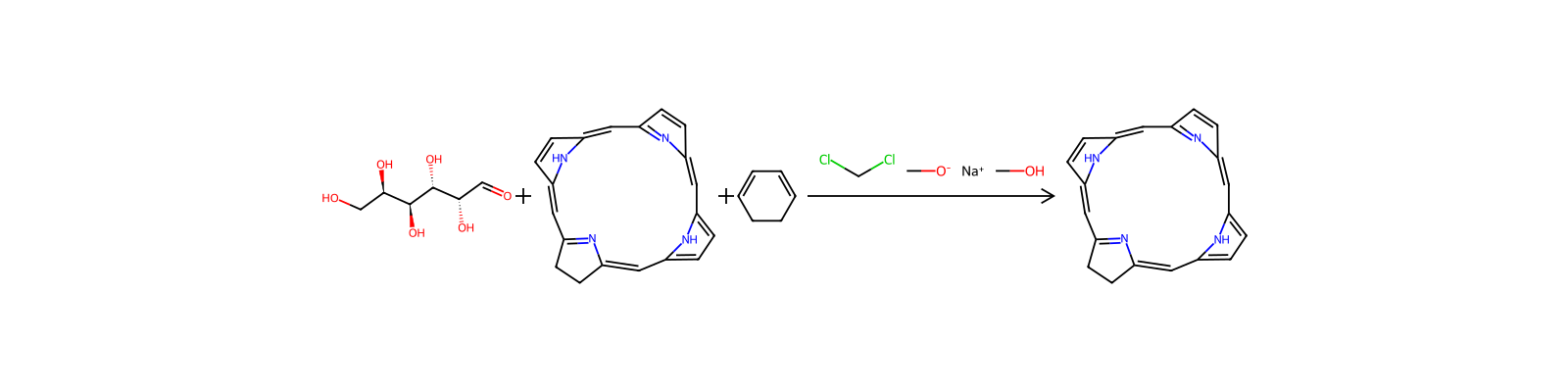
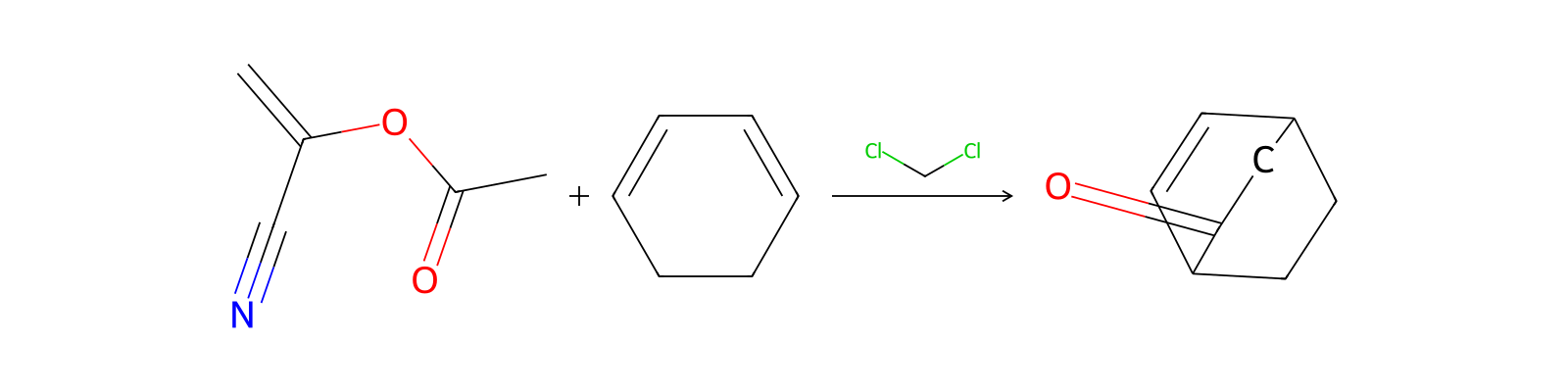
Related reactions
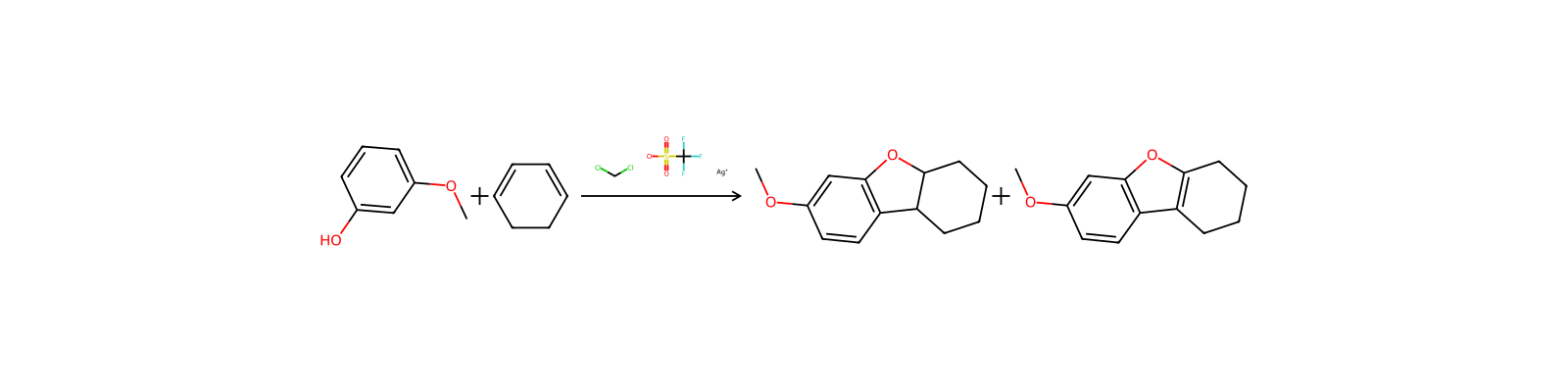
144 records




Linked notes
Loading…