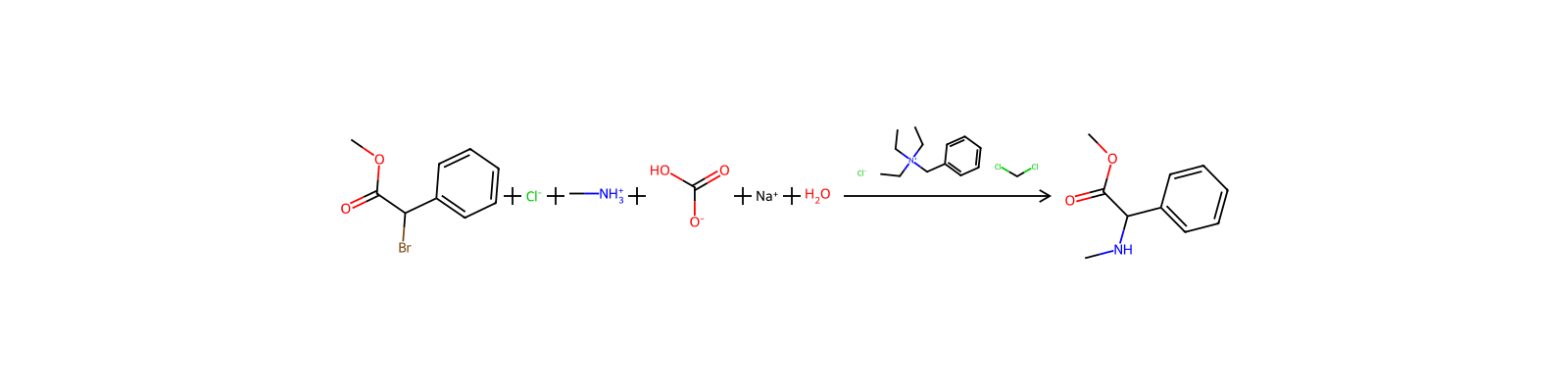
HRID 3974As reactant

593-51-1C[NH3+].[Cl-]NQMRYBIKMRVZLB-UHFFFAOYSA-NMethylamine hydrochloride is the hydrochloride formed from methylamine. It is a hydrochloride, an organoammonium salt and a one-carbon compound. It contains a methylammonium.
593-51-1DTXSID30873360CHEBI:59337Safety information is for reference only and does not replace the supplier’s Safety Data Sheet (SDS), applicable regulations, or professional assessment.
DescriptionMethylamine Hydrochloride is a colorless organic solid that has an odor similar to that of fish and is used as an essential part for the synthesis of a wide variety of commercial compounds such as ephedrine, theophylline and other intermediates for a wide range of agricultural chemicals, including herbicides, fungicides, insecticides, biocides, and miticides. Methylamine hydrochloride is also a key ingredient in the synthesis of methamphetamine
UsesMethylamine is used as a building block for the synthesis of other organic compounds. It is on the DEA watchlist for chemical precursors because of clandestine use in manufacture of the drug MDMA (ecstasy) and methamphetamine.The HCl salt is in the form of white deliquescent crystals, and is frequently substitutable for the aq. soln. in many synthesis preparations. Methylamines are used directly as catalysts or as raw materials to produce other compounds with catalytic activity. Fuel additives are used to improve engine performance in a variety of ways. Trimethylamine is used to make paper chemicals. The manufacture of intermediates to make pharmaceuticals is one of the most diverse uses of methylamines.
PreparationMethylamine hydrochloride is prepared by heating a mixture of aqueous formaldehyde and ammonium chloride; the residual water and the formic acid produced in the reaction are removed via vacuum distillation. This leaves behind solid methylamine hydrochloride. The solid is then purified by organic extractions and additional vacuum distillations. Methylamine gas for the reaction with P2P is generated in situ by heating the hydrochloride salt with sodium hydroxide. Alternatively, methylamine can be liberated from the hydrochloride with base and collected in a cold finger or flask immersed in a dry ice bath.
DefinitionChEBI: The hydrochloride formed from methylamine.


