

Basic information
- Standard SMILES
NC(N)=O- InChIKey
XSQUKJJJFZCRTK-UHFFFAOYSA-N- Molecular formula
- CH4N2O
- Average molar mass
- 60.056 g/mol
- Monoisotopic mass
- 60.03236275
Overview
Urea appears as solid odorless white crystals or pellets. Density 1.335 g /cc. Noncombustible.
Names & identifiers
- Preferred name
- Urea
- IUPAC
- urea
- English name
- polyurea
- Molecular formula
- CH4N2O
- Molecular weight
- 60.06
Names & synonyms
urea57-13-6carbamideCarbonyldiamideUreophilCarbonyldiamineUreaphilKeratinaminUrevertAlphadrateAquadrateCarbaderm
Show more names
polyureaTIANFU-CHEM polyurea
PastaronUrepearlCarbonyl diamideCarbamide resinUltra MideVarioform iiAqua CareHarnstoff
Database identifiers
- CAS
37955-36-5、4744-36-9、57-13-6- PubChem CID
- 1176
- DTXSID
DTXSID4021426- ChEMBL
CHEMBL985- ChEBI
CHEBI:16199- UNII
- 8W8T17847W
- EC Number
- 200-315-5、682-045-1
- Nikkaji
- J2.322A
Properties
Computed structural properties
- XLogP
- -1.4
- Topological polar surface area
- 69.1 Ų
- Hydrogen bond donors
- 2
- Hydrogen bond acceptors
- 1
- Rotatable bonds
- 0
- Heavy atoms
- 4
- Formal charge
- 0
- Complexity
- 29
Experimental & physicochemical properties
Chemical ClassesNitrogen Compounds -> Other Nitrogen Compounds
Drugs
Pharmaceuticals -> Metabolite of Hydroxycarbamide
Pharmaceuticals -> Listed in ZINC15
Cosmetics
Cosmetic ingredients (Urea) -> CIR (Cosmetic Ingredient Review)
Antistatic; Humectant; Skin conditioning
pH7.2 (10% solution)
SpringerMaterials PropertiesCoriolis coupling
FragrancesFragrance Ingredient (Urea) -> IFRA transparency List
Pesticides
Pesticide -> EPA IRIS
Agrochemicals -> Pesticide active substances
Active substance -> EU Pesticides database: Approved
LogP
log Kow = -2.11
-2.11
-3.00/-1.54
-1.54
Odor
MAY GRADUALLY DEVELOP SLIGHT ODOR OF AMMONIA, ESP IN PRESENCE OF MOISTURE
Almost odorless
TasteCooling, saline taste
Food AdditivesFORMULATION AID -> FDA Substance added to food
Density
1.34 at 68 °F (USCG, 1999) - Denser than water; will sink
1.3230 @ 20 °C/4 °C
On further heating it decomp to biuret, NH3, cyanuric acid; pH of 10% water soln: 7.2; density of water soln (wt/wt): 1.027 @ 10%; 1.054 @ 20%; 1.145 @ 50%
g/cm³
1.335 @25 °C
Physicochemical properties
- Indirect Additives used in Food Contact Substances
- POLYUREA
Safety & regulation
GHS classification
GHS Classification
This chemical does not meet GHS hazard criteria for 96.1% (4430 of 4611) of all reports.
Not Classified
Aggregated GHS information provided per 4611 reports by companies from 23 notifications to the ECHA C&L Inventory.
Not Classified
Hazard information
Regulatory Information
Chemical: Urea
Commission Regulation (EC) No 2229/2004
Urea is listed on the EPA's Chemical Data Reporting (CDR) system. Manufacturers and importers of Urea are required to report information about their production and use of this chemical to the EPA under the Toxic Substances Control Act (TSCA). (40 eCFR Part 711)
Reg. (EU) 2022/708, 2008/127, Reg. (EU) 2017/195, Reg. (EU) 2018/155, Reg. (EU) 2020/1160, Reg. (EU) 2021/745, Reg. (EU) 2023/1446, Reg. (EU) 2024/839, Reg. (EU) No 540/2011, Reg. (EU) No 597/2012
Status: Active Update: 05-05-2023 https://echa.europa.eu/registration-dossier/-/registered-dossier/16152
Urea: Does not have an individual approval but may be used under an appropriate group standard
Other Safety InformationIMAP assessments - Urea: Human health tier I assessment
Fire Hazards
Behavior in Fire: Melts and decomposes, generating ammonia. (USCG, 1999)
Not combustible. Gives off irritating or toxic fumes (or gases) in a fire.
Fire PotentialNONCOMBUSTIBLE
Health HazardsMay irritate eyes. (USCG, 1999)
Hazards SummaryA skin, eye, and respiratory tract irritant; [ICSC] An eye irritant; [CAMEO]
FDA RequirementsSubstance added directly to human food affirmed as generally recognized as safe (GRAS).
Reactive GroupAmides and Imides
Special Reports
Environment Canada; Tech Info for Problem Spills: Urea (1985)
Haliburton JC, Morgan SE; Nonprotein Nitrogen-induced Ammonia Toxicosis and Ammoniated Feed Toxicity Syndrome; Vet Clin North Am Food Anim Pract 5 (2): 237-49 (1989)
WHO/IPCS; Toxicological Evaluation of Certain Food Additives and Contaminants WHO Food Additives Series 32 (1993)
EPA Safer ChemicalChemical: Urea
FIFRA Requirements
As the federal pesticide law FIFRA directs, EPA is conducting a comprehensive review of older pesticides to consider their health and environmental effects and make decisions about their future use. Under this pesticide reregistration program, EPA examines health and safety data for pesticide active ingredients initially registered before November 1, 1984, and determines whether they are eligible for reregistration. In addition, all pesticides must meet the new safety standard of the Food Quality Protection Act of 1996. Pesticides for which EPA had not issued Registration Standards prior to the effective date of FIFRA, as amended in 1988, were divided into three lists based upon their potential for human exposure and other factors, with List B containing pesticides of greater concern and List D pesticides of less concern. Urea is found on List D. Case No: 4096; Pesticide type: antimicrobial; Case Status: No products containing the pesticide are actively registered ... The case /is characterized/ as "cancelled." Under FIFRA, pesticide producers may voluntarily cancel their registered products. EPA also may cancel pesticide registrations if registrants fail to pay required fees or make/meet certain reregistration commitments, or if EPA reaches findings of unreasonable adverse effects.; Active ingredient (AI): Urea; AI Status: The active ingredient is no longer contained in any registered pesticide products ... "cancelled."
Residues of urea are exempted from the requirement of a tolerance when used as a stabilizer, inhibitor in accordance with good agricultural practices as inert (or occasionally active) ingredients in pesticide formulations applied to growing crops or to raw agricultural commodities after harvest.
Urea is exempted from the requirement of a tolerance when used as a adjuvant/intensifier for herbicides in accordance with good agricultural practice as inert (or occasionally active) ingredients in pesticide formulations applied to growing crops only.
Urea is exempted from the requirement of a tolerance when used as a stabilizer, inhibitor in accordance with good agricultural practice as inert (or occasionally active) ingredients in pesticide formulations applied to animals.
An exemption from the requirement of a tolerance is established for residues of the frost protectant urea in or on the following raw agricultural commodities when used before harvest in the production of. alfalfa, almonds, apples, apricots, artichokes, asparagus, avocados, beans, bell peppers, blackberries, blueberries, broccoli, brussels sprouts, boysenberries, caneberries, canola, cantaloupes, carrots, cauliflower, casaba, celery, cherries, chili peppers, chinese cabbage (bok choy, napa), cooking peppers, corn, cotton, crenshaw, cucumbers, figs, grapefruit, grapes, honeydew melon, hops, kiwifruit, kohlrabi, lemons, lentils, lettuce, limes, macadamia nuts, musk melon, nectarines, olives, onions, oranges, peaches, pears, peanuts, peas, persian melon, pistachios, plums, potatoes, pumpkin, prunes, radish, raspberries, rice, safflower, sorghum, spinach, spinach (New Zealand), squash (winter and summer), strawberries, sugar beets, sunflower, sweet pepper, table beets, tangerines, tomatoes, walnuts, watermelon, and zucchini.
Reactivity Profile
UREA is a weak base. Reacts with hypochlorites to form nitrogen trichloride which explodes spontaneously in air [J. Am. Chem. Soc. 63:3530-32]. Same is true for phosphorus pentachloride. It reacts with azo and diazo compounds to generate toxic gases. Reacts with strong reducing agents to form flammable gases (hydrogen). The heating of improper stoichiometric amounts of urea and sodium nitrite lead to an explosion. Heated mixtures of oxalic acid and urea yielded rapid evolution of gases, carbon dioxide, carbon monoxide and ammonia (if hot, can be explosive). Titanium tetrachloride and urea slowly formed a complex during 6 weeks at 80 °C, decomposed violently at 90 C, [Chem. Abs., 1966, 64, 9219b]. Urea ignites spontaneously on stirring with nitrosyl perchlorate due to the formation of the diazonium perchlorate. Oxalic acid and urea react at high temperatures to form toxic and flammable ammonia and carbon monoxide gases, and inert CO2 gas [Von Bentzinger, R. et al., Praxis Naturwiss. Chem., 1987, 36(8), 41-42].
Safety & protection
Fire Fighting
Fire Extinguishing Agents: Water (USCG, 1999)
In case of fire in the surroundings, use appropriate extinguishing media.
First Aid Measures
Fresh air, rest.
Rinse and then wash skin with water and soap.
First rinse with plenty of water for several minutes (remove contact lenses if easily possible), then refer for medical attention.
Give one or two glasses of water to drink. Rest.
First Aid
EYES: First check the victim for contact lenses and remove if present. Flush victim's eyes with water or normal saline solution for 20 to 30 minutes while simultaneously calling a hospital or poison control center. Do not put any ointments, oils, or medication in the victim's eyes without specific instructions from a physician. IMMEDIATELY transport the victim after flushing eyes to a hospital even if no symptoms (such as redness or irritation) develop.
Safe StorageSeparated from incompatible materials. See Chemical Dangers.
Cleanup Methods
Water Spill: Contain by damming, water diversion or natural barriers. Remove and treat contaminated liquids. Absorb small amounts of liquid spill with natural or synthetic sorbents, shovel into containers and cover.
If urea is spilled in solid form, shovel material into containers and cover. Construct barriers to contain solutions or divert to impermeable holding area. Remove material by manual or mechanical means.
Nonfire Spill Response
SMALL SPILLS AND LEAKAGE: If you spill this chemical, you should dampen the solid spill material with water, then transfer the dampened material to a suitable container. Use absorbent paper dampened with water to pick up any remaining material. Seal your contaminated clothing and the absorbent paper in a vapor-tight plastic bag for eventual disposal. Wash all contaminated surfaces with a soap and water solution. Do not reenter the contaminated area until the Safety Officer (or other responsible person) has verified that the area has been properly cleaned.
Disposal Methods
SRP: At the time of review, criteria for land treatment or burial (sanitary landfill) disposal practices are subject to significant revision. Prior to implementing land disposal of waste residue (including waste sludge), consult with environmental regulatory agencies for guidance on acceptable disposal practices.
Urea is a waste chemical stream constituent which may be subjected to ultimate disposal by controlled incineration. Incinerator is equipped with a scrubber or thermal unit to reduce nitrogen oxide emissions.
The following wastewater treatment technology has been investigated for urea: Concentration process: Biological treatment.
Spillage DisposalSweep spilled substance into covered containers. If appropriate, moisten first to prevent dusting. Wash away remainder with plenty of water.
Preventive Measures
SRP: The scientific literature for the use of contact lenses in industry is conflicting. The benefit or detrimental effects of wearing contact lenses depend not only upon the substance, but also on factors including the form of the substance, characteristics and duration of the exposure, the uses of other eye protection equipment, and the hygiene of the lenses. However, there may be individual substances whose irritating or corrosive properties are such that the wearing of contact lenses would be harmful to the eye. In those specific cases, contact lenses should not be worn. In any event, the usual eye protection equipment should be worn even when contact lenses are in place.
Eye PreventionWear safety spectacles.
Inhalation RiskEvaporation at 20 °C is negligible; a nuisance-causing concentration of airborne particles can, however, be reached quickly , especially if powdered.
Skin PreventionProtective gloves.
Toxicology
Interactions
A case of sudden collapse after the intra-amniotic injection of 5 mg dinoprostone (Prostaglandin E2) and 40 g urea for pregnancy termination in a 36 yr old woman after the diagnosis of fetal Down's syndrome is reported. Within one minute of injection of a test dose of one mg of dinoprostone, the patient collapsed. Intravenous injections of 100 mg hydrocortisone and 10 mg chlorpheniramine maleate were administered and the patient was given oxygen by a face mask. Within 10 minutes blood pressure had returned to 110/68 mm Hg, and after a further 15 minutes pulse rate was normal.
TREATMENT OF GUINEA PIGS WITH UREA INCR THE EFFECT OF THEIR SUBSEQUENT SENSITIZATION WITH EPOXY RESIN (EGK-19) OR K2CR207. UREA TREATMENT INCR PERCENTAGE OF ANIMALS SENSITIZED BY EPOXY RESINS FROM 50-87%. UREA ALONE DID NOT SENSITIZE SKIN.
The hemolytic action on human red blood cells (RBC) and the aggregations of human and rat red blood cells in the presence of sodium alginate were studied. Sodium alginate had no hemolytic action on human red blood cells. Human and rat red blood cells showed a marked aggregation by sodium alginate in a neutral medium. Sodium alginates having larger molecular weights showed more pronounced activities for aggregation of red blood cells as compared with those having smaller molecular weights, and the aggregation of red blood cells increased with an increase in the concentration of sodium alginate. The aggregation was inhibited by urea, suggesting the aggregation of red blood cells is caused by hydrogen bonding. When sodium alginate was added to human or rat blood rouleaux formation of red blood cells covered with fibrin net was observed in the coagulation cruor (blood clot).
Osmotic diuretics (mannitol, urea) decrease the effect on serum lithium level; significant increase in lithium excretion. /Lithium-drug interactions; from table/
Ecotoxicity Values
Toxicity threshold: Scenedesmus quadricauda (green algae) >10,000 mg/l, toxic effect: multiplication inhibition of cell. /Time not specified/
Toxicity threshold: Entosiphon sulcatum (protozoa) >29 mg/l, toxic effect: inhibition of cell multiplication. /Time not specified/
Toxicity threshold: Pseudomonas putida >10,000 mg/l; toxic effect: inhibition of cell multiplication. /Time not specified/
Environmental Fate
TERRESTRIAL FATE: Based on a classification scheme(1), a Koc value of 8(2) indicates that urea is expected to have very high mobility in soil(SRC). Volatilization of urea from moist soil surfaces is not expected to be an important fate process(3) given an estimated Henry's Law constant of 1.74X10⁻¹² atm-cu m/mole(SRC) determined from its vapor pressure, 1.20X10⁻⁵ mm Hg(4), and water solubility, 5.45x10+5 mg/l(5). Urea is not expected to volatilize from dry soil surfaces(SRC) based upon its vapor pressure(4). Various field and laboratory studies have demonstrated that urea degrades rapidly in most soils(6-8). Urea is rapidly hydrolyzed to ammonium ions through soil urease activity(6) which produces volatile gases, i.e., ammonia and carbon dioxide(9). In a variety of soils, the hydrolysis may near completion within 24 hrs(7). However, the rate of hydrolysis can be much slower depending upon the soil type, moisture content, and urea formulation(6). For example, increasing the pellet size of urea fertilizers can decrease the rate of urea decomposition from days to weeks(6). In a study examining the fate of soil-applied urea, a major part (e.g., 22-49%) of the applied urea was lost in gaseous form (e.g., ammonia or N2O)(10). Although soil adsorption studies have demonstrated that urea adsorbs very weakly to soil(11); only a minor part was leached out of soil (<1%) in this study(10). Roughly one third (eg, 26-43%), however, was incorporated into soil organic matter(10).
AQUATIC FATE: Based on a classification scheme(1), a Koc value of 8(2), indicates that urea is not expected to adsorb to suspended solids and sediment(SRC). Volatilization from water surfaces is not expected(3) based upon an estimated Henry's Law constant of 1.74X10⁻¹² atm-cu m/mole(SRC) determined from its vapor pressure, 1.20X10⁻⁵ mm Hg(4), and water solubility, 5.45X10+5 mg/l(5). According to a classification scheme(6), BCF values of 1(7) and <10(8) suggest the potential for bioconcentration in aquatic organisms is low(SRC). Urea is rapidly hydrolyzed to ammonia and carbon dioxide in environmental systems by the extracellular enzyme, urease, which originates from microorganisms and plant roots(9). The degradation of urea was examined in a river die-away study using various river waters and test conditions(10). At 20 °C, degradation of urea was complete within 6-14 days of incubation, while at lower temperatures (e.g., 4-12 °C) little or no degradation occurred in 10-14 days(10). Abiotic hydrolysis of urea occurs very slowly in relation to biotic hydrolysis(11).
ATMOSPHERIC FATE: According to a model of gas/particle partitioning of semivolatile organic compounds in the atmosphere(1), urea, which has a vapor pressure of 1.2X10⁻⁵ mm Hg at 25 °C(2), will exist in both the vapor and particulate phases in the ambient atmosphere(SRC). Vapor-phase urea is degraded in the atmosphere by reaction with photochemically-produced hydroxyl radicals(SRC); the half-life for this reaction in air is estimated to be 9.6 days(SRC), calculated from its rate constant of 4.00X10⁻¹¹ cu cm/molecule-sec at 25 °C(3). Particulate-phase urea may be removed from the air by wet and dry deposition(SRC).
Exposure RoutesThe substance can be absorbed into the body by inhalation of its aerosol and by ingestion.
Toxicity SummarySafe in the present practices of use and concentration. Ingredient, concentration, and use information are available in documents discoverable at https://cir-reports.cir-safety.org
Signs and Symptoms
Cough. Shortness of breath. Sore throat.
Redness.
Redness.
Convulsions. Headache. Nausea. Vomiting.
Effluent Concentrations
Domestic sewage and sewer effluent contained 2-6 mg/l urea and 0.020 mg/l urea, respectively(1). A primary domestic sewage plant effluent contained 0.016-0.043 mg/l urea(1). Nitrogen fluxes to the atmosphere as a direct consequence of the use of urea in agriculture are estimated at 5-10X10+9 g nitrogen(2); ammonia emissions account for 10-20% loss of urea nitrogen applied to soil while nitrous oxide and NOx emissions account for 0.11% and approximately 1%, respectively, of atmospheric fluxes(2).
EPA IRIS InformationUrea
Soil Adsorption/Mobility
The adsorption of urea was measured in six different British soils with organic carbon contents ranging from 1.76 to 36.5%(1). No adsorption was measurable in five of the soils(1). In a sixth soil (36.5% organic carbon), a Koc of 8 can be determined from the Freundlich isotherm(SRC). According to a classification scheme(2), this Koc value suggests that urea is expected to have high mobility in soil. However, it has been reported that urea can adsorb to humic acids by free-radical complexation(3). Complexed urea may adsorb to soil more strongly than uncomplexed urea(SRC).
Natural Pollution SourcesUrea is a natural product of nitrogen and protein metabolism(1,2); it also occurs in urine(3) and animal waste(2).
Human Toxicity Excerpts
ADVERSE REACTIONS INCLUDE HEADACHE, NAUSEA, VOMITING, SYNCOPE, DISORIENTATION, TRANSIENT CONFUSION, & ELECTROLYTE DEPLETION (HYPONATREMIA & HYPOKALEMIA).
BECAUSE THE EYE IS PERMEABLE TO UREA, REBOUND ELEVATION IN INTRAOCULAR PRESSURE & VITREOUS VOL MAY OCCUR AFTER OCULAR HYPOTENSIVE EFFECT HAS TERMINATED (ABOUT 8 TO 12 HR AFTER ADMIN).
THE SYSTEMIC TOXICITY OF UREA IS SIMILAR TO THAT OF MANNITOL. UREA IS IRRITATING TO TISSUES; IT CAUSES PAIN AT SITE OF INFUSION & NECROSIS MAY RESULT IF EXTRAVASATION OCCURS. SUPERFICIAL & DEEP THROMBOSIS MAY RESULT IF UREA IS INFUSED IN VEINS OF LOWER EXTREMITIES.
Human reproductive effects by intraplacental route: fertility effects. ... Human mutation data reported. A human skin irritant.
Artificial Pollution Sources
Urea's production and wide use as a fertilizer and animal feed(1,2) is expected to result in its direct release to the environment(SRC). Urea's production and use as a chemical intermediate, stabilizer in explosives, medicine (diuretic), and viscosity modifier (for starch or casein-based paper coatings), and use in plastics, adhesives, pharmaceuticals, cosmetics, dentifrices, flameproofing agents, and preparation of biuret(3) may result in its release to the environment through various waste streams(SRC).
Regulatory information
FDA RequirementsSubstance added directly to human food affirmed as generally recognized as safe (GRAS).
FIFRA Requirements
As the federal pesticide law FIFRA directs, EPA is conducting a comprehensive review of older pesticides to consider their health and environmental effects and make decisions about their future use. Under this pesticide reregistration program, EPA examines health and safety data for pesticide active ingredients initially registered before November 1, 1984, and determines whether they are eligible for reregistration. In addition, all pesticides must meet the new safety standard of the Food Quality Protection Act of 1996. Pesticides for which EPA had not issued Registration Standards prior to the effective date of FIFRA, as amended in 1988, were divided into three lists based upon their potential for human exposure and other factors, with List B containing pesticides of greater concern and List D pesticides of less concern. Urea is found on List D. Case No: 4096; Pesticide type: antimicrobial; Case Status: No products containing the pesticide are actively registered ... The case /is characterized/ as "cancelled." Under FIFRA, pesticide producers may voluntarily cancel their registered products. EPA also may cancel pesticide registrations if registrants fail to pay required fees or make/meet certain reregistration commitments, or if EPA reaches findings of unreasonable adverse effects.; Active ingredient (AI): Urea; AI Status: The active ingredient is no longer contained in any registered pesticide products ... "cancelled."
Residues of urea are exempted from the requirement of a tolerance when used as a stabilizer, inhibitor in accordance with good agricultural practices as inert (or occasionally active) ingredients in pesticide formulations applied to growing crops or to raw agricultural commodities after harvest.
Urea is exempted from the requirement of a tolerance when used as a adjuvant/intensifier for herbicides in accordance with good agricultural practice as inert (or occasionally active) ingredients in pesticide formulations applied to growing crops only.
Urea is exempted from the requirement of a tolerance when used as a stabilizer, inhibitor in accordance with good agricultural practice as inert (or occasionally active) ingredients in pesticide formulations applied to animals.
An exemption from the requirement of a tolerance is established for residues of the frost protectant urea in or on the following raw agricultural commodities when used before harvest in the production of. alfalfa, almonds, apples, apricots, artichokes, asparagus, avocados, beans, bell peppers, blackberries, blueberries, broccoli, brussels sprouts, boysenberries, caneberries, canola, cantaloupes, carrots, cauliflower, casaba, celery, cherries, chili peppers, chinese cabbage (bok choy, napa), cooking peppers, corn, cotton, crenshaw, cucumbers, figs, grapefruit, grapes, honeydew melon, hops, kiwifruit, kohlrabi, lemons, lentils, lettuce, limes, macadamia nuts, musk melon, nectarines, olives, onions, oranges, peaches, pears, peanuts, peas, persian melon, pistachios, plums, potatoes, pumpkin, prunes, radish, raspberries, rice, safflower, sorghum, spinach, spinach (New Zealand), squash (winter and summer), strawberries, sugar beets, sunflower, sweet pepper, table beets, tangerines, tomatoes, walnuts, watermelon, and zucchini.
Atmospheric Standards
This action promulgates standards of performance for equipment leaks of Volatile Organic Compounds (VOC) in the Synthetic Organic Chemical Manufacturing Industry (SOCMI). The intended effect of these standards is to require all newly constructed, modified, and reconstructed SOCMI process units to use the best demonstrated system of continuous emission reduction for equipment leaks of VOC, considering costs, non air quality health and environmental impact and energy requirements. Urea is produced, as an intermediate or a final product, by process units covered under this subpart.
Chemistry & industry
Pharmacology
ATC Code
B - Blood and blood forming organs
D - Dermatologicals
QD - Dermatologicals
QB - Blood and blood forming organs
D02AE01
PharmacodynamicsUrea is a keratolytic emollient that works to treat or prevent dry, rough, scaly, itchy skin.
Mechanism of Action
... The primary mechanism of ammonia toxicosis appears to be inhibition of the citric acid cycle. There is an increase in anaerobic glycolysis, blood glucose, and blood lactate ... . Acidosis is manifested. The exact means by which ammonia blocks the citric acid cycle is not known. It is postulated that ammonia saturation of the glutamine-synthesizing system causes a backing-up in the citrate cycle, a decrease in its intermediates, and a decrease in energy production and cellular respiration, which leads to convulsions ... . The decrease of citrate cycle intermediates is postulated to result from reamination of pyruvic, ketoglutaric, and oxaloacetic acids.
Absorption, Distribution and Excretion
SOME SMALL, WATER SOL, BUT NONIONIZABLE COMPD SUCH AS UREA READILY TRAVERSE MAMMALIAN MEMBRANES, PROBABLY ALONG WITH WATER, BY WAY OF THE PORES. THIS FILTRATION PROCESS IS PARTICULARLY RAPID BETWEEN CAPILLARIES & EXTRACELLULAR FLUID.
... UREA ... PENETRATES OTHER CELLS RAPIDLY, ENTERS THE BRAIN ONLY VERY SLOWLY ...
... DISTRIBUTED APPROX IN TOTAL BODY WATER ... HAVE BEEN USED FOR MEASUREMENT OF TOTAL BODY WATER.
EXCRETION OF UREA DURING SWEATING IN MAN: 1.84 SWEAT/PLASMA RATIO WITH PKA @ 13.8. /FROM TABLE/
For more Absorption, Distribution and Excretion (Complete) data for UREA (6 total), please visit the HSDB record page.
Tissue LocationsEpidermis
Cellular LocationsExtracellular
Metabolite PathwaysAmiloride Action Pathway
Uses & manufacturing
Uses
CIR ingredient: Urea
A compound (CO(NH2)2), formed in the liver from ammonia produced by the deamination of amino acids. It is the principal end product of protein catabolism and constitutes about one half of the total urinary solids. [ChemIDplus] Used as a mordant in textile dyeing; [www.ci.tucson.az.us/arthazards/medium.html] Used to make fertilizer, feed additives, urea-formaldehyde resins and pharmaceuticals; Humans excrete 20-35 grams per day and have blood levels of 200-400 mg/L. [AIHA]
Textiles (Printing, Dyeing, or Finishing) [Category: Industry]
Textile arts [Category: Hobbies]
For Urea (USEPA/OPP Pesticide Code: 085702) ACTIVE products with label matches. /SRP: Registered for use in the U.S. but approved pesticide uses may change periodically and so federal, state and local authorities must be consulted for currently approved uses./
The active ingredient is no longer contained in any registered pesticide products ... "cancelled."
Impurities
Cyanates are present as an impurity /American Research Products Co/
0.3-2.0 wt% of biuret is typically present in solid urea
U.S. Exports
(1972) 4.5X10+11 G
(1975) 6.5X10+8 G
(1984) 1.11X10+13 G
U.S. Imports
(1972) 5.1X10+11 G
(1975) 6.6X10+8 G
(1984) 2.0X10+10 G
U.S. Production
2023: 30,000,000,000 - <35,000,000,000 lb
(1972) 3.2X10+12 G
(1985) 5.95X10+12 g
(1990) 16.24 billion lb
(1991) 16.27 billion lb
For more U.S. Production (Complete) data for UREA (9 total), please visit the HSDB record page.
Consumption Patterns
37% AS A LIQUID FERTILIZER; 24% FOR OTHER FERTILIZER USES; 22% AS A LIVESTOCK NUTRIENT; 17% FOR RESINS AND OTHER INDUSTRIAL USES (1973)
Fertilizer, solid, 39%; Fertilizer solutions, 32%; Exports, 19%; Urea-formaldehyde resins and adhesives, 6%; Others, including animal feeds and melamine, 4% (1985)
CHEMICAL PROFILE: Urea. Fertilizer, solid, 42%; fertilizer solutions, 31%; exports, 13%; urea-formaldehyde resins and adhesives, 5%; other, including animal feeds and melamine, 9%.
CHEMICAL PROFILE: Urea. Demand: July 1987-June 1988: 7.46 million tons; 1988-1989: 8.17 million tons; 1992-1993 /projected/: 8.5 million tons per year. (Includes exports, but not imports, which totaled 2.1 million tons in 1987-1988.)
For more Consumption Patterns (Complete) data for UREA (6 total), please visit the HSDB record page.
Consumer UsesHumectant
Industry UsesDye
Methods of Manufacturing
... from ammonia, carbon monoxide and sulfur in methanol.
Liquid ammonia and liquid carbon dioxide at 1750-3000 psi and 160-200 °C react to form ammonium carbamate, NH4CO2NH2, which decomposes at lower pressure (about 80 psi) to urea and water. Method of purification: crystallization.
Formulations/Preparations
DOSAGE FORMS--STERILE USP: 40 & 90 G.
Ultrahigh purity grades; solutions at 5M /American Research Products Co/
UAL-37 contains 35% urea
N-Dure contains 26% urea
For more Formulations/Preparations (Complete) data for UREA (10 total), please visit the HSDB record page.
Household ProductsInformation on 345 consumer products that contain Urea in the following categories is provided:
Use Classification
EPA Safer Chemical Functional Use Classes -> Uncategorized
Safer Chemical Classes -> Green circle - The chemical has been verified to be of low concern
Food additives
Fragrance Ingredients
Food Additives -> CHEWING_GUM_BASE_COMPOUND; TEXTURIZER; THICKENER; YEAST_FOOD -> JECFA Functional Classes
Food Additives -> CHEWING_GUM_BASE_COMPOUND; TEXTURIZER; THICKENER; YEAST_FOOD -> JECFA Functional Classes
Suppliers50 total
国药集团化学试剂有限公司86-21-63210123 · [email protected]
北京华美互利生物化工010-56205725 · [email protected]
梯希爱(上海)化成工业发展有限公司021-67121386 · [email protected]
上海阿拉丁生化科技股份有限公司400-6206333 13167063860 · [email protected]
爱斯特(成都)生物制药股份有限公司+86-28-85122536 85324413 · [email protected]
上海如吉生物科技发展有限公司+86-21-65211385-8001 36031160 · [email protected]
韶远科技(上海)有限公司021-50795510 4000665055 · [email protected]
北京康普汇维科技有限公司010-67777729 18810111057 · [email protected]
上海迈瑞尔生化科技有限公司4006356688 18621169109 · [email protected]
大连美仑生物技术有限公司0411-62910999 13889544652 · [email protected]
阿法埃莎(中国)化学有限公司400-6106006 · [email protected]
安耐吉化学&3A(安徽泽升科技股份有限公司)400-0056266 · [email protected]
北京绿百草科技发展有限公司010-61136123 · [email protected]
上海瀚鸿科技股份有限公司021-54306202 13764082696 · [email protected]
上海柯维化学技术有限公司021-64609169 18901607656 · [email protected]
上海景颜化工科技有限公司13817811078 · [email protected]
上海泰坦科技股份有限公司400-6009262 15618770481 · [email protected]
张家港市思普生化有限公司512-0512-58992291,58992287 18606280718 · [email protected]
合肥天健化工有限公司551-65418679 15856988503;15837135945 · [email protected]
武汉丰泰威远科技有限公司027-87465837 19945049750 · [email protected]
天津金汇太亚化学试剂有限公司022-59582624 18622766592 · [email protected]
山东西亚化学有限公司13355009207 13355009207 · [email protected]
玛雅试剂+86 (573) 82222445 (0)18006601000 452520369 · [email protected]
上海碧晶农业科技有限公司+86 02138722060
四川库利南科技有限公司400-1166-196 18981987031 · [email protected]
天津希恩思生化科技有限公司400 638 7771 · [email protected]
湖南汇百侍生物科技有限公司0731-85526065 13308475853 · [email protected]
南京化学试剂股份有限公司025-58369808 17895012682 · [email protected]
斯百全化学(上海)有限公司021-021-021-67601398-809-809-809 15221380277 · [email protected]
上海源叶生物科技有限公司13636370518 · [email protected]
艾科试剂4008-755-333 18080918076 · [email protected]
上海思域化工科技有限公司86-21-34053660 · [email protected]
赛默飞世尔科技(中国)有限公司800-810-5118 · [email protected]
北京伊诺凯科技有限公司400-810-7969 010-59572699 · [email protected]
上海健超生物科技有限公司150-2103-5486 18017383231 · [email protected]
TOKYO CHEMICAL INDUSTRY CO., LTD.03-36680489 · [email protected]
深圳振强药物研发有限公司0755-66853366 13670046396 · [email protected]
南京杜莱生物技术有限公司025-84699383-8003;025-846993838003-8003 18013301590 · [email protected]
北京环宇世纪化学科技有限公司hysj_bj.com
上海将来实业股份有限公司400-0066400 13621662912 · [email protected]
HBCChem, Inc.+1-510-219-6317 · [email protected]
四川省维克奇生物科技有限公司028-81700200 18116577057 · [email protected]
安倍医疗器械贸易(上海)有限公司400-1500-680 021-62402299 · [email protected]
成都零六生物科技有限公司400-1166-196 13458535857 · [email protected]
上海创赛科技有限公司400-6087598 15021221957 · [email protected]
上海麦克林生化科技股份有限公司15221275939 15221275939 · [email protected]
杭州杰恒化工有限公司0571-87396432 · [email protected]
上海永叶生物科技有限公司86-021-61559134 15921386130 · [email protected]
天津锦耀翔承科技有限公司18822227517 18822227517 · [email protected]
上海孚一生物科技有限公司+86 (21) 61124340
Additional notes
DefinitionChEBI: Urea is a carbonyl group with two C-bound amine groups. The commercially available fertilizer has an analysis of 46-0-0 (N-P2O5-K2O). It has a role as a flour treatment agent, a human metabolite, a Daphnia magna metabolite, a Saccharomyces cerevisiae metabolite, an Escherichia coli metabolite, a mouse metabolite and a fertilizer. It is a monocarboxylic acid amide and a one-carbon compound. It is functionally related to a carbonic acid. It is a tautomer of a carbamimidic acid.
Related reactions
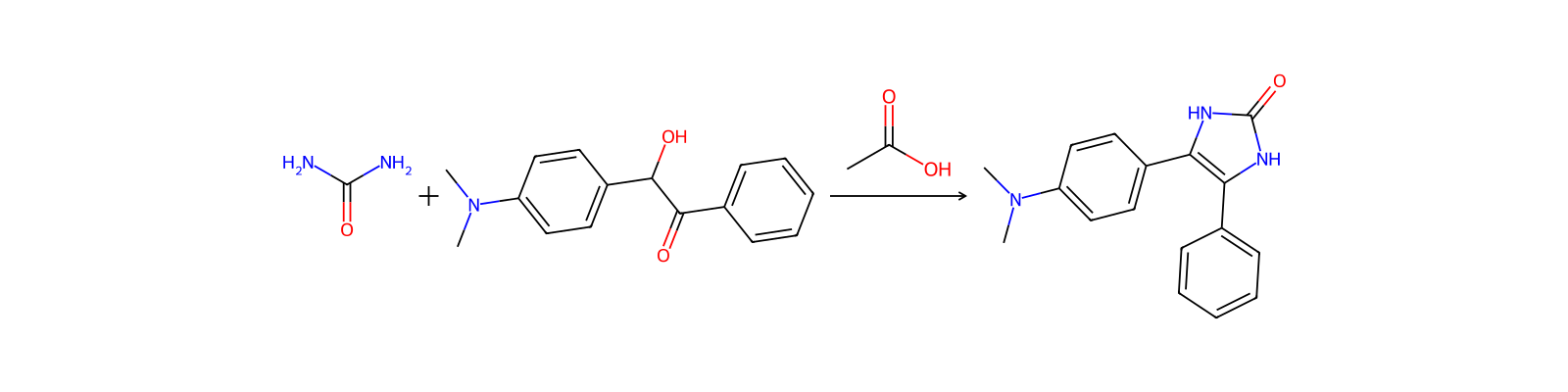
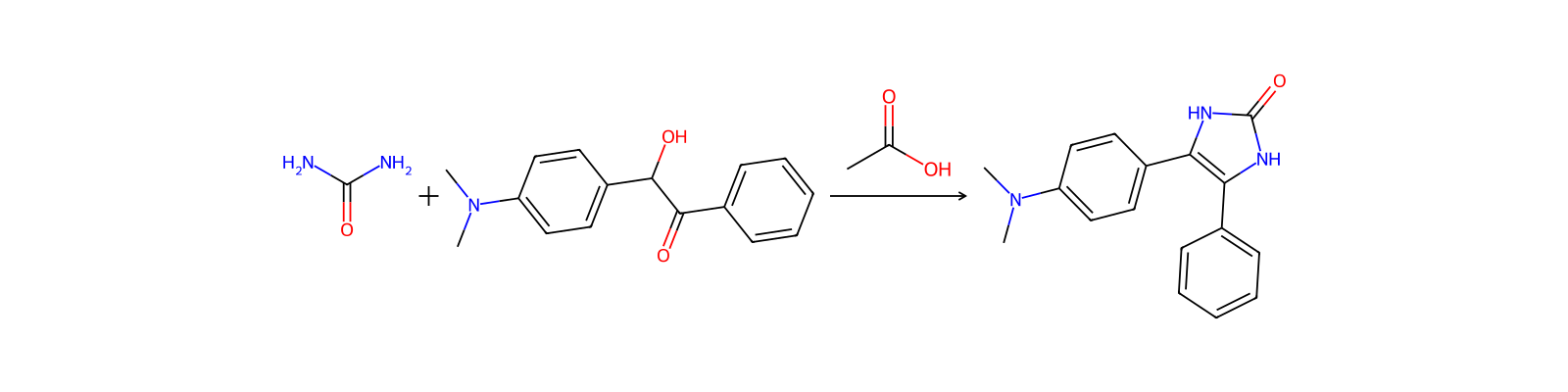
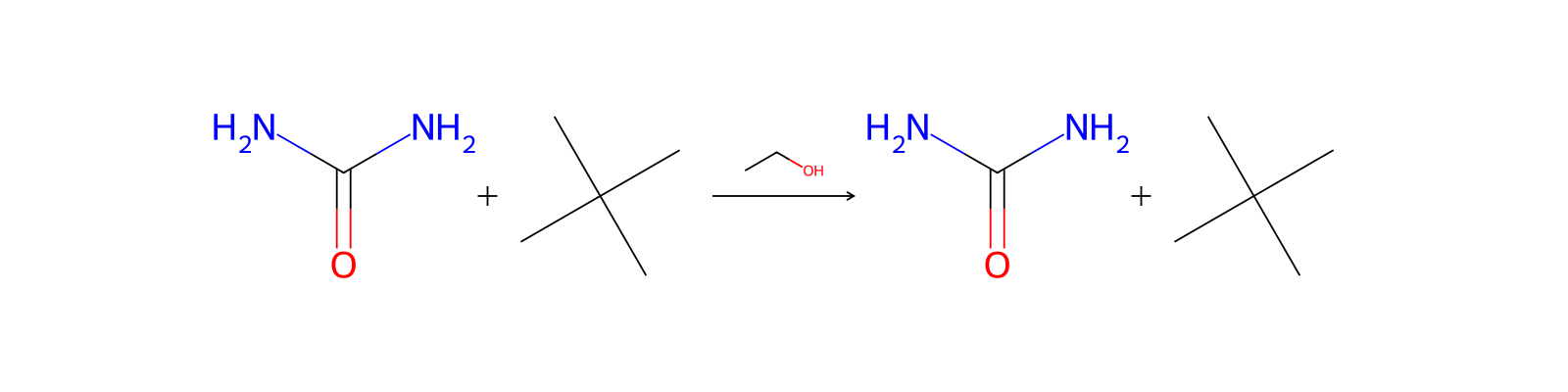
2,298 records




Linked notes
Loading…