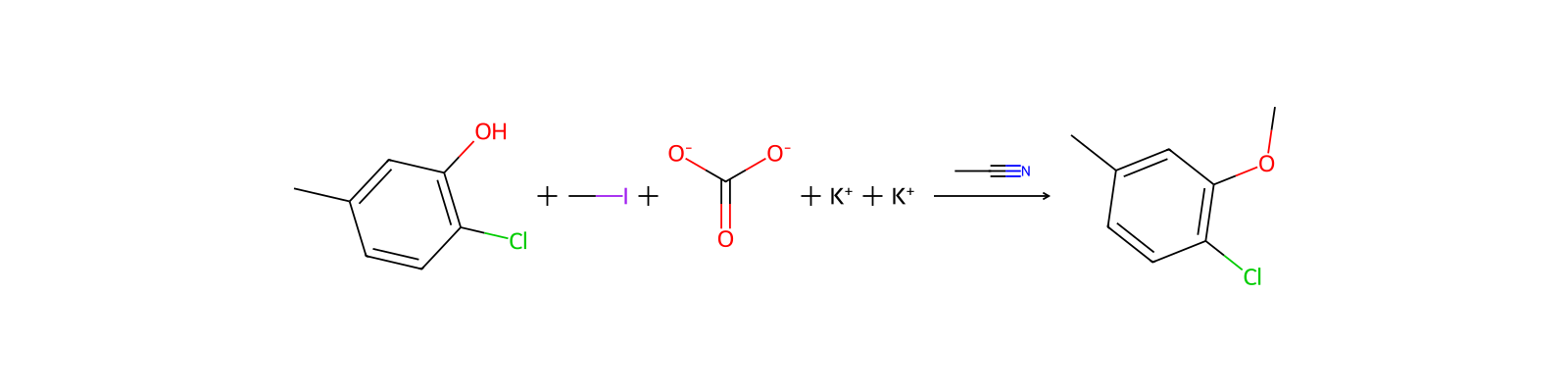
HRID 17904As reactant
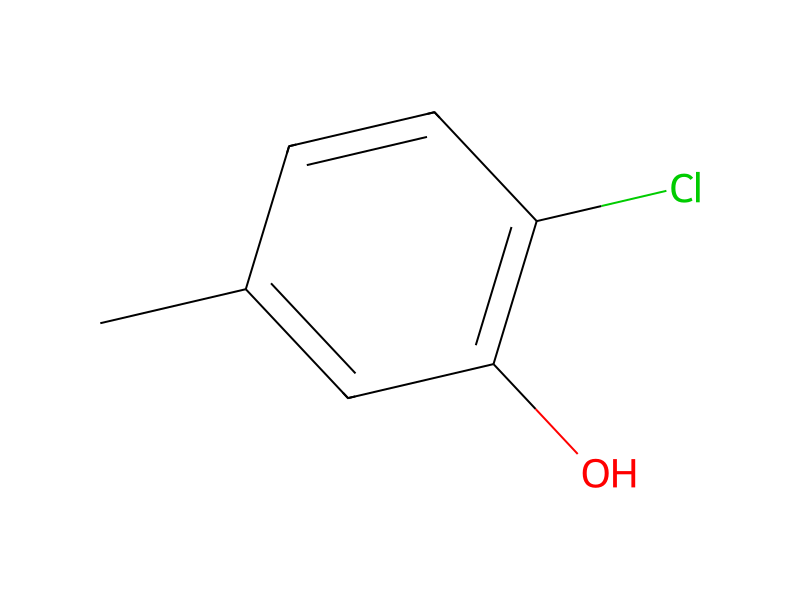
54548-50-4Cc1ccc(Cl)c(O)c1SMFHPCZZAAMJJO-UHFFFAOYSA-N54548-50-4、615-74-7DTXSID1046558CHEMBL3186024Very soluble in ethanol
Greater than 1.00 mg/l in water
Safety information is for reference only and does not replace the supplier’s Safety Data Sheet (SDS), applicable regulations, or professional assessment.
Danger
H302 (51.2%): Harmful if swallowed [Warning Acute toxicity, oral]
P261, P264, P264+P265, P270, P271, P272, P273, P280, P301+P317, P302+P352, P304+P340, P305+P351+P338, P305+P354+P338, P317, P319, P321, P330, P332+P317, P333+P317, P337+P317, P362+P364, P391, P403+P233, P405, and P501 (click each P-code to see the statement)
Aggregated GHS information provided per 84 reports by companies from 6 notifications to the ECHA C&L Inventory. Each notification may be associated with multiple companies.
Chemical: Phenol, 2-chloro-5-methyl-
2-Chloro-5-methylphenol: Does not have an individual approval but may be used under an appropriate group standard
SRP: At the time of review, criteria for land treatment or burial (sanitary landfill) disposal practices are subject to significant revision. Prior to implementing land disposal of waste residue (including waste sludge), consult with environmental regulatory agencies for guidance on acceptable disposal practices.
Uses2-Chloro-5-methylphenol, is used as a pharmaceutical intermediate. It is also used to make other chemicals.
Uses2-Chloro-5-methylphenol was used in the synthesis of 2-(4-chlorophenyl)-2-(4-chloro-3-thiophenol)-1,1-dichloroethene.
General DescriptionSonochemical degradation of 2-chloro-5methyl phenol in aqueous solution in the presence of TiO2 and H2O2 has been reported.

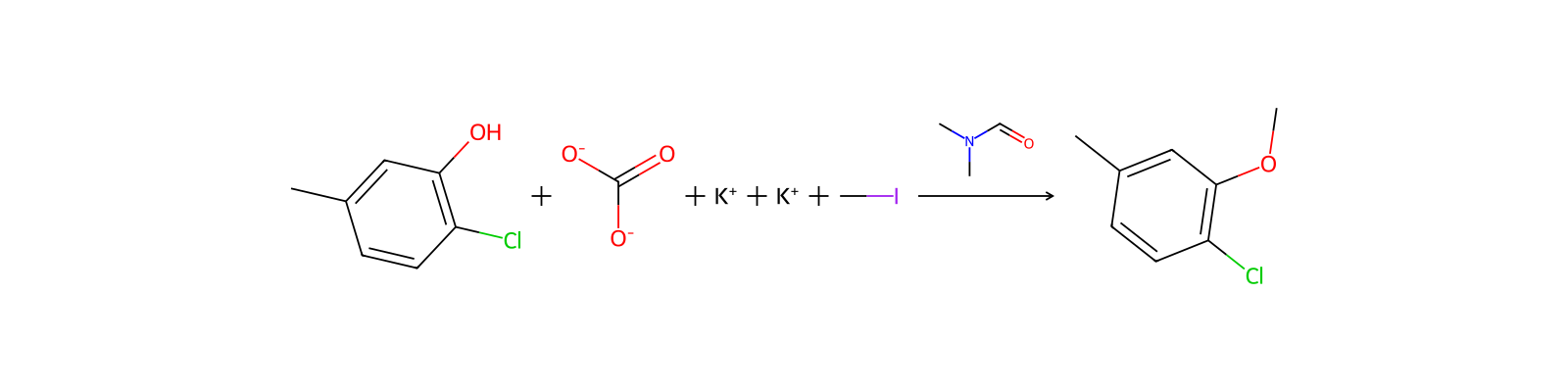
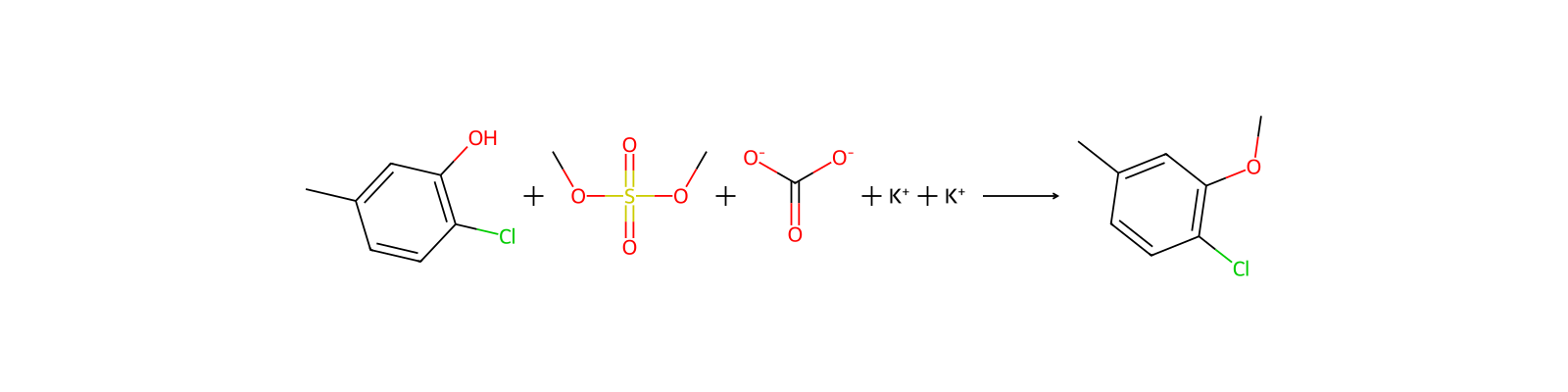
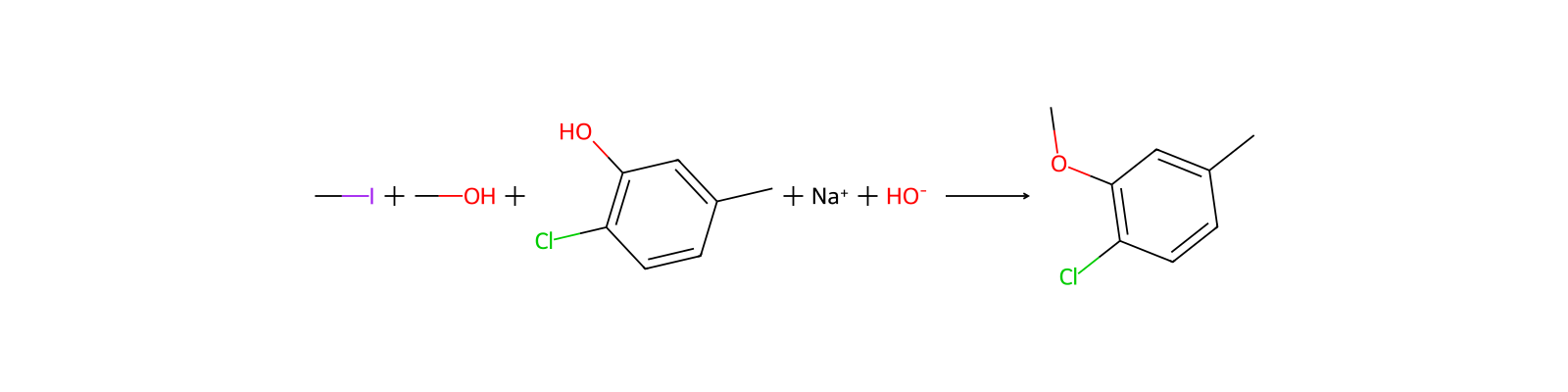
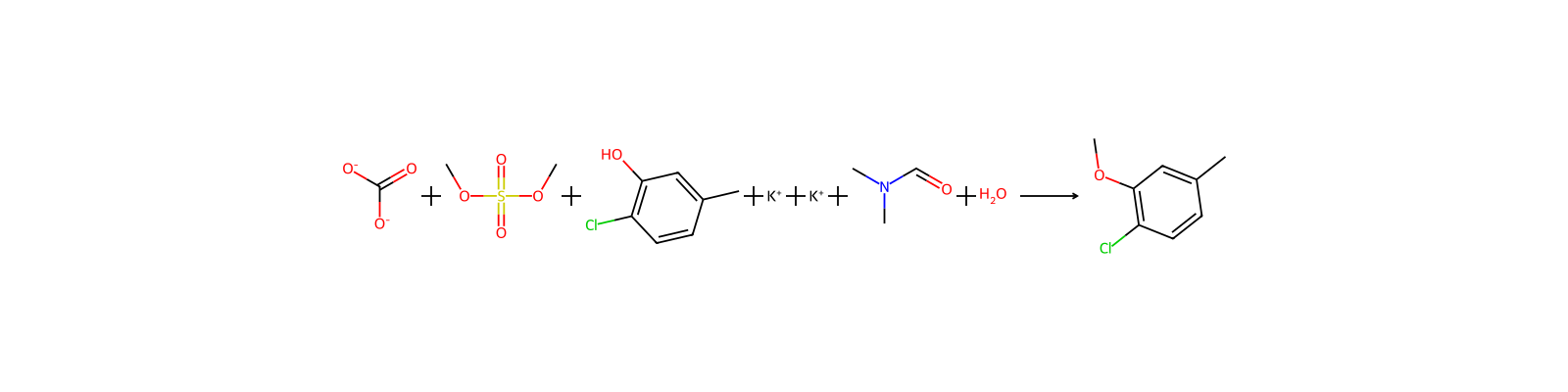
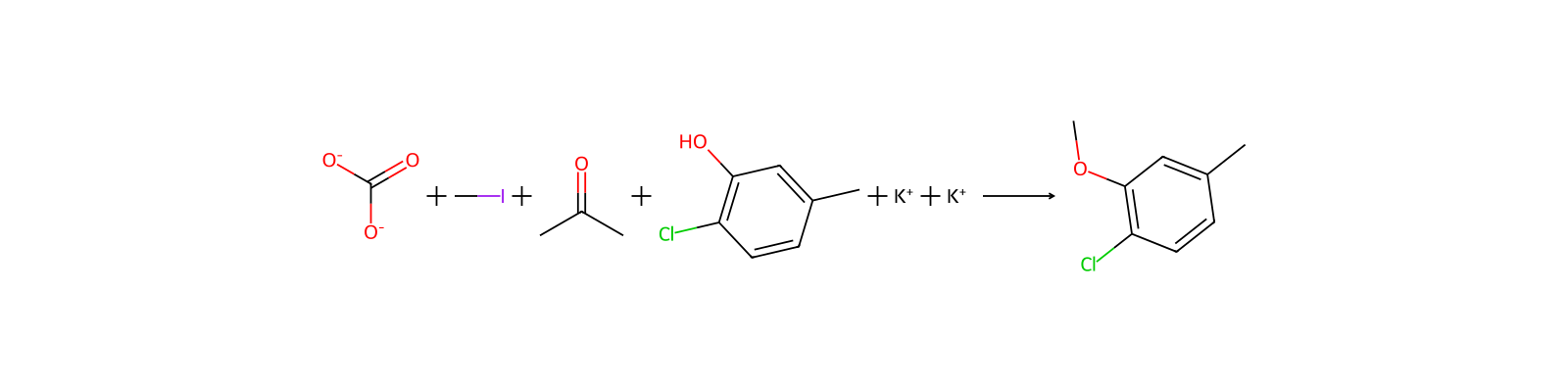
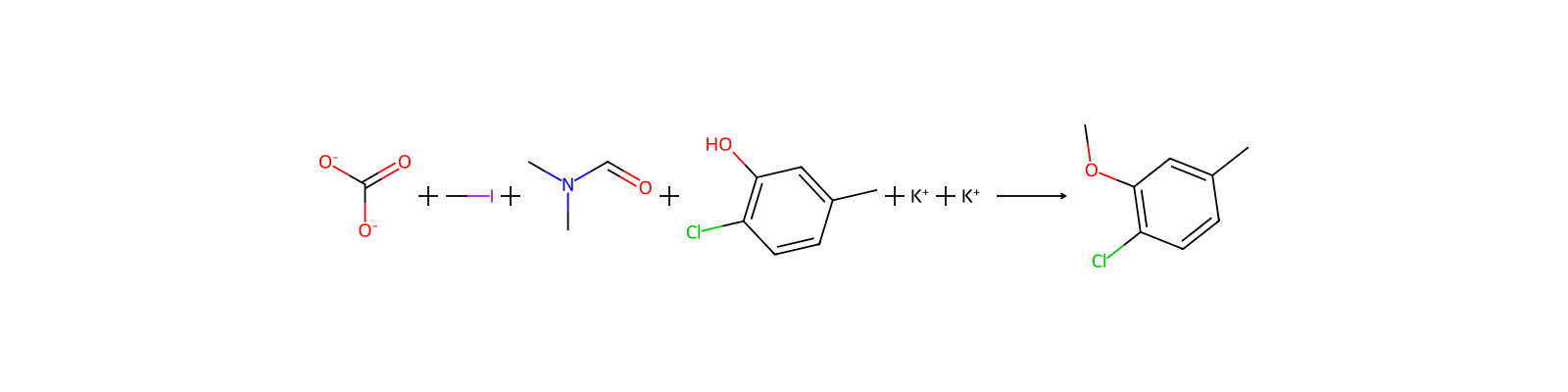
TERRESTRIAL FATE: According to a classification scheme(1), the measured Koc values of structurally similar compounds, 490 for 3-methyl-4-chlorophenol(2) and 124 to 645 for 4-chloro-2-methylphenol(3), indicate that 3-methyl-6-chlorophenol is expected to have moderate mobility in soil(SRC). Volatilization of 3-methyl-6-chlorophenol from moist soil surfaces is expected to be a slow environmental fate process(SRC) given an estimated Henry's Law constant of 4.6X10⁻⁷ atm-cu m/mole(SRC), using a fragment constant estimation method(4). 3-Methyl-6-chlorophenol is not expected to volatilize from dry soil surfaces(SRC) based upon an estimated vapor pressure of 4.1X10⁻² mm Hg(SRC), determined from a fragment constant method(5). The half-life of 3-methyl-6-chlorophenol was 2.1 days in basic sandy silt loam and 12.5 days in acidic sandy loam(6), suggesting that biodegradation may be an important environmental fate process in soil.
AQUATIC FATE: According to a classification scheme(1), the measured Koc values of structurally similar compounds, 490 for 3-methyl-4-chlorophenol(2) and 124 to 645 for 4-chloro-2-methylphenol(3), indicate that 3-methyl-6-chlorophenol is expected to adsorb very little to suspended solids and sediment(SRC). Slow volatilization from water surfaces is expected(4) based upon an estimated Henry's Law constant of 4.6X10⁻⁷ atm-cu m/mole(SRC), developed using a fragment constant estimation method(5). Using this Henry's Law constant and an estimation method(4), volatilization half-lives for a model river and model lake are 96 days and 700 days, respectively(SRC). According to a classification scheme(6), BCF values ranging from 1.2-4.7(7) suggest the potential for bioconcentration in aquatic organisms is low(SRC). Chlorinated phenols will undergo photolysis in aqueous solutions as a result of ultraviolet irradiation, and that photodegradation leads to the substitution of hydroxyl groups in place of the chlorine atoms with subsequent polymer formation(8). 3-Methyl-6-chlorophenol, at an initial concentration of 12.0 mg/l, was not biodegraded in a repetative die-away single addition closed bottle test with an activated sludge concentration of 30 mg/l after 28 days(9).
ATMOSPHERIC FATE: According to a model of gas/particle partitioning of semivolatile organic compounds in the atmosphere(1), 3-methyl-6-chlorophenol, which has an estimated vapor pressure of 4.1X10⁻² mm Hg at 25 °C(SRC), determined from a fragment constant method(2), is expected to exist solely as a vapor in the ambient atmosphere. Vapor-phase 3-methyl-6-chlorophenol is degraded in the atmosphere by reaction with photochemically-produced hydroxyl radicals(SRC); the half-life for this reaction in air is estimated to be 15 hours(SRC), calculated from its estimated rate constant of 2.6X10⁻¹¹ cu cm/molecule-sec at 25 °C that was derived using a structure estimation method(3). The UV absorption spectrum of the structurally similar compounds 3-methyl-4-chlorophenol and 4-chloro-2-methylphenol both exhibit absorption above 290 nm(4,5). Based on these compounds, 3-methyl-6-chlorophenol is expected to show absorption above 290 nm which suggests potential for direct photolysis.
3-Methyl-4-chlorophenol and 4-chloro-2-methylphenol, which are structurally related to 3-methyl-6-chlorophenol, have measured Koc values of 490(1) and 124-645(2), respectively. According to a classification scheme(3), these Koc values generally suggest that 3-methyl-6-chlorophenol is expected to have moderate mobility in soil(SRC).
Although production and use data for 3-methyl-6-chlorophenol have not been found, it is expected that this chemical will be generated as an impurity during the production of 3-methyl-4-chlorophenol since 3-methyl-4-chlorophenol is produced by the chlorination of m-cresol(1). In addition, 3-methyl-6-chlorophenol is formed in chlorinated waters from the reaction of hypochlorite with phenolic impurities(2). The inadvertent production of 3-methyl-6-chlorophenol through these pathways may result in its release to the environment through various waste streams.
AEROBIC: No carbon dioxide was produced after 28 days in a carbon dioxide determination biodegradability screening test with an initial 3-methyl-6-chlorophenol concentration of 16.6-17.2 mg/l(1). 3-Methyl-6-chlorophenol, present at 100 mg/l, reached 0-11 percent of its theoretical BOD in 4 weeks using an activated sludge inoculum at 30 mg/l and the Japanese MITI test(2). 3-Methyl-6-chlorophenol was shown to biodegrade to 29, 98, and 18 percent of its initial concentrations of 8.5 mg/l, 17.0 mg/l, and 34.0 mg/l, respectively, in modified screening tests with 15 mg/l preconditioned activated sludge(3). 3-Methyl-6-chlorophenol, at an initial concentration of 12.0 mg/l, was not biodegraded in a repetative die-away single addition closed bottle test with an activated sludge concentration of 30 mg/l after 28 days(3). The half-life of 3-methyl-6-chlorophenol was 2.1 days in basic sandy silt loam and 12.5 days in acidic sandy loam(4).
Bioconcentration tests on carp with an average lipid content of 4.9 percent were conducted in a continuous flow system with six weeks exposure(1). BCF values measured in carp at initial 3-methyl-6-chlorophenol concentrations of 2 ug/l and 20 ug/l ranged from less than 2.7 to 4.0 and from 1.2 to 4.0, respectively(1). According to a classification scheme(2), these BCF ranges suggest the potential for bioconcentration in aquatic organisms is low(SRC).
The Henry's Law constant for 3-methyl-6-chlorophenol is estimated as 4.6X10⁻⁷ atm-cu m/mole(SRC) using a fragment constant estimation method(1). This Henry's Law constant indicates that 3-methyl-6-chlorophenol is expected to volatilize slowly from water surfaces(2). Based on this Henry's Law constant, the volatilization half-life from a model river (1 m deep, flowing 1 m/sec, wind velocity of 3 m/sec)(2) is estimated as 96 days(SRC). The volatilization half-life from a model lake (1 m deep, flowing 0.05 m/sec, wind velocity of 0.5 m/sec)(2) is estimated as 700 days(SRC). 3-Methyl-6-chlorophenol is not expected to volatilize from dry soil surfaces(SRC) based upon an estimated vapor pressure of 4.1X10⁻² mm Hg(SRC), determined from a fragment constant method(3).
The rate constant for the vapor-phase reaction of 3-methyl-6-chlorophenol with photochemically-produced hydroxyl radicals has been estimated as 2.6X10⁻¹¹ cu cm/molecule-sec at 25 °C(SRC) using a structure estimation method(1). This corresponds to an atmospheric half-life of about 15 hours at an atmospheric concentration of 5X10+5 hydroxyl radicals per cu cm(1). 3-Methyl-6-chlorophenol is not expected to undergo hydrolysis in the environment since phenols are generally resistant to hydrolysis(2,3). The UV absorption spectrum of the structurally similar compounds 3-methyl-4-chlorophenol and 4-chloro-2-methylphenol both exhibit absorption above 290 nm(3,4). Other similar compounds (chlorophenol, dichlorophenol) have been shown to photodegrade in sunlight or UV light (above 290 nm), but the rate at which photolysis may occur in the environment has not been determined(3,5). Chlorinated phenols will undergo photolysis in aqueous solutions as a result of ultraviolet irradiation, and that photodegradation leads to the substitution of hydroxyl groups in place of the chlorine atoms with subsequent polymer formation(5). Based on the behavior of structurally similar compounds, 3-methyl-6-chlorophenol is expected to show absorption above 290 nm which suggests potential for direct photolysis.
Although production and use data for 3-methyl-6-chlorophenol have not been found, it is expected that this chemical will be generated as an impurity during the production of 3-methyl-4-chlorophenol since 3-methyl-4-chlorophenol is produced by the chlorination of m-cresol. In addition, 3-methyl-6-chlorophenol is formed in chlorinated waters from the reaction of hypochlorite with phenolic impurities. The inadvertent production of 3-methyl-6-chlorophenol through these pathways may result in its release to the environment through various waste streams. If released to air, an estimated vapor pressure of 4.1X10⁻² mm Hg at 25 °C indicates 3-methyl-6-chlorophenol will exist solely as a vapor in the ambient atmosphere. Vapor-phase 3-methyl-6-chlorophenol will be degraded in the atmosphere by reaction with photochemically-produced hydroxyl radicals; the half-life for this reaction in air is estimated to be 15 hours. The UV absorption spectrum of the structurally similar compounds 3-methyl-4-chlorophenol and 4-chloro-2-methylphenol both exhibit absorption above 290 nm. Based on the absorption of these compounds, 3-methyl-6-chlorophenol is expected to show absorption above 290 nm which suggests potential for direct photolysis. If released to soil, 3-methyl-6-chlorophenol is expected to have moderate mobility based upon the measured Koc values of structurally similar compounds ranging from 124 to 645, with most of these values falling within the Koc range for moderate mobility. Volatilization from moist soil surfaces is expected to be a slow environmental fate process based upon an estimated Henry's Law constant of 4.6X10⁻⁷ atm-cu m/mole. 3-Methyl-6-chlorophenol is not expected to volatilize from dry soil surfaces based upon its vapor pressure. 3-Methyl-6-chlorophenol is expected to biodegrade in soil based on a half life of 2.1 days in basic sandy silt loam. If released into water, 3-methyl-6-chlorophenol is expected to adsorb very little to suspended solids and sediment based upon the measured Koc values of structurally similar compounds. 3-Methyl-6-chlorophenol is not expected to biodegrade in the aquatic environment based on a repetitive die-away closed bottle test using activated sludge that showed no biodegradation after 28 days. Volatilization from water surfaces is expected to be an important fate process based upon this compound's estimated Henry's Law constant. Estimated volatilization half-lives for a model river and model lake are 96 days and 700 days, respectively. Measured BCF values in carp ranging from 1.2 to 4.7 suggest bioconcentration in aquatic organisms is low. 3-Methyl-6-chlorophenol is not expected to undergo hydrolysis in the environment since phenols are generally resistant to hydrolysis. Occupational exposure to 3-methyl-6-chlorophenol may occur through inhalation and dermal contact with this compound at workplaces where chemical precursors to 3-methyl-6-chlorophenol are produced or used. (SRC)
Basic treatment: Establish a patent airway. Suction if necessary. Watch for signs of respiratory insufficiency and assist ventilation if necessary. Administer oxygen by nonrebreather mask at 10 to 15 L/min. Monitor for pulmonary edema and treat if necessary ... . Monitor for shock and treat if necessary ... . Anticipate seizures and treat if necessary ... . For eye contamination, flush eyes immediately with water. Irrigate each eye continuously with normal saline during transport ... . Administer activated charcoal ... . Do not use emetics. Cover skin burns with dry, sterile dressings after decontamination ... . Maintain body temperature. /Phenols and related compounds/
Advanced treatment: Consider orotracheal or nasotracheal intubation for airway control in the patient who is unconscious or in respiratory arrest. Positive pressure ventilation techniques with a bag valve mask device may be beneficial. Monitor cardiac rhythm and treat arrhythmias if necessary... . Start an IV with D5W /SRP: "To keep open", minimal flow rate/. Use lactated Ringer's if signs of hypovolemia are present. Watch for signs of fluid overload. Consider drug therapy for pulmonary edema... . For hypotension with signs of hypovolemia, administer fluid cautiously. Consider vasopressors for hypotension with a normal fluid volume. Watch for signs of fluid overload... . Administer 1% solution methylene blue if patient is symptomatic with severe hypoxia, cyanosis, and cardiac compromise not responding to oxygen. ... .Treat seizures with diazepam (Valium). ...Use proparacaine hydrochloride to assist eye irrigation... . /Phenols and related compounds/