
4-Chlorobutyronitrile
Completing data — refresh the page later to see the latest

Basic information
- CAS
628-20-6- Standard SMILES
N#CCCCCl- InChIKey
ZFCFBWSVQWGOJJ-UHFFFAOYSA-N- Molecular formula
- C4H6ClN
- Average molar mass
- 103.55 g/mol
- Monoisotopic mass
- 103.01887687
Names & identifiers
- Preferred name
- 4-Chlorobutyronitrile
- IUPAC
- 4-chlorobutanenitrile
- English name
- 4-Chlorobutyronitrile
- Molecular formula
- C4H6ClN
- Molecular weight
- 103.55
Names & synonyms
4-Chlorobutyronitrile628-20-64-ChlorobutanenitrileButanenitrile, 4-chloro-gamma-ChlorobutyronitrileBUTYRONITRILE, 4-CHLORO-C4H6ClN4-chloro-butyronitrileMFCD00001972.gamma.-Chlorobutyronitrile9JDK6275GPNSC-8410
Show more names
orobutyronitriL4-chloronitrile4- chloridenitrilechlorobutyronitrile4-Chlorbutyronitrile4-chloro-butyronitril4-chloro-butanenitril
1-Chloro-3-cyanopropaneNSC 8410; gamma-ChlorobutyronitrileNSC 8410EINECS 211-031-6BRN 1633582AI3-523254chlorobutyronitrile?-Chlorobutyronitrile
Database identifiers
- CAS
628-20-6- PubChem CID
- 12336
- DTXSID
DTXSID0060850- UNII
- 9JDK6275GP
- EC Number
- 211-031-6
- Nikkaji
- J519C
Properties
Computed structural propertiesFilling in
- XLogP
- 0.6
- Topological polar surface area
- 23.8 Ų
- Hydrogen bond donors
- 0
- Hydrogen bond acceptors
- 1
- Rotatable bonds
- 2
- Heavy atoms
- 6
- Formal charge
- 0
- Complexity
- 61.2
Experimental & physicochemical properties
Chemical ClassesNitrogen Compounds -> Nitriles
SpringerMaterials PropertiesSchoenflies notation
LogP0.56
Vapor Pressure1.0 [mmHg]
Physical DescriptionWhite to light yellow liquid; [CHRIS] Colorless liquid; [Alfa Aesar MSDS]
Physicochemical properties
- Boiling point
- 195 · 195-197 °C (lit.)
- Density
- 1.095 g/mL · 1.095 g/mL at 20 °C
- refractive index
- 20 · n20/D 1.442(lit.)
- Flash point
- 185 °F · 185 °F
- storage temp.
- Inert atmosphere,Room Temperature
- solubility
- Chloroform, Ethyl Acetate (Slightly)
- form
- Liquid
Safety & regulation
Safety information is for reference only and does not replace the supplier’s Safety Data Sheet (SDS), applicable regulations, or professional assessment.
GHS classification
GHS Classification
Danger
H301 (100%): Toxic if swallowed [Danger Acute toxicity, oral]
P261, P264, P264+P265, P270, P271, P280, P301+P316, P302+P352, P304+P340, P305+P351+P338, P319, P321, P330, P332+P317, P337+P317, P362+P364, P403+P233, P405, and P501 (click each P-code to see the statement)
Aggregated GHS information provided per 101 reports by companies from 7 notifications to the ECHA C&L Inventory. Each notification may be associated with multiple companies.
Hazard information
Regulatory Information4-Chlorobutyronitrile: Does not have an individual approval but may be used under an appropriate group standard
Hazards SummaryAn eye irritant; [CAMEO] An eye, nose, and throat irritant; [CHRIS] A skin and strong eye irritant; Toxic by ingestion; [Alfa Aesar MSDS] See 3-Chloropropanonitrile.
Hazard Classes and CategoriesAcute Tox. 3 (100%)
Safety & protection
Exposure Control and Personal Protection
TIH (Toxic Inhalation Hazard) - Term used to describe gases and volatile liquids that are toxic when inhaled. Some are TIH materials themselves, e.g., chlorine, and some release TIH gases when spilled in water, e.g., chlorosilanes. [ERG 2016].
Toxicology
Adverse EffectsOther Poison - Chemical Asphyxiant
Chemistry & industry
Uses & manufacturing
General Manufacturing InformationButanenitrile, 4-chloro-: ACTIVE
Applications
Uses4-Chlorobutyronitrile (cas# 628-20-6) is a compound useful in organic synthesis.
General DescriptionA liquid. Flash point 85°F. Density about 9.7 lb / gal and practically insoluble in water (2 parts/100 parts water). Hence sinks in water. Vapors are heavier than air. Irritates the eyes but not to the skin. Releases hydrogen chloride, hydrogen cyanide, and hydrogen bromide gases when heated or involved in a fire.
Upstream & downstream products
Upstream raw materials
Downstream products
Related reactions
108 records
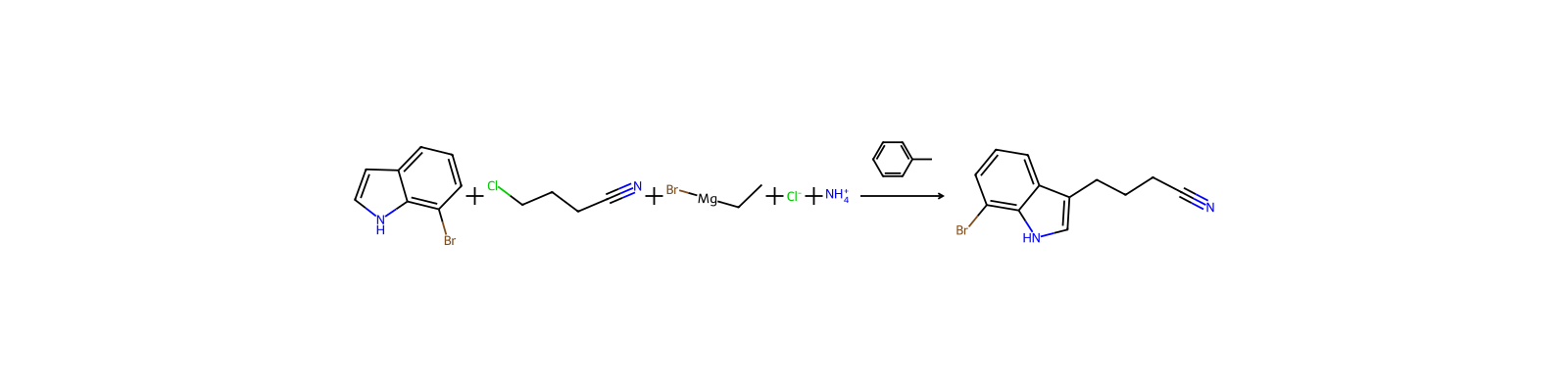


Compound notes
Loading…