PFASPFAS -> PFAS identified in REACH Regulation EC No. 1272/2008
Physicochemical properties
Melting point
0 °C · <0°C
Boiling point
65 · 65-67 °C/13 hPa
Density
1.15 · 1.15
refractive index
1.39 · 1.39
Flash point
36 °C · 36 °C
storage temp.
2 · 2-8°C
solubility
Slightly miscible with chloroform.
form
clear liquid
color
Colorless to Light yellow
Specific Gravity
1.151 · 1.151
Water Solubility
DECOMPOSES
Sensitive
Moisture Sensitive
Hydrolytic Sensitivity
8 · 8: reacts rapidly with moisture, water, protic solvents
Safety & regulation
Safety information is for reference only and does not replace the supplier’s Safety Data Sheet (SDS), applicable regulations, or professional assessment.
GHS classification
GHS Classification · 4 items
Danger
H226 (100%): Flammable liquid and vapor [Warning Flammable liquids]
P210, P233, P240, P241, P242, P243, P260, P261, P264, P271, P280, P301+P330+P331, P302+P361+P354, P303+P361+P353, P304+P340, P305+P354+P338, P316, P319, P321, P363, P370+P378, P403+P233, P403+P235, P405, and P501 (click each P-code to see the statement)
Aggregated GHS information provided per 58 reports by companies from 12 notifications to the ECHA C&L Inventory. Each notification may be associated with multiple companies.
Status: Active Update: 20-12-2022 https://echa.europa.eu/registration-dossier/-/registered-dossier/27312
Butyldimethylsilyl trifluoromethanesulphonate, t-: Does not have an individual approval but may be used under an appropriate group standard
Hazard Classes and CategoriesFlam. Liq. 3 (100%)
Safety data
F
10-21
PPE
Faceshields, Gloves, Goggles, type ABEK (EN14387) respirator filter
wgk
3
tsca
No
ridadr
UN 2920 8/PG 2
hs_code
2931900090
risk_code
10-34-37
Signal word
Danger
Symbol(GHS)
GHS02,GHS05,GHS07
Chemistry & industry
Applications · 3 items
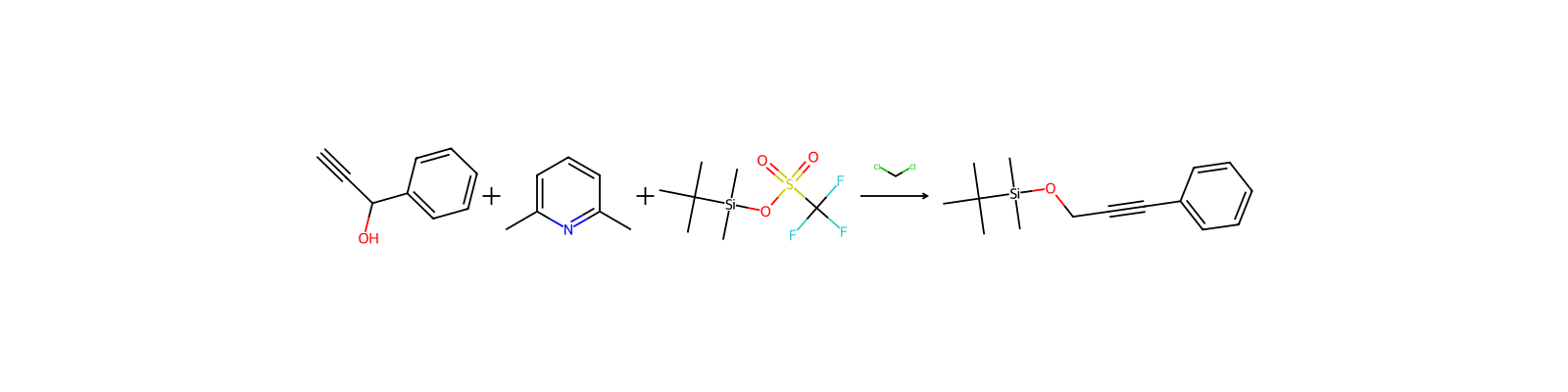
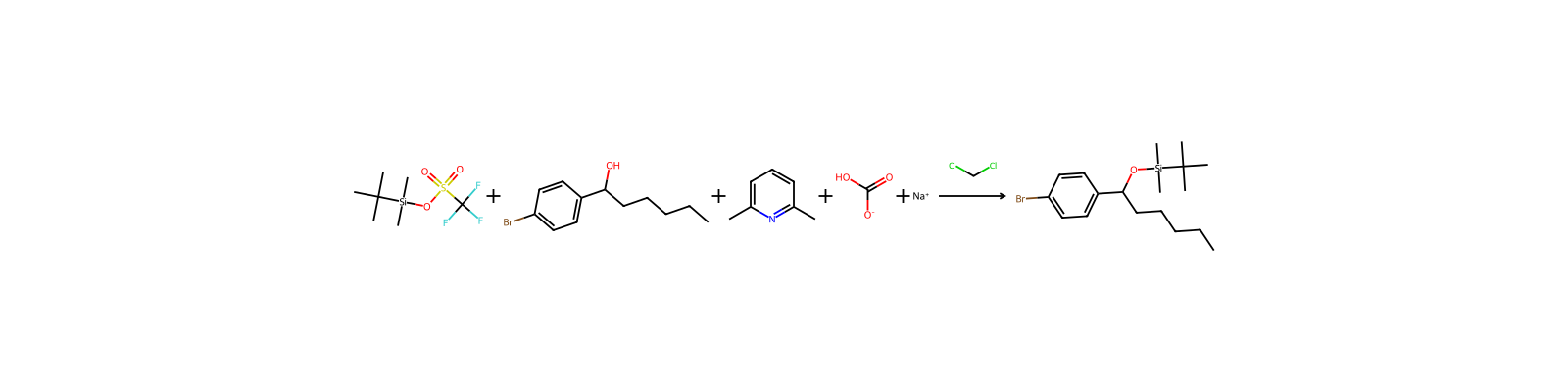
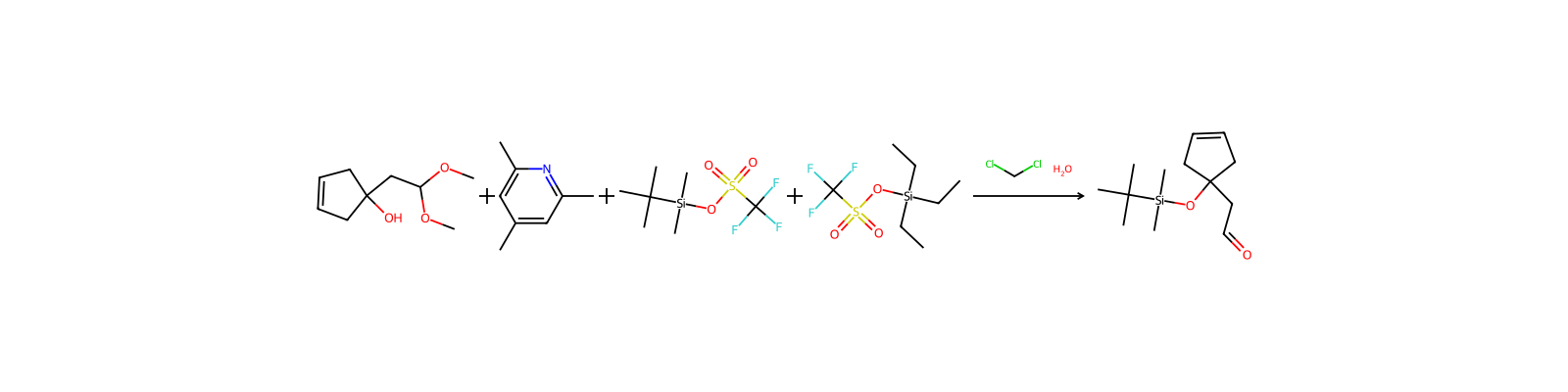
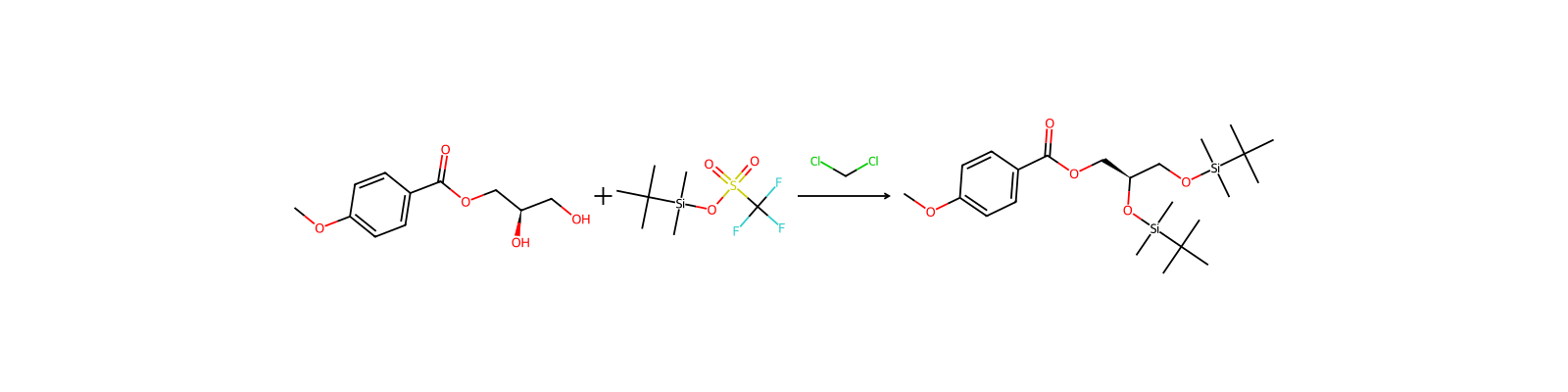
Usest-Butyldimethylsilyl Trifluoromethanesulfonate is used as a highly reactive silylating agent and Lewis acid capable of converting primary, secondary, and tertiary alcohols1b to the corresponding TBDMS ethers, and converting ketones and lactones, into their enol silyl ethers; promoting conjugate addition of alkynylzinc compounds and triphenylphosphine5 to α,β-enones; activation of chromones in [4 + 2] cycloaddition reactions;rearrangement of allylic tributylstannyl silyl ethers; activation of pyridine rings toward Grignard reagents and transalkylation of tertiary amine N-oxides;and transformation of N-t-butoxycarbonyl groups into N-alkoxycarbonyl groups.
Usestert-Butyldimethylsilyl trifluoromethanesulfonate is involved in the introduction of a bulky tert-butyl dimethylsilyl group onto a cis-bis(alkenyl)oxirane used in Cope rearrangement. It is associated with a thiolane and promotes the chalcogenide-Morita-Baylis-Hillman reaction. Further, it is used as a highly reactive silylating agent. In addition to this, it is used to prepare enol silyl ethers by reacting with ketones and lactones.
UsesTrifluoroMethanesulfonic acid tert-butyldiMethylsilyl ester is a highly reactive silylating agent and lewis acid capable of converting primary, secondary and tertiary alcohols to their respectctive TBDMS. TrifluoroMethanesulfonic acid tert-butyldiMethylsilyl ester is also used to covert ketones and lactones into their enol silyl ethers.
Preparation methods · 1 item
Preparationto 24 g (0.16 mol) of t-butyldimethylchlorosilane at 23°C under argon is added 14 mL (0.16 mol) of trifluoromethanesulfonic acid dropwise. The solution is heated at 60°C for 10 h, at which time no further hydrogen chloride evolves (removed through a bubbler). The resulting product is distilled under reduced pressure: 34 g (80% yield) of TBDMS triflate; bp 60°C/7 mmHg.