HomeMCPWorkbenchSkills
HomeWorkbenchNotificationsMe
llms.txt · MCP GuidePrivacy Policy · Terms of Service · Supportv1.8.0
  1. Home
  2. /Compound

Menthol

HCID 1254
New noteNew reactionRequest quotes
Print preview

Completing data — refresh the page later to see the latest
Basic informationOverviewNames & identifiersPropertiesSafety & regulationChemistry & industryRelated reactionsCompound notes
Substructure searchFind similar structures

Basic information

CAS
1490-04-6
Standard SMILES
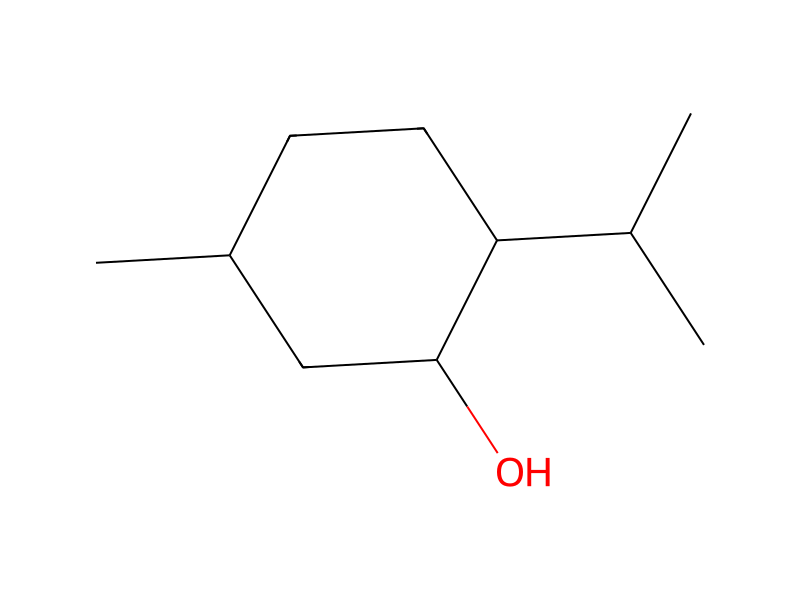
CC1CCC(C(C)C)C(O)C1
InChIKey
NOOLISFMXDJSKH-UHFFFAOYSA-N
Molecular formula
C10H20O
Average molar mass
156.26 g/mol
Monoisotopic mass
156.15141526

Overview

D,l-menthol is a white crystalline solid with a peppermint odor and taste. (NTP, 1992)

Names & identifiers

Preferred name
Menthol
IUPAC
5-methyl-2-propan-2-ylcyclohexan-1-ol
English name
DL-Menthol
Molecular formula
C10H20O
Molecular weight
156.27

Names & synonyms

MENTHOL1490-04-62-Isopropyl-5-methylcyclohexanolMenthyl alcoholMentholumCaswell No. 540Mineral ice5-Methyl-2-(1-methylethyl)cyclohexanol3-Hydroxy-p-menthane2-Isopropyl-5-methylcyclohexan-1-olCCRIS 9231DTXSID8029650
Show more names
Cyclohexanol, 5-methyl-2-(1-methylethyl)-menthanolFEMA 26651-mentholDeMentholised PepperMint Oil(+/-)-MENTHOL
EINECS 216-074-4EPA Pesticide Chemical Code 051601HSDB 593AI3-08161Therapeutic mineral iceDTXCID30805MENTHOL, UNSPECIFIED FORMEC 216-074-4

Database identifiers

CAS
1490-04-6、491-01-0、89-78-1、98167-53-4
PubChem CID
1254
DTXSID
DTXSID8029650
ChEMBL
CHEMBL256087
ChEBI
CHEBI:25187
EC Number
201-939-0、207-723-2、216-074-4、810-475-3
Nikkaji
J2.129F、J3.739.595A

Properties

Computed structural propertiesFilling in

XLogP
3
Topological polar surface area
20.2 Ų
Hydrogen bond donors
1
Hydrogen bond acceptors
1
Rotatable bonds
1
Heavy atoms
11
Formal charge
0
Complexity
120

Experimental & physicochemical properties

Chemical Classes · 2 items

Biological Agents -> Plant Oils and Extracts

Waste-water effluent contaminant

Cosmetics · 2 items

Cosmetics ingredient -> Buffering/pH Adjusting; Conditioning/Emollient; Flavor; Fragrance; Other (Specify)

Denaturant; Soothing; Refreshing; Masking

SpringerMaterials PropertiesBoiling point
Fragrances · 2 items

Fragrance Ingredient (d,l-Menthol (isomer unspecified)) -> IFRA transparency List

Fragrance Ingredient (Menthol) -> IFRA transparency List

LogPlog Kow = 3.2
Odor · 2 items

Peppermint odor /dl-Menthol/

Cooling odor /89-78-1/

Taste · 2 items

Peppermint taste /dl-Menthol/

Cooling taste /dl-Menthol/

Food AdditivesFLAVORING AGENT OR ADJUVANT -> FDA Substance added to food

Safety & regulation

Safety information is for reference only and does not replace the supplier’s Safety Data Sheet (SDS), applicable regulations, or professional assessment.

GHS classification

GHS Classification · 6 items

This chemical does not meet GHS hazard criteria for 0.4% (7 of 1989) of reports.

Warning

H315 (97.3%): Causes skin irritation [Warning Skin corrosion/irritation]

P264, P264+P265, P280, P302+P352, P305+P351+P338, P321, P332+P317, P337+P317, and P362+P364 (click each P-code to see the statement)

Aggregated GHS information provided per 1989 reports by companies from 19 notifications to the ECHA C&L Inventory. Each notification may be associated with multiple companies.

Warning

Hazard information

Regulatory Information · 6 items

Chemical: Cyclohexanol, 5-methyl-2-(1-methylethyl)-, (1R,2S,5R)-rel-

Chemical: Cyclohexanol, 5-methyl-2-(1-methylethyl)-

Hazard Traits - Fragrance Allergen

Regulation (EC) No 1831/2003 (amended)

Cyclohexanol, 5-methyl-2-(1-methylethyl)- is listed on the EPA's Chemical Data Reporting (CDR) system. Manufacturers and importers of Cyclohexanol, 5-methyl-2-(1-methylethyl)- are required to report information about their production and use of this chemical to the EPA under the Toxic Substances Control Act (TSCA). (40 eCFR Part 711)

Cyclohexanol, 5-methyl-2-(1-methylethyl)-, (1R,2S,5R)-rel- is listed on the EPA's Chemical Data Reporting (CDR) system. Manufacturers and importers of Cyclohexanol, 5-methyl-2-(1-methylethyl)-, (1R,2S,5R)-rel- are required to report information about their production and use of this chemical to the EPA under the Toxic Substances Control Act (TSCA). (40 eCFR Part 711)

Other Safety Information · 2 items

IMAP assessments - Cyclohexanol, 5-methyl-2-(1-methylethyl)-: Human health tier I assessment

IMAP assessments - Cyclohexanol, 5-methyl-2-(1-methylethyl)-, (1R,2S,5R)-rel-: Human health tier I assessment

Fire HazardsThis chemical is combustible. (NTP, 1992)

Chemistry & industry

Pharmacology

Mechanism of Action · 3 items

Exposure to low temperatures often causes allergic responses or urticaria. Similarly, menthol, a common food additive is also known to cause urticaria, asthma, and rhinitis. However, despite the obvious clinical implications, the molecular mechanisms responsible for inducing allergic responses to low temperatures and menthol have not been determined. Because a non-selective cation channel, transient receptor potential subtype M8 (TRPM8) is activated by cold and menthol, we hypothesized that this channel mediates cold- and menthol-induced histamine release in mast cells. Here, we report that TRPM8 is expressed in the basophilic leukemia mast cell line, RBL-2H3, and that exposure to menthol or low temperatures induced Ca(2+) influx in RBL-2H3 cells, which was reversed by a TRPM8 blocker. Furthermore, menthol, a TRPM8 agonist, induced the dose-dependent release of histamine from RBL-2H3 cells. When TRPM8 transcripts were reduced by siRNA (small interfering RNA), menthol- and cold-induced Ca(2+) influx and histamine release were significantly reduced. In addition, subcutaneous injection of menthol evoked scratching, a typical histamine-induced response which was reversed by a TRPM8 blocker. Thus, our findings indicate that TRPM8 mediates the menthol- and cold-induced allergic responses of mast cells, and suggest that TRPM8 antagonists be viewed as potential treatments for cold- and menthol-induced allergies. /DL-Menthol/

Menthol's characteristic cooling sensation is due, in part, to the activation of sensory neurons generally termed transient receptor potential (TRP) channels, in particular transient receptor potential melastatin family member 8 (TRPM8) and transient receptor potential subfamily A, member 1 (TRPA1). Menthol acts upon TRPM8 receptors by rapidly increasing intracellular calcium and mobilizing calcium flux through the channels to induce cold response signals at the application site. Aside from its cold-inducing sensation capabilities, menthol exhibits cytotoxic effects in cancer cells, induces reduction in malignant cell growth, and engages in synergistic excitation of GABA receptors and sodium ion channels resulting in analgesia. /DL-Menthol/

In recent years, the transient receptor potential melastatin member 8 (TRPM8) channel has emerged as a promising prognostic marker and putative therapeutic target in prostate cancer. We have found that forced overexpression of TRPM8 in PC-3 cells can inhibit the cell proliferation and motility probably through the TRPM8 activation. In this study, we aimed to investigate whether activating the TRPM8 channel by its selective agonist menthol can inhibit the proliferation and motility of androgen-independent prostate cancer (AIPC) with remarkable expression of TRPM8. Menthol is a naturally occurring compound, which has been widely used in cosmetics and pharmaceutical products, and also as flavoring in food. DU145 cells are androgen-independent but have a remarkable expression of TRPM8. The demonstration of the existence of TRPM8 and the absence of TRPA1 in DU145 cells provided the foundation for the following experiments, because both TRPM8 and TRPA1 are molecular targets of menthol. The outcome of MTT assay indicated that menthol inhibited the cell growth (p < 0.01). Cell cycle distribution and scratch assay analysis revealed that menthol induced cell cycle arrest at the G(0)/G(1) phase (p < 0.01). Furthermore, menthol inhibited the migration of DU145 cells by downregulating the focal-adhesion kinase. So it suggests that the activation of the existing TRPM8 channels may serve as a potential and pragmatic treatment for those AIPC with remarkable expression of TRPM8, and menthol is a useful compound for future development as an anticancer agent. /DL-Menthol/

Related reactions

96 records
New reaction record
HRID 34261 reaction equation
HRID 34261As productuspto-grants-1988_08
HRID 41825 reaction equation
HRID 41825As reactantuspto-grants-2013_09
HRID 98493 reaction equation
HRID 98493As reactantTraining data from https://doi.org/10.1039/C8SC04228D (2/10)
HRID 119671 reaction equation
HRID 119671As reactantTraining data from https://doi.org/10.1039/C8SC04228D (2/10)
HRID 185091 reaction equation
HRID 185091As reactantTraining data from https://doi.org/10.1039/C8SC04228D (6/10)
HRID 208036 reaction equation
HRID 208036As reactantTraining data from https://doi.org/10.1039/C8SC04228D (6/10)
HRID 231750 reaction equation
HRID 231750As productuspto-grants-1989_07
HRID 256581 reaction equation
HRID 256581As reactantuspto-grants-1993_11
Page 1 of 12

Compound notes

Loading…

On this pageBasic informationOverviewNames & identifiersPropertiesSafety & regulationChemistry & industryRelated reactionsCompound notes
More actions
New noteNew reactionRequest quotes
Density · 3 items

0.904 at 59 °F (NTP, 1992) - Less dense than water; will float

0.9131 at 18 °C

0.901 (20 °C); 0.891 (30 °C)

Flavoring AgentsEU Flavoring substances
Color/Form · 2 items

White crystals /89-78-1/

Crystals or granules /dl-Menthol/

Solubility · 6 items

less than 1 mg/mL at 70 °F (NTP, 1992)

In water, 420 mg/L at 25 °C

In water, 456 mg/L at 25 °C

Very soluble in alcohol, chloroform, ether, petroleum ether, solvent hexane; freely soluble in glacial acetic acid, liquid petrolatum and in mineral, fixed and volatile oils /dl-Menthol/

0.42 mg/mL at 25 °C

very soluble in alcohol and volatile oils; slightly soluble in water

Physicochemical properties

Melting point
34 · 34-36 °C(lit.)
Boiling point
216 °C · 216 °C(lit.)
Density
0.89 g/mL · 0.89 g/mL at 25 °C(lit.)
vapor pressure
0.8 mm · 0.8 mm Hg ( 20 °C)
FEMA
2665 · 2665 | MENTHOL RACEMIC
Flash point
200 °F · 200 °F
storage temp.
Sealed in dry,Room Temperature
solubility
Very soluble in ethanol (95%), chloroform, ether, fatty oils and liquid paraffin; freely soluble in glacial acetic acid;soluble in acetone and benzene; very slightly soluble in glycerin; practically insoluble in water.
pka
15.3 · 15.30±0.60(Predicted)
form
Solid
color
Clear Colourless
Odor
10 % · at 10.00 % in dipropylene glycol. cooling mentholic minty
Odor Type
mentholic
JECFA Number
427 · 427
Henry's Law Constant
3.1 · 3.1×10-1 mol/(m3Pa) at 25℃, Ebert et al. (2023)
Dielectric constant
3.2 · 3.2(Ambient)
Stability
Stable. Combustible. Incompatible with strong oxidizing agents.
Major Application
pharmaceutical (small molecule)
Cosmetics Ingredients Functions
REFRESHINGFRAGRANCEDENATURANTSOOTHING
InChI
1S/C10H20O/c1-7(2)9-5-4-8(3)6-10(9)11/h7-11H,4-6H2,1-3H3
InChIKey
NOOLISFMXDJSKH-UHFFFAOYSA-N
SMILES
OC1C(CCC(C1)C)C(C)C
LogP
3.3 · 3.3-3.79 at 25℃
CAS DataBase Reference
1490 · 1490-04-6(CAS DataBase Reference)
FDA 21 CFR
182.2 · 182.20; 310.545; 582.20
EWG's Food Scores
1 · 1
NCI Dictionary of Cancer Terms
menthol
NIST Chemistry Reference
Menthol(1490-04-6)
EPA Substance Registry System
Menthol (1490-04-6)
Cosmetics Info
Menthol
UNSPSC Code
41116107 · 41116107
NACRES
24 · NA.24
Symbol(GHS)
5 · GHS05,GHS07
Signal word
Danger
Hazard statements
315 · H315-H318-H335
Precautionary statements
261 · P261-P264-P271-P280-P302+P352-P305+P351+P338
target organs
Respiratory system
Hazard Codes
Xn,Xi
Risk Statements
37 · 37/38-41-48/20/22-40-22
Safety Statements
36 · 36/37/39-36-26
RIDADR
1888 · UN 1888 6.1/PG 3
WGK Germany
2 · 2
RTECS
525000 · OT0525000
TSCA
TSCA listed
HS Code
29061100 · 29061100
Storage Class
11 · 11 - Combustible Solids
Hazard Classifications
1 Skin · Eye Dam. 1Skin Irrit. 2STOT SE 3
Hazardous Substances Data
1490 · 1490-04-6(Hazardous Substances Data)
REACH Registrations
Active
Fire PotentialCombustible liquid.
Health Hazards · 1 item

SYMPTOMS: Symptoms of exposure to this compound may include irritation of the skin, eyes, mucous membranes and upper respiratory tract. Exposure may also cause hypersensitivity reactions including contact dermatitis, spasms of the glottis and collapse in young children, urticaria, flushing, headache, insomnia, unsteady gait, thick speech, tremor of the hands, mental confusion, depression, vomiting, cramp in the legs and bradycardia. Exposure to compounds of this class may cause painless blanching or erythema, possible corrosion, profuse sweating, intense thirst, nausea, diarrhea, cyanosis from methemoglobinemia, hyperactivity, stupor, blood pressure fall, hyperpnea, abdominal pain, hemolysis, convulsions, coma and pulmonary edema followed by pneumonia. If death from respiratory failure is not immediate, jaundice and oliguria or anuria may occur. These compounds occasionally cause skin sensitization.

Hazards Summary · 1 item

A mucous membrane irritant; [Hawley] Emergency treatment: Peppermint oil; [HSDB] A skin, eye, mucous membrane, and upper respiratory tract irritant; [CAMEO] A mild to moderate skin and eye irritant; [eChemPortal: SIDSUNEP] Peppermint oil causes CNS depression and hypothermia in rat feeding studies; Menthol causes ataxia, seizures, and respiratory depression in lethal dose studies of rats; It causes kidney damage and cystic lesions of the cerebellum in chronic studies; [Haddad, p. 1439] Included in list of established contact allergens in humans; [EC: Scientific Committee on Consumer Safety: Fragrance allergens in cosmetic products (2011)] An irritant; May cause serious eye injury; [MSDSonline] See l-Menthol and d-Menthol.

FDA Requirements · 4 items

Menthol is a food additive permitted for direct addition to food for human consumption as a synthetic flavoring substance and adjuvant in accordance with the following conditions: a) they are used in the minimum quantity required to produce their intended effect, and otherwise in accordance with all the principles of good manufacturing practice, and b) they consist of one or more of the following, used alone or in combination with flavoring substances and adjuvants generally recognized as safe in food, prior-sanctioned for such use, or regulated by an appropriate section in this part.

Essential oils, oleoresins (solvent-free), and natural extractives (including distillates) that are generally recognized as safe for their intended use, within the meaning of section 409 of the Act. Menthol is included on this list.

Essential oils, oleoresins (solvent-free), and natural extractives (including distillates) that are generally recognized as safe for their intended use, within the meaning of section 409 of the Act. Menthol is included on this list.

The Approved Drug Products with Therapeutic Equivalence Evaluations identifies currently marketed over-the-counter drug products, including menthol, approved on the basis of safety and effectiveness by FDA under sections 505 of the Federal Food, Drug, and Cosmetic Act.

Reactive GroupAlcohols and Polyols
Special Reports · 3 items

USEPA/Office of Prevention, Pesticides and Toxic Substances; Report of the Food Quality Protection Act (FQPA) Tolerance Reassessment Progress and Risk Management Decision (TRED) for Menthol (September 2004). EPA issues a TRED for a pesticide that requires tolerance reassessment decisions, but does not require a reregistration eligibility decision at present because: the pesticide was initially registered after November 1, 1984, and by law is not included within the scope of the reregistration program; EPA completed a RED for the pesticide before FQPA was enacted on August 3, 1996; or the pesticide is not registered for use in the U.S. but tolerances are established that allow crops treated with the pesticide to be imported from other countries.[Available from, as of July 21, 2015: http://www.epa.gov/pesticides/reregistration/status.htm]

Opdyke DL J; Monographs on Fragrance Raw Materials. Menthol Racemic p. 520-21 (1979). The natural occurrence and isolation, prepn, cosmetic and perfume uses, legal status of use in food, metabolism, and toxicology of DL-menthol are reviewed. /DL-Menthol/

Opdyke DL J; Monographs on Fragrance Raw Materials. L-Menthol p. 518-19 (1979). The natural occurrence and isolation, prepn, cosmetic and perfume uses, legal status of use in food, metabolism, and toxicology of L-menthol are reviewed. /L-Menthol/

FIFRA Requirements · 4 items

An exemption from the requirement of a tolerance is established for residues of the pesticidal chemical menthol in or on honey and honeycomb when used in accordance with good agricultural practice in over-wintering bee hives.

In 1993, a tolerance exemption was established for residues of menthol in or on beeswax and honey when used in accordance with good agricultural practices in over-wintering hives. The residue data submitted to the Agency in support of the tolerance exemption were adequate, and indicated that menthol residues in honey will not exceed 5 ppm as a result of the registered use. The Agency is concluding that the residue data continue to support the tolerance exemption for the active use of menthol. The technical justification for this finding is based partially on the negligible dietary exposure associated with this pesticide use when compared with the confectionary, pharmaceutical and other uses for menthol. At this time the Agency considers the tolerance exemption for menthol to be reassessed.

In January 1993, a Reregistration Eligibility Decision (RED) was made for menthol, although the Agency determined that the need for full documentation was waived (i.e., an actual RED document was not issued).

As the federal pesticide law FIFRA directs, EPA is conducting a comprehensive review of older pesticides to consider their health and environmental effects and make decisions about their continued use. Under this pesticide reregistration program, EPA examines newer health and safety data for pesticide active ingredients initially registered before November 1, 1984, and determines whether the use of the pesticide does not pose unreasonable risk in accordance to newer safety standards, such as those described in the Food Quality Protection Act of 1996. Pesticides for which EPA had not issued Registration Standards prior to the effective date of FIFRA '88 were divided into three lists based upon their potential for human exposure and other factors, with List B containing pesticides of greater concern than those on List C, and with List C containing pesticides of greater concern than those on List D. Menthol is found on List D. Case No: 4063; Pesticide type: insecticide, rodenticide; Case Status: Pesticides in the case have been exempted from regulation under FIFRA Section 25 (b).; Active ingredient (AI): Menthol; AI Status: OPP has completed a Reregistration Eligibility Decision (RED) document for the case/AI.

Reactivity Profile · 1 item

D,L-MENTHOL is incompatible with butyl chloral hydrate, camphor, phenol, chloral hydrate, Exalgine, betanaphthol, resorcinol or thymol in triturations; potassium permanganate, chromium trioxide and pyrogallol. It is also incompatible with strong oxidizers. (NTP, 1992)

Air and Water ReactionsInsoluble in water.

Safety & protection

Fire FightingFires involving this material can be controlled with a dry chemical, carbon dioxide or Halon extinguisher. (NTP, 1992)
First Aid · 1 item

EYES: First check the victim for contact lenses and remove if present. Flush victim's eyes with water or normal saline solution for 20 to 30 minutes while simultaneously calling a hospital or poison control center. Do not put any ointments, oils, or medication in the victim's eyes without specific instructions from a physician. IMMEDIATELY transport the victim after flushing eyes to a hospital even if no symptoms (such as redness or irritation) develop.

Fire Fighting ProceduresUse water spray, alcohol-resistant foam, dry chemical or carbon dioxide. Wear self-contained breathing apparatus for firefighting if necessary.
Storage ConditionsKeep container tightly closed in a dry and well-ventilated place.
Cleanup Methods · 1 item

ACCIDENTAL RELEASE MEASURES Personal precautions, protective equipment and emergency procedures Use personal protective equipment. Avoid dust formation. Avoid breathing vapors, mist or gas. Ensure adequate ventilation. Evacuate personnel to safe areas. Avoid breathing dust. For personal protection see section Environmental precautions Do not let product enter drains. Methods and materials for containment and cleaning up Pick up and arrange disposal without creating dust. Sweep up and shovel. Keep in suitable, closed containers for disposal.

Nonfire Spill Response · 1 item

SMALL SPILLS AND LEAKAGE: Should a spill occur while you are handling this chemical, FIRST REMOVE ALL SOURCES OF IGNITION, then you should dampen the solid spill material with 60-70% ethanol and transfer the dampened material to a suitable container. Use absorbent paper dampened with 60-70% ethanol to pick up any remaining material. Seal the absorbent paper, and any of your clothes, which may be contaminated, in a vapor-tight plastic bag for eventual disposal. Solvent wash all contaminated surfaces with 60-70% ethanol followed by washing with a soap and water solution. Do not reenter the contaminated area until the Safety Officer (or other responsible person) has verified that the area has been properly cleaned.

Disposal Methods · 2 items

SRP: Recycle any unused portion of the material for its approved use or return it to the manufacturer or supplier. Ultimate disposal of the chemical must consider: the material's impact on air quality; potential migration in air, soil or water; effects on animal, aquatic and plant life; and conformance with environmental and public health regulations. If it is possible or reasonable use an alternative chemical product with less inherent propensity for occupational harm/injury/toxicity or environmental contamination.

Product Offer surplus and non-recyclable solutions to a licensed disposal company. Contact a licensed professional waste disposal service to dispose of this material. Contaminated packaging Dispose of as unused product.

Preventive Measures · 4 items

Handle in accordance with good industrial hygiene and safety practice. Wash hands before breaks and at the end of workday.

Avoid contact with skin and eyes. Avoid formation of dust and aerosols. Provide appropriate exhaust ventilation at places where dust is formed. Normal measures for preventive fire protection.

Gloves must be inspected prior to use. Use proper glove removal technique (without touching glove's outer surface) to avoid skin contact with this product. Dispose of contaminated gloves after use in accordance with applicable laws and good laboratory practices. Wash and dry hands.

SRP: The scientific literature for the use of contact lenses by industrial workers is inconsistent. The benefits or detrimental effects of wearing contact lenses depend not only upon the substance, but also on factors including the form of the substance, characteristics and duration of the exposure, the uses of other eye protection equipment, and the hygiene of the lenses. However, there may be individual substances whose irritating or corrosive properties are such that the wearing of contact lenses would be harmful to the eye. In those specific cases, contact lenses should not be worn. In any event, the usual eye protection equipment should be worn even when contact lenses are in place.

Allowable TolerancesAn exemption from the requirement of a tolerance is established for residues of the pesticidal chemical menthol in or on honey and honeycomb when used in accordance with good agricultural practice in over-wintering bee hives.
Personal Protective Equipment (PPE) · 5 items

RECOMMENDED RESPIRATOR: Where the neat test chemical is weighed and diluted, wear a NIOSH-approved half face respirator equipped with an organic vapor/acid gas cartridge (specific for organic vapors, HCl, acid gas and SO2) with a dust/mist filter. (NTP, 1992)

Skin protection: Handle with gloves.

Eye/face protection: Face shield and safety glasses Use equipment for eye protection tested and approved under appropriate government standards such as NIOSH (US) or EN 166(EU).

Respiratory protection: Where risk assessment shows air-purifying respirators are appropriate use a full-face particle respirator type N100 (US) or type P3 (EN 143) respirator cartridges as a backup to engineering controls. If the respirator is the sole means of protection, use a full-face supplied air respirator. Use respirators and components tested and approved under appropriate government standards such as NIOSH (US) or CEN (EU).

Body Protection: Complete suit protecting against chemicals. The type of protective equipment must be selected according to the concentration and amount of the dangerous substance at the specific workplace.

Other Standards Regulations and GuidelinesWorkplace Environmental Exposure Level (WEEL): 8-hr Time-weighted Average (TWA) 1 ppm. Ceiling or Short-Term TWA 3 ppm (15 min). Last Revised: September 2014.

Toxicology

Interactions · 5 items

The effects of l-menthol ((-)-menthol) combined with ethyl alcohol (ethanol) on the percutaneous absorption of model drugs were studied using 2 equations and a 2-layer in vitro skin model. A nonlinear least-squares method was employed to determine 6 coefficients using the 2 equations and experimentally obtained permeability coefficient through full-thickness skin and full-thickness skin/vehicle concentration ratio. Adding menthol to water and 40% ethyl alcohol increased the diffusion coefficient of drugs in lipid and pore pathways of stratum corneum. Adding ethyl alcohol to water and 5% menthol increased drug solubility in the vehicle, decreased skin polarity, and increased the role of the pore pathway to whole-skin permeation. It was concluded that the effects of l-menthol and ethyl alcohol on percutaneous drug absorption in vitro are synergistic. /L-Menthol/

The permeability of most drugs through the eyes is very limited, so finding safe and effective penetration enhancers is of high importance in current ophthalmology research. In this paper, we use a new approach that integrates Chinese and Western medicine to improve the corneal permeability of baicalin, a water- and fat-insoluble target drug, in vitro. Rabbits were divided into three groups. The first group was dosed with borneol (0.05%, 0.1%). menthol (0.1%, 0.2%), or Labrasol (1%, 2%) individually, the second was dosed with a combination of Labrasol with either borneol or menthol, and the third group received a control treatment. Compared with the control treatment, borneol, menthol, or Labrasol alone clearly improved the permeability of baicalin in vitro. Furthermore, the penetrating effects were significantly increased by combining the application of Labrasol withmenthol or borneol. Among the various combined penetration enhancers, 0.1% borneol with 2% Labrasol achieved the best apparent permeability, approximately 16.35 times that of the control. Additionally, the calculation of corneal hydration level and the Draize test demonstrated the safety of these penetration enhancers to the rabbit corneas in vivo. This study confirms that the combined use of borneol or menthol, compounds both derived from Chinese herbs, with Labrasol can improve the corneal permeability of water- and fat-insoluble drugs. /DL-Menthol/

Inflammation and oxidative stress have been implicated in various pathological processes including skin tumorigenesis. Skin cancer is the most common form of cancer responsible for considerable morbidity and mortality, the treatment progress of which remains slow though. Therefore, chemoprevention and other strategies are being considered. Menthol has shown high anticancer activity against various human cancers, but its effect on skin cancer has never been evaluated. We herein investigated the chemopreventive potential of menthol against 9,10-dimethylbenz[a]anthracene (DMBA)/12-O-tetradecanoylphorbol-13-acetate (TPA)-induced inflammation, oxidative stress and skin carcinogenesis in female ICR mice. Pretreatment with menthol at various doses significantly suppressed tumor formation and growth, and markedly reduced tumor incidence and volume. Moreover, menthol inhibited TPA-induced skin hyperplasia and inflammation, and significantly suppressed the expression of cyclooxygenase-2 (COX-2). Furthermore, pretreatment with menthol inhibited the formation of reactive oxygen species and affected the activities of a battery of antioxidant enzymes in the skin. The expressions of NF-kappaB, Erk and p38 were down-regulated by menthol administration. Thus, inflammation and oxidative stress collectively played a crucial role in the chemopreventive efficacy of menthol on the murine skin tumorigenesis./DL-Menthol/

The aim of this research was to investigate the anti-apoptotic, antioxidant and anti-inflammatory properties of menthol against ethanol-induced gastric ulcers in rats. Wistar rats were orally treated with vehicle, carbenoxolone (100 mg/kg) or menthol (50 mg/kg) and then treated with ethanol to induce gastric ulcers. After euthanasia, stomach samples were prepared for histological slides and biochemical analyses. Immunohistochemical analyses of the cytoprotective and anti-apoptotic heat-shock protein-70 (HSP-70) and the apoptotic Bax protein were performed. The neutrophils were manually counted. The activity of the myeloperoxidase (MPO) was measured. To determine the level of antioxidant functions, the levels of glutathione (GSH), glutathione peroxidase (GSH-Px), glutathione reductase (GR) and superoxide dismutase (SOD) were measured using ELISA. The levels of the pro-inflammatory cytokines tumor necrosis factor-a (TNF-a) and interleukin-6 (IL-6) and the anti-inflammatory cytokine interleukin-10 (IL-10) were assessed using ELISA kits. The menthol treated group presented 92% gastroprotection compared to the vehicle-treated group. An increased immunolabeled area was observed for HSP-70, and a decreased immunolabeled area was observed for the Bax protein in the menthol treated group. Menthol treatment induced a decrease in the activity of MPO and SOD, and the protein levels of GSH, GSH-Px and GR were increased. There was also a decrease in the levels of TNF-a and IL-6 and an increase in the level of IL-10. In conclusion, oral treatment with menthol displayed a gastroprotective activity through anti-apoptotic, antioxidant and anti-inflammatory mechanisms./DL-Menthol/

For more Interactions (Complete) data for MENTHOL (7 total), please visit the HSDB record page.

Health Effects · 1 item

Death from respiratory failure can result in cases of severe poisoning. Persons with pre-existing skin disorders or eye problems or impaired respiratory function may be more susceptible to the effects of the substance. Menthol may give rise to hypersensitivity reactions including contact dermatitis. Hyspomia can result from poisoning too. Moreover, jaundice may occur in infants with G6PD deficiency (T36, L1264).

Ecotoxicity Values · 1 item

LC50; Species: Pimephales promelas (Fathead minnow) age 30 days, length 17.6 mm, weight 0.079 g; Conditions: freshwater, flow through, 24.4 °C, pH 7.7, hardness 44.5 mg/L CaCO3, alkalinity 44.5 mg/L CaCO3, dissolved oxygen 6.8 mg/L; Concentration: 18900 ug/L for 96 hr /99% purity/

Environmental Fate · 3 items

TERRESTRIAL FATE: Based on a classification scheme(1), an estimated Koc value of 88(SRC), determined from a structure estimation method(2), indicates that menthol is expected to have high mobility in soil(SRC). Volatilization of menthol from moist soil surfaces is expected(SRC) given an estimated Henry's Law constant of 2.6X10⁻⁵ atm-cu m/mole(SRC), using a fragment constant estimation method(2). Menthol is not expected to volatilize from dry soil surfaces(SRC) based upon an estimated vapor pressure of 7.7X10⁻³ mm Hg at 25 °C(2). A 0% of theoretical BOD was reached using activated sludge in the Japanese MITI test(3); however, other studies indicate that DL-menthol is readily biodegradable(4). These data suggest that biodegradation may occur in soil(SRC).

AQUATIC FATE: Based on a classification scheme(1), an estimated Koc value of 88(SRC), determined from a structure estimation method(2), indicates that menthol is not expected to adsorb to suspended solids and sediment(SRC). Volatilization from water surfaces is expected(3) based upon an estimated Henry's Law constant of 2.6X10⁻⁵ atm-cu m/mole(SRC), developed using a fragment constant estimation method(2). Using this Henry's Law constant and an estimation method(3), volatilization half-lives for a model river and model lake are 2 and 18 days, respectively(SRC). Menthol is not expected to undergo hydrolysis in the environment due to the lack of functional groups that hydrolyze under environmental conditions(3). According to a classification scheme(4), BCFs of <0.5-15 measured in carp (Cyprinus carpio)(5), suggest bioconcentration in aquatic organisms is low(SRC). A 0% of theoretical BOD was reached using activated sludge in the Japanese MITI test(5); however, other studies indicate that DL-menthol is readily biodegradable(6). These data suggest that biodegradation may occur in water(SRC).

ATMOSPHERIC FATE: According to a model of gas/particle partitioning of semivolatile organic compounds in the atmosphere(1), menthol, which has an estimated vapor pressure of 7.7X10⁻³ mm Hg at 25 °C(2), is expected to exist solely as a vapor in the ambient atmosphere. Vapor-phase menthol is degraded in the atmosphere by reaction with photochemically-produced hydroxyl radicals(SRC); the half-life for this reaction in air is estimated to be 16 hours(SRC), calculated from its rate constant of 2.4X10⁻¹¹ cu cm/molecule-sec at 25 °C(SRC) that was derived using a structure estimation method(2). Menthol does not contain chromophores that absorb at wavelengths >290 nm(3) and, therefore, is not expected to be susceptible to direct photolysis by sunlight(SRC).

Food Survey ValuesMenthol has been detected in alcoholic beverages(1) and honey(2). /2216-51-5 L-menthol/
Adverse EffectsNeurotoxin - Acute solvent syndrome
Exposure RoutesOral (L1264) ; inhalation (L1264) ; dermal (L1264) ; eye exposure (L1264).
Toxicity Summary · 2 items

IDENTIFICATION AND USE: Menthol is produced as crystals or granules. DL-Menthol is used as flavoring, disinfectant and cooling compound in confectionery products, liqueurs, chewing gums, toothpastes, cosmetics and common cold ointments and medications for human purposes. L-Menthol is used in large quantities in cigarettes, cosmetics, toothpastes, chewing gum, sweets, and medicines. D-Menthol is used only in research. HUMAN EXPOSURE AND TOXICITY: A maximization test was carried out on 25 volunteers. The material was tested at a concentration of 8% in petrolatum and produced no sensitization reactions. Ingestion of high menthol doses may cause abdominal pain, convulsions, nausea, vomiting, vertigo, ataxia, drowsiness and coma. Menthol may cause allergic reactions (e.g. contact dermatitis, flushing, and headache) in certain individuals. In very few cases, all in children younger than 1 year, menthol applied to the nostrils or near the nose caused reflex apnea. In a representative sample of U.S. adults, menthol cigarette smoking was associated with increased all-cause, cardiovascular and cancer mortality with no differences compared to nonmenthol cigarettes. In the systematic review, menthol cigarette use was associated with inverse risk of cancer compared to nonmenthol cigarette use with some evidence of an increased risk for cardiovascular disease. Epidemiological studies indicate no difference in dependence among U.S. smokers who use menthol compared to non-menthol cigarettes. ANIMAL STUDIES: All studied isomers of menthol are, if applied undiluted, moderately irritating to skin. The menthol isomers are slightly irritating to the eye. In experimental animals, menthol was of low acute toxicity by oral, injection, and dermal routes. Liver and kidney changes have been seen in a number of animals mainly involving oral administration. Inhalation of menthol may produce respiratory tract injury. There was no convincing evidence of carcinogenicity in rats and mice. L-Menthol was not embryo- or fetotoxic and had no teratogenic properties in gavage studies in various species (rat, mouse, rabbit, and hamster) at not maternally toxic doses. The menthol isomers are considered non-genotoxic in bacterial and mammalian test systems in vitro. In vivo, L- and D/L-menthol have demonstrated no mutagenic potential in dominant lethal and cytogenetic tests and in a bone marrow micronucleus test in mice.

Menthol acts as a weak Kappa Opioid Receptor Agonist.

Plant Concentrations · 2 items

Mentha piperita essential oil contained 32.53 and 45.52% menthol in plants collected from the respective provinces of Jiangsu and Xinjiang, China(1).

Menthol detections in various plants(1).[Table#1693]

Signs and Symptoms · 1 item

Vapors or dust can be irritating in large amounts due to the phenolic character of the compound. The normal sensation is that of a pleasant odor. May cause allergic reaction in sensitive individuals. Toxic. Estimated fatal dose, average human, is 2 g. General gastrointestinal upset can occur with pain, vomiting, vertigo, drowsiness and coma. Mild irritant but may cause pain or inflammation on sensitive areas of the skin. Irritant due to its phenolic character. Can cause reddening and tearing (L1264).

Ongoing Test Status · 2 items

EPA has released the first beta version (version 0.5) of the Interactive Chemical Safety for Sustainability (iCSS) Dashboard. The beta version of the iCSS Dashboard provides an interactive tool to explore rapid, automated (or in vitro high-throughput) chemical screening data generated by the Toxicity Forecaster (ToxCast) project and the federal Toxicity Testing in the 21st century (Tox21) collaboration. /The title compound was tested by ToxCast and/or Tox21 assays; Click on the "Chemical Explorer" button on the tool bar to see the data./[USEPA; ICSS Dashboard Application; Available from, as of April 22, 2015: http://actor.epa.gov/dashboard/]

The following link will take the user to the National Toxicology Program (NTP) Test Agent Search Results page, which tabulates all of the "Standard Toxicology & Carcinogenesis Studies", "Developmental Studies", and "Genetic Toxicity Studies" performed with this chemical. Clicking on the "Testing Status" link will take the user to the status (i.e., in review, in progress, in preparation, on test, completed, etc.) and results of all the studies that the NTP has done on this chemical. /DL-Menthol/[Available from: http://ntp-apps.niehs.nih.gov/ntp_tox/index.cfm?fuseaction=ntpsearch.searchresults&searchterm=15356-70-4]

Effluent Concentrations · 1 item

Menthol was not detected in the effluent of a waste water treatment plant in Lahti, Finland(1). Storm water runoff collected in center city and a bus station contained L-menthol, however a third sample collected in a ditch by a meadow in a suburban area did not contain L-menthol(1). /2216-51-5 L-menthol/

Regulatory information

FDA Requirements · 4 items

Menthol is a food additive permitted for direct addition to food for human consumption as a synthetic flavoring substance and adjuvant in accordance with the following conditions: a) they are used in the minimum quantity required to produce their intended effect, and otherwise in accordance with all the principles of good manufacturing practice, and b) they consist of one or more of the following, used alone or in combination with flavoring substances and adjuvants generally recognized as safe in food, prior-sanctioned for such use, or regulated by an appropriate section in this part.

Essential oils, oleoresins (solvent-free), and natural extractives (including distillates) that are generally recognized as safe for their intended use, within the meaning of section 409 of the Act. Menthol is included on this list.

Essential oils, oleoresins (solvent-free), and natural extractives (including distillates) that are generally recognized as safe for their intended use, within the meaning of section 409 of the Act. Menthol is included on this list.

The Approved Drug Products with Therapeutic Equivalence Evaluations identifies currently marketed over-the-counter drug products, including menthol, approved on the basis of safety and effectiveness by FDA under sections 505 of the Federal Food, Drug, and Cosmetic Act.

FIFRA Requirements · 4 items

An exemption from the requirement of a tolerance is established for residues of the pesticidal chemical menthol in or on honey and honeycomb when used in accordance with good agricultural practice in over-wintering bee hives.

In 1993, a tolerance exemption was established for residues of menthol in or on beeswax and honey when used in accordance with good agricultural practices in over-wintering hives. The residue data submitted to the Agency in support of the tolerance exemption were adequate, and indicated that menthol residues in honey will not exceed 5 ppm as a result of the registered use. The Agency is concluding that the residue data continue to support the tolerance exemption for the active use of menthol. The technical justification for this finding is based partially on the negligible dietary exposure associated with this pesticide use when compared with the confectionary, pharmaceutical and other uses for menthol. At this time the Agency considers the tolerance exemption for menthol to be reassessed.

In January 1993, a Reregistration Eligibility Decision (RED) was made for menthol, although the Agency determined that the need for full documentation was waived (i.e., an actual RED document was not issued).

As the federal pesticide law FIFRA directs, EPA is conducting a comprehensive review of older pesticides to consider their health and environmental effects and make decisions about their continued use. Under this pesticide reregistration program, EPA examines newer health and safety data for pesticide active ingredients initially registered before November 1, 1984, and determines whether the use of the pesticide does not pose unreasonable risk in accordance to newer safety standards, such as those described in the Food Quality Protection Act of 1996. Pesticides for which EPA had not issued Registration Standards prior to the effective date of FIFRA '88 were divided into three lists based upon their potential for human exposure and other factors, with List B containing pesticides of greater concern than those on List C, and with List C containing pesticides of greater concern than those on List D. Menthol is found on List D. Case No: 4063; Pesticide type: insecticide, rodenticide; Case Status: Pesticides in the case have been exempted from regulation under FIFRA Section 25 (b).; Active ingredient (AI): Menthol; AI Status: OPP has completed a Reregistration Eligibility Decision (RED) document for the case/AI.

Safety data

wgk
2
tsca
TSCA listed
rtecs
OT0525000
ridadr
UN 1888 6.1/PG 3
hs_code
29061100
risk_code
37/38-41-48/20/22-40-22
Signal word
Danger
Symbol(GHS)
GHS05,GHS07
hazard_code
Xn,Xi
safety_code
36/37/39-36-26
Storage Class
11 - Combustible Solids
target organs
Respiratory system
Hazard statements
H315-H318-H335
REACH Registrations
Active
Hazard Classifications
Eye Dam. 1Skin Irrit. 2STOT SE 3
Precautionary statements
P261-P264-P271-P280-P302+P352-P305+P351+P338
Hazardous Substances Data
1490-04-6(Hazardous Substances Data)
Metabolism/Metabolites · 6 items

In the United States, cigarette flavorings are banned, with the exception of menthol. The cooling effects of menthol could facilitate the absorption of tobacco toxicants. We examined levels of biomarkers of tobacco exposure among U.S. smokers of menthol and nonmenthol cigarettes. We studied 4,603 White, African-American, and Mexican-American current smokers 20 years of age or older who participated in the National Health and Nutrition Examination Survey (NHANES) from 1999 through 2010 and had data on cigarette type and serum cotinine, blood cadmium, and blood lead concentrations. Urinary total 4-(methylnitrosamino)-1-(3-pyridyl)-1-butanol) (NNAL) was studied in 1,607 participants with available measures. A total of 3,210 (74.3%) participants smoked nonmenthol cigarettes compared with 1,393 (25.7%) participants who smoked menthol cigarettes. The geometric mean concentrations comparing smokers of nonmenthol with menthol cigarettes were 163.1 versus 175.9 ng/mL for serum cotinine; 0.95 versus 1.02 ug/L for blood cadmium; 1.87 versus 1.75 ug/dL for blood lead; and 0.27 versus 0.23 ng/mL for urine NNAL. After multivariable adjustment, the ratios [95% confidence interval (CI)] comparing smokers of menthol with nonmenthol cigarettes were 1.03 (0.95-1.11) for cotinine, 1.10 (1.04-1.16) for cadmium, 0.95 (0.90-1.01) for lead, and 0.81 (0.65-1.01) for NNAL. In a representative sample of U.S. adult smokers, current menthol cigarette use was associated with increased concentration of blood cadmium, an established carcinogen and highly toxic metal, but not with other biomarkers. These findings provide information regarding possible differences in exposure to toxic constituents among menthol cigarette smokers compared with nonmenthol cigarette smokers./L-Menthol/

Researchers have recently suggested that nicotine and carcinogen exposure as measured by biomarkers such as cotinine and (4-(methylnitrosamino)-1-(3-pyridyl)-1-butanol) (NNAL) does not vary with cigarettes smoked per day (CPD) among Black smokers. Researchers have also suggested that nicotine exposure does not differ between menthol and nonmenthol smokers. In this study, we examine NNAL exposure for U.S. smokers by race, CPD, and menthol cigarette use. We analyzed urinary NNAL concentrations for more than 1500 everyday smokers participating in the National Health and Nutrition Examination Survey from 2007-2010. For purposes of comparison, we also analyzed serum cotinine concentrations for these smokers. We used linear regression analysis to estimate mean biomarker concentrations by CPD and race/ethnicity group and to examine the association between biomarker concentrations and menthol cigarette use by race/ethnicity group, controlling for other demographic and smoking characteristics. Biomarker concentrations increased with CPD for White, Black, and Hispanic smokers although NNAL concentrations leveled off for Black smokers at lower CPD levels compared with other smokers. Mean NNAL concentrations were lower among menthol smokers compared with nonmenthol smokers among smokers overall (beta = -0.165, p = .032) and White smokers (beta = -0.207, p = .048). We find evidence in national health survey data that nicotine and carcinogen exposure generally increases with CPD across race/ethnicity groups although the pattern of NNAL exposure differs by race/ethnicity group at high CPD levels. We also find evidence of differences in NNAL exposure for menthol smokers compared with nonmenthol smokers among smokers overall and White smokers /L-Menthol/

Corynebacterium sp. strain RWM1 grew with (-)-menthol, (-)-menthone and other acyclic monoterpenes as sole carbon sources. Growth on menthol was very slow, with a doubling time of more than 24 hr, and was not rapid with (-)-menthone (doubling time 12 hr). Concentrations of either carbon source greater than 0.025% inhibited growth. (-)-Menthone-grown cultures transiently accumulated 3,7-dimethyl-6-hydroxyoctanoate during growth, and (-)-menthol-grown cells oxidized (-)-menthol, (-)-menthone, 3,7-dimethyl-6-octanolide and 3,7-dimethyl-6-hydroxyoctanoate. Although neither a menthol oxidase nor a menthol dehydrogenase could be detected in extracts of (-)-menthol- or (-)-menthone-grown cells, an induced NADPH-linked monooxygenase with activity towards (-)-menthone was readily detected. With crude cell extracts, only 3,7-dimethyl-6-hydroxyoctanoate was detected as the reaction product. When the (-)-menthone monooxygenase was separated from an induced 3,7-dimethyl-6-octanolide hydrolase by chromatography on hydroxyapatite, the lactone 3,7-dimethyl-6-octanolide was shown to be the product of oxygenation. /L-Menthol/

L-Menthol was rapidly but incompletely glucuronidated. The output of l-menthol glucuronide was incr in all but 1 subject pretreated with cimetidine (1 g/day for 1 wk), an inhibitor of oxidative drug metabolism, & in all subjects pretreated with a drug-metabolizing enzyme inducer, phenobarbitone (60 mg nightly for 10 days). /L-Menthol/

For more Metabolism/Metabolites (Complete) data for MENTHOL (16 total), please visit the HSDB record page.

Neomenthol has known human metabolites that include (2S,3S,4S,5R,6R)-3,4,5-Trihydroxy-6-(5-methyl-2-propan-2-ylcyclohexyl)oxyoxane-2-carboxylic acid.

MeSH Pharmacological ClassificationAgents, usually topical, that relieve itching (pruritus).
Absorption, Distribution and Excretion · 5 items

...The percentage of a dose of l-menthol that is excreted combined with glucuronic acid in the rabbit depends on the magnitude of the dose; the larger the dose, the less is the conjugation. /L-Menthol/

Not all glucuronides are excreted by tubular secretion... conjugates of higher mol wt such as glucuronides of androsterone...are eliminated by glomerular filtration alone, whereas those of menthol...of lower mol wt...by tubules in addition to glomerular filtration... /DL-Menthol/

Many substances with diverse structures are known to be excreted into bile; these incl glucuronides of menthol... /DL-Menthol/

Absorption can occur from topical use. /DL-Menthol/

For more Absorption, Distribution and Excretion (Complete) data for MENTHOL (7 total), please visit the HSDB record page.

Cellular LocationsExtracellular

Uses & manufacturing

Uses · 6 items

Found in peppermint oil and other mint oils; [Merck Index] Used as flavoring/fragrance agent in toothpastes, mouthwashes, pharmaceuticals, cigarettes, aerosol room fresheners, cosmetics, liqueurs, confectionary, and perfumes; Also used as a topical antipruritic and in cough drops and inhalers; [HSDB] Used in Canada to control mites and in Europe in paints and lacquers, adhesives, metal care products, cleaning products, shoe and leather polishes, disinfectants, solvents, repellents, and animal care products; [eChemPortal: SIDSUNEP] Peppermint oil contains menthol, menthone, and more than 30 other chemicals. It is widely used as a flavoring agent and herbal remedy. [Haddad, p. 1439]

Painting (Solvents) [Category: Paint]

For menthol (USEPA/OPP Pesticide Code: 051601) ACTIVE products with label matches. /SRP: Registered for use in the USA but approved pesticide uses may change periodically and so federal, state and local authorities must be consulted for currently approved uses./

Flavor in liquers, confectionary; perfumery, cigarettes, cough drops, and nasal inhalers. /L-Menthol/

Because of its cooling and refreshing effect, (-)-menthol is used in large quantities in cigarettes, cosmetics, toothpastes, chewing gum, sweets, and medicines. /L-Menthol/

Menthol, which provides a cooling sensation, is a common constituent of after-shaves.

U.S. Exports(1986) No Data
U.S. Imports · 3 items

(1972) 6.96X10+8 GRAMS

(1975) 7.7X10+8 GRAMS

(1984) 1.46X10+9 g

U.S. Production · 6 items

2023: 1,000,000 - <5,000,000 lb

2023: 1,000,000 - <8,500,000 lb

(1972) 2.5X10+8 GRAMS

(1974) 1.3X10+8 GRAMS

(1980) 2.63X10+8 g

Production volume for non-confidential chemicals reported under the 2006 Inventory Update Rule. Chemical: Cyclohexanol, 5-methyl-2-(1-methylethyl)-, (1R,2S,5R)-. Aggregated National Production Volume: 500,000 to < 1 million pounds. /L-Menthol/

Consumption PatternsCigarettes and Tobacco, 60%; Salves and lotions, 15%; Oral products, 12%; Shaving products, Confectionary products, 3%; Misc 5% (1981) /L-Menthol/
Consumer UsesFragrance
Industry Uses · 2 items

Odor agents

Odor agents

Methods of Manufacturing · 5 items

(-)-Menthol from (+-)-Menthol. (+-)-Menthol can be prepared via several routes and subsequently resolved into the optical isomers: a. Racemic menthol can be synthesized by hydrogenation of thymol. This yields a mixture containing the four stereoisomeric menthols in various proportions. (+-)-Menthol is separated from the other isomers by distillation. The remaining isomeric menthols, neomenthol, isomenthol, and a trace of neoisomenthol, can be epimerized, under the conditions used for the thymol hydrogenation, to give ca. 6:3:1 equilibrium mixture of (+-)-menthol, (+-)-neomenthol, and (+-)-isomenthol, respectively. (+-)-Menthol can, again, be distilled from the equilibrium mixture. b. (+-)-Menthol can be resolved into its optical antipodes by several routes. A large-scale industrial process utilizes selective crystallization of either (+)- or (-)-menthyl benzoate by seeding saturated solutions or supercooled melts of (+-)-menthyl benzoates with crystals of (+)- or (-)-menthyl benzoate. Pure (+)- or (-)-menthol is obtained following hydrolysis of the esters. The undesired (+)-menthol can be reconverted into the racemate. Biochemical resolution methods have also been developed. /L-Menthol/

(-)-Menthol can also be prepared from (-)-piperitone, the main component of Eucalyptus dives Typus oils. Hydrogenation in the presence of Raney nickel yields a mixture of menthols, from which (-)-menthol can be separated by crystallization and saponification of its chloroacetate. /L-Menthol/

(-)-Menthol from (+)-Citronellal. This process uses the readily occurring cyclization of citronellal to isopulegol. (+)-Citronellal can be isolated with an optical purity of about 80% from citronella oil. Alternatively, it can be synthesized with a purity of 98% from dialkylgeranylamine (obtained from myrcene and a dialkylamine) by enantioselective isomerization to (+)-citronellaldialkylenamine followed by hydrolytic cleavage to (+)-citronellal. Isomerization is effected in the presence of a chiral rhodium-phosphine complex as a catalyst. (+)-Citronellal is cyclized in the presence of acidic catalysts (e.g., silica gel) to give a mixture of optically active isopulegol isomers containing about 20% of the corresponding racemates. (-)-Isopulegol can be isolated from this mixture and hydrogenated to (-)-menthol. The remaining isopulegol stereoisomers can be partly reconverted into (+)-citronellal by pyrolytic cleavage and reused in the cyclization procedure. /L-Menthol/

(-)-Menthol from Dementholized Cornmint Oil. Dementholized cornmint oil, from which (-)-menthol has been removed by crystallization and which still contains 40 - 50% free menthol, can be reused for producing (-)-menthol. The fairly large quantity of (-)-menthone in the oil (30 - 50%) is hydrogenated to form a mixture of mainly (-)-menthol and (+)-neomenthol; the (-)-menthyl esters present (chiefly (-)-menthyl acetate) are saponified. Additional (-)-menthol is then separated from other components by crystallization, distillation, or via the boric acid esters. /L-Menthol/

Formulations/Preparations · 5 items

Menthol (Mann Lake Ltd.): Active Ingredient: Menthol 99.94%.

Api Life Var (Chemicals Laif): Active Ingredient: Oil of eucalyptus 16.00; Menthol 3.73%; Thymol 74.09%.

Formulation type: Soluble concentrate; emulsifiable concentrate. /From table/

Grades: Technical; USP; Food Chemical Codex.

For more Formulations/Preparations (Complete) data for MENTHOL (16 total), please visit the HSDB record page.

Household Products · 3 items

Cosmetics product ingredient: Menthol (dl-menthol; l-menthol; d-menthol)

Information on 149 consumer products that contain Menthol in the following categories is provided:

Information on 35 consumer products that contain Menthol (Racementhol) in the following categories is provided:

Use Classification · 5 items

Fragrance Ingredients

Fragrance Ingredients

Flavouring Agent -> FLAVOURING_AGENT -> JECFA Functional Classes

Flavoring Agents -> JECFA Flavorings Index

Cosmetics -> Denaturant; Soothing; Refreshing; Masking

General Manufacturing Information · 6 items

All Other Basic Organic Chemical Manufacturing

Soap, Cleaning Compound, and Toilet Preparation Manufacturing

Cyclohexanol, 5-methyl-2-(1-methylethyl)-, (1R,2S,5R)-rel-: ACTIVE

Cyclohexanol, 5-methyl-2-(1-methylethyl)-: ACTIVE

Among numerous methods of synthesis of an optically inactive menthol, the most popular involves the catalytic hydrogenation of thymol (obtained from natural sources or synthesized from m-cresol or cresylic acid). The difficulty in the synthesis of (-)-menthol arises from the fact that menthol contains three asymmetric carbon atoms, and there are thus eight stereoisomers, designated as (-)- and (+)-menthol, (-)- and (+)-isomenthol, (-)- and (+)-neomenthol, and (-)- and (+)-neoisomenthol. To obtain a product meeting USP requirements, it is necessary to separate (-)-menthol from its stereoisomers, for which purpose fractional crystallization, distillation under reduced pressure, or esterification may be used.

Incompatibilities: butylchloral hydrate, camphor, phenol, chloral hydrate, exalgine, betanaphthol, resorcinol or thymol in triturations; potassium permanganate, chromium trioxide, pyrogallol. /L-Menthol/

Applications · 3 items

Usesmenthol is a fragrance. It is also said to be anti-septic, cooling, refreshing, and a blood-circulation stimulant. Menthol gives the skin a “cool” feeling after use. It constitutes almost 50 percent of peppermint oil but can also be synthetically produced through the hydrogenation of thymol. It is non-toxic in low doses, but in high concentrations it can be irritating to the skin, especially the mucous membranes.

UsesLabelled Menthol. Used for oral gel patch or film containing herb extracts or Chinese medicine, fruit extract, spearmint, and menthol for smoking cessation.

UsesMenthol is used in confectionery, perfumery, cough drops, cigarettes, liqueurs, etc.; topical antipruritic; local anesthetic; gastric sedative.

Upstream & downstream products

Upstream raw materials

Thymol

Additional notes

DefinitionA white crystalline terpenealcohol, C10H19OH; r.d. 0.89;m.p. 42°C; b.p. 103–104°C. It has aminty taste and is found in certainessential oils (e.g. peppermint) andused as a flavouring.

DefinitionChEBI: Any secondary alcohol that is one of the eight possible diastereoisomers of 5-methyl-2-(propan-2-yl)cyclohexan-1-ol.

For more Methods of Manufacturing (Complete) data for MENTHOL (11 total), please visit the HSDB record page.