HomeMCPWorkbenchSkills
HomeWorkbenchNotificationsMe
llms.txt · MCP GuidePrivacy Policy · Terms of Service · Supportv1.8.0
  1. Home
  2. /Compound

4-Hydroxybenzaldehyde

HCID 126
New noteNew reactionRequest quotes
Print preview
Basic informationOverviewNames & identifiersPropertiesSafety & regulationChemistry & industryRelated reactionsCompound notes
Substructure searchFind similar structures

Basic information

CAS
123-08-0
Standard SMILES
O=Cc1ccc(O)cc1
InChIKey
RGHHSNMVTDWUBI-UHFFFAOYSA-N
Molecular formula
C7H6O2
Average molar mass
122.12 g/mol
Monoisotopic mass
122.03677943

Overview

4-hydroxybenzaldehyde is a hydroxybenzaldehyde that is benzaldehyde substituted with a hydroxy group at position C-4. It has a role as an EC 1.14.17.1 (dopamine beta-monooxygenase) inhibitor, a mouse metabolite and a plant metabolite.

Names & identifiers

Preferred name
4-Hydroxybenzaldehyde
IUPAC
4-hydroxybenzaldehyde
English name
4-Hydroxybenzaldehyde
Molecular formula
C7H6O2
Molecular weight
122.12

Names & synonyms

4-hydroxybenzaldehydep-Hydroxybenzaldehyde123-08-04-Formylphenolp-FormylphenolBenzaldehyde, 4-hydroxy-p-OxybenzaldehydeParahydroxybenzaldehydePara-HydroxybenzaldehydeFEMA NO. 3984NSC-2127O1738X3Y38
Show more names
PHBPARA HYDROXY BENZALDEHYDEFEMA 39844-Hydroxybenzaldehyde ,99%Hydroxy benzaldehyd
DTXSID8059552CHEBI:17597RefChem:99272DTXCID7033787204-599-14-Hydroxy benzaldehydeBenzaldehyde, p-hydroxy-4-HYDROXY-BENZALDEHYDE

Database identifiers

CAS
123-08-0
PubChem CID
126
DTXSID
DTXSID8059552
ChEMBL
CHEMBL14193
ChEBI
CHEBI:17597
UNII
O1738X3Y38
EC Number
204-599-1
Nikkaji
J1.156.979J、J43.312H

Properties

Computed structural properties

XLogP
1.4
Topological polar surface area
37.3 Ų
Hydrogen bond donors
1
Hydrogen bond acceptors
2
Rotatable bonds
1
Heavy atoms
9
Formal charge
0
Complexity
93.1

Experimental & physicochemical properties

Chemical ClassesOther Classes -> Benzaldehydes
DrugsPharmaceuticals -> Listed in ZINC15
SpringerMaterials Properties13C nuclear magnetic resonance spectrum
Fragrances · 2 items

Fragrance Ingredient (4-Hydroxybenzaldehyde) -> IFRA transparency List

Fragrance

LogP · 2 items

1.35

1.35

Food AdditivesFLAVORING AGENT OR ADJUVANT -> FDA Substance added to food
Flavoring AgentsEU Flavoring substances
Solubility · 3 items

8.45 mg/mL at 25 °C

slightly soluble in water; soluble in organic solvents

freely soluble (in ethanol)

Endocrine DisruptorsPotential endocrine disrupting compound

Safety & regulation

Safety information is for reference only and does not replace the supplier’s Safety Data Sheet (SDS), applicable regulations, or professional assessment.

GHS classification

GHS Classification · 2 items

Not Classified

Aggregated GHS information provided per 1647 reports by companies from 13 notifications to the ECHA C&L Inventory.

Hazard information

Regulatory Information · 5 items

Chemical: Benzaldehyde, 4-hydroxy-

Commission Regulation (EC) No 1565/2000 (Repealed by Com. Implementing Reg. (EU) No 872/2012)

Benzaldehyde, 4-hydroxy- is listed on the EPA's Chemical Data Reporting (CDR) system. Manufacturers and importers of Benzaldehyde, 4-hydroxy- are required to report information about their production and use of this chemical to the EPA under the Toxic Substances Control Act (TSCA). (40 eCFR Part 711)

REACH registered substance: 4-hydroxybenzaldehyde (EC: 204-599-1)

4-Hydroxybenzaldehyde: Does not have an individual approval but may be used under an appropriate group standard

Other Safety InformationEvaluation - Chemicals that are unlikely to require further regulation to manage risks to environment
Hazards SummarySafe when used as a flavoring agent in food; [JECFA] A skin and strong eye irritant; [Aldrich MSDS]
Hazard Classes and CategoriesNot Classified

Safety data

wgk
2
tsca
TSCA listed
rtecs
CU6475000
hs_code
29124900
Toxicity
LD50 orally in Rabbit: 2250 mg/kg
risk_code

Chemistry & industry

Uses & manufacturing

UsesPresent in many plants in small amounts; [Merck Index] Used as flavoring agent or adjuvant; [FDA] Used to make pharmaceuticals; [Hawley]
U.S. Production2023: 87,300 lb
Industry UsesIntermediate
Use Classification · 6 items

Fragrance Ingredients

Flavouring Agent -> FLAVOURING_AGENT -> JECFA Functional Classes

Flavoring Agents -> JECFA Flavorings Index

Flavouring Agent -> FLAVOURING_AGENT -> JECFA Functional Classes

Flavouring Agent -> FLAVOURING_AGENT -> JECFA Functional Classes

Flavouring Agent -> FLAVOURING_AGENT -> JECFA Functional Classes

General Manufacturing Information · 2 items

All Other Basic Organic Chemical Manufacturing

Benzaldehyde, 4-hydroxy-: ACTIVE

Applications · 4 items

Uses1. It can be used for the synthesis of organic compounds and medicine. 2. The good is also the intermediate of the pharmaceutical, perfume, and liquid crystal. p-Hydroxybenzaldehyde can be used for the production of TMP (trimethoprim), amoxicillin, cefadroxil cephalosporins, artificial gastrodin, farrerol, bezafibrate, and esmolol; it can also be used for the production of perfume anisaldehyde, vanillin, ethyl vanillin, and raspberry ketone.3. It is the key raw material for the production of p-hydroxy phenylglycine (p-hydroxy phenylglycine is the key intermediate of the new generation of semi-synthetic penicillin amoxicillin). It is also the key intermediate raw material of the production of pesticides-bromoxynil.4. p-Hydroxybenzaldehyde(4-Hydroxybenzaldehyde,123-08-0) is an important intermediate of the pharmaceutical industry and the perfume industry.5. It is an important intermediate of medicine, perfume, and pesticides for the synthesis of drugs like hydroxyl ampicillin, trimethoprim, and 3-methoxy benzaldehyde. It can also used for synthesizing polymers and producing pharmaceutical raw materials.

Related reactions

1,589 records

New reaction record
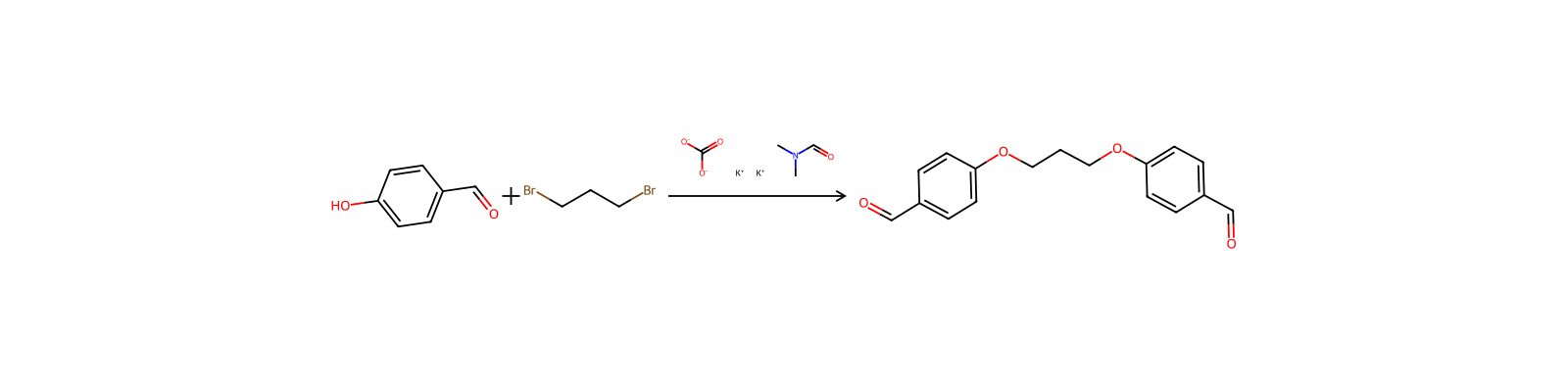
HRID 783 reaction equation
HRID 783As reactantuspto-grants-1998_03
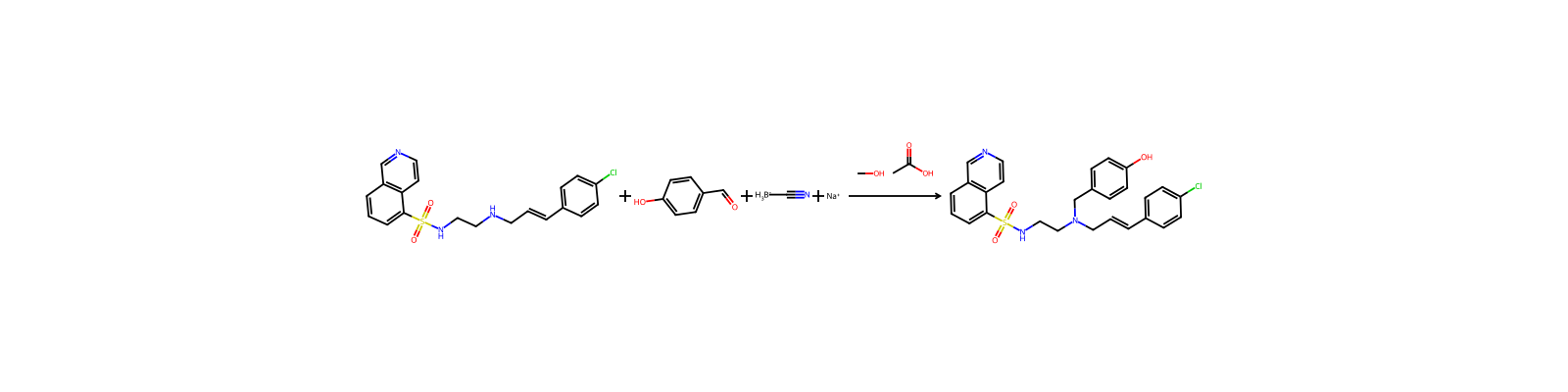
HRID 785 reaction equation
HRID 785As reactantuspto-grants-1998_03
HRID 3025 reaction equation
HRID 3025As reactantuspto-grants-1998_03
HRID 4410 reaction equation
HRID 4410As reactantuspto-grants-1988_02
HRID 5744 reaction equation
HRID 5744As reactantuspto-grants-1993_09
HRID 6415 reaction equation
HRID 6415As reactantuspto-grants-1993_09
HRID 6420 reaction equation
HRID 6420As reactantuspto-grants-1993_09
HRID 7376 reaction equation
HRID 7376As reactantuspto-grants-2006_08
Page 1 of 199

Compound notes

Loading…

On this pageBasic informationOverviewNames & identifiersPropertiesSafety & regulationChemistry & industryRelated reactionsCompound notes
More actions
New noteNew reactionRequest quotes
Boiling Point
310.00 to 311.00 °C. @ 760.00 mm Hg
Melting Point117 °C
Physical Description · 4 items

Dry Powder

Solid; Sublimes at atmospheric pressure without decomposition; [Merck Index] Light brown crystalline solid; [Aldrich MSDS]

Solid

Beige powder; vanillic/nutty odour

Physicochemical properties

Melting point
112 · 112-116 °C (lit.)
Boiling point
191 °C · 191°C 50mm
Density
1 · 1,129 g/cm3
vapor pressure
0.004 Pa · 0.004Pa at 25℃
refractive index
1.5105 · 1.5105 (estimate)
FEMA
3984 · 3984 | 4-HYDROXYBENZALDEHYDE
FLAVIS Number
5.047 · 05.047 | 4-Hydroxybenzaldehyde
Flash point
174 °C · 174°C
storage temp.
30 °C · Store below +30°C.
solubility
13.8 g/l · 13.8g/l
form
Crystalline Powder
pka
7.61 · 7.61(at 25℃)
color
light yellow to light brown
Odor
100 % · at 100.00 %. sweet nutty almond balsam woody
Odor Type
woody
biological source
synthetic
Water Solubility
13 g/L · 13 g/L (30 ºC)
Sensitive
Air Sensitive
Merck
14 · 14,4811
JECFA Number
956 · 956
BRN
471352 · 471352
Henry's Law Constant
1.9 · 1.9×104 mol/(m3Pa) at 25℃, Parsons et al. (1971)
Stability
Hygroscopic
Major Application
cleaning productscosmeticsflavors and fragrancesfood and beveragespersonal care
Cosmetics Ingredients Functions
FRAGRANCEPERFUMING
InChI
1S/C7H6O2/c8-5-6-1-3-7(9)4-2-6/h1-5,9H
InChIKey
RGHHSNMVTDWUBI-UHFFFAOYSA-N
SMILES
[H]C(=O)c1ccc(O)cc1
LogP
1.3 at · 1.3 at 23℃
CAS DataBase Reference
123 · 123-08-0(CAS DataBase Reference)
Substances Added to Food (formerly EAFUS)
4 · 4-HYDROXYBENZALDEHYDE
EWG's Food Scores
1 · 1
FDA UNII
1738 X3Y38 · O1738X3Y38
NIST Chemistry Reference
4 · Benzaldehyde, 4-hydroxy-(123-08-0)
EPA Substance Registry System
p-Hydroxybenzaldehyde (123-08-0)
UNSPSC Code
85151701 · 85151701
NACRES
24 · NA.24
Symbol(GHS)
5 · GHS05
Signal word
Danger
Hazard statements
318 · H318
Precautionary statements
280 · P280-P305+P351+P338
target organs
Respiratory system
Hazard Codes
Xi
Risk Statements
36 · 36/37/38-R36/37/38
Safety Statements
26 · 26-36-24/25-37/39-S24/25
WGK Germany
2 · 2
RTECS
6475000 · CU6475000
Autoignition Temperature
450 °C · 450 °C
Hazard Note
Irritant/Air Sensitive
TSCA
TSCA listed
HS Code
29124900 · 29124900
Storage Class
11 · 11 - Combustible Solids
Hazard Classifications
1 STOT · Eye Dam. 1STOT SE 3
Toxicity
50 orally · LD50 orally in Rabbit: 2250 mg/kg
REACH Registrations
Active
36/37/38-R36/37/38
Signal word
Danger
Symbol(GHS)
GHS05
hazard_code
Xi
hazard_note
Irritant/Air Sensitive
safety_code
26-36-24/25-37/39-S24/25
Storage Class
11 - Combustible Solids
target organs
Respiratory system
Hazard statements
H318
REACH Registrations
Active
Hazard Classifications
Eye Dam. 1STOT SE 3
Autoignition Temperature
450 °C
Precautionary statements
P280-P305+P351+P338

OccurrenceIt is found as a volatile in several food products, including cherries, grapes, papayas, tomatoes, cheese, beer, rum, brandy, wine, tea and peanuts. Occurs in the form of esters in several plants, notably in wintergreen leaves and the bark of sweet birch.

Uses4-Hydroxybenzaldehyde maintains bactericidal activity when tested against certain bacteria strains. It also displays antioxidant potential when analyzed through assay. It is widely used starting material for polymers and pharmaceuticals.

General Description4-hydroxybenzaldehyde occurs naturally in vanilla beans and is one of the keys contributors to the vanilla flavor.

Preparation methods

Preparationp-Hydroxybenzaldehyde is prepared by heating sodium phenolate with carbon dioxide under pressure.

Upstream & downstream products

Upstream raw materials

ChloralZINC CYANIDEOxygenChloroformp-CresolSalicylaldehydeCyanide, Quant Test Strips4-NitrotolueneEfficient catalystsHydrochloric acidSodium hydroxideGlyoxylic acidMethanediol,1-[4-(acetyloxy)phenyl]-, 1,1-diacetate4-(Tetrahydro-pyran-2-yloxy)-benzaldehyde

Downstream products

4-Hydroxy-3-nitrobenzaldehydeTroglitazone4-[(3,4-Dichlorobenzyl)oxy]benzaldehyde4-n-DecyloxybenzaldehydeN-(4-(Benzyloxy)benzylidene)-4-fluoroaniline2-(4-Fluorobenzoyl)-1-benzofuran-5-carbaldehydeBromoxynil octanoate4-Vinylphenol4-(2-Chloro-6-fluorobenzyloxy)benzaldehyde3,4,5-Trimethoxybenzaldehyde4-[2-(Dimethylamino)ethoxy]benzaldehyde2-(4-Pentylbenzoyl)-1-benzofuran-5-carbaldehyde2-(4-Chlorobenzoyl)-1-benzofuran-5-carbaldehydebeta-(4-Acetoxyphenyl)propionic acid2-(4-Bromobenzoyl)-1-benzofuran-5-carbaldehyde2-BromobenzonitrileCiprofibrate4-Cyanophenol4-(2-Hydroxyethoxy)benzaldehydep-Anisaldehyde4-(4-Fluorobenzyloxy)benzaldehyde2-(4-Methoxybenzoyl)-1-benzofuran-5-carbaldehydeFast Green FCFRaspberry Ketone
Additional notes · 1 item

DefinitionChEBI: 4-hydroxybenzaldehyde is a hydroxybenzaldehyde that is benzaldehyde substituted with a hydroxy group at position C-4. It has a role as a plant metabolite, a mouse metabolite and an EC 1.14.17.1 (dopamine beta-monooxygenase) inhibitor.