
Hydroxyphenylacetic acid
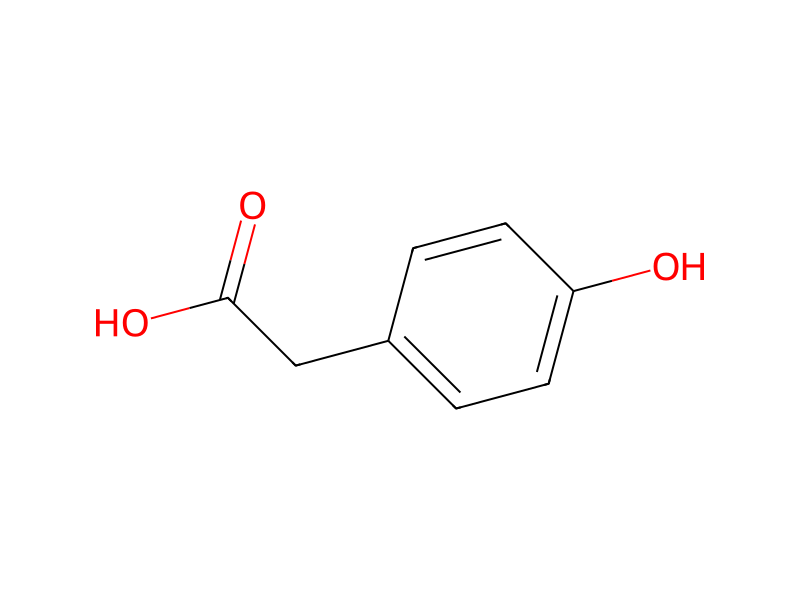
Basic information
- CAS
156-38-7- Standard SMILES
O=C(O)Cc1ccc(O)cc1- InChIKey
XQXPVVBIMDBYFF-UHFFFAOYSA-N- Molecular formula
- C8H8O3
- Average molar mass
- 152.15 g/mol
- Monoisotopic mass
- 152.04734411
Overview
4-hydroxyphenylacetic acid is a monocarboxylic acid that is acetic acid in which one of the methyl hydrogens is substituted by a 4-hydroxyphenyl group. It has a role as a mouse metabolite, a plant metabolite, a fungal metabolite and a human metabolite. It is a monocarboxylic acid and a member of phenols. It is functionally related to an acetic acid. It is a conjugate acid of a 4-hydroxyphenylacetate.
Names & identifiers
- Preferred name
- Hydroxyphenylacetic acid
- IUPAC
- 2-(4-hydroxyphenyl)acetic acid
- English name
- 4-Hydroxyphenylacetic acid
- Molecular formula
- C8H8O3
- Molecular weight
- 152.15
Names & synonyms
4-hydroxyphenylacetic acid156-38-7p-hydroxyphenylacetic acid(4-Hydroxyphenyl)acetic acid4-Hydroxybenzeneacetic acidbenzeneacetic acid, 4-hydroxy-(p-Hydroxyphenyl)acetic acid4-CarboxymethylphenolParahydroxy phenylacetic acidAcetic acid, (p-hydroxyphenyl)-3J9SHG0RCNNSC-25066
Show more names
2-(4-hydroxyphenyl)acetic acidPHPA4-Hydroxyphenylacetic4-hydrophenylacetic acid4-hydroxybenzeneaceticacidNSC 27460
NSC-27460DTXSID5059745CHEBI:18101para-hydroxyphenylacetic acidRefChem:524062DTXCID6035023205-851-3Hydroxyphenylacetic acid
Database identifiers
- CAS
156-38-7- PubChem CID
- 127
- DTXSID
DTXSID5059745
Properties
Computed structural properties
- XLogP
- 0.8
- Topological polar surface area
- 57.5 Ų
- Hydrogen bond donors
- 2
- Hydrogen bond acceptors
- 3
- Rotatable bonds
- 2
- Heavy atoms
- 11
- Formal charge
- 0
- Complexity
- 136
Experimental & physicochemical properties
Chemical ClassesOther Classes -> Other Aromatic Compounds
SpringerMaterials PropertiesFusion temperature
LogP
0.75
1.26
Solubility60.7 mg/mL
Melting Point148 - 150 °C
Vapor Pressure0.0000555 [mmHg]
Physical Description
Off-white crystalline powder; [Alfa Aesar MSDS]
Solid
Collision Cross Section
126.65 Ų [M-H]- [CCS Type: DT; Method: single field calibrated with Agilent tune mix (Agilent)]
135.22 Ų [M-H]- [CCS Type: DT; Method: stepped-field]
128.6 Ų [M-H]- [CCS Type: DT; Method: single field calibrated with ESI Low Concentration Tuning Mix (Agilent)]
128.9 Ų [M-H]-
Physicochemical properties
Safety & regulation
Safety information is for reference only and does not replace the supplier’s Safety Data Sheet (SDS), applicable regulations, or professional assessment.
GHS classification
GHS Classification
Warning
H315 (97%): Causes skin irritation [Warning Skin corrosion/irritation]
P261, P264, P264+P265, P271, P280, P302+P352, P304+P340, P305+P351+P338, P319, P321, P332+P317, P337+P317, P362+P364, P403+P233, P405, and P501 (click each P-code to see the statement)
Aggregated GHS information provided per 233 reports by companies from 12 notifications to the ECHA C&L Inventory. Each notification may be associated with multiple companies.
Hazard information
Regulatory Information
Chemical: Benzeneacetic acid, 4-hydroxy-
REACH registered substance: p-hydroxyphenylacetic acid (EC: 205-851-3)
(4-Hydroxyphenyl)-acetic acid: Does not have an individual approval but may be used under an appropriate group standard
Other Safety InformationEvaluation - Chemicals that are unlikely to require further regulation to manage risks to environment
Hazards SummaryIntraperitoneal LD50 (mouse) = 3,500 mg/kg; [RTECS] An irritant; [Alfa Aesar MSDS] See Phenylacetic acid.
Hazard Classes and CategoriesSkin Irrit. 2 (97%)
Safety data
- PPE
- dust mask type N95 (US), Eyeshields, Gloves
- wgk
- 3
- tsca
- TSCA listed
- rtecs
- AI2680000
- hs_code
- 29182990
- risk_code
- 36/37/38
Chemistry & industry
Pharmacology
Metabolism/Metabolites4-hydroxyphenylacetic acid has known human metabolites that include 2-Phenylacetic acid.
MeSH Pharmacological ClassificationSubstances that increase the risk of NEOPLASMS in humans or animals. Both genotoxic chemicals, which affect DNA directly, and nongenotoxic chemicals, which induce neoplasms by other mechanism, are included.
Tissue LocationsBladder
Cellular LocationsCytoplasm
Metabolite PathwaysAlkaptonuria
Uses & manufacturing
General Manufacturing InformationBenzeneacetic acid, 4-hydroxy-: ACTIVE
Applications
Description4-Hydroxyphenylacetic acid is an acetate derivative used in the acylation of phenols and amines1. It is an active component of Chinese herb Aster tataricus which had been widely used in China for the treatment of pulmonary diseases, HBV, and carcinoma. It is an active metabolite of amino acid metabolism. Study has also shown that it can attenuate inflammation and edema through suppressing hypertonic and hypoxic induction of HIF-1α in seawater aspiration-induced lung injury in rats. In chemical industry, it is an intermediate used to synthesize atenolol and 3, 4-dihydroxyphenylacetic acid.
UsesIt is used as a reagent in the acylation of phenols and amines. It is also used for fluorometric determination of oxidative enzymes.
UsesA compound present in olive oil. An important fine chemical intermediate with broad prospects for application development.
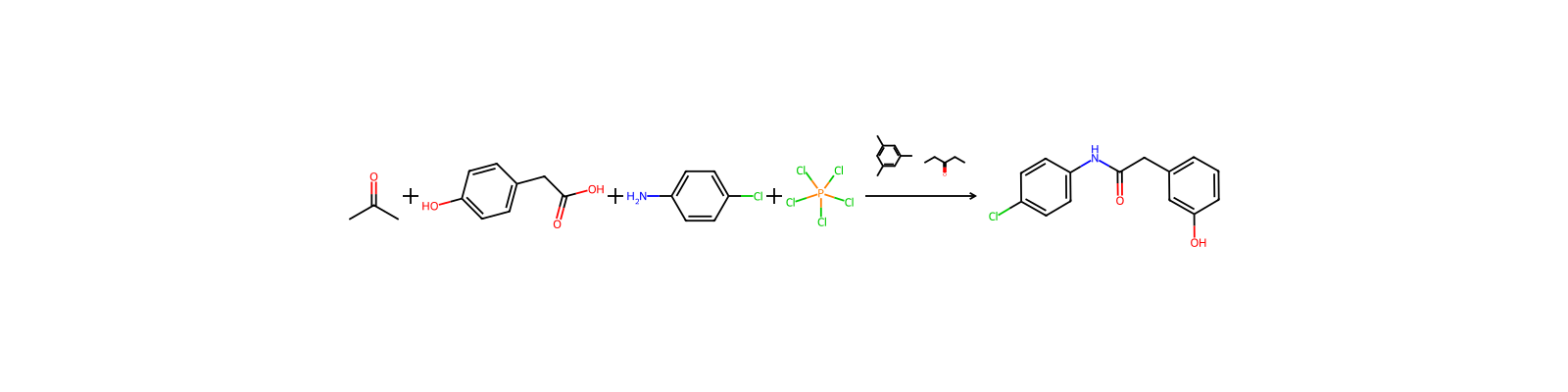
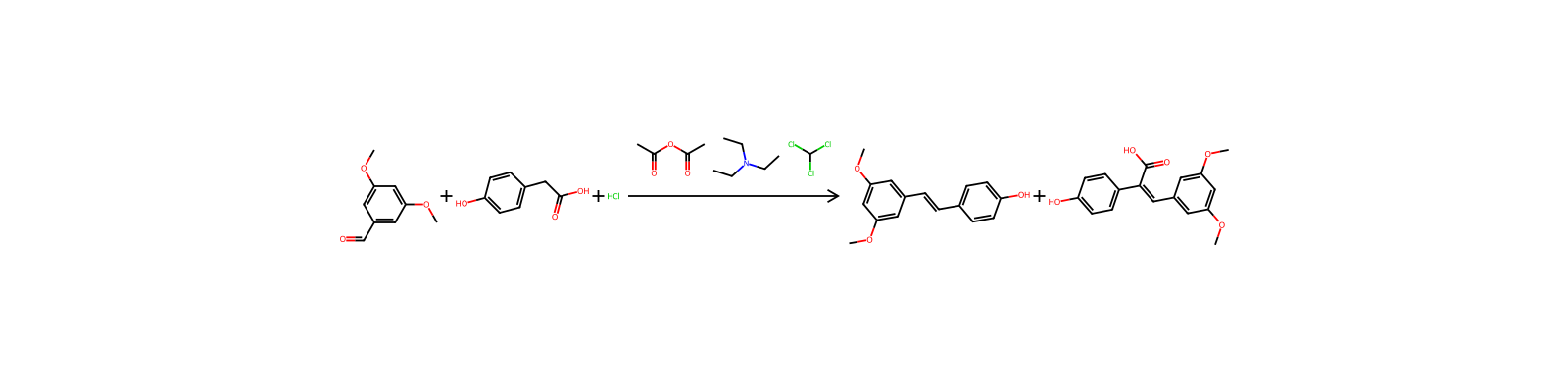
Related reactions
274 records




Compound notes
Loading…