Safety information is for reference only and does not replace the supplier’s Safety Data Sheet (SDS), applicable regulations, or professional assessment.
GHS classification
GHS Classification · 4 items
Danger
H225 (69.4%): Highly Flammable liquid and vapor [Danger Flammable liquids]
P210, P233, P240, P241, P242, P243, P264, P264+P265, P270, P280, P301+P316, P301+P317, P303+P361+P353, P305+P351+P338, P305+P354+P338, P317, P321, P330, P337+P317, P370+P378, P403+P235, P405, and P501 (click each P-code to see the statement)
Aggregated GHS information provided per 121 reports by companies from 10 notifications to the ECHA C&L Inventory. Each notification may be associated with multiple companies.
Cyclopropyl methyl ketone: Does not have an individual approval but may be used under an appropriate group standard
Hazards SummaryA mild skin irritant; Dermal lethal-dose (rat) > 2,000 mg/kg; [RTECS] Causes burns; [ECHA REACH Registrations] A skin and strong eye irritant; Toxic by ingestion; [Alfa Aesar MSDS] See Ethylcyclopropane. See Acetone.
Hazard Classes and CategoriesFlam. Liq. 2 (69.4%)
Toxicology
Adverse EffectsDermatotoxin - Skin burns.
Safety data
PPE
Eyeshields, Faceshields, Gloves, type ABEK (EN14387) respirator filter
wgk
3
Chemistry & industry
Uses & manufacturing
UsesUsed to make agricultural and fine chemicals; [ECHA REACH Registrations]
Applications
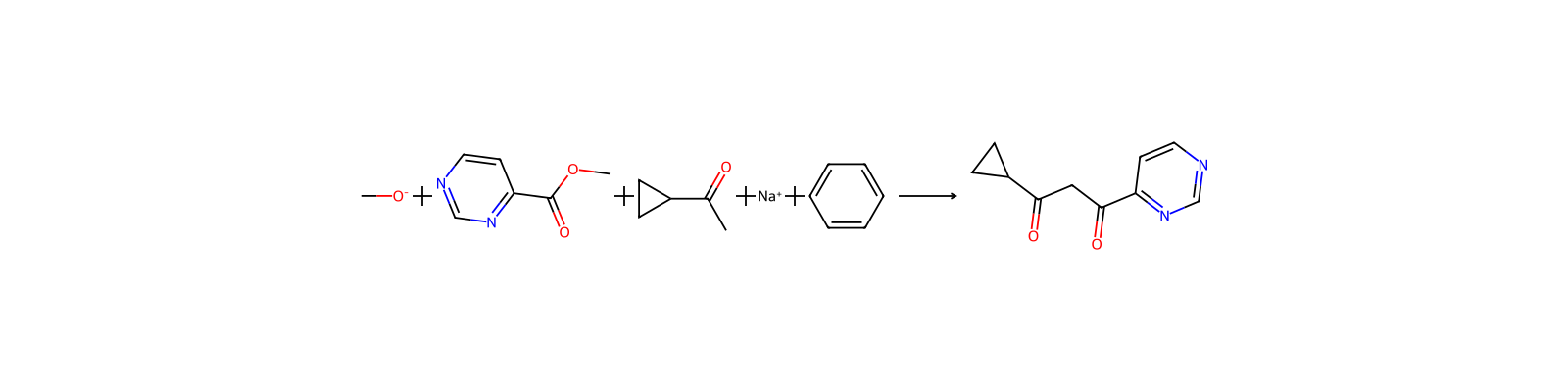
UsesCyclopropyl methyl ketone was used in the preparation of homoallylic alcohols. Acetylcyclopropane is used as an intermediate for the manufacturing pharmaceuticals, agrochemicals and other organic compounds.