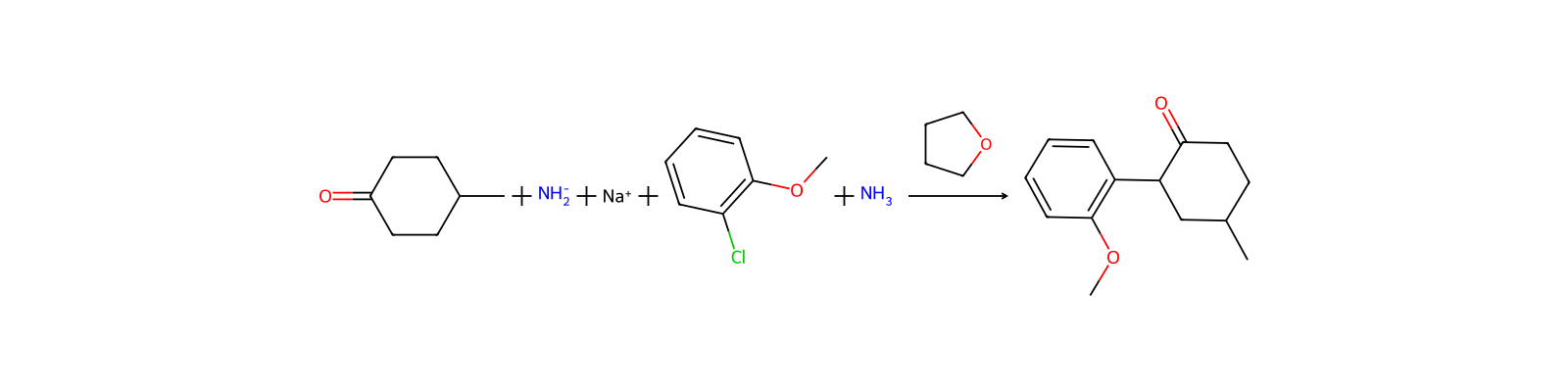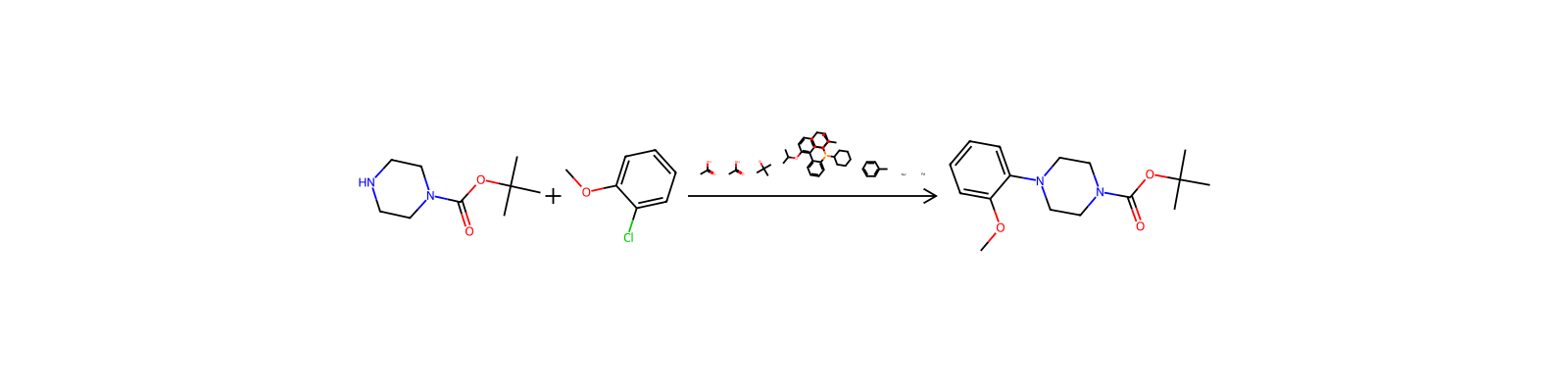
HRID 655As reactant

766-51-8COc1ccccc1ClQGRPVMLBTFGQDQ-UHFFFAOYSA-N766-51-8DTXSID1061104Safety information is for reference only and does not replace the supplier’s Safety Data Sheet (SDS), applicable regulations, or professional assessment.
This chemical does not meet GHS hazard criteria for 20% (1 of 5) of reports.
Warning
H227 (20%): Combustible liquid [Warning Flammable liquids]
P210, P261, P264, P264+P265, P270, P271, P280, P301+P317, P302+P352, P304+P340, P305+P351+P338, P317, P319, P321, P330, P332+P317, P337+P317, P362+P364, P370+P378, P403, P403+P233, P405, and P501 (click each P-code to see the statement)
Aggregated GHS information provided per 5 reports by companies from 3 notifications to the ECHA C&L Inventory. Each notification may be associated with multiple companies.
o-Chloroanisole
D*: Other compounds that may form peroxides
No amount of peroxides were found in new commerically available containers
Removal of Peroxides from Ethers with Cerous Hydroxide
Uses2-Chloroanisole was used in headspace solid-phase microextraction method for the determination of haloanisoles in wine and spirit samples.
General Description2-Chloroanisole undergoes acetylation with acetic anhydride over large pore zeolites to give 4-acetyl-2-chloroanisole.