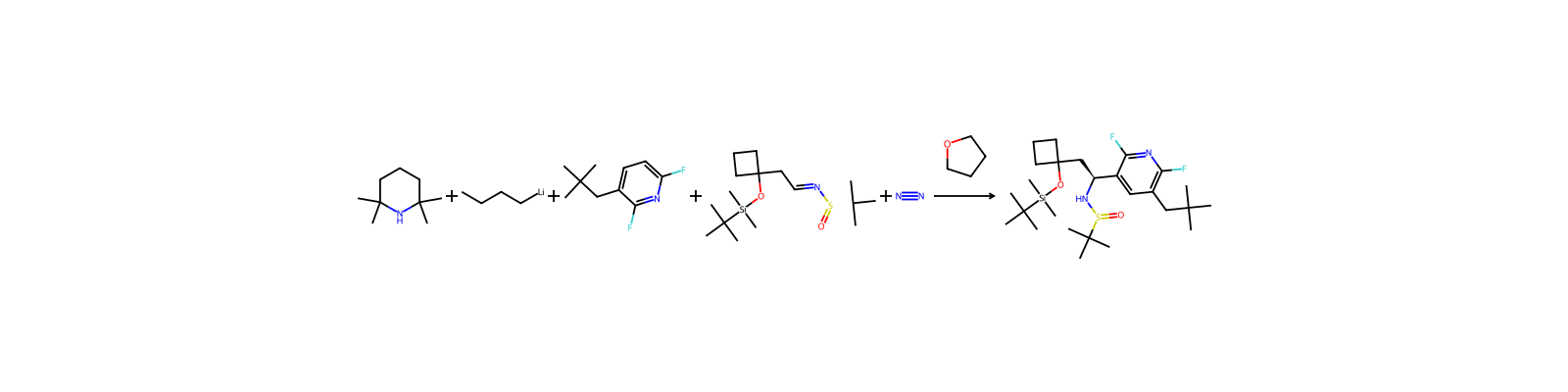
HRID 12278As reactant
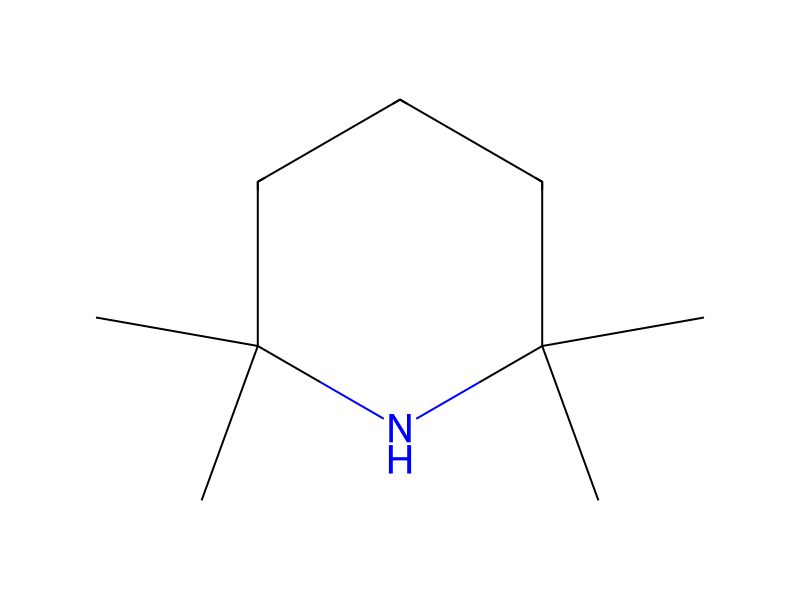
768-66-1CC1(C)CCCC(C)(C)N1RKMGAJGJIURJSJ-UHFFFAOYSA-N768-66-1DTXSID0061113CHEMBL2448812Safety information is for reference only and does not replace the supplier’s Safety Data Sheet (SDS), applicable regulations, or professional assessment.
Danger
H226 (97.1%): Flammable liquid and vapor [Warning Flammable liquids]
P210, P233, P240, P241, P242, P243, P260, P261, P264, P264+P265, P270, P271, P280, P301+P316, P301+P317, P301+P330+P331, P302+P352, P302+P361+P354, P303+P361+P353, P304+P340, P305+P351+P338, P305+P354+P338, P316, P317, P319, P321, P330, P332+P317, P337+P317, P362+P364, P363, P370+P378, P403+P233, P403+P235, P405, and P501 (click each P-code to see the statement)
Aggregated GHS information provided per 102 reports by companies from 23 notifications to the ECHA C&L Inventory. Each notification may be associated with multiple companies.
Chemical: Piperidine, 2,2,6,6-tetramethyl-
REACH registered substance: 2,2,6,6-tetramethylpiperidine (EC: 212-199-3)
2,2,6,6-Tetramethylpiperidine: Does not have an individual approval but may be used under an appropriate group standard
Rats demonstrated effects possibly indicative of neurotoxicity in all test groups of acute inhalation study and high dose group (500 mg/kg) of acute oral study; [EPA - TSCATS] A skin and strong eye irritant; Toxic by ingestion; [Sigma-Aldrich MSDS] See Piperidine.
Uses2,2,6,6-Tetramethylpiperidine is a hindered base used to prepare metallo-amide bases and selective generation of silylketene acetals. It is used in the preparation of hibarimicinone, (Z)-silylketene acetal and 4-substituted quinazoline. It acts as a precursor to Lithium tetramethylpiperidide and (2,2,6,6-Tetramethylpiperidin-1-yl)oxyl radical.
Uses2,2,6,6-Tetramethylpiperidine is used in the syntheses of HMP-Y1, Hibarimicinone and HMP-P1, tyrosine kinase inhibitors.
UsesThe lithium amide has been used to efficiently ortho deprotonate pyridine-3-carboxamides.
PreparationMany routes for the synthesis of TMP have been reported. One method starts with a conjugate addition reaction of ammonia to phorone. The intermediate triacetone amine is then reduced in a Wolff-Kishner reaction.