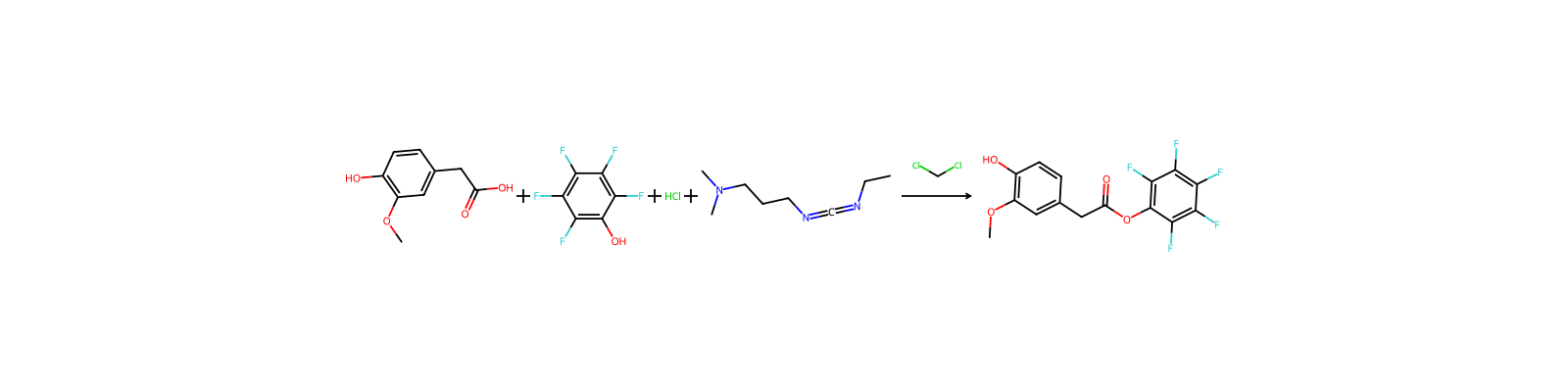
Pentafluorophenol
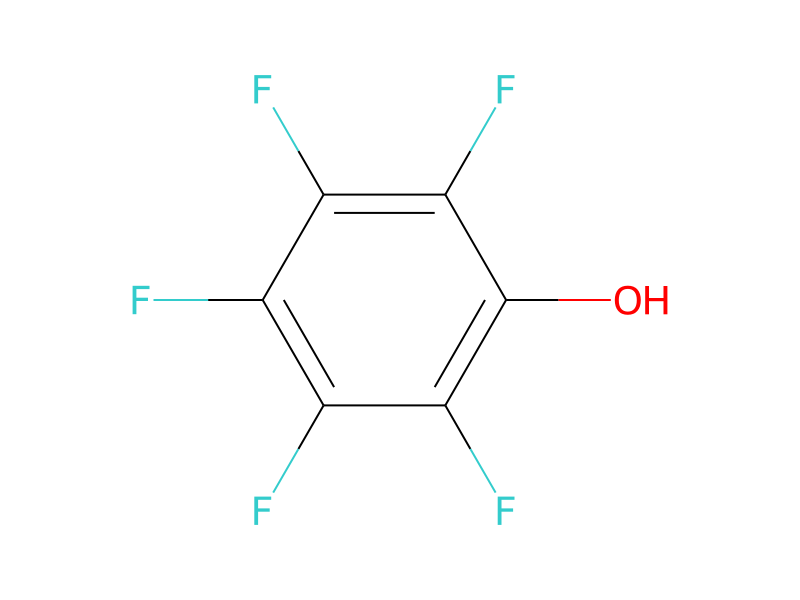
Basic information
- CAS
771-61-9- Standard SMILES
Oc1c(F)c(F)c(F)c(F)c1F- InChIKey
XBNGYFFABRKICK-UHFFFAOYSA-N- Molecular formula
- C6HF5O
- Average molar mass
- 184.06 g/mol
- Monoisotopic mass
- 183.99475546
Overview
RN given refers to parent cpd; structure given in first source
Names & identifiers
- Preferred name
- Pentafluorophenol
- IUPAC
- 2,3,4,5,6-pentafluorophenol
- English name
- Pentafluorophenol
- Molecular formula
- C6HF5O
- Molecular weight
- 184.06
Names & synonyms
PENTAFLUOROPHENOL771-61-92,3,4,5,6-PentafluorophenolPhenol, pentafluoro-A2YCF0YUHANSC-21627DTXSID9061120RefChem:859814DTXCID1047946212-235-8PerfluorophenolMFCD00002156
Show more names
PFPPFP-OHHOPFPPentaflurophenolPENTAFLUORPHENOLHPLH2)
pentafluorohydroxybenzeneSofosbuvir Impurity 142,3,4,5,6-pentafluorohydroxybenzene2,3,4,5,6-pentakis(fluoranyl)phenolhydroxypentafluorobenzeneC6F5OHXBNGYFFABRKICK-UHFFFAOYSA-Phenol, 2,3,4,5,6-pentafluoro-
Database identifiers
- CAS
771-61-9- PubChem CID
- 13041
- DTXSID
DTXSID9061120- UNII
- A2YCF0YUHA
- EC Number
- 212-235-8
- Nikkaji
- J34.564D
Properties
Computed structural properties
- XLogP
- 3.2
- Topological polar surface area
- 20.2 Ų
- Hydrogen bond donors
- 1
- Hydrogen bond acceptors
- 6
- Rotatable bonds
- 0
- Heavy atoms
- 12
- Formal charge
- 0
- Complexity
- 150
Experimental & physicochemical properties
Chemical ClassesOther Classes -> Phenols
SpringerMaterials PropertiesBoiling point
LogP2.96
Physical DescriptionWhite crystalline solid with an odor of phenol; mp = 32-36 deg C; [Alfa Aesar MSDS]
Ionization Efficiency
Negative
0.91
10.5
Agilent XCT
Electrospray ionization
ammonia (10nM)
Physicochemical properties
- Melting point
- 34 · 34-36 °C (lit.)
- Boiling point
- 143 °C · 143 °C (lit.)
- Density
- 1.757 · 1.757
- refractive index
- 1.427 · 1.4270
- Flash point
- 162 °F · 162 °F
- storage temp.
- 30 °C · Store below +30°C.
Safety & regulation
Safety information is for reference only and does not replace the supplier’s Safety Data Sheet (SDS), applicable regulations, or professional assessment.
GHS classification
GHS Classification
This chemical does not meet GHS hazard criteria for 6.9% (4 of 58) of reports.
Danger
H302 (24.1%): Harmful if swallowed [Warning Acute toxicity, oral]
P260, P261, P264, P264+P265, P270, P271, P280, P301+P317, P301+P330+P331, P302+P352, P302+P361+P354, P304+P340, P305+P351+P338, P305+P354+P338, P316, P317, P319, P321, P330, P332+P317, P337+P317, P362+P364, P363, P403+P233, P405, and P501 (click each P-code to see the statement)
Aggregated GHS information provided per 58 reports by companies from 12 notifications to the ECHA C&L Inventory. Each notification may be associated with multiple companies.
Hazard information
Regulatory Information
REACH registered substance: Pentafluorophenol (EC: 212-235-8)
Pentafluorophenol: Does not have an individual approval but may be used under an appropriate group standard
Hazards SummaryCauses burns; Inhalation may cause corrosive injuries to upper respiratory tract and lungs; Harmful by ingestion and skin absorption; [Alfa Aesar MSDS] See 2-Fluorophenol. See Pentachlorophenol.
Hazard Classes and CategoriesAcute Tox. 4 (24.1%)
Toxicology
Adverse EffectsDermatotoxin - Skin burns.
Safety data
- F
- 3
- wgk
- 3
- tsca
- TSCA listed
Chemistry & industry
Uses & manufacturing
General Manufacturing InformationPhenol, 2,3,4,5,6-pentafluoro-: ACTIVE
Applications
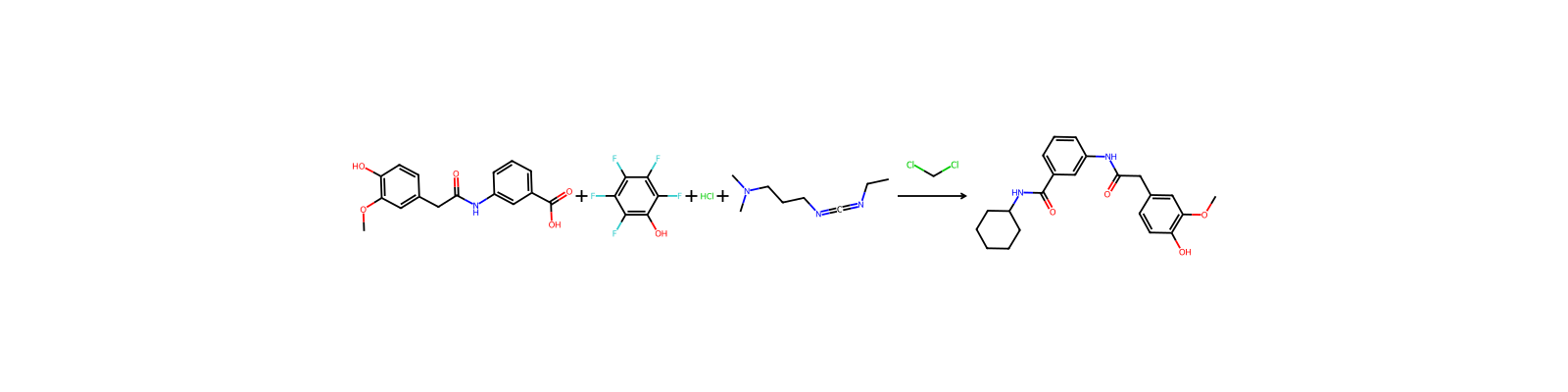
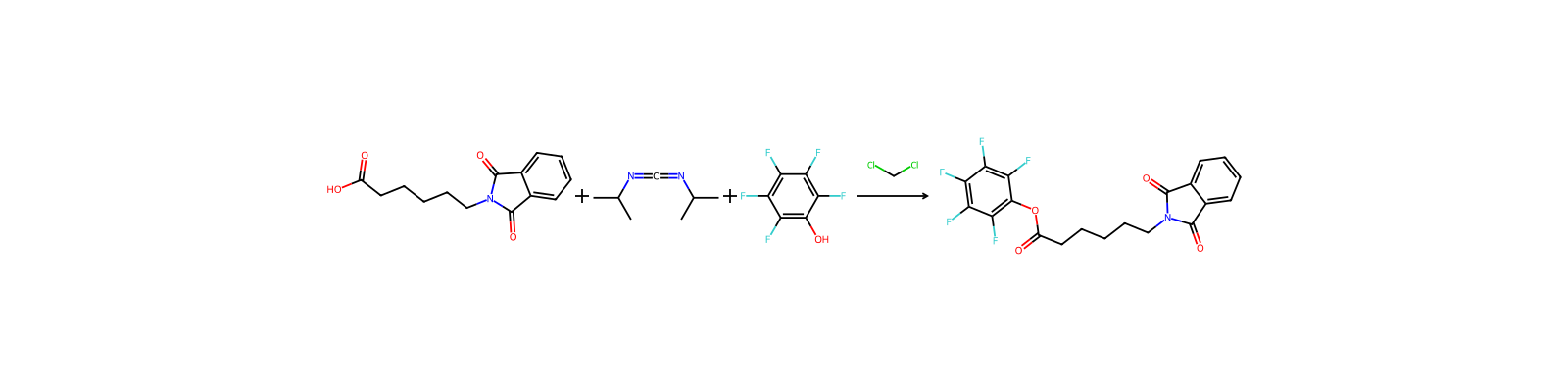
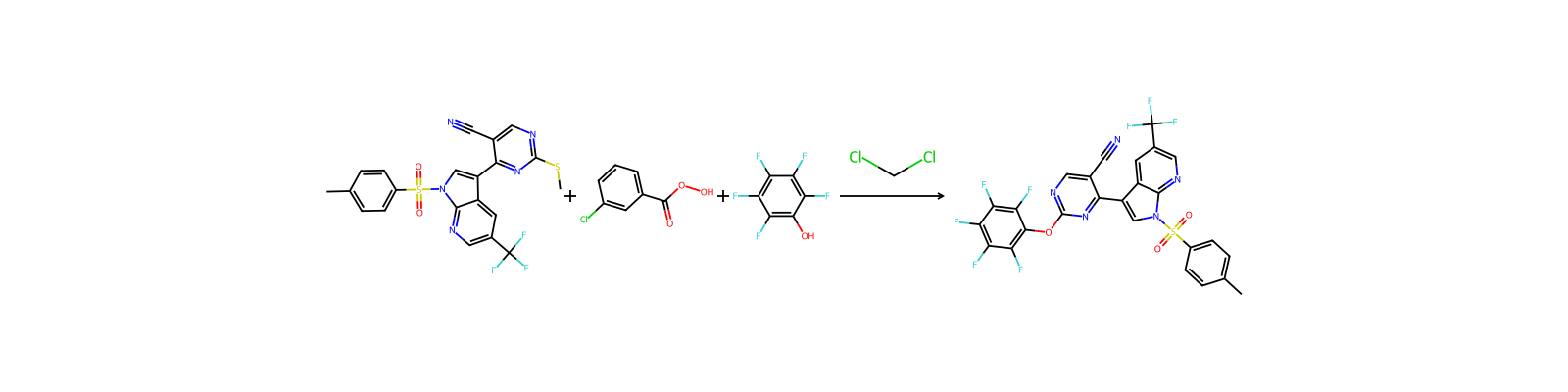
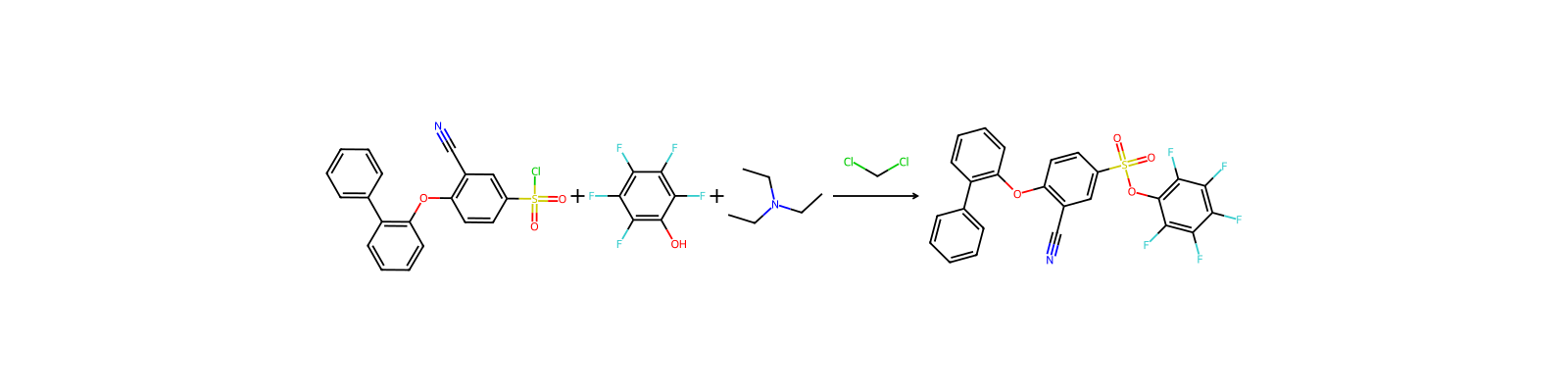
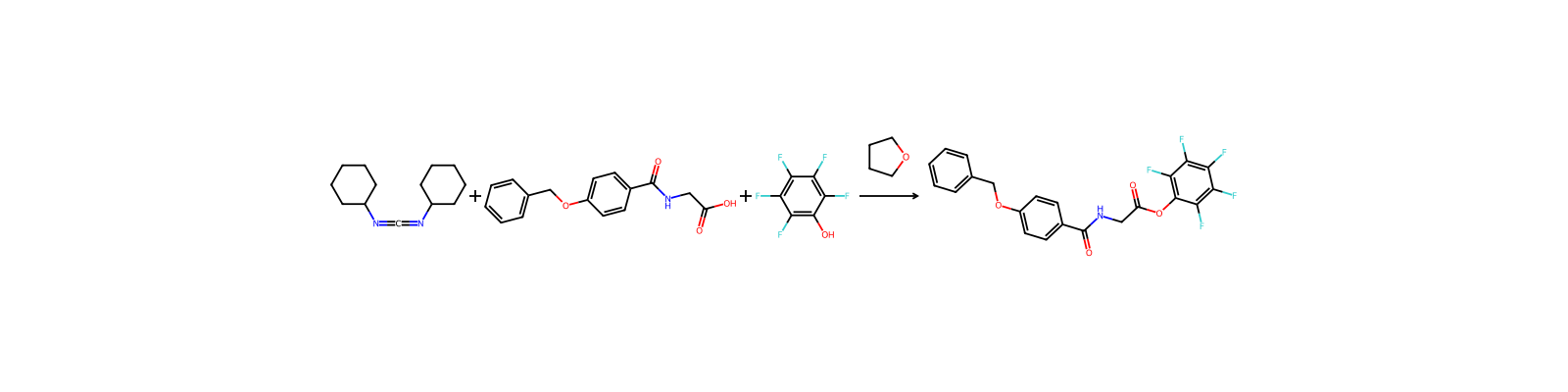
DescriptionPentafluorophenol can be used for the preparation of penta-fluorophenyl esters for peptide synthesis. It is used in the preparation of pentafluorophenyl esters for peptide synthesis and vulcanized polymers. It is also used for peptide coupling and heterocyclic acid derivatives. It is involved in the preparation of pentafluorophenyl formate which acts as a formulating agent for amines and amino acids. It can be used for synthesizing novel reagents which can achieve highly diastereoselective acetal cleavage.
UsesUsed for the preparation of pentafluorophenyl esters for peptide synthesis
UsesPentafluorophenol is used in the preparation of pentafluorophenyl esters for peptide synthesis and vulcanized polymers. It is also used for peptide coupling and heterocyclic acid derivatives. It is involved in the preparation of pentafluorophenyl formate which acts as a formulating agent for amines and amino acids.
UsesFor the preparation of pentafluorophenyl esters for peptide synthesis.
General DescriptionPentafluorophenol is widely used as a precursor in both solution and solid-phase peptide synthesis. It is also involved in the preparation of aromatic fluoro derivatives.
Preparation methods
PreparationPetrofluorophenyl magnesium chloride was prepared by reacting monochloropentafluorobenzene, a byproduct of the preparation of hexafluorobenzene from hexachlorobenzene, with magnesium at a reaction temperature of 45–50 °C for 2.5 h. Triisopropyl borate was used as a borizing agent to prepare dipropyl pentafluorophenylboronic acid at a reaction temperature of -10–-15 °C for 3 h. Dipropyl pentafluorophenylboronic acid was then hydrolyzed under acidic conditions to obtain pentafluorophenylboronic acid. Pentafluorophenylboronic acid was then reacted with hydrogen peroxide to obtain pentafluorophenol at a reaction temperature of 65 °C for 5 h. The resulting product had a purity of over 99.5% (GC), with a three-step yield of 60.25%.
Related reactions
3,480 records


Compound notes
Loading…