
Basic information
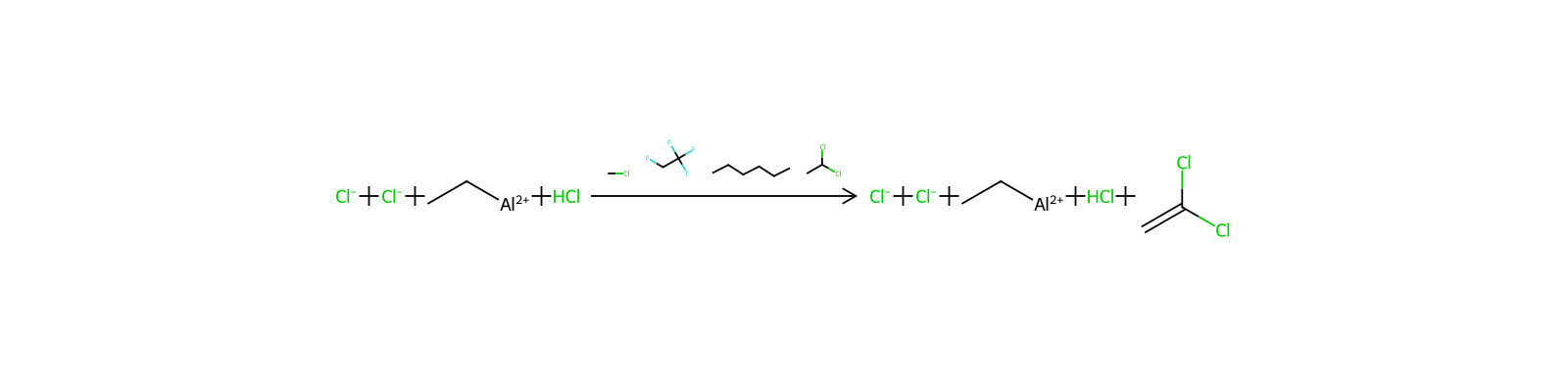
- Standard SMILES
FCC(F)(F)F- InChIKey
LVGUZGTVOIAKKC-UHFFFAOYSA-N- Molecular formula
- C2H2F4
- Average molar mass
- 102.03 g/mol
- Monoisotopic mass
- 102.00926294
Overview
1,1,1,2-tetrafluoroethane appears as a colorless gas with a slight ethereal odor. Vapors are heavier than air. Shipped liquefied under own vapor pressure. Flash point 351 °F. Inhalation at high concentrations is harmful and may cause heart irregularities, unconsciousness or death without warning. Liquid contact may cause frostbite. Vapors can replace the available oxygen.
Names & identifiers
- Preferred name
- 1,1,1,2-Tetrafluoroethane
- IUPAC
- 1,1,1,2-tetrafluoroethane
- English name
- 1,2,2,2-tetrafluoroethane
- Molecular formula
- C16H18FN3O3C6H5NO3
- Molecular weight
- 102.03
Names & synonyms
1,1,1,2-TETRAFLUOROETHANENorflurane811-97-2HFC-134aTetrafluoroethane1,2,2,2-TetrafluoroethaneRefrigerant R134aHFA 134aHFA-134aR-134aNorfluranoGenetron 134a
Show more names
1,2,2,2-tetrafluoroethane USP/EP/BP
Khladon 134aNorfluranumArcton 134aDymel 134aEthane, 1,1,1,2-tetrafluoro-HFC 134aFron 134aSuva 134a
Database identifiers
- CAS
29759-38-4、811-97-2- PubChem CID
- 13129
- DTXSID
DTXSID1021324- ChEMBL
CHEMBL2104432- UNII
- DH9E53K1Y8
- EC Number
- 212-377-0
- Nikkaji
- J7.107B
Properties
Computed structural properties
- XLogP
- 1.7
- Topological polar surface area
- 0 Ų
- Hydrogen bond donors
- 0
- Hydrogen bond acceptors
- 4
- Rotatable bonds
- 0
- Heavy atoms
- 6
- Formal charge
- 0
- Complexity
- 35.3
Experimental & physicochemical properties
PFAS
PFAS -> PFAS with analytical method available
PFAS -> PFAS identified in REACH Regulation EC No. 1272/2008
PFAS -> Intentionally added food contact chemicals
DrugsPharmaceuticals -> Listed in ZINC15
SolventsSolvents -> Chlorofluorocarbons
SpringerMaterials PropertiesCoriolis coupling
PesticidesPesticide -> EPA IRIS
LogP
log Kow = 1.68
1.06
1.06
OdorFaint ethereal odor
Density
1.2072 g/cu cm at 25 °C
Critical density: 0.508 g/cu cm
1.21 (L)
Viscosity0.204 cP at 25 °C
Color/Form
Colorless gas
Colorless gas at ambient conditions
Solubility
Insoluble in water
Soluble in ethyl ether
Solubility in water: none
Boiling Point
-26.5 °C at 1 atmosphere
-26 °C
-26.2 °C @760 [mm Hg]
Physicochemical properties
- Boiling point
- -23 °C · -23 °C
- EPA Substance Registry System
- Ethane, tetrafluoro- (29759-38-4)
Safety & regulation
GHS classification
GHS Classification
This chemical does not meet GHS hazard criteria for 10.3% (57 of 556) of reports.
Warning
H280 (89.7%): Contains gas under pressure; may explode if heated [Warning Gases under pressure]
P410+P403</a, and a href="https://pubchem.ncbi.nlm.nih.gov/ghs/#P410+P403">P410+P403 (click each P-code to see the statement)
Aggregated GHS information provided per 556 reports by companies from 9 notifications to the ECHA C&L Inventory.
Warning
Hazard information
Regulatory Information
Chemical: Ethane, 1,1,1,2-tetrafluoro-
Ethane, 1,1,1,2-tetrafluoro- is listed on the EPA's Chemical Data Reporting (CDR) system. Manufacturers and importers of Ethane, 1,1,1,2-tetrafluoro- are required to report information about their production and use of this chemical to the EPA under the Toxic Substances Control Act (TSCA). (40 eCFR Part 711)
Status: Active Update: 27-09-2022 https://echa.europa.eu/registration-dossier/-/registered-dossier/15155
1,1,1,2-Tetrafluoroethane (Refrigerant gas R134A): Non hazardous
Other Safety InformationIMAP assessments - Ethane, 1,1,1,2-tetrafluoro-: Environment tier II assessment
DOT LabelNon-Flammable Gas
Fire Hazards
Excerpt from ERG Guide 126 [Gases - Compressed or Liquefied (Including Refrigerant Gases)]:
· Some may burn but none ignite readily.
Not combustible. Gives off irritating or toxic fumes (or gases) in a fire.
Health Hazards
Excerpt from ERG Guide 126 [Gases - Compressed or Liquefied (Including Refrigerant Gases)]:
· Vapors may cause dizziness or asphyxiation without warning, especially when in closed or confined areas.
Hazards SummaryEvaporating liquid can cause frostbite; Inhalation of high concentrations can cause CNS depression and cardiac arrhythmias; [ICSC]
DOT ID and Guide3159 126
Reactive GroupFluorinated Organic Compounds
UN ClassificationUN Hazard Class: 2.2
Special Reports
Danish EPA; Survey of selected fluorinated green-house gases, 75-37-6 (2006)[Available from, as of March 3, 2016: http://eng.mst.dk/]
Zakhari S, Aviado DM; Cardiovascular Toxicology of Aerosol Propellants, Refrigerants and Related Solvents; Target Organ Toxicology Series: Cardiovascular Toxicology, XII+ 388 pages; Raven Press: New York, NY 281-326 (1982). Review of the toxicology of aerosol propellants, refrigerants and related solvents on the cardiovascular system of humans.
Nimitz JS, Skaggs SR; Estimating Tropospheric Lifetimes and Ozone-depletion Potentials of One- and Two-carbon Hydrofluorocarbons and Hydrochlorofluorocarbons; Environ Sci Technol 26 (4): 739-44 (1992). Tropospheric lifetimes and ozone depletion potentials are estimated for all 53 possible one and two carbon hydrofluorocarbons and hydrochlorofluorocarbons.
TSCA Requirements
Pursuant to section 8(d) of TSCA, EPA promulgated a model Health and Safety Data Reporting Rule. The section 8(d) model rule requires manufacturers, importers, and processors of listed chemical substances and mixtures to submit to EPA copies and lists of unpublished health and safety studies. Ethane, 1,1,1,2-tetrafluoro- is included on this list. Effective date: 9/15/90; Sunset date: 11/9/93.
FIFRA Requirements
Residues of 1,1,1,2-tetrafluoroethane are exempted from the requirement of a tolerance when used in accordance with good agricultural practice as inert (or occasionally active) ingredients in pesticide formulations applied to growing crops or to raw agricultural commodities after harvest. Use: Aerosol propellant.
Safety & protection
Fire Fighting
Excerpt from ERG Guide 126 [Gases - Compressed or Liquefied (Including Refrigerant Gases)]:
In case of fire in the surroundings, use appropriate extinguishing media. In case of fire: keep cylinder cool by spraying with water.
First Aid Measures
Fresh air, rest. Refer for medical attention.
ON FROSTBITE: rinse with plenty of water, do NOT remove clothes.
Accidental Release Measures
· CALL 911. Then call emergency response telephone number on shipping paper. If shipping paper not available or no answer, refer to appropriate telephone number listed on the inside back cover.
· Do not touch or walk through spilled material.
First Aid
Excerpt from ERG Guide 126 [Gases - Compressed or Liquefied (Including Refrigerant Gases)]:
General First Aid:
Safe StorageFireproof. Keep in a well-ventilated room.
Exposure Control and Personal Protection
· Wear positive pressure self-contained breathing apparatus (SCBA).
1000.0 [ppm]
Fire Fighting Procedures
Suitable extinguishing media: Use water spray, alcohol-resistant foam, dry chemical or carbon dioxide.
Advice for firefighters: Wear self-contained breathing apparatus for firefighting if necessary.
Use water spray to cool unopened containers.
If material involved in fire: Extinguish fire using agent suitable for type of surrounding fire (Material itself does not burn or burns with difficulty). Cool all affected containers with flooding quantities of water. Apply water from as far a distance as possible.
Storage ConditionsKeep container tightly closed in a dry and well-ventilated place. Contents under pressure.
Cleanup Methods
ACCIDENTAL RELEASE MEASURES: Personal precautions, protective equipment and emergency procedures: Use personal protective equipment. Avoid breathing vapors, mist or gas. Ensure adequate ventilation. Evacuate personnel to safe areas; Environmental precautions: Do not let product enter drains; Methods and materials for containment and cleaning up: Ventilate the area.
Nonfire Spill ResponseExcerpt from ERG Guide 126 [Gases - Compressed or Liquefied (Including Refrigerant Gases)]:
Disposal Methods
SRP: Recycle any unused portion of the material for its approved use or return it to the manufacturer or supplier. Ultimate disposal of the chemical must consider: the material's impact on air quality; potential migration in air, soil or water; effects on animal, aquatic and plant life; and conformance with environmental and public health regulations. If it is possible or reasonable use an alternative chemical product with less inherent propensity for occupational harm/injury/toxicity or environmental contamination.
Product: Offer surplus and non-recyclable solutions to a licensed disposal company. Contact a licensed professional waste disposal service to dispose of this material; Contaminated packaging: Dispose of as unused product.
Spillage DisposalNEVER direct water jet on liquid. Do NOT let this chemical enter the environment. Personal protection: chemical protection suit including self-contained breathing apparatus.
Toxicology
Body Burden1,1,1,2-Tetrafluoroethane concentrations in blood and exhaled air of healthy volunteers after 8-hour simulated exposure decreased rapidly(1).
Interactions
Although immunization injections are the most common painful medical procedures, pain-relieving interventions are not routinely used. In this randomized controlled trial, we compared the effectiveness of topical anesthesia using liposomal lidocaine to: (1) vapocoolant spray using a proprietary blend of 1,1,1,3,3-pentafluoropropane and 1,1,1,2-tetrafluoroethane; (2) nurse-administered tactile stimulation; or (3) self-directed distraction by means of reading a magazine. Liposomal lidocaine was more effective (p<or=0.05) than distraction, as assessed by self-reported pain using the visual analog scale and global report, but did not differ from either vapocoolant spray or tactile stimulation. This information can be incorporated in immunization programs.
The authors used a split-mouth design to determine the effectiveness of a refrigerant compared with that of a topical anesthetic gel in reducing the pain experienced during a posterior palatal anesthetic injection. Sixteen participants received a five-second application of a refrigerant (1,1,1,3,3-pentafluoropropane/1,1,1,2-tetrafluoroethane) and a two-minute application of a topical anesthetic gel (20 percent benzocaine gel) in the posterior palatal area before an injection of a local anesthetic solution was administered with a 30-gauge needle. Participants rated the pain they experienced after each injection by using a 100-millimeter visual analog scale (VAS) with endpoints of "no pain" and "worst possible pain." The authors calculated VAS scores by measuring the distance in millimeters from the no pain end of the scale. They analyzed data with a paired t test (alpha = .05). The group receiving the refrigerant had a mean VAS score of 17.7 +/- 15.3 mm, and the group receiving the topical anesthetic gel had a VAS score of 26.2 +/- 18.0 mm. The use of the refrigerant compared with the use of topical anesthetic gel significantly reduced the pain experienced during administration of local anesthetic injections (P = .02). The use of a refrigerant as a preinjection anesthetic was more effective compared with the use of a topical anesthetic gel in reducing the pain experienced by participants who received a posterior palatal injection. The potential benefits of using a refrigerant rather than a topical anesthetic gel are pain reduction, decreased application time, ease of application and avoidance of displeasing taste.
Target OrgansReproductive
Environmental Fate
TERRESTRIAL FATE: Based on a classification scheme(1), a reported log Koc value of 0.91 in soil(2) indicates that 1,1,1,2-tetrafluoroethane is expected to have very high mobility in soil(SRC). Volatilization of 1,1,1,2-tetrafluoroethane from moist soil surfaces is expected to be an important fate process(SRC) given a Henry's Law constant of 0.05 atm-cu m/mole(3). 1,1,1,2-Tetrafluoroethane is expected to volatilize from dry soil surfaces(SRC) based upon a vapor pressure of 4990 mm Hg at 25 °C(4). Using aerobic screening tests, 4% biodegradation was observed(5) and little to no degradation was seen anaerobically(6-7), suggesting that biodegradation is not an important environmental fate process in soil(SRC).
AQUATIC FATE: Based on a classification scheme(1), a reported log Koc value of 0.91 in soil(2), indicates that 1,1,1,2-tetrafluoroethane is not expected to adsorb to suspended solids and sediment(SRC). Volatilization from water surfaces is expected(3) based upon a Henry's Law constant of 0.05 atm-cu m/mole(4). Using this Henry's Law constant and an estimation method(3), volatilization half-lives for a model river and model lake are 3 hours and 4 days, respectively(SRC). Hydrolysis is not expected to be an important environmental fate process in the environment since this chemical lacks functional groups that hydrolyze under environmental conditions (pH 5 to 9)(5). According to a classification scheme(6), an estimated BCF of 6(SRC), from an estimated log Kow of 1.68(7) and a regression-derived equation(7), suggests the potential for bioconcentration in aquatic organisms is low(SRC). Using aerobic screening tests, 4% biodegradation was observed(8) and little to no degradation was seen anaerobically(9-10), suggesting that biodegradation is not an important environmental fate process in water(SRC).
ATMOSPHERIC FATE: According to a model of gas/particle partitioning of semivolatile organic compounds in the atmosphere(1), 1,1,1,2-tetrafluoroethane, which has a vapor pressure of 4990 mm Hg at 25 °C(2), is expected to exist solely as a gas in the ambient atmosphere. Gas-phase 1,1,1,2-tetrafluoroethane is degraded in the atmosphere by reaction with photochemically-produced hydroxyl radicals(SRC); the half-life for this reaction in air is estimated to be 5.2-11.6 years(SRC), calculated from rate constants of 3.8X10⁻¹⁵ to 8.44X10⁻¹⁵ cu cm/molecule-sec(3-7). 1,1,1,2-Tetrafluoroethane does not contain chromophores that absorb at wavelengths >290 nm(8) and, therefore, is not expected to be susceptible to direct photolysis by sunlight(SRC). Atmospheric life-times for 1,1,1,2-tetrafluoroethane have been reported as 13.1-16.3 years(4-5,9-12). 1,1,1,2-Tetrafluoroethane has estimated 20, 100 and 500 year Global Warming Potentials of 3300-4845, 1300-1896 and 420-589, respectively(4-5,9-12).
Adverse EffectsNeurotoxin - Acute solvent syndrome
Exposure RoutesThe substance can be absorbed into the body by inhalation.
Toxicity Summary
IDENTIFICATION AND USE: 1,1,1,2-Tetrafluoroethane (HFC-134a) is a colorless gas with a faint odor. It is not registered for current pesticide use in the U.S., but approved pesticide uses may change periodically and so federal, state and local authorities must be consulted for currently approved uses. It is used as refrigerant, propellant for pharmaceuticals, blowing agent for foams. HUMAN EXPOSURE AND TOXICITY: Exposure of healthy volunteers to exposure levels up to 8000 ppm HFC-134a did not result in any adverse effects on pulse, blood pressure, electrocardiogram, or lung function. There is a report of extrinsic allergic alveolitis with eosinophil infiltration, caused by HFC-134a. In other case, intentional inhalation of a commercial air-dusting agent containing HFC-134a led to severe orofacial and digital frostbite. ANIMAL STUDIES: HFC- 134a can induce cardiac sensitization in dogs at levels of 80,000 ppm (8% v/v) and higher following exogenous epinephrine challenge. In the rat repeated exposure to 50,000 ppm HFC- 134a for 13, 52, and 104 weeks elicited no effect on clinical condition, growth, and survival, or on a variety of hematological, clinical chemistry, and urinary parameters. There was no effect of treatment on the type, incidence, site or severity of neoplasms in mice or rats exposed to HFC-134a. A reduction in maternal weight gain in rabbits exposed to 40,000 ppm (166,800 mg/cu m) HFC-134a and signs of delayed fetal development in rats following exposure of the dams to 50,000 ppm (208,500 mg/cu m) was noted. HFC-134a was not active in the Ames test, cytogenetics and in vivo micronucleus assays, but it did induce unscheduled DNA synthesis. ECOTOXICITY STUDIES: The low toxicity of this compound to the few aquatic organisms tested as well as high volatility indicate negligible risk to aquatic organisms.
Ecotoxicity Excerpts/AQUATIC SPECIES/ The low toxicity of this compound to the few aquatic organisms tested as well as high volatility indicate negligible risk to aquatic organisms.
Signs and Symptoms
Dizziness. Drowsiness. Lethargy.
ON CONTACT WITH LIQUID: FROSTBITE.
Effluent Concentrations
1,1,1,2-Tetrafluoroethane has been shown to be emitted from foam in landfills(1). 1,1,1,2-Tetrafluoroethane was detected in the emissions of hydrofluorocarbon packaging in The Netherlands in 1990 at a rate of 39 kilo tons CO2 equivalents/year(2). The emission of 1,1,1,2-tetrafluoroethane from passenger cars and heavy duty vehicles was 0.06 and 0.02 mg/km, respectively, measured from studies conducted Sept 17 to Oct 20, 2002 from road traffic in Switzerland(3). Emissions of 1,1,1,2-tetrafluoroethane from 28 light duty vehicles (manufactured 1997-2000) from five manufacturers (Ford, Toyota, Daimler Chrysler, General Motors Honda) that contain air conditioning units that use 1,1,1,2-tetrafluoroethane had an estimated global warming impact of 4-5% of the carbon dioxide released from the same vehicles(4).
ICSC Environmental DataThis substance does enter the environment under normal use. Great care, however, should be taken to avoid any additional release, for example through inappropriate disposal.
EPA IRIS Information
1,1,1,2-Tetrafluoroethane
Reproductive
8 x 10 ^1 mg/m^3
Regulatory information
TSCA Requirements
Pursuant to section 8(d) of TSCA, EPA promulgated a model Health and Safety Data Reporting Rule. The section 8(d) model rule requires manufacturers, importers, and processors of listed chemical substances and mixtures to submit to EPA copies and lists of unpublished health and safety studies. Ethane, 1,1,1,2-tetrafluoro- is included on this list. Effective date: 9/15/90; Sunset date: 11/9/93.
FIFRA Requirements
Residues of 1,1,1,2-tetrafluoroethane are exempted from the requirement of a tolerance when used in accordance with good agricultural practice as inert (or occasionally active) ingredients in pesticide formulations applied to growing crops or to raw agricultural commodities after harvest. Use: Aerosol propellant.
Chemistry & industry
Pharmacology
Biological Half-Life
... Ten male volunteers were exposed to 500 ppm HFC-134a (2 hr, 50 W exercise). ... The post-exposure urinary excretion was 0.002% of the inhaled amount, and the half-time was 58 min (pooled data). ... The late decay in blood was consistent with a wash-out of HFC-134a from fat tissues, with a half-time of 114+/-21 min. ...
... HFA134a was rapidly absorbed after inhalation with dose-related blood concentrations which declined rapidly after dosing (t1/2 = 31 min). ...
Six male and six female Sprague-Dawley rats were ventilated head-only for 1 hr on a 15% atmosphere of 1,1,1,2-tetrafluoroethane (HFA-134a) in air in a magnetic resonance imaging spectrometer. ... The HFA-134a 19F NMR signal disappeared rapidly following removal of the test atmosphere, with an elimination half-life of 4.6 +/- 0.6 min in the male rats and 4.9 +/- 1.5 min in the female rats. ...
The safety and pharmacokinetics of HFC 134a and HFC 227 were assessed in two separate double-blind studies. Each HFC (hydrofluorocarbon) was administered via whole-body exposure as a vapor to eight (four male and four female) healthy volunteers. Volunteers were exposed, once weekly for 1 hr, first to air and then to ascending concentrations of HFC (1000, 2000, 4000, and 8000 parts per million (ppm)), interspersed with a second air exposure and two CFC 12 (dichlorodifluoromethane) exposures (1000 and 4000 ppm). ... For the HFC 134a study, the t(1/2)alpha (alpha elimination half-life) was short for both CFC 12 and HFC 134a (<11 min). The t(1/2)beta (beta elimination half-life) across all exposure concentrations was a mean of 36 and 42 min for CFC 12 and HFC 134a, respectively. ...
For more Biological Half-Life (Complete) data for 1,1,1,2-TETRAFLUOROETHANE (8 total), please visit the HSDB record page.
Metabolism/Metabolites
The metabolic fate and disposition of [U-(14)C]-1,1,1,2-tetrafluoroethane ([U-(14)C]-HFC134a) has been determined in the male and female rat following a 1 hr single exposure by inhalation to atmospheres of 10,000 ppm. Of the inhaled dose, approx. 1% was recovered in urine, feces and expired air postexposure indicating that absorption of this fluorocarbon across the lung is poor. Of this 1%, approx, two-thirds were exhaled within 1 hr of the cessation of exposure as unchanged HFC134a. The remaining radioactivity was exhaled as [(14)C]-carbon dioxide or excreted in urine and feces as trifluoroacetic acid. Carbon dioxide was the major metabolite of HFC134a accounting for 0.22 and 0.27% of the inhaled dose in the male and female rat, respectively. Urinary excretion accounted for 0.09% of the dose and fecal excretion 0.04% of the dose by both sexes. Total metabolism measured as the sum of the radioactivities in urine, feces and as carbon dioxide amounted to 0.34 and 0.40% of the inhaled dose in male and female, respectively. There were no major sex differences in the rates, routes or amounts of radiolabel excreted. Analysis of a range of tissues at 5 days postexposure showed a relatively uniform distribution of radioactivity. There was no evidence for a specific uptake of HFC134a or a metabolite into any organ or tissue analyzed, including fat.
The chlorofluorocarbon substitute 1,1,1,2-tetrafluoroethane is subject to metabolism by cytochrome p450 in hepatic microsomes from rat, rabbit, and human. In rat and rabbit, the p450 form 2E1 is a predominant low KM, high rate catalyst of 1,1,1,2-tetrafluoroethane biotranformation and is prominently involved in the metabolism of other tetrahaloalkanes of greater toxicity than 1,1,1,2-tetrafluoroethane (eg, 1,2-dichloro-1,1-difluoroethane). In this study, it was determined that the human ortholog of p450 2E1 plays a role of similar importance in the metabolism of 1,1,1,2-tetrafluoroethane. In human hepatic microsomes from 12 individuals, preparations from subjects with relatively high p450 2E1 levels were shown to metabolize 1,1,1,2-tetrafluoroethane at rates 5- to 10-fold greater than microsomes of individuals with lower levels of this enzyme; the increased rate of metabolism of 1,1,1,2-tetrafluoroethane was specifically linked to increased expression of p450 2E1. The primary evidence for the conclusion is drawn from studies using mechanism based inactivation of p450 2E1 by diethyldithiocarbamate, competitive inhibition of 1,1,1,2-tetrafluoroethane oxidation by p-nitrophenol (a high affinity substrate for p450 2E1), strong positive correlations of rates of 1,1,1,2-tetrafluoroethane defluorination with p-nitrophenol hydroxylation in the study population, and correlation of p450 2E1 levels with rates of halocarbon oxidation. Thus, our findings support the conclusion that human metabolism of 1,1,1,2-tetrafluoroethane is qualitatively similar to that of the species (rat and rabbit) used for toxicological assessment of this halocarbon. Although hazard from 1,1,1,2-tetrafluoroethane exposure is not anticipated in most humans (based on toxicological evaluation in laboratory animals), our results suggest that 1,1,1,2-tetrafluoroethane exposure should be minimized for individuals with chemical exposure histories commensurate with elevation of p450 2E1 (ie, frequent contact with agents such as ethanol, trichloroethylene, or pyridine). Furthermore, these findings suggest that toxicity assessment of certain other haloethanes currently under consideration as replacements for chlorofluorocarbons should be considered in animals with elevated p450 2E1.
1,1,1,2-Tetrafluoroethane, which lacks ozone depleting potential, has been selected as a replacement refrigerant for dichlorodifluoromethane in air conditioning and chiller applications, and as a propellant for pharmaceutical aerosols. A variety of paradigms using rats and rabbits have shown that 1,1,1,2-tetrafluoroethane has very little toxic potential. To strengthen the prediction of human hazard associated with 1,1,1,2-tetrafluoroethane exposure, the rate of metabolism of this halocarbon by human hepatic microsomes was evaluated relative to similar tissue preparations derived from rats and rabbits. Human microsomes defluorinated 1,1,1,2-tetrafluoroethane in a cytochrome p450 catalyzed reaction, common also to rat and rabbit. In absolute terms, the maximal rate of 1,1,1,2-tetrafluoroethane metabolism by human microsomes was very low, showed little interindividual variation among the samples evaluated (1.3 : 0.3 nmol fluoride ions/mg protein/15 min, x : standard deviation, n = 10), and did not exceed that in rat or rabbit liver microsomes. These findings support the argument that for characterization of 1,1,1,2-tetrafluoroethane toxicity, especially that which may be mediated by products of halocarbon metabolism, laboratory animals are an adequate surrogate for humans.
1,1,1,2-Tetrafluoroethane (R-134a), a nonozone-depleting alternative air-conditioning refrigerant and propellant for pharmaceutical preparations, is oxidatively defluorinated by rat hepatic microsomes. In this report we show that induction of cytochrome P-450IIE1 in rats, by pyridine administration, resulted in an 8-fold increase in the rate of R-134a metabolism by hepatic microsomes (Vmax 47 vs. 6 nmol F-/mg microsomal protein/15 min). Furthermore, when data were normalized for P-450 content, a 4-fold increase in R-134a metabolism was noted for IIE1-enriched microsome preparations. In contrast, phenobarbital and Aroclor 1254 decreased the specific activity of hepatic microsomes for this function. The microsomal content of P-450IIE1, as evaluated by Western blot, was elevated significantly only in microsomes from pyridine-treated rats. p-Nitrophenol and aniline, which are metabolized at high rates by rat P-450IIE1, decreased the rate of R-134a defluorination by hepatic microsomes; Dixon plot analysis indicated competitive inhibition with a Ki of 36 microM p-nitrophenol or 115 microM aniline. Pyridine also potently induced defluorination of R-134a catalyzed by rabbit liver microsomes. Studies with individual P-450 isozymes purified from rabbit liver showed that the phenobarbital- and polycyclic hydrocarbon-induced isozymes (IIB1 and IA2) defluorinated R-134a at negligible rates (1.9 and 0.4 nmol F-/nmol P-450/60 min, respectively). In contrast, P-450IIE1 catalyzed defluorination of R-134a at a relatively high rate (16.2 nmol F-/nmol P-450/60 min); isozyme IA1, which also is induced by nitrogen-containing heterocycles such as pyridine, was somewhat active (5.3 nmol F-/nmol P-450/60 min).
The metabolism of 1,1,1,2-tetrafluoroethane by hepatocytes was investigated. Liver cells were isolated from male Fischer 344 rats and exposed to atmospheres containing 1,1,1,2-tetrafluoroethane and/or halothane and analyzed for fluoride. Fluoride was detected after exposure of hepatocytes to 25% 1,1,1,2-tetrafluoroethane, and the amount increased with the number of cells and with increasing 1,1,1,2-tetrafluoroethane concn. A nonlinear relationship was seen between 1,1,1,2-tetrafluoroethane concn and fluoride, indicating probable substrate saturation. When hepatocytes were incubated with 25% 1,1,1,2-tetrafluoroethane and halothane, there was a reduction in fluoride production that was related to the concn of halothane. Hepatocytes from phenobarbital treated animals produced as much fluoride as untreated animals in the presence of 12.5% or less 1,1,1,2-tetrafluoroethane, however at a concn of 25% or more 1,1,1,2-tetrafluoroethane, phenobarbital treated cells produced more fluoride than untreated cells. It was concluded that 1,1,1,2-tetrafluoroethane can be metabolized by liver cells, and may involve cytochrome p450.
MeSH Pharmacological Classification
Compressed gases or vapors in a container which, upon release of pressure and expansion through a valve, carry another substance from the container. They are used for cosmetics, household cleaners, and so on. Examples are BUTANES; CARBON DIOXIDE; FLUOROCARBONS; NITROGEN; and PROPANE. (McGraw-Hill Dictionary of Scientific and Technical Terms, 4th ed)
Agents capable of inducing a total or partial loss of sensation, especially tactile sensation and pain. They may act to induce general ANESTHESIA, in which an unconscious state is achieved, or may act locally to induce numbness or lack of sensation at a targeted site.
Absorption, Distribution and Excretion
The safety and pharmacokinetics of HFC 134a and HFC 227 were assessed in two separate double-blind studies. Each HFC (hydrofluorocarbon) was administered via whole-body exposure as a vapor to eight (four male and four female) healthy volunteers. Volunteers were exposed, once weekly for 1 hr, first to air and then to ascending concentrations of HFC (1000, 2000, 4000, and 8000 parts per million (ppm)), interspersed with a second air exposure and two CFC 12 (dichlorodifluoromethane) exposures (1000 and 4000 ppm). Comparison of either HFC 134a or HFC 227 to CFC 12 or air gave no clinically significant results for any of the measured laboratory parameters. There were no notable adverse events, there was no evidence of effects on the central nervous system, and there were no symptoms of upper respiratory tract irritation. HFC 134a, HFC 227, and CFC 12 blood concentrations increased rapidly and in an exposure-concentration-dependent manner, although not strictly proportionally, and approached steady state. Maximum blood concentrations (C(max)) tended to be higher in males than females. ... In the HFC 134a study, the gender difference in C(max) was only statistically significant (P < 0.05) for CFC 12 at 4000 ppm and HFC 134a at 8000 ppm. Following the end of exposure, blood concentrations declined rapidly, predominantly biphasically and independent of exposure concentration. For the HFC 134a study, the t(1/2)alpha (alpha elimination half-life) was short for both CFC 12 and HFC 134a (<11 min). The t(1/2)beta (beta elimination half-life) across all exposure concentrations was a mean of 36 and 42 min for CFC 12 and HFC 134a, respectively. Mean residence time (MRT) was an overall mean of 42 and 44 min for CFC 12 and HFC 134a, respectively. ... Exposure of healthy volunteers to exposure levels up to 8000 ppm HFC 134a, 8000 ppm HFC 227, and 4000 ppm CFC 12 did not result in any adverse effects on pulse, blood pressure, electrocardiogram, or lung function.
Six male and six female Sprague-Dawley rats were ventilated head-only for 1 hr on a 15% atmosphere of 1,1,1,2-tetrafluoroethane (HFA-134a) in air in a magnetic resonance imaging spectrometer. Results from these dynamic 19F NMR studies suggest that a steady-state in vivo concentration of HFA-134a was approached at approximately 25 min into the exposure. Quantitative integration analysis using an external standard estimated this plateau to be 58.3 +/- 11.9 mg of absorbed HFA-134a per rat. The HFA-134a 19F NMR signal disappeared rapidly following removal of the test atmosphere, with an elimination half-life of 4.6 +/- 0.6 min in the male rats and 4.9 +/- 1.5 min in the female rats. The data suggest that there was no statistical difference between the sexes in amount absorbed or in elimination half-lives.
HFA134a (1,1,1,2-tetrafluoroethane) is a nonozone-depleting candidate to replace the chlorofluorocarbons used as propellants in metered-dose inhalers (MDIs) for pharmaceuticals that are widely used in the treatment of respiratory tract disease. As a means for ensuring the safety of such a compound for human use, it is necessary to establish that there is no excessive or unexpected accumulation in the body and in selected regions. A sensitive whole-body gamma-counting technique has been used with 18F-labeled HFA134a to measure the whole-body and regional absorption, distribution, and retention of HFA134a after administration in humans by single-breath inhalation. In seven healthy subjects, labeled HFA134a was rapidly eliminated by ventilation during the first few minutes, with an average of 9.6% of the radioactivity retained in the body at 5 min. This radioactivity cleared with an apparent terminal half-life of 1.5-4.2 hr to leave, on average, < 1% of the administered dose (< 750 micrograms, approximately 0.2 microCi) retained in the body at 5.8 hr. Disposition of radioactivity was independent of the position of label. Thus, there was no evidence of any significant degradative metabolism. On average, only 0.0056% of the administered dose appeared in the urine within the first 2 hr. Later samples contained no significant radioactivity. Inhaled HFA134a first distributed to all regions of the body and then cleared without evident accumulation in any specific region.
The safety, tolerability and pharmacokinetics of the chlorine-free propellant HFA134a were assessed in healthy subjects after single and repeat doses. Absorption and disposition were investigated in healthy subjects and severe chronic obstructive pulmonary disease (COPD) patients using labelled HFA134a. There were no clinically significant changes in vital signs, ECG, pulmonary function tests and laboratory parameters measured. No serious adverse events were reported. In both subjects and patients HFA134a was mainly eliminated by exhalation within the first few minutes after administration and was distributed throughout the body with no obvious accumulation in any specific region. HFA134a was rapidly absorbed after inhalation with dose-related blood concentrations which declined rapidly after dosing (t1/2 = 31 min). Metabolism was not a significant route of elimination of HFA134a. Studies were also performed with salmeterol and salbutamol MDIs reformulated with HFA134a. The results showed that these MDIs were safe and well tolerated in healthy subjects and gave a similar pharmacodynamic response to the current MDIs.
For more Absorption, Distribution and Excretion (Complete) data for 1,1,1,2-TETRAFLUOROETHANE (8 total), please visit the HSDB record page.
Uses & manufacturing
Uses
Used as a refrigerant, pharmaceutical propellant, and blowing agent for foams; [Merck Index #4714] Used to replace dichlorodifluoromethane as a refrigerant; [HSDB]
For 1,1,1,2-tetrafluoroethane (USEPA/OPP Pesticide Code: 100895) there are 0 labels match. /SRP: Not registered for current use in the U.S., but approved pesticide uses may change periodically and so federal, state and local authorities must be consulted for currently approved uses./
Environmentally acceptable alternative to chlorofluorocarbons used as a refrigerant, solvent and propellant.
Refrigerant, propellant for pharmaceuticals, blowing agent for foams.
In refrigeration and air-conditioning systems CFC 12 is replaced by HFC 134a.
HFC 134a ... can be used as ... /a propellant/ in medicinal aerosols instead of CFC 114.
U.S. Production
2023: 100,000,000 - <250,000,000 lb
Non-confidential 2012 Chemical Data Reporting (CDR) information on the production and use of chemicals manufactured or imported into the United States. Chemical: Ethane, 1,1,1,2-tetrafluoro-. National Production Volume: 215,379,367 lb/yr.
Consumer UsesRefrigerants
Industry UsesEnergy Releasers (explosives, motive propellant)
Methods of Manufacturing
Higher temperatures and higher hydrogen fluoride-to-substrate ratios are necessary to achieve complete replacement of all chlorine atoms in the starting chloro compounds by fluorine. Both liquid-phase halogen exchange in the presence of catalysts, such as antimony(V) or tin(IV) chlorofluorides and vapor phase reactions using solid-phase catalysts based on chromium are employed. Preferred starting materials are chloroform for HFC 23, dichloromethane for HFC 32, and 1,1,1-trichloroethane for HFC 143a . The conversion of tetrachloroethylene to HFC 125 and trichloroethylene to HFC 134a involves initial HF-addition across the double bond followed by a series of chlorine-fluorine exchange reactions.
Formulations/PreparationsSolkane 134a Pharma (Solvay)
Household ProductsInformation on 42 consumer products that contain 1,1,1,2-Tetrafluoroethane in the following categories is provided:
General Manufacturing Information
All Other Chemical Product and Preparation Manufacturing
Ethane, 1,1,1,2-tetrafluoro-: ACTIVE
Related reactions
16 records


Linked notes
Loading…