
4-Aminobenzonitrile
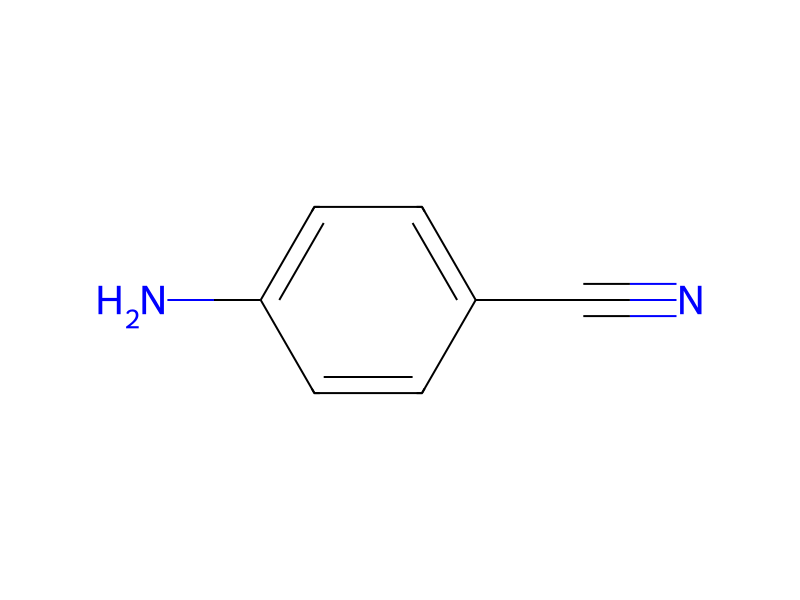
Basic information
- CAS
873-74-5- Standard SMILES
N#Cc1ccc(N)cc1- InChIKey
YBAZINRZQSAIAY-UHFFFAOYSA-N- Molecular formula
- C7H6N2
- Average molar mass
- 118.14 g/mol
- Monoisotopic mass
- 118.0530982
Overview
structure given in first source
Names & identifiers
- Preferred name
- 4-Aminobenzonitrile
- IUPAC
- 4-aminobenzonitrile
- English name
- 4-Aminobenzonitrile
- Molecular formula
- C7H6N2
- Molecular weight
- 118.14
Names & synonyms
4-Aminobenzonitrile873-74-54-CyanoanilineP-AMINOBENZONITRILEp-CyanoanilineBenzonitrile, 4-amino-Benzonitrile, p-amino-1-Amino-4-cyanobenzenepara-aminobenzonitrilePB8V69Y76TDTXSID0061240NSC-7625
Show more names
4-AMinobenzonitirlePABNNSC 7625AKOS 91151AKOS B029065p-cyano-anilin
RefChem:97838DTXCID3048578212-850-1Aniline, p-cyano-MFCD00007821p-Cyanophenylamine4-aminobezonitrile4-amino-benzonitrile
Database identifiers
- CAS
873-74-5- PubChem CID
- 13396
- DTXSID
DTXSID0061240- UNII
- PB8V69Y76T
- EC Number
- 212-850-1
- Nikkaji
- J46.531C
Properties
Computed structural properties
- XLogP
- 1.3
- Topological polar surface area
- 49.8 Ų
- Hydrogen bond donors
- 1
- Hydrogen bond acceptors
- 2
- Rotatable bonds
- 0
- Heavy atoms
- 9
- Formal charge
- 0
- Complexity
- 125
Experimental & physicochemical properties
Chemical ClassesNitrogen Compounds -> Nitriles
SpringerMaterials Properties13C nuclear magnetic resonance spectrum
Vapor Pressure0.00887 [mmHg]
Physical DescriptionOff-white crystalline powder; Slightly soluble in water; [MSDSonline]
Physicochemical properties
- Melting point
- 83 · 83-85 °C(lit.)
- Boiling point
- 167 °C · 167 °C / 1mmHg
- Density
- 1.1151 · 1.1151 (rough estimate)
- vapor pressure
- 0.002 · 0.002-0.005Pa at 20-25℃
- refractive index
- 1.55 · 1.5500 (estimate)
- storage temp.
- Keep in dark place,Inert atmosphere,Room temperature
- solubility
- Chloroform (Slightly), Ethyl Acetate (Slightly), Methanol (Slightly)
Safety & regulation
Safety information is for reference only and does not replace the supplier’s Safety Data Sheet (SDS), applicable regulations, or professional assessment.
GHS classification
GHS Classification
Danger
H301 (88.1%): Toxic if swallowed [Danger Acute toxicity, oral]
P261, P262, P264, P264+P265, P270, P271, P280, P301+P316, P301+P317, P302+P352, P304+P340, P305+P351+P338, P316, P319, P321, P330, P332+P317, P337+P317, P361+P364, P362+P364, P403+P233, P405, and P501 (click each P-code to see the statement)
Aggregated GHS information provided per 67 reports by companies from 15 notifications to the ECHA C&L Inventory. Each notification may be associated with multiple companies.
Hazard information
Regulatory Information
REACH registered substance: 4-aminobenzonitrile (EC: 212-850-1)
4-Aminobenzonitrile: Does not have an individual approval but may be used under an appropriate group standard
Hazards SummaryAn eye irritant; [eChemPortal: ERMA] An irritant; Effects in high-dose animal studies include cyanosis; [MSDSonline] See NITRILES.
Hazard Classes and CategoriesAcute Tox. 3 (88.1%)
Safety data
- PPE
- dust mask type N95 (US), Eyeshields, Faceshields, Gloves
- wgk
- 3
- tsca
- TSCA listed
- rtecs
- BX2320000
- ridadr
- UN 2811 6.1/PG 3
- hs_code
- 29269095
- risk_code
- 22-36-36/37/38-20/21/22
- Signal word
- Warning
- Symbol(GHS)
Chemistry & industry
Uses & manufacturing
General Manufacturing InformationBenzonitrile, 4-amino-: ACTIVE
Applications
Uses4-Aminobenzonitrile is used as an amino substituted benzonitrile with hypotensive activity and as a radioprotective agent. It is also used as a derivatization reagent in the capillary zone electrophoretic analysis of aldoses, ketoses and uronic acid. Further, it is used in the preparation of methacrylic monomers containing pendant azobenzene structures and polythiophenes containing an azobenzene moiety in the side-chain.
Upstream & downstream products
Downstream products
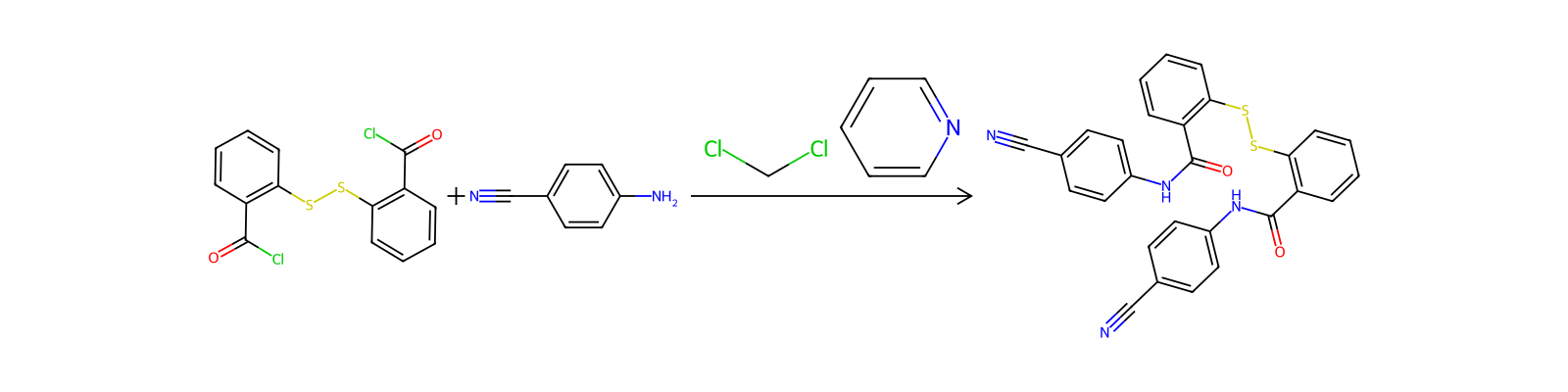
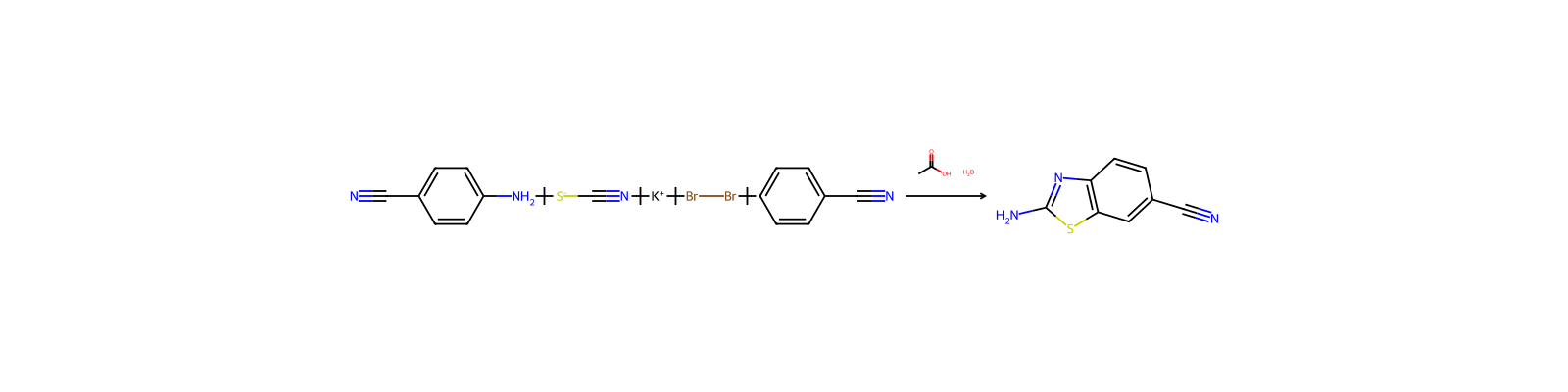
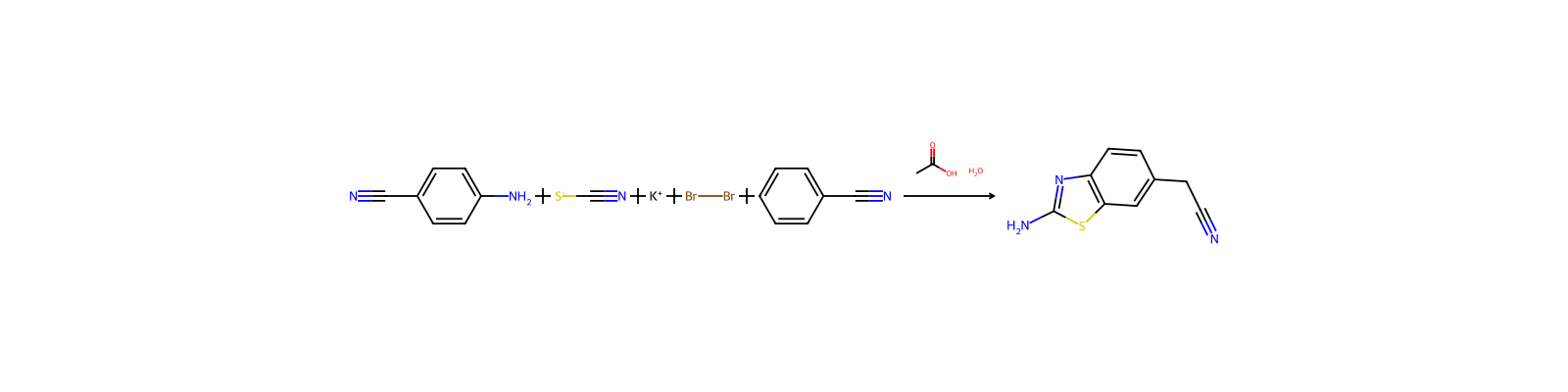
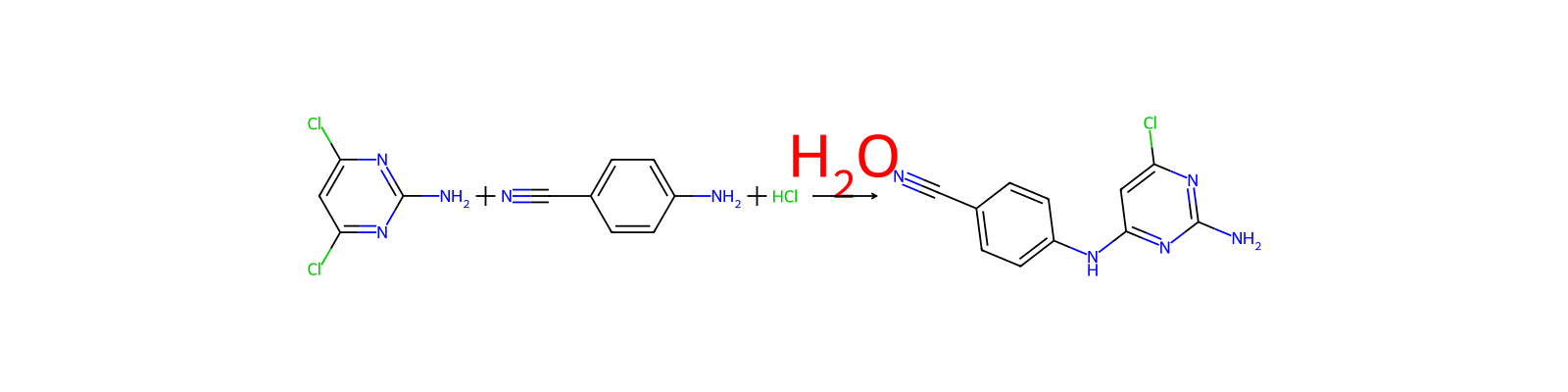
Related reactions
616 records


Compound notes
Loading…