HomeMCPWorkbenchSkills
HomeWorkbenchNotificationsMe
llms.txt · MCP GuidePrivacy Policy · Terms of Service · Supportv1.8.3
  1. Home
  2. /Compound

4-(Dimethylamino)pyridine

HCID 14284
New reaction
Print
Basic informationOverviewNames & identifiersPropertiesSafety & regulationChemistry & industryRelated reactionsCompound notes
Substructure searchFind similar structures

Basic information

CAS
1122-58-3
Standard SMILES
CN(C)c1ccncc1
InChIKey
VHYFNPMBLIVWCW-UHFFFAOYSA-N
Molecular formula
C7H10N2
Average molar mass
122.17 g/mol
Monoisotopic mass
122.08439833

Overview

4-Dimethylaminopyridine is a dialkylarylamine and a tertiary amino compound.

Names & identifiers

Preferred name
4-(Dimethylamino)pyridine
IUPAC
N,N-dimethylpyridin-4-amine
English name
4-Dimethylaminopyridine
Molecular formula
C7H10N2
Molecular weight
122.17

Names & synonyms

4-Dimethylaminopyridine1122-58-3N,N-Dimethylpyridin-4-aminedmap4-(Dimethylamino)pyridine4-Pyridinamine, N,N-dimethyl-DTXSID00443694-DMAPPFP1R6P0S8DTXCID80243694-[dimethylamino]pyridineRefChem:98776
Show more names
4,4-dimethylaminopyridine4-(Dimethylamino)pyridine, 99%, prilled4-(N,N-dimethlyamino)pyridine26DCLPYAURORA KA-64954-DiMethylaMin
214-353-5p-DimethylaminopyridineN,N-DIMETHYL-4-PYRIDINAMINEN-(4-Pyridyl)dimethylamineN,N-Dimethyl-4-aminopyridinePyridine, 4-(dimethylamino)-MFCD00006418887925-31-7

Database identifiers

CAS
1122-58-3
PubChem CID
14284
DTXSID
DTXSID0044369
ChEMBL
CHEMBL3561645
ChEBI
CHEBI:182593
UNII
PFP1R6P0S8
EC Number
214-353-5
Nikkaji
J1.582.952D、J31.394G

Properties

Computed structural properties

XLogP
1.3
Topological polar surface area
16.1 Ų
Hydrogen bond donors
0
Hydrogen bond acceptors
2
Rotatable bonds
1
Heavy atoms
9
Formal charge
0
Complexity
75

Experimental & physicochemical properties

Chemical ClassesNitrogen Compounds -> Pyridines
SpringerMaterials Properties15N nuclear magnetic resonance spectrum
LogP1.34
Vapor Pressure1.0 [mmHg]
Physical Description · 2 items

Large Crystals

Colorless solid; [Merck Index] Beige crystalline solid; [Sigma-Aldrich MSDS]

Collision Cross Section120.6 Ų [M+H]+ [CCS Type: DT; Buffer gas: N2; Ionization: APCI+; Dataset: TOXCAST; Source Identifier: DTXSID0044369]

Physicochemical properties

Melting point
112 °C · 112 °C
Boiling point
162 °C · 162 °C
Density
0.906 g/mL · 0.906 g/mL at 25 °C
bulk density
520 kg/m3 · 520kg/m3
vapor pressure
0.169 hPa · 0.169 hPa at 20 °C
refractive index
20 · n20/D 1.431
Flash point
110 °C · 110 °C
storage temp.
30 °C · Store below +30°C.
solubility
50 mg/mL, · methanol: 50 mg/mL, clear
form
prilled
pka
pKa (20°): 9.7
color
off-white to yellow
PH
11 · 11 (60g/l, H2O, 20℃)
Odor
characteristic odor
PH Range
9.7 · 9.7 (10% aq soln)
Water Solubility
76 g/L · 76 g/L (25 ºC)
Merck
14 · 14,3389
BRN
110354 · 110354
Stability
Stable. Incompatible with acids, oxidizing agents.
InChI
1S/C7H10N2/c1-9(2)7-3-5-8-6-4-7/h3-6H,1-2H3
InChIKey
VHYFNPMBLIVWCW-UHFFFAOYSA-N
SMILES
CN(C)c1ccncc1
LogP
1.34 at · 1.34 at 25℃
CAS DataBase Reference
1122 · 1122-58-3(CAS DataBase Reference)
EWG's Food Scores
1 · 1
FDA UNII
1 R6P0S8 · PFP1R6P0S8
NIST Chemistry Reference
4 · 4-Pyridinamine, N,N-dimethyl-(1122-58-3)
EPA Substance Registry System
4 · 4-(Dimethylamino)pyridine (1122-58-3)
UNSPSC Code
41116107 · 41116107
NACRES
24 · NA.24
Symbol(GHS)
5 · GHS05,GHS06,GHS08,GHS09
Signal word
Danger
Hazard statements
301 · H301+H331-H310-H315-H318-H370-H411
Precautionary statements
262 · P262-P273-P280-P301+P310-P302+P352+P310-P305+P351+P338
target organs
Nervous system
PPE
3 · Eyeshields, Faceshields, Gloves, type P3 (EN 143) respirator cartridges
Hazard Codes
T,C,T+,Xn,F
Risk Statements
25 · 25-34-24/25-36/37/38-27-36-24-20-61-40-23/24/25-67-66-21/22-11-36/37-22-19
Safety Statements
36 · 36/37/39-45-28A-26-28-36/37-53-27-22-16
RIDADR
2811 · UN 2811 6.1/PG 2
WGK Germany
3 · 3
RTECS
8400000 · US8400000
Autoignition Temperature
420 °C · 420 °C
Hazard Note
Toxic/Corrosive
TSCA
TSCA listed
HazardClass
8 · 8
PackingGroup
II
HS Code
2933399090 · 2933399090
Storage Class
6.1 A · 6.1A - Combustible acute toxic Cat. 1 and 2very toxic hazardous materials
Hazard Classifications
2 DermalAcute · Acute Tox. 2 DermalAcute Tox. 3 InhalationAcute Tox. 3 OralAquatic Chronic 2Eye Dam. 1Skin Irrit. 2STOT SE 1
Toxicity
50 orally · LD50 orally in Rabbit: 140 mg/kg LD50 dermal Rabbit 90 mg/kg
REACH Registrations
Active
Limited Quantities
100 ml · 100ml (liquid) or 0.5 Kg (solid)
Excepted Quantities
Max Inner Pack (1g or 1ml) and Max Outer Pack (500g or 500ml)

Safety & regulation

Safety information is for reference only and does not replace the supplier’s Safety Data Sheet (SDS), applicable regulations, or professional assessment.

GHS classification

GHS Classification · 5 items

This chemical does not meet GHS hazard criteria for 1.1% (6 of 522) of reports.

Danger

H301 (98.9%): Toxic if swallowed [Danger Acute toxicity, oral]

P260, P261, P262, P264, P264+P265, P270, P271, P273, P280, P301+P316, P301+P330+P331, P302+P352, P302+P361+P354, P304+P340, P305+P351+P338, P305+P354+P338, P308+P316, P316, P317, P319, P321, P330, P332+P317, P337+P317, P361+P364, P362+P364, P363, P391, P403+P233, P405, and P501 (click each P-code to see the statement)

Aggregated GHS information provided per 522 reports by companies from 53 notifications to the ECHA C&L Inventory. Each notification may be associated with multiple companies.

Hazard information

Regulatory Information · 4 items

Chemical: 4-Pyridinamine, N,N-dimethyl-

4-Pyridinamine, N,N-dimethyl- is listed on the EPA's Chemical Data Reporting (CDR) system. Manufacturers and importers of 4-Pyridinamine, N,N-dimethyl- are required to report information about their production and use of this chemical to the EPA under the Toxic Substances Control Act (TSCA). (40 eCFR Part 711)

REACH registered substance: N,N-dimethylpyridin-4-amine (EC: 214-353-5)

4-(Dimethylamino) pyridine: Does not have an individual approval but may be used under an appropriate group standard

Hazards SummaryA skin and strong eye irritant; Toxic by ingestion; Highly toxic by skin absorption; [Sigma-Aldrich MSDS] See 4-Aminopyridine.
Hazard Classes and CategoriesAcute Tox. 3 (98.9%)
CSL Reaction Information · 6 items

CSL00204

2-Methoxyprop-2-yl Hydroperoxide + Dicyclohexylcarbodiimide + 4-(Dimethylamino)pyridine + Dichloromethane + Cesium hydroxide + Dimethylformamide

"We would like to draw attention to a potential hazard associated with a procedure reported from our laboratories, "2-Methoxyprop-2-yl Hydroperoxide: A Convenient Reagent for the Synthesis of Hydroperoxides and Peracids," P. H. Dussault and A. Sahli [J. Org. Chem., 57, 1009 (1992). DOI: 10.1021/jo00029a043]. The procedure, which calls for room-temperature concentration of the ozonolysis-derived reagent before redissolution in an appropriate solvent, has been performed uneventfully on numerous occasions. Recently, however, several concentrated samples were observed to undergo rapid exothermic decomposition. In one case, an open vial containing a 2-g sample emitted a pillar of flame several feet high. We are currently investigating alternative procedures, including concentration of the reagent at 0 C. Extreme caution, including the rigorous use of safety shields, is warranted. The reagent should not be stored, but should be generated only as needed. Dilute solutions of excess reagent can be safely quenched with dimethyl sulfide, triphenylphosphine, or aqueous sodium sulfite." (reprint of full text)

Flammable,Pyrophoric

Not Available

10.1021/cen-v071n032.p002

Safety data

PPE
Eyeshields, Faceshields, Gloves, type P3 (EN 143) respirator cartridges
wgk
3
tsca
TSCA listed
rtecs
US8400000
ridadr
UN 2811 6.1/PG 2
hs_code
2933399090
Toxicity
LD50 orally in Rabbit: 140 mg/kg LD50 dermal Rabbit 90 mg/kg
risk_code
25-34-24/25-36/37/38-27-36-24-20-61-40-23/24/25-67-66-21/22-11-36/37-22-19
Signal word
Danger
Symbol(GHS)
GHS05,GHS06,GHS08,GHS09
hazard_code
T,C,T+,Xn,F
hazard_note
Toxic/Corrosive
safety_code
36/37/39-45-28A-26-28-36/37-53-27-22-16
hazard_class
8
Storage Class
6.1A - Combustible acute toxic Cat. 1 and 2very toxic hazardous materials
packing_group
II
target organs
Nervous system
Hazard statements
H301+H331-H310-H315-H318-H370-H411
Limited Quantities
100ml (liquid) or 0.5 Kg (solid)
Excepted Quantities
Max Inner Pack (1g or 1ml) and Max Outer Pack (500g or 500ml)
REACH Registrations
Active
Hazard Classifications
Acute Tox. 2 DermalAcute Tox. 3 InhalationAcute Tox. 3 OralAquatic Chronic 2Eye Dam. 1Skin Irrit. 2STOT SE 1
Autoignition Temperature
420 °C
Precautionary statements
P262-P273-P280-P301+P310-P302+P352+P310-P305+P351+P338

Chemistry & industry

Uses & manufacturing

UsesA catalyst used in organic syntheses; [Merck Index]
U.S. Production2023: 50,000 - <250,000 lb
Industry UsesCatalyst
General Manufacturing Information · 2 items

Pharmaceutical and Medicine Manufacturing

4-Pyridinamine, N,N-dimethyl-: ACTIVE

Applications · 6 items

Uses4-Dimethylaminopyridine (Valaciclovir EP Impurity G; Valacyclovir USP Related Compound G) is a highly efficient catalyst for acylation reactions.

Uses4-Dimethylaminopyridine is a versatile hypernucleophilic acylation catalyst, it is used to improve the yield, reduce the reaction time, improving relaxation process conditions. Widely used in perfumes, dyes, pigments, pesticides, pharmaceuticals and polymer compounds and other fields. Also used as a catalyst for the synthesis of polyurethane, a curing agent and a blowing catalyst.

UsesDMAP is a useful highly basic nucleophilic catalyst for a variety of reactions such as esterifications with anhydrides, the Baylis-Hillman reaction, hydrosilylations, tritylation, the Steglich rearrangement.

UsesIn a wide variety of organic syntheses as a catalyst.

UsesA highly fluorescent adenosine analogue, which in a dimethoxytrityl, phosphoramidite protected form, can be site-specifically inserted into oligonucleotides through a 35phosphodiester linkage using an automated DNA synthesizer

General DescriptionValacyclovir Related Compound G, also called as 4-(Dimethylamino)pyridine (DMAP) is an excellent catalyst for acylation of hindered alcohols and in chemical transformations. It is highly nucleophilic in nature.

Upstream & downstream products

Upstream raw materials

Hexamethylphosphoramide4-HydroxypyridinePyridine

Downstream products

1-[4-(Trifluoromethyl)pyrimid-2-yl]piperazine2-Hydroxy-4-(trifluoromethyl)pyrimidine2-Chloro-4-(trifluoromethyl)pyrimidineDocetaxel1-(2-Pyrrolidinoethyl)piperazine5-(Trifluoromethyl)-1-methyl-1H-pyrazole1-tert-Butyl-5-(trifluoromethyl)-1H-pyrazole-4-carbaldehydePiperazine-1,4-dicarboxylic acid tert-butyl ester methyl ester2-Hydrazinyl-1-morpholinoethanone4-Trifluoromethyl-N-methylaniline 971-Methyl-3-(trifluoromethyl)-1H-pyrazole1-Acetyl-5-bromoindolineN4-Benzoylcytosine2-Acetylamino-4-methylpyridine1-tert-Butyl-5-(trifluoromethyl)-1H-pyrazoleBoc-L-beta-Homoprolinebeta-(4-Acetoxyphenyl)propionic acid2-(Methylthio)-4-(trifluoromethyl)pyrimidinetert-Butyl 5-formylthiazol-2-ylcarbamate1-tert-Butyl-4-bromo-5-(trifluoromethyl)-1H-pyrazole3-Hydrazinyl-1-(4-methylpiperazin-1-yl)propan-1-oneAniracetamMono-methyl succinate2-Aminoisonicotinic acidEthyl 2-Aminoisonicotinate4-Aminobenzanilide4-Bromo-5-(trifluoromethyl)-1-phenyl-1H-pyrazole1-tert-Butyl-3-(trifluoromethyl)-1H-pyrazoleMethyl 6-[(tert-butoxycarbonyl)amino]nicotinate4-Bromo-1-methyl-3-(trifluoromethyl)-1H-pyrazole5-(Trifluoromethyl)-1-methyl-1H-pyrazole-4-carbaldehyde2-Acetamidopyridine-3-carboxylic acid1-tert-Butyl-4-bromo-3-(trifluoromethyl)-1H-pyrazole3-Hydrazinyl-1-morpholinopropan-1-one2'-BromoacetanilideLIMAPROST4-Bromo-5-(trifluoromethyl)-1-methyl-1H-pyrazole2,2,2-Trifluoro-1-(3-(trifluoromethyl)-1-phenyl-1H-pyrazol-4-yl)ethanone2-Hydrazinyl-1-(4-methylpiperazin-1-yl)ethanone(2R)-(-)-Glycidyl tosylate

Additional notes

DefinitionChEBI: 4-Dimethylaminopyridine is a dialkylarylamine and a tertiary amino compound.

Related reactions

24,121 records
New reaction record
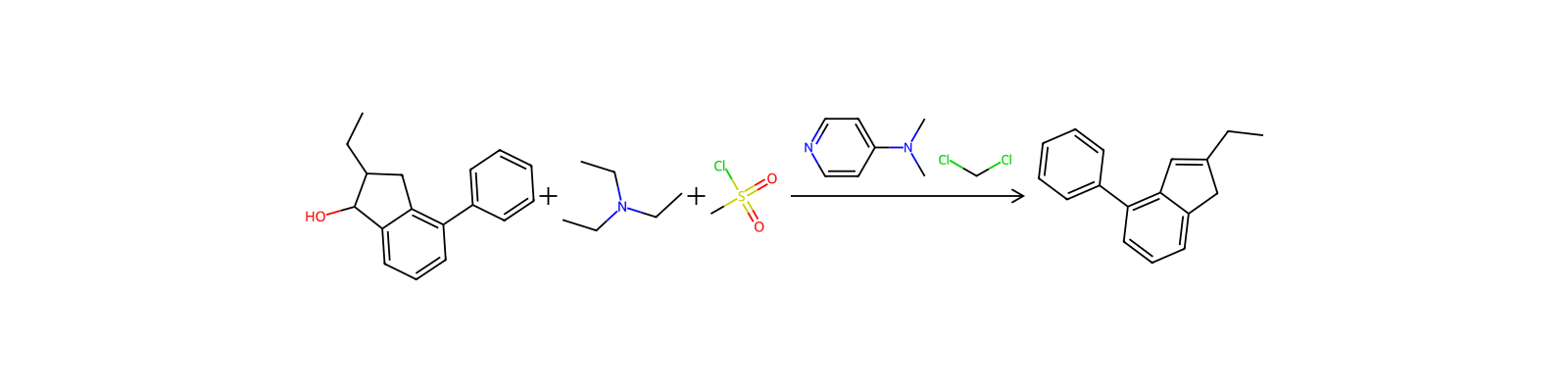
HRID 1143 reaction equation
HRID 1143As catalyst

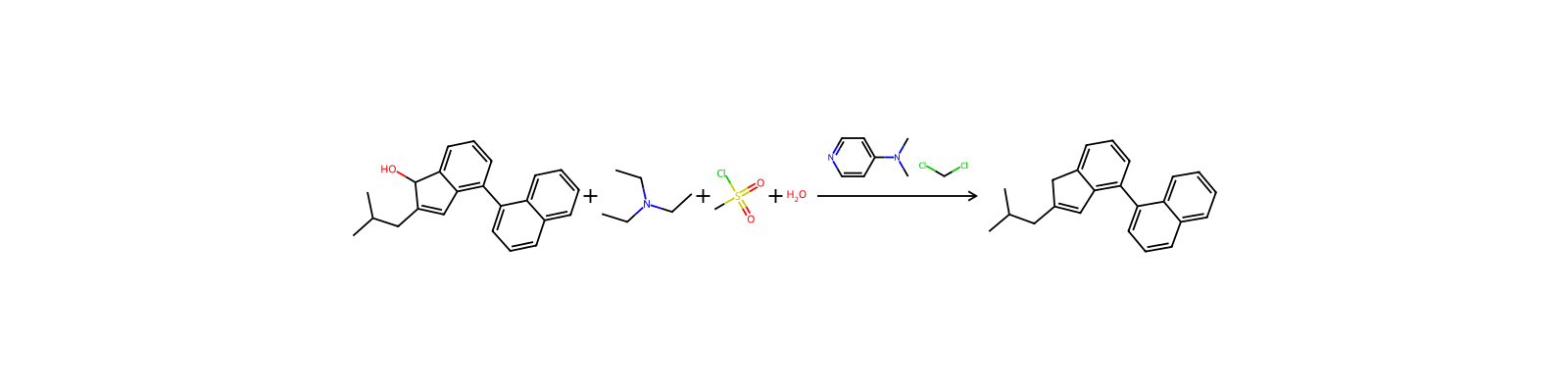
HRID 1225 reaction equation
HRID 1225As catalyst
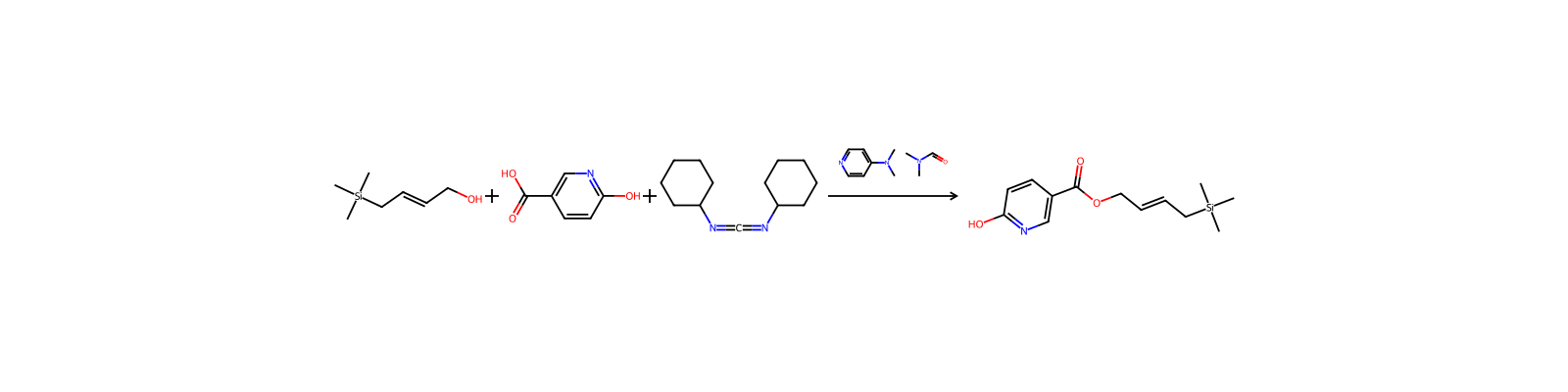
HRID 1258 reaction equation
HRID 1258As catalyst
HRID 1265 reaction equation
HRID 1265As catalyst
HRID 1490 reaction equation
HRID 1490As catalyst
HRID 1558 reaction equation
HRID 1558As catalyst
HRID 1633 reaction equation
HRID 1633As catalyst
HRID 1639 reaction equation
HRID 1639As catalyst
PreviousPage 1 of 3016

Compound notes

On this pageBasic informationOverviewNames & identifiersPropertiesSafety & regulationChemistry & industryRelated reactionsCompound notes