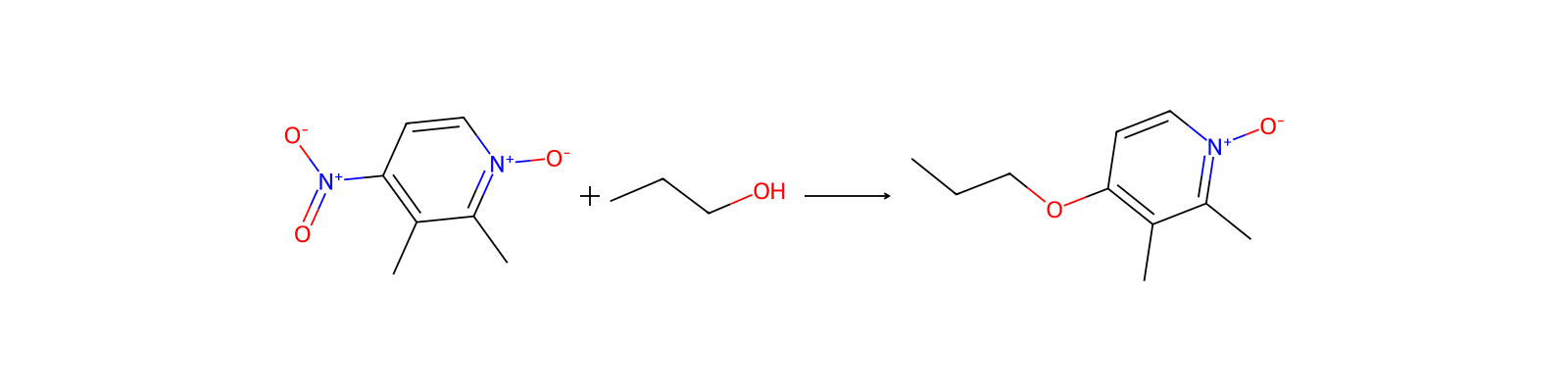
HRID 4699As reactant

37699-43-7Cc1c([N+](=O)[O-])cc[n+]([O-])c1CCFMTVTYBZMKULI-UHFFFAOYSA-N37699-43-7DTXSID50191134Safety information is for reference only and does not replace the supplier’s Safety Data Sheet (SDS), applicable regulations, or professional assessment.
Warning
H302 (14%): Harmful if swallowed [Warning Acute toxicity, oral]
P203, P261, P264, P264+P265, P270, P271, P280, P301+P317, P302+P352, P304+P340, P305+P351+P338, P318, P319, P321, P330, P332+P317, P337+P317, P362+P364, P403+P233, P405, and P501 (click each P-code to see the statement)
Aggregated GHS information provided per 50 reports by companies from 8 notifications to the ECHA C&L Inventory. Each notification may be associated with multiple companies.
REACH registered substance: 4-Nitro-2,3-lutidine N-oxide (EC: 609-469-1)
Pyridine, 2,3-dimethyl-4-nitro-, 1-oxide: Does not have an individual approval but may be used under an appropriate group standard
UsesNitropyridine oxide derivative,Nitropyridine oxide derivatives show carcinogenicity and mutagenicity.
General Description4-Nitro-2,3-lutidine N-oxide can undergo reduction in the presence of Titanium(III) chloride in 50% aqueous acetonitrile. N-hydroxylamine is formed as a by-product during the reduction reaction.