
HRID 7495As catalyst

1317-38-0[O]=[Cu]QPLDLSVMHZLSFG-UHFFFAOYSA-NParamelaconite is a mineral with formula of Cu1+2Cu2+2O3. The IMA symbol is Pml.
1317-38-0、163686-95-1Agrochemicals -> Pesticide active substances
Active substance -> EU Pesticides database: Approved
Safety information is for reference only and does not replace the supplier’s Safety Data Sheet (SDS), applicable regulations, or professional assessment.
EYES: irrigate opened eyes for several minutes under running water. INGESTION: do not induce vomiting. Rinse mouth with water (never give anything by mouth to an unconscious person). Seek immediate medical advice. SKIN: should be treated immediately by rinsing the affected parts in cold running water for at least 15 minutes, followed by thorough washing with soap and water. If necessary, the person should shower and change contaminated clothing and shoes, and then must seek medical attention. INHALATION: supply fresh air. If required provide artificial respiration.
People must absorb small amounts of copper every day because copper is essential for good health, however, high levels of copper can be harmful. Very-high doses of copper can cause damage to your liver and kidneys, and can even cause death. Copper may induce allergic responses in sensitive individuals. (L278, L279)
Excess copper is sequestered within hepatocyte lysosomes, where it is complexed with metallothionein. Copper hepatotoxicity is believed to occur when the lysosomes become saturated and copper accumulates in the nucleus, causing nuclear damage. This damage is possibly a result of oxidative damage, including lipid peroxidation. Copper inhibits the sulfhydryl group enzymes such as glucose-6-phosphate 1-dehydrogenase, glutathione reductase, and paraoxonases, which protect the cell from free oxygen radicals. It also influences gene expression and is a co-factor for oxidative enzymes such as cytochrome C oxidase and lysyl oxidase. In addition, the oxidative stress induced by copper is thought to activate acid sphingomyelinase, which lead to the production of ceramide, an apoptotic signal, as well as cause hemolytic anemia. Copper-induced emesis results from stimulation of the vagus nerve. (L277, T49, A174, L280)
Copper is mainly absorbed through the gastrointestinal tract, but it can also be inhalated and absorbed dermally. It passes through the basolateral membrane, possibly via regulatory copper transporters, and is transported to the liver and kidney bound to serum albumin. The liver is the critical organ for copper homoeostasis. In the liver and other tissues, copper is stored bound to metallothionein, amino acids, and in association with copper-dependent enzymes, then partitioned for excretion through the bile or incorporation into intra- and extracellular proteins. The transport of copper to the peripheral tissues is accomplished through the plasma attached to serum albumin, ceruloplasmin or low-molecular-weight complexes. Copper may induce the production of metallothionein and ceruloplasmin. The membrane-bound copper transporting adenosine triphosphatase (Cu-ATPase) transports copper ions into and out of cells. Physiologically normal levels of copper in the body are held constant by alterations in the rate and amount of copper absorption, compartmental distribution, and excretion. (L277, L279)
DescriptionCopper (II) oxide is used for blue-green pigmentation in ceramics. As a naturally occurring compound produced from mining, it is also used as a precursor to other cooper applications, including fungicide and wood preservatives. In this capacity, it is used as an antifouling paint agent for boat hulls, and other outdoor, freshwater, and seawater wood constructions. It is also occasionally used for animal feed, but incorrectly, as its copper bioavailability is inferior to of a number of other compounds including cupric acetate and alkaline Cu carbonate. Other uses include preparation of superconductors, manufacture of batteries, and as a catalyst for various industrial processes.




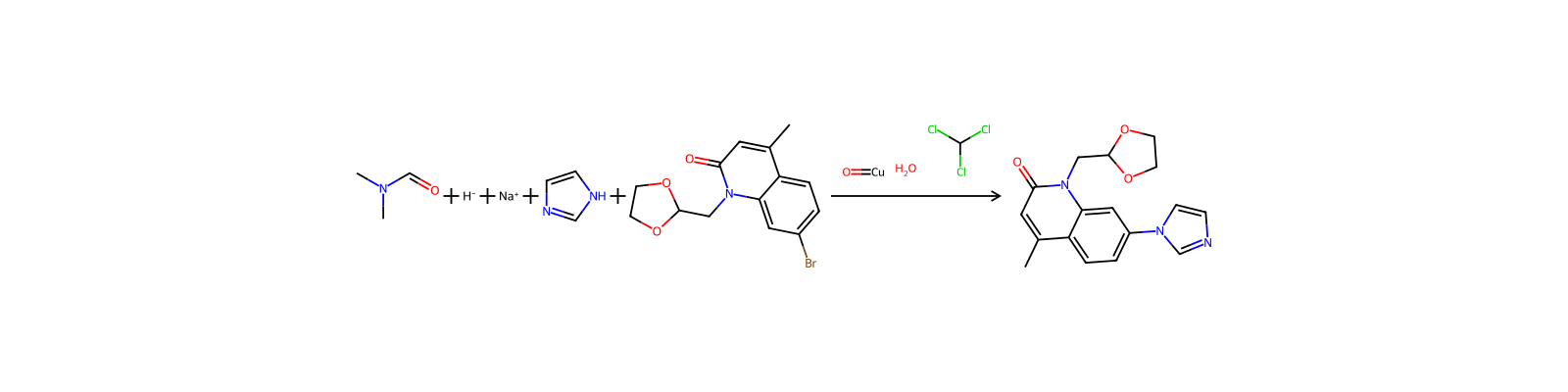

UsesCopper(II) oxide is used as pigments for coloring glass, ceramics, porcelain and artificial gems; in batteries and electrodes; in antifouling paints; in electroplating; in welding fluxes for bronze; in the production of rayons; for removal of sulfur from oils; in phosphor mixtures; for polishing optical glass; and as a catalyst. It also is used to prepare various copper compounds. Copper(II) oxide is found in nature as the minerals tenorite and paramelaconite. They differ in crystalline structure: tenorite exists as triclinic crystals while paramelaconite consists of tetrahedral cubic crystals.
DescriptionCopper(II) oxide or cupric oxide is an inorganic compound with the formula CuO. A black solid, it is one of the two stable oxides of copper, the other being Cu2O or copper(I) oxide (cuprous oxide). As a mineral, it is known as tenorite. It is a product of copper mining and the precursor to many other copper-containing products and chemical compounds.Mainly used in wood preservatives, ceramics, and mineral supplements for animal feed.Copper(II) oxide nanoparticles (NPCuO) have industrial applications as antimicrobial agents in textiles and paints, and catalysts in organic synthesis. They may also be produced from electronic wastes. Cupric oxide poses potential health and environmental concern due to toxic and mutagenic particles generating reactive oxygen species.
UsesCupric Oxide can be used as a dietary ingredient and as a nutrient. Copper aids in the absorption of iron, in the formation of red blood cells and the proper bone formation and maintenance.As pigment in glass, ceramics, enamels, porcelain glazes, artificial gems; in manufacture of rayon, other Cu Compounds; in sweetening petroleum gases; in galvanic electrodes; as flux in metallurgy; in correcting Cu deficiencies in soil; as optical-glass polishing agent; in antifouling paints, pyrotechnic compositions; as exciter in phosphor mixtures; as catalyst for organic reactions; in high tempereture superconductors.
UsesNanoscale Copper(II) Oxide has been studied as photocatalysts, sensors, lubricant additives and batteries. Nanorods of cupric oxide have also shown advantages as oxidizing agents in high speed chemical reactions over traditional cupric oxide nanoparticles. Copper(II) oxide is a promising p-type oxide material although with a small band gap.
General DescriptionCopper oxides (Cu2O, CuO) are p-type semiconductor materials with small band gap energy. High physical and chemical stability of metal oxide nanoparticles renders them extremely useful in catalytic applications.The structures of the compounds are monoclinic. Nanoscaled copper oxide compounds can be prepared by thermal plasma technology. A study reports its antimicrobial properties.
DefinitionA black solid prepared by the action of heat on copper(II) nitrate, hydroxide, or carbonate. It is a basic oxide and reacts with dilute acids to form solutions of copper(II) salts. Copper(II) oxide can be reduced to copper by heating in a stream of hydrogen or carbon monoxide. It can also be reduced by mixing with carbon and heating the mixture. Copper(II) oxide is stable up to its melting point, after which it decomposes to give oxygen, copper(I) oxide, and eventually copper.