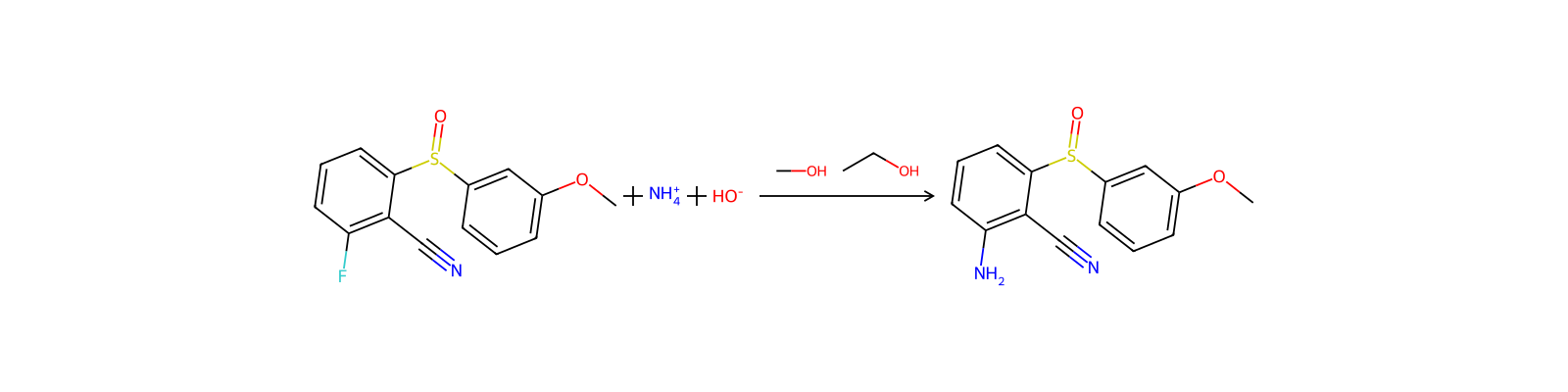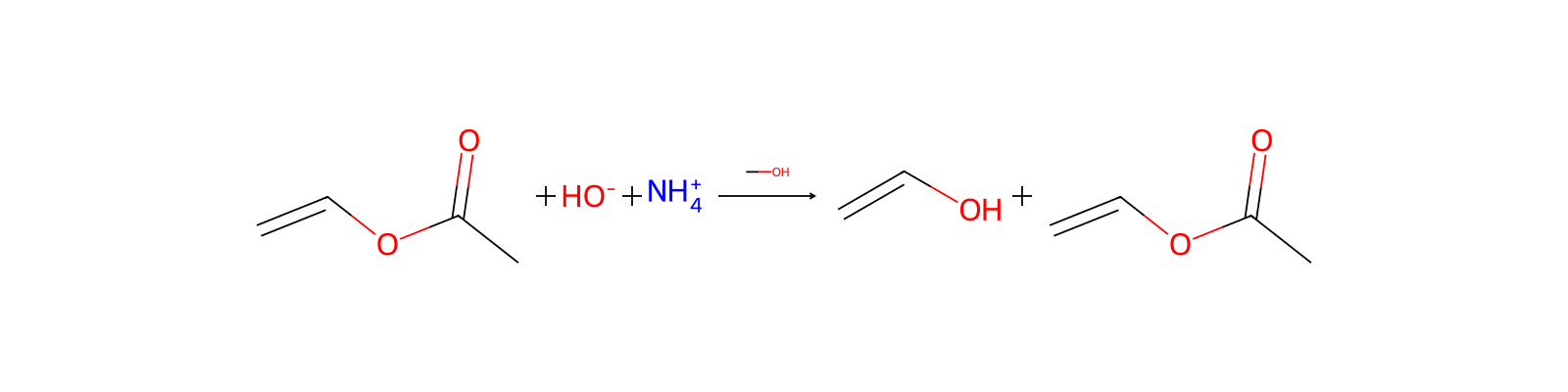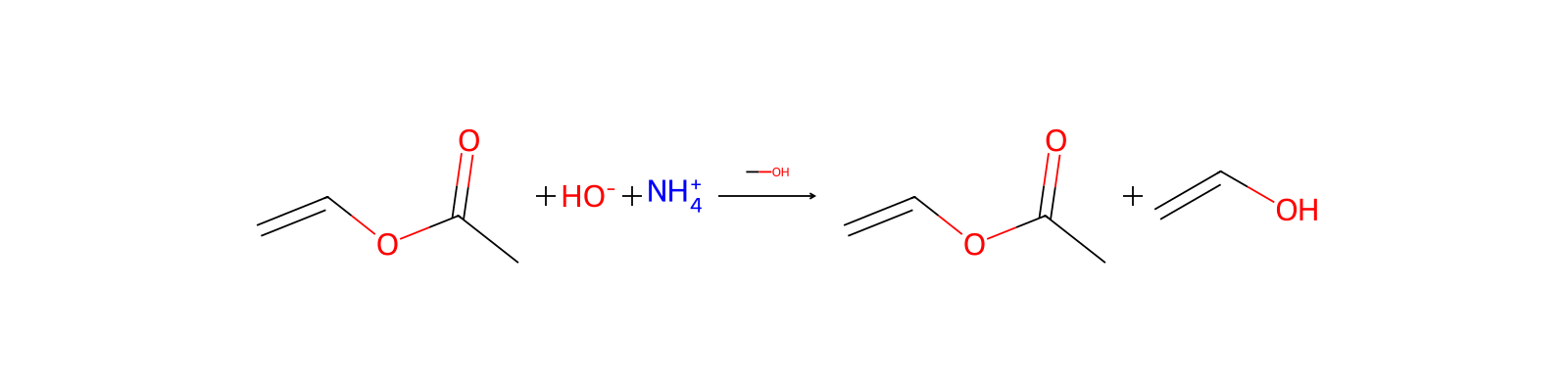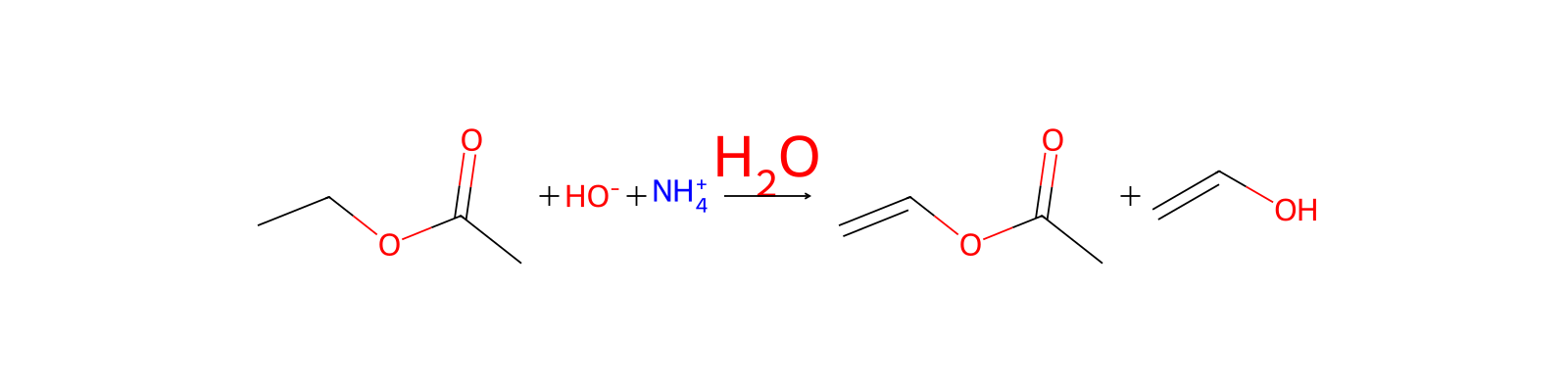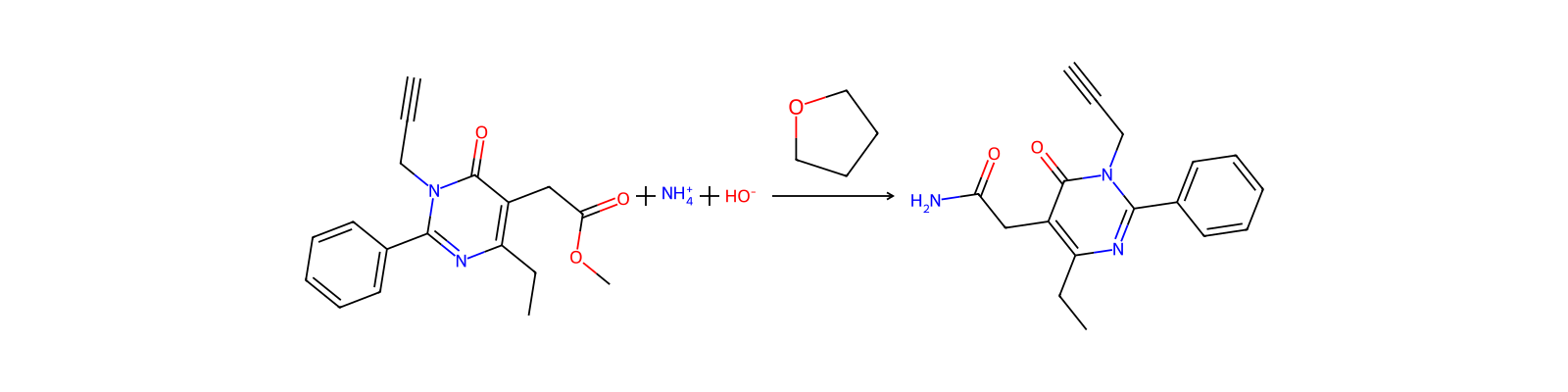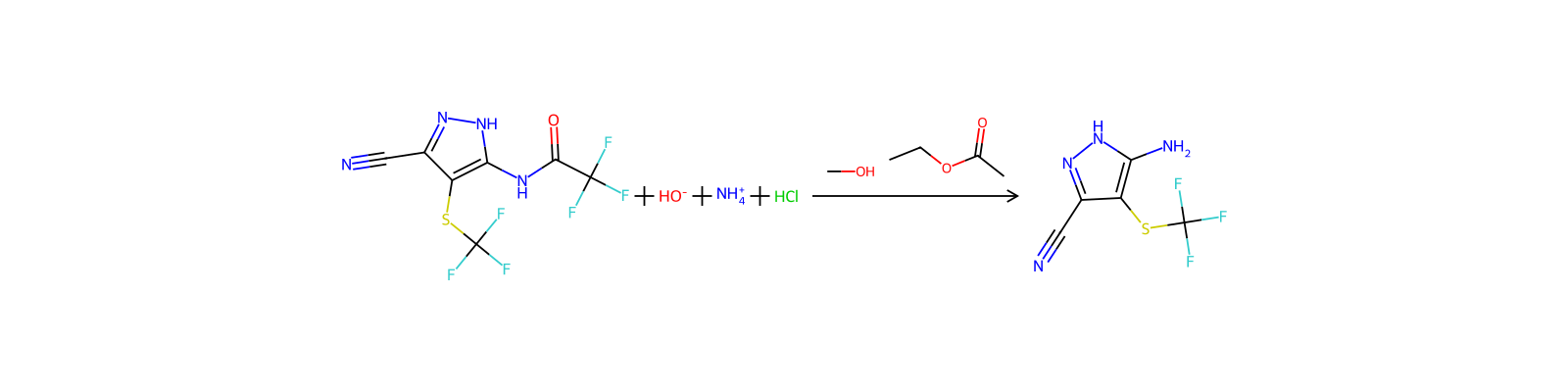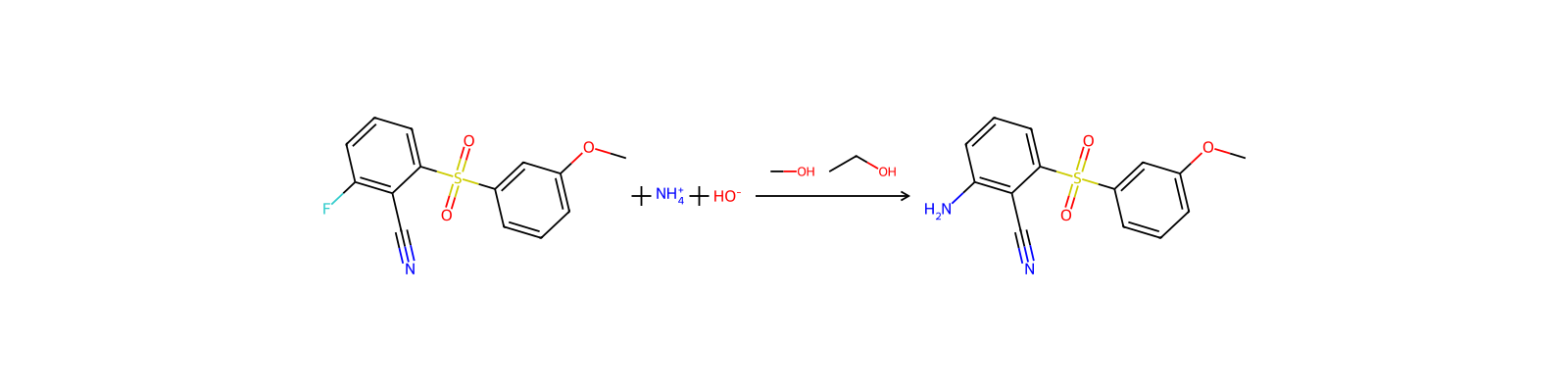
HRID 838As reactant

1336-21-6[NH4+].[OH-]VHUUQVKOLVNVRT-UHFFFAOYSA-NAmmonium hydroxide appears as a colorless aqueous solution. Concentration of ammonia ranges up to approximately 30%. Ammonia vapors (which arise from the solution) irritate the eyes.
1336-21-6DTXSID4020080CHEBI:18219Other Classes -> Bases
Corrosives
Cosmetic ingredients (Ammonium Hydroxide) -> CIR (Cosmetic Ingredient Review)
Buffering; Denaturant
Acrid taste
Threshold value (unspecified-detection or recognition) of an unspecified purity in water is 3.40x10+1 ppm.
Threshold value (unspecified-detection or recognition) of an unspecified purity in coffee brew is 1.04x10+2 ppm.
About 0.90 @ 25 °C/25 °C
Relative density (water = 1): 0.9 (25%)
0.9 @25 °C
Safety information is for reference only and does not replace the supplier’s Safety Data Sheet (SDS), applicable regulations, or professional assessment.
Danger
H314: Causes severe skin burns and eye damage [Danger Skin corrosion/irritation]
P260, P264, P273, P280, P301+P330+P331, P302+P361+P354, P304+P340, P305+P354+P338, P316, P321, P363, P391, P405, and P501 (click each P-code to see the statement)
This chemical does not meet GHS hazard criteria for < 0.1% (4 of 6275) of reports.
Danger
H314 (99.9%): Causes severe skin burns and eye damage [Danger Skin corrosion/irritation]
Chemical: Ammonium hydroxide
Regulation (EC) No 178/2002 (amended)
Ammonium hydroxide ((NH4)(OH)) is listed on the EPA's Chemical Data Reporting (CDR) system. Manufacturers and importers of Ammonium hydroxide ((NH4)(OH)) are required to report information about their production and use of this chemical to the EPA under the Toxic Substances Control Act (TSCA). (40 eCFR Part 711)
REACH registered substance: Ammonia, aqueous solution (EC: 215-647-6)
Ammonium hydroxide: Does not have an individual approval but may be used under an appropriate group standard
The New Jersey Worker and Community Right to Know Act requires public and private employers to provide information about hazardous substances at their workplaces. (N.J.S.A. 34:5A-1 et. seq.)
Excerpt from ERG Guide 154 [Substances - Toxic and/or Corrosive (Non-Combustible)]:
Male rats gavaged with 1000 umol (15)N-ammonium chloride each day for 5 days excreted low, but significant amounts of excess (15)N-NO3- in urine on the 5 days of treatment & on the 5 subsequent days. An in vitro chemical model system was used to demonstrate that oxidation of ammonia to NO3- by the hydroxyl radical at physiological pH is chemically feasible. These results are consistent with the hypothesis that ammonia is oxidized to NO3- in vivo by a nonenzymic process which involves active O species such as the hydroxyl radical.
... EXCRETION IS PRIMARILY BY WAY OF KIDNEYS, BUT A NOT INSIGNIFICANT AMT IS PASSED THROUGH SWEAT GLANDS.
... Ammonium toxicity induced by ammonium acetate administration in frogs led to variable excretion of ammonia and urea into the medium. When 11.45 mM/kg body wt of ammonium acetate was administered, ammonia excretion increased while urea excretion decreased. When 4.17 mM/kg body wt of ammonium acetate was administered, the urea excretion increased while NH3 excretion decreased.
Ammonium hydroxide penetrates fastest, followed by sodium hydroxide, potassium hydroxide, and finally calcium hydroxide.
CIR ingredient: Ammonium Hydroxide
Used in manufacturing rayon and other textiles, pharmaceuticals, paper, rubber, detergents, inks, and other organic chemicals; Also used in photographic development, metal extracting, and water purification; Also used as a fertilizer for direct application to the soil, a household cleanser, and a food additive; [HSDB] Also used as a mordant in textile dyeing; [www.ci.tucson.az.us/arthazards/medium.html] Other uses include leather processing and electroplating; [OECD SIDS] Used to regulate acidity in foods; [JECFA]
Electroplating [Category: Plate]
Textile arts [Category: Hobbies]
Textiles; mfr of rayon, rubber; condensation polymerization; pharmaceuticals; ceramics; photography (development of latent images); ammonia soaps; lubricants; fireproofing wood; ink mfr; ammonium cmpd; saponifying fats & oils; org synth; detergent; household cleanser; food additive
Exists only in solution
Solubility in water: miscible
38 °C (25%)
36 °C @760 [mm Hg]
· Some may burn but none ignite readily.
· Non-combustible, substance itself does not burn but may decompose upon heating to produce corrosive and/or toxic fumes.
· Non-combustible, substance itself does not burn but may decompose upon heating to produce corrosive and/or toxic fumes.
· Some may burn but none ignite readily.
Not combustible.
Excerpt from ERG Guide 154 [Substances - Toxic and/or Corrosive (Non-Combustible)]:
· TOXIC and/or CORROSIVE; may be fatal if inhaled, ingested or absorbed through skin.
· TOXIC and/or CORROSIVE; inhalation, ingestion or skin contact with material may cause severe injury or death.
· TOXIC and/or CORROSIVE; inhalation, ingestion or skin contact with material may cause severe injury or death.
· TOXIC and/or CORROSIVE; may be fatal if inhaled, ingested or absorbed through skin.
Corrosive to skin; [Quick CPC] High inhalation exposure can cause pulmonary edema. [HSDB] A corrosive substance that can cause injury to the skin, eyes and respiratory tract; Inhalation of high concentrations may cause laryngeal edema, respiratory tract inflammation, and pneumonia; Prolonged or repeated exposure to vapor or aerosol may cause injury to lungs; [ICSC] Solution of <28% aqueous ammonia: Causes burns; Short-term exposure causes smarting of the skin and first-degree burns; Second-degree burns can result from extended exposure; [CHRIS] Human inhalation of 408 ppm causes focal fibrosis (pneumoconiosis) and acute pulmonary edema; [RTECS] Causes burns; A lachrymator; Toxic by ingestion; Inhalation may cause corrosive injuries to upper respiratory tract and lungs; [Aldrich MSDS] See Ammonia.
The major hazards encountered in the use and handling of ammonium hydroxide stem from its toxicologic properties. Toxic by all routes (ie, inhalation, ingestion, and dermal contact), exposure to this colorless, intensely pungent-smelling liquid may occur from its use in fertilizers, dyes, explosives, plastics, cleansing agents, fibers, and resins. Effects from exposure may include extreme irritation of the eyes and mucous membranes, contact burns to the skin and eyes, and life-threatening pulmonary edema. In activities and situations where over-exposure is possible, wear a self-contained breathing apparatus, and protective clothing (including full face protection). If contact should occur, immediately flush affected skin or eyes with running water for at least 15 minutes, and remove contaminated clothing and shoes at the site. While ammonium hydroxide does not ignite easily, it can burn with the production of irritating or poisonous gases. Fires involving ammonium hydroxide may be extinguished with dry chemical, CO2, Halon, water spray, fog, or standard foam. Ammonium hydroxide may be shipped via air, rail, road, and water, in containers bearing warning labels that differ depending upon the density, specific gravity, and percent composition of the solution being shipped. Consult the regulatory requirements of the US Department of Transportation before shipping. Ammonium hydroxide should be stored in cool, well-ventilated areas, in strong glass, plastic, or rubber stoppered bottles, away from heavy metals, acids, and combustibles (eg, wood, paper, oil). For small spills of ammonium hydroxide, first isolate the spill area, then take up with sand or other noncombustible absorbent and place into a container for later disposal. Large spills should be diked far ahead of the spill, taking care to stay out of low areas. Before implementing land disposal of waste ammonium hydroxide, consult with environmental regulatory agencies for guidance.
2073 125
2672 154
2672 154
3318 125
Ammonium hydroxide used as a general purpose food additive in animal drugs, feeds, and related products is generally recognized as safe when used in accordance with good manufacturing or feeding practice.
Substance added directly to human food affirmed as generally recognized as safe (GRAS).
Excerpt from ERG Guide 154 [Substances - Toxic and/or Corrosive (Non-Combustible)]:
In case of fire in the surroundings, use appropriate extinguishing media. In case of fire: keep drums, etc., cool by spraying with water.
Fresh air, rest. Artificial respiration may be needed. Refer for medical attention.
Remove contaminated clothes. Rinse skin with plenty of water or shower for at least 15 minutes. Refer immediately for medical attention .
Rinse with plenty of water for several minutes (remove contact lenses if easily possible). Refer immediately for medical attention.
Rinse mouth. Do NOT induce vomiting. Give one or two glasses of water to drink. Refer for medical attention .
· CALL 911. Then call emergency response telephone number on shipping paper. If shipping paper not available or no answer, refer to appropriate telephone number listed on the inside back cover.
· Do not touch or walk through spilled material.
· CALL 911. Then call emergency response telephone number on shipping paper. If shipping paper not available or no answer, refer to appropriate telephone number listed on the inside back cover.
· ELIMINATE all ignition sources (no smoking, flares, sparks or flames) from immediate area.
· CALL 911. Then call emergency response telephone number on shipping paper. If shipping paper not available or no answer, refer to appropriate telephone number listed on the inside back cover.
· ELIMINATE all ignition sources (no smoking, flares, sparks or flames) from immediate area.
Excerpt from ERG Guide 154 [Substances - Toxic and/or Corrosive (Non-Combustible)]:
General First Aid:
General First Aid:
General First Aid:
General First Aid:
· Wear positive pressure self-contained breathing apparatus (SCBA).
· Wear positive pressure self-contained breathing apparatus (SCBA).
· Wear positive pressure self-contained breathing apparatus (SCBA).
· Wear positive pressure self-contained breathing apparatus (SCBA).
SRP: At the time of review, criteria for land treatment or burial (sanitary landfill) disposal practices are subject to significant revision. Prior to implementing land disposal of waste residue (including waste sludge), consult with environmental regulatory agencies for guidance on acceptable disposal practices.
Neutralization: Put into large vessel containing water. Neutralize with hydrochloric acid. ... Recommendable methods: Landfill, ... chemical treatment. Not recommendable method: Thermal destruction. Peer-review: Small amounts only: Landfill, great dilution before discharge to sewer. Large amounts of ammonia in landfill leachate may make disposal of leachate difficult. (Peer-review conclusions of an IRPTC expert consultation (May 1985))
Evacuate danger area! Consult an expert! Personal protection: complete protective clothing including self-contained breathing apparatus. Ventilation. Do NOT let this chemical enter the environment. Cautiously neutralize spilled liquid with dilute acid such as dilute sulfuric acid. Wash away remainder with plenty of water.
SRP: The scientific literature for the use of contact lenses in industry is conflicting. The benefit or detrimental effects of wearing contact lenses depend not only upon the substance, but also on factors including the form of the substance, characteristics and duration of the exposure, the uses of other eye protection equipment, and the hygiene of the lenses. However, there may be individual substances whose irritating or corrosive properties are such that the wearing of contact lenses would be harmful to the eye. In those specific cases, contact lenses should not be worn. In any event, the usual eye protection equipment should be worn even when contact lenses are in place.
Use care in handling strong ammonia solution because of caustic nature of solution & irritating properties of its vapor. Cool container well before opening, & cover closure with a cloth or similar material while opening.
... GREATEST HAZARD OF WORKING WITH ALKALINE MATERIALS IS FROM SPLASH OR SPLATTER OF PARTICLES OR SOLN OF STRONGER ALKALIES ENTERING EYES OF WORKMEN. THIS CAN BE PREVENTED BY USE OF EYE PROTECTION THAT IS EFFECTIVE AT ALL ANGLES. PROPER PROVISIONS SHOULD ... BE AVAIL FOR IMMEDIATE & PROLONGED WASHING WITH WATER SHOULD ... EYE CONTAMINATION OCCUR.
SRP: Contaminated protective clothing should be segregated in such a manner so that there is no direct personal contact by personnel who handle, dispose, or clean the clothing. Quality assurance to ascertain the completeness of the cleaning procedures should be implemented before the decontaminated protective clothing is returned for reuse by the workers.
Excerpt from ERG Guide 154 [Substances - Toxic and/or Corrosive (Non-Combustible)]:
Immediate precautionary measure
Immediate precautionary measure
Immediate precautionary measure
Immediate precautionary measure
Small spill:
LC50 Lepomis macrochirus (bluegill) 0.024-0.093 mg/l/48 hr. /Conditions of bioassay not specified/
LC50 Ictalurus punctatus (channel catfish) 0.974 mg/liter/one week pH= 7.7 Temp= 21.1 degrees C. /Conditions of bioassay not specified/
LC50 Ictalurus punctatus (channel catfish) 1.27 mg/liter/one week pH= 7.8 Temp= 21.7 degrees C. /Conditions of bioassay not specified/
LC50 Ictalurus punctatus (channel catfish) 1.41 mg/liter/one week pH= 7.8 Temp= 22.8 degrees C. /Conditions of bioassay not specified/
For more Ecotoxicity Values (Complete) data for AMMONIUM HYDROXIDE (21 total), please visit the HSDB record page.
The CIR Expert Panel concluded that Ammonia and Ammonium Hydroxide are safe as used in hair dyes and colors and safe in cosmetics applied directly to the skin in the present practices of use and concentration described in the safety assessment when formulated to be non-irritating.
Safe for use in cosmetics, with qualifications
Cough. Sore throat. Burning sensation. Laboured breathing. Shortness of breath.
Redness. Pain. Blisters. Serious skin burns.
Redness. Pain. Blurred vision. Severe burns.
Sore throat. Vomiting. Abdominal pain.
The following medical procedures should be made available to each employee who is exposed to ammonia at potentially hazardous levels: (1) A complete medical history and physical examination: the purpose is to detect existing conditions that might place the exposed employee at increased risk, and to establish a baseline for future health monitoring. Examination of the eyes and respiratory tract should be stressed. The skin should be examined for evidence of chronic disorders; (2) 14" x 17" chest roentgenogram: Ammonia causes human lung damage. Surveillance of the lung is indicated; (3) FVC and FEV (1 sec): Ammonia is a respiratory irritant. Persons with impaired pulmonary function may be at increased risk from exposure. Periodic surveillance is indicated. Medical examinations should be repeated on an annual basis, except that an X-ray is necessary only when indicated by the results of pulmonary function testing, or by signs and symptoms of respiratory disease. /Ammonia/
... IN CASE IN WHICH 1 DROP OF AMMONIUM HYDROXIDE SOLN OF APPROX 9% CONCN WAS ACCIDENTALLY APPLIED TO PATIENTS EYE, & IRRIGATION WITH WATER ... STARTED WITHIN 10 SEC BECAUSE OF IMMEDIATE SEVERE PAIN & BLEPHAROSPASM, PH OF CONJUNCTIVA & CORNEA ... WITHIN 3 MIN ... RETURNED TO NORMAL, YET MOST OF CORNEAL EPITHELIUM WAS ALREADY LOST.
IN SEVERE INJURIES, WHERE CONCN AMMONIUM HYDROXIDE SOLN ... HAS SPLASHED INTO EYE, OR FOLLOWING CONTACT WITH DIL SOLN, BUT WITH DELAY IN 1ST AID IRRIGATION, THROMBOSIS OF CONJUNCTIVAL & EPISCLERAL VESSELS, EVIDENT ON BIOMICROSCOPIC EXAM, MAY GIVE EARLY EYE UNNATURAL PALLOR & COOKED APPEARANCE.
... A CASE OF SEVERE CORNEAL & CONJUNCTIVAL ULCER WHICH DEVELOPED 10 DAYS AFTER AMMONIA WATER SPLASHED IN EYE /IS REPORTED/.
AMMONIUM HYDROXIDE DIFFERS FROM OTHER ALKALIS IN ITS VOLATILITY; VAPOR (NH3) EVEN IN LOW CONCN IS EXTREMELY IRRITATING TO SKIN, EYES, & RESP PASSAGES. ... INGESTION OF AMMONIA SOLN PRODUCES EFFECTS SIMILAR TO OTHER CORROSIVE ALKALIS, NOTABLY CORROSIVE ESOPHAGITIS & GASTRITIS.
For more Human Toxicity Excerpts (Complete) data for AMMONIUM HYDROXIDE (12 total), please visit the HSDB record page.
... APPLICATION OF 28.5% AMMONIUM HYDROXIDE TO /RABBIT/ EYES FOR 2-20 SEC (BEFORE IRRIGATION WITH WATER) CAUSES INJURY RANGING FROM FAINT PERMANENT CORNEAL NEBULA TO PROFOUND CORNEAL OPACIFICATION & VASCULARIZATION PROPORTIONAL TO LENGTH OF EXPOSURE ... .
SOLN AT PH 9-11.5 APPLIED CONTINUOUSLY TO GINGIVAL CREVICE OF MONKEYS CAUSED ULCERATIVE LESIONS SIMILAR TO THOSE SEEN IN ACUTE NECROTIZING ULCERATIVE GINGIVITIS, BUT GINGIVAL DESTRUCTION MAY HAVE BEEN DUE TO UNIONIZED AMMONIA LIBERATED FROM AMMONIUM SOLN.
Using a (51)Chromium release assay, the cytotoxic potencies of 56 test substances were evaluated in corneal endothelial cell cultures. All of these substances were nonirritants. Ammonium hydroxide was one of the tested substances.
Acids and alkalies /ammonium hydroxide/ were instilled into the eyes of 2 groups of rabbits; the eyes of 1 group were washed with tap water 30 seconds after exposure. All the alkalies of pH 11.5-13.5 produced opacities and other ocular damage of different degrees depending upon the alkali and its concn. Acidity and alkalinity of the test material are not the only factors to be considered in relation to a substances' capacity to produce severe ocular injury. The concn of the test chemical and its period of contact with the eye prior to washing are also important.
For more Non-Human Toxicity Excerpts (Complete) data for AMMONIUM HYDROXIDE (12 total), please visit the HSDB record page.
Agents causing ocular burns, steps in treatment, and special problems are described. Injuries are caused by neutral organic, acid, and alkali compounds. Contact time and pH are the most important variables in any chemical burn. The corneal epithelium and endothelium provide a barrier to water soluble substances while the stroma is a barrier to lipid soluble substances. Alkali compounds cause most severe injuries depending on the hydroxyl ion concentration and the cation. Calcium hydroxide, sodium hydroxide, and ammonium hydroxide are most often responsible for alkali burns. Ammonium hydroxide penetrates most rapidly of all alkali compounds.
Basic treatment: Establish a patent airway. Suction if necessary. Watch for signs of respiratory insufficiency and assist ventilations if necessary. Administer oxygen by nonrebreather mask at 6 to 12 L/min. Monitor for pulmonary edema and treat if necessary ... . Monitor for shock and treat if necessary ... . For eye contamination, flush eyes immediately with water. Irrigate each eye continuously with normal saline during transport ... . Do not use emetics. For ingestion, rinse mouth and administer 5 mL/kg up to 200 mL of water for dilution if the patent can swallow, has a strong gag reflex, and does not drool ... . Do not attempt to neutralize. Cover skin burns with dry sterile dressings after decontamination ... . /Inorganic bases/alkaline corrosives and related cmpds/
Advanced treatment: Consider orotracheal or nasotracheal intubation for airway control in the patient who is unconscious or in respiratory arrest. Early intubation, at the first signs of upper airway obstruction, may be necessary. Positive-pressure ventilation techniques with a bag-valve-mask device may be beneficial. Monitor cardiac rhythm and treat arrhythmias as necessary ... . Start an IV of D5W TKO /SRP: "To keep open", minimal flow rate/. Use lactated Ringer's if signs of hypovolemia are present. Watch for signs of pulmonary edema. For hypotension with signs of hypovolemia, administer fluid cautiously. Watch for signs of fluid overload ... . Consider drug therapy for pulmonary edema ... . Use proparacaine hydrochloride to assist eye irrigation ... . /Inorganic bases/alkaline corrosives and related cmpds/
Ammonium hydroxide used as a general purpose food additive in animal drugs, feeds, and related products is generally recognized as safe when used in accordance with good manufacturing or feeding practice.
Substance added directly to human food affirmed as generally recognized as safe (GRAS).
Residues of ammonium hydroxide are exempted from the requirement of a tolerance when used as a solvent, cosolvent, neutralizer, or solublizing agent in accordance with good agricultural practices as inert (or occasionally active) ingredients in pesticide formulations applied to growing crops or to raw agricultural commodities after harvest.
Persons in charge of vessels or facilities are required to notify the National Response Center (NRC) immediately, when there is a release of this designated hazardous substance, in an amount equal to or greater than its reportable quantity of 1000 lb or 454 kg. The toll free number of the NRC is (800) 424-8802; In the Washington D.C. metropolitan area (202) 426-2675. The rule for determining when notification is required is stated in 40 CFR 302.4 (section IV. D.3.b).
Detergent, removing stains, bleaching, calico printing, extracting plant colors (cochineal, archil, etc.) and alkaloids; manuf ammonium salts, aniline dyes, and a wide variety of other uses.
(1979) 1.84X10+9 GRAMS
(1984) 3.38X10+8 g /AMMONIA, AQ/
(1987) 1.80X10+3 content ton (AMMONIA, AQ)
(1977) 2.86X10+9 GRAMS
(1979) 3.11X10+8 GRAMS
(1984) 1.43X10+9 g /AMMONIA, AQ/
6.47X10+6 lb (AMMONIA, AQ)
2023: 1,000,000,000 - <2,500,000,000 lb
(1977) 4.68X10+10 GRAMS
(1979) 3.49X10+10 GRAMS
CONSUMPTION PATTERN FOR /AMMONIUM HYDROXIDE & ANHYD AMMONIA/: FERTILIZER USE AND CHEM INT FOR FERTILIZER, 74%; CHEM INT IN MANUFACTURE OF FIBERS, PLASTICS, RESINS, AND ELASTOMERS, 6%; CHEM INT IN MANUFACTURE OF EXPLOSIVES, 4%; CHEM INT FOR LIVESTOCK FEED, 2%; MISCELLANEOUS USES (EG, AS A REFRIGERANT, AS A SOLVENT FOR CASEIN AND AS A WOOD PULPING CHEM), 14% (1975)
... AMMONIA IS COMMONLY ENCOUNTERED AS AQUEOUS SOLUTIONS OF 28 PERCENT (AQUAMMONIA), CALLED AMMONIUM HYDROXIDE AND 10 PERCENT, CALLED HOUSEHOLD AMMONIA.
... STRONG AMMONIA SOLN (USP) IS 27 TO 30% (WT/VOL) NH3.
Grades: technical; chemically pure; 16%; 20%; 26%; NF (strong); Food Chemical Codex
Aqueous soln of ammonia ... is often referred to & labeled as a soln of ammonium hydroxide /although there is little ammonium hydroxide present/. In commerce, ammonia is avail ... in form of aqueous soln of varying concn, or as anhydrous ammonia furnished in liquefied form ... Ammonia in household use contains 10% ammonia & is ... known as 16 deg ammonia (referring to density in degrees Baume, a concn term). /Ammonia/
EPA Safer Chemical Functional Use Classes -> Specialized Industrial Chemicals
Safer Chemical Classes -> Yellow triangle - The chemical has met Safer Choice Criteria for its functional ingredient-class, but has some hazard profile issues
Food Additives -> ACIDITY_REGULATOR -> JECFA Functional Classes
Food Additives -> ACIDITY_REGULATOR -> JECFA Functional Classes
Cosmetics -> Buffering; Denaturant
Utilities
Ammonium hydroxide ((NH4)(OH)): ACTIVE
A solution of 28-29% NH3 in water.
DescriptionAmmonium hydroxide is a colorless, liquid solution with a characteristic and pungent odor. It is ammonia combined with water. Ammonia (NH3) is a compound consisting of nitrogen and hydrogen. Both ammonia and ammonium hydroxide are very common compounds, found naturally in the environment (in air, water, and soil) and in all plants and animals, including humans. Ammonia is a source of nitrogen, an essential element for plants and animals. Ammonia is also produced by the human body – by our organs and tissues and by beneficial bacteria living in our intestines.Ammonia plays an important role in protein synthesis in the human body. In brief summary, all living things need proteins, which are comprised of some 20 different amino acids. While plants and microorganisms can synthesize most amino acids from the nitrogen in the atmosphere, animals cannot. For humans, some amino acids cannot be synthesized at all and must be consumed as intact amino acids. Other amino acids, however, can be synthesized by microorganisms in the gastrointestinal tract with the help of ammonia ions. Thus, ammonia is a key player in the nitrogen cycle and in protein synthesis. Ammonia also helps maintain the body's pH balance.
UsesAmmonium hydroxide is widely utilized as a leavening agent or acidity regulator in food production. It serves as a precursor to some alkyl amines and is also used in the tobacco industry for flavor enhancement and as a processing aid. During furniture making, it combines with tannic acid and is used to darken or stain wood by making it iron salts. In chemical laboratories, it used for qualitative inorganic analysis, as a complexant and as a base. It is used to clean gold, silve, and platinum jewelry. It is an active component of Tollens' reagent (consisting of a solution of silver nitrate and ammonia) and is used to determine the presence of aldehyde or alpha-hydroxy ketone functional groups.
UsesAmmonium Hydroxide is an alkaline that is a clear, colorless solution of ammonia which is used as a leavening agent, a ph control agent, and a surface finishing agent. it is used in baked goods, cheese, puddings, processed fruits, and in the production of caramels.
UsesAmmonium hydroxide is used as a cleaning agent and sanitizer in many household and industrial cleaners. Ammonium hydroxide is also used in the manufacture of products such as fertilizer, plastic, rayon and rubber. Aqueous ammonia is corrosive to aluminum alloys, copper, copper alloys, and galvanized surfaces. Aqueous ammonia is an excellent acid neutralizer.
General DescriptionAmmonium hydroxide appears as a colorless aqueous solution. Concentration of ammonia ranges up to approximately 30%. Ammonia vapors (which arise from the solution) irritate the eyes. It has a role as a food acidity regulator.
DefinitionAmmonium hydroxide,NH40H, is a hydrate of anunonia and exists in crystalline form at -79°C. Normally, it is only found in an aqueous solution also known as aquaanunonia and anunonia water. It is prepared by dissolving NH3 inH20. Reagent grade anunonium hydroxide contains from 28 to 30% NH3 at 15.6 °C. Industrial sales specify the concentration of NH3 in solution in terms of specific gravity. Common concentrations are 20 °Be, which would bea concentration of 17.8% NH3 (specific gravity 0.933) and 26 °Be (specific gravity 0.897), or a concentration of 29.4% NH3. Ammonium hydroxide is an excellent medium for the reaction of NH3 (which becomes the NH4 radical in solution) with other compounds for the preparation of anunonium salts and other nitrogen-containing chemicals. It is an ingredientin deodorants, etching compounds, and cleaning and bleaching materials. Ammoniumhydroxide, as aqua ammonia, finds wide use as a neutralizing agent,because it is inexpensive and strongly alkaline.