
1,2,3-Propanetricarboxylic acid
Completing data — refresh the page later to see the latest

Basic information
- CAS
99-14-9- Standard SMILES
O=C(O)CC(CC(=O)O)C(=O)O- InChIKey
KQTIIICEAUMSDG-UHFFFAOYSA-N- Molecular formula
- C6H8O6
- Average molar mass
- 176.12 g/mol
- Monoisotopic mass
- 176.03208798
Overview
Tricarballylic acid is a tricarboxylic acid that is glutaric acid in which one of the beta-hydrogens is substituted by a carboxy group. It is a conjugate acid of a tricarballylate.
Names & identifiers
- Preferred name
- 1,2,3-Propanetricarboxylic acid
- IUPAC
- propane-1,2,3-tricarboxylic acid
- English name
- Tricarballylic acid
- Molecular formula
- C6H8O6
- Molecular weight
- 176.12
Names & synonyms
Tricarballylic acid99-14-91,2,3-Propanetricarboxylic acidCarballylic acidbeta-Carboxyglutaric acidPropane 1,2,3-tricarboxylic acid3-carboxypentanedioic acidcarboxymethylsuccinic acidCHEBI:45969PROPANE TRICARBOXYLIC ACIDNSC-2347RA5QH2J020
Show more names
Tricarballylicacid,99%TricarbaLAKOS 223-48Tricarballylate(Hoocch2)2chcoohricarballylicacitricarallylic acid
DTXSID8059186RefChem:899162DTXCID3049095202-733-3Propane-1,2,3-tricarboxylatePropane-1,2,3-tricarboxylic acid3-carboxyglutaric acid1,2,3-Propanetricarboxylicacid
Database identifiers
- CAS
99-14-9- PubChem CID
- 14925
- DTXSID
DTXSID8059186- ChEMBL
CHEMBL1236394- ChEBI
CHEBI:45969
Properties
Computed structural propertiesFilling in
- XLogP
- -1.2
- Topological polar surface area
- 112 Ų
- Hydrogen bond donors
- 3
- Hydrogen bond acceptors
- 6
- Rotatable bonds
- 5
- Heavy atoms
- 12
- Formal charge
- 0
- Complexity
- 192
Experimental & physicochemical properties
Chemical ClassesOther Classes -> Organic Acids
DrugsPharmaceuticals -> Listed in ZINC15
Solubility3.32E+05 mg/L @ 18C (exp)
Melting Point166 °C
Physical Description
Solid; [Merck Index] Crystalline solid; [Alfa Aesar MSDS]
Solid
Physicochemical properties
- Melting point
- 156 · 156-161 °C(lit.)
- Boiling point
- 227.71 °C · 227.71°C (rough estimate)
- Density
- 1.3744 · 1.3744 (rough estimate)
- refractive index
- 1.586 · 1.5860 (estimate)
- storage temp.
- 30 °C · Store below +30°C.
- solubility
- 2 O: · H2O: 50 mg/mL, clear
Safety & regulation
Safety information is for reference only and does not replace the supplier’s Safety Data Sheet (SDS), applicable regulations, or professional assessment.
GHS classification
GHS Classification
This chemical does not meet GHS hazard criteria for 6.4% (6 of 94) of reports.
Warning
H315 (93.6%): Causes skin irritation [Warning Skin corrosion/irritation]
P261, P264, P264+P265, P271, P280, P302+P352, P304+P340, P305+P351+P338, P319, P321, P332+P317, P337+P317, P362+P364, P403+P233, P405, and P501 (click each P-code to see the statement)
Aggregated GHS information provided per 94 reports by companies from 7 notifications to the ECHA C&L Inventory. Each notification may be associated with multiple companies.
Hazard information
Regulatory Information
Chemical: 1,2,3-Propanetricarboxylic acid
Commission Regulation (EC) No 451/2000
1,2,3-Propanetricarboxylic acid: Does not have an individual approval but may be used as a component in a product covered by a group standard. It is not approved for use as a chemical in its own right.
Hazards SummaryAn irritant; [Alfa Aesar MSDS]
Hazard Classes and CategoriesSkin Irrit. 2 (93.6%)
Safety data
- PPE
- dust mask type N95 (US), Eyeshields, Gloves
- wgk
- 3
- tsca
- TSCA listed
- hs_code
- 29171900
- risk_code
- 36/37/38
- Signal word
- Warning
- Symbol(GHS)
- GHS07
- hazard_code
- Xi
Chemistry & industry
Pharmacology
Cellular LocationsCytoplasm
Uses & manufacturing
UsesProduced by rumen bacteria and is a component of fumonisin mycotoxins; [Merck Index]
General Manufacturing Information1,2,3-Propanetricarboxylic acid: ACTIVE
Applications
UsesIt is used as an alternative to DMDHEU (formaldehyde releasing cross- linking agent).
Upstream & downstream products
Downstream products
Additional notes
DefinitionChEBI: A tricarboxylic acid that is glutaric acid in which one of the beta-hydrogens is substituted by a carboxy group.
Related reactions
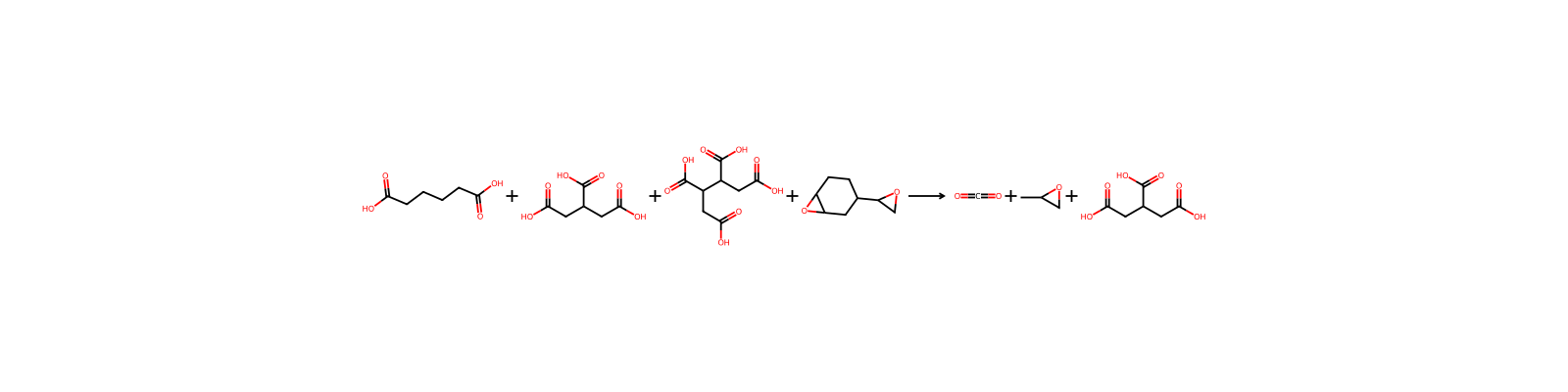
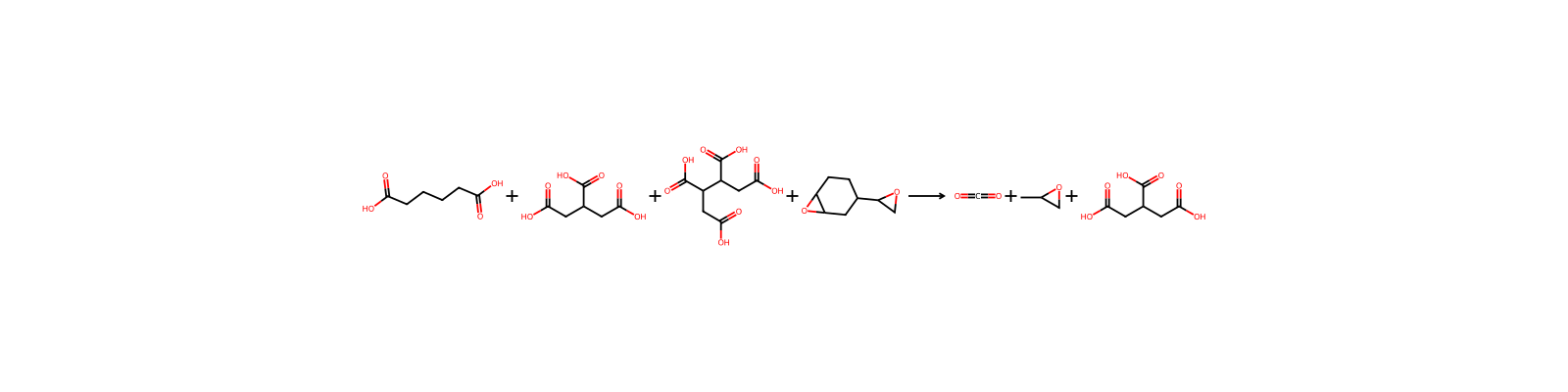
5 records


Compound notes
Loading…