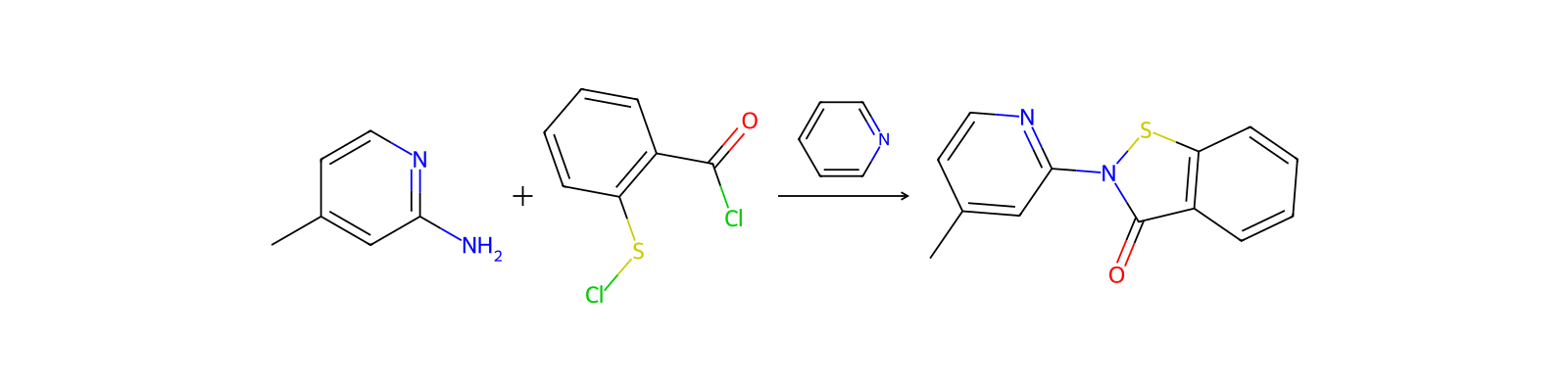
2-Amino-4-methylpyridine
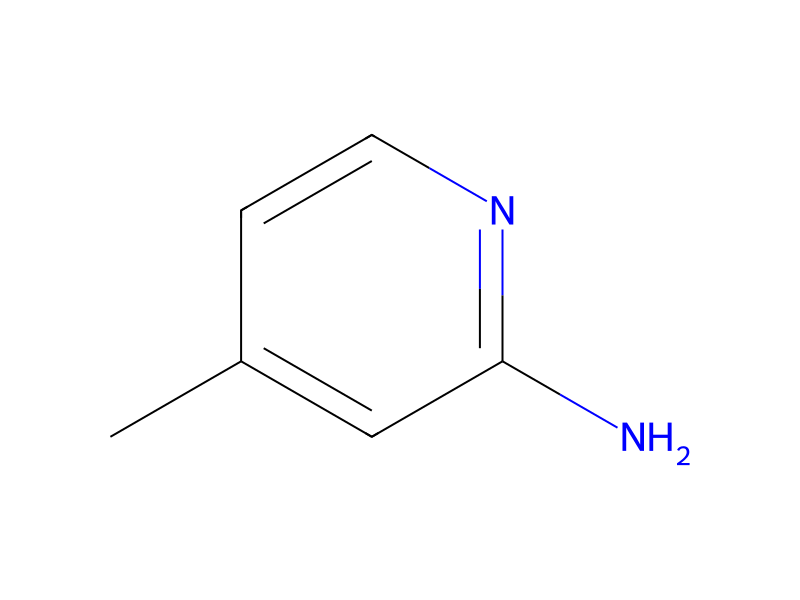
Basic information
- CAS
695-34-1- Standard SMILES
Cc1ccnc(N)c1- InChIKey
ORLGLBZRQYOWNA-UHFFFAOYSA-N- Molecular formula
- C6H8N2
- Average molar mass
- 108.14 g/mol
- Monoisotopic mass
- 108.06874826
Overview
2-amino-4-methylpyridine has been reported in Vachellia rigidula with data available.
Names & identifiers
- Preferred name
- 2-Amino-4-methylpyridine
- IUPAC
- 4-methylpyridin-2-amine
- English name
- 4-Methylpyridin-2-amine
- Molecular formula
- C6H8N2
- Molecular weight
- 108.14
Names & synonyms
2-amino-4-methylpyridine4-METHYLPYRIDIN-2-AMINE695-34-12-Amino-4-picolineAminopicolineAscensil2-Pyridinamine, 4-methyl-4-Methyl-2-pyridinamine4-Methyl-2-aminopyridine4-Methyl-2-pyridylamine4-PICOLINE, 2-AMINO-RA 1226
Show more names
Rifaximin EP Impurity Aw45W 454M2APra1226NSC 1490
VMI 20-4DTXSID1044720NSC-1490NSC-6972394N1Z644HRA-1226DTXCID9024720NSC-176165
Database identifiers
- CAS
695-34-1- PubChem CID
- 1533
- DTXSID
DTXSID1044720- ChEMBL
CHEMBL40833- UNII
- 394N1Z644H
- EC Number
- 211-780-9
- Nikkaji
- J31.382C
Properties
Computed structural properties
- XLogP
- 0.6
- Topological polar surface area
- 38.9 Ų
- Hydrogen bond donors
- 1
- Hydrogen bond acceptors
- 2
- Rotatable bonds
- 0
- Heavy atoms
- 8
- Formal charge
- 0
- Complexity
- 72.9
Experimental & physicochemical properties
SpringerMaterials PropertiesNuclear quadrupole resonance spectroscopy
LogP1.21
Collision Cross Section118.1 Ų [M+H]+ [CCS Type: DT; Buffer gas: N2; Ionization: APCI+; Dataset: TOXCAST; Source Identifier: DTXSID1044720]
Physicochemical properties
- Melting point
- 96 · 96-99 °C (lit.)
- Boiling point
- 230 °C · 230 °C (lit.)
- Density
- 1.0275 · 1.0275 (estimate)
- vapor pressure
- 3.71 Pa · 3.71Pa at 25℃
- refractive index
- 1.556 · 1.5560 (estimate)
- Flash point
- 118 °C · 118 °C
- storage temp.
- Keep in dark place,Inert atmosphere,Room temperature
- solubility
- DMF: freely soluble
- form
- Flakes
Safety & regulation
Safety information is for reference only and does not replace the supplier’s Safety Data Sheet (SDS), applicable regulations, or professional assessment.
GHS classification
GHS Classification
This chemical does not meet GHS hazard criteria for 0.8% (1 of 122) of reports.
Danger
H301 (99.2%): Toxic if swallowed [Danger Acute toxicity, oral]
P260, P261, P262, P264, P264+P265, P270, P271, P280, P301+P316, P302+P352, P304+P340, P305+P351+P338, P316, P319, P321, P330, P332+P317, P337+P317, P361+P364, P362+P364, P403+P233, P405, and P501 (click each P-code to see the statement)
Aggregated GHS information provided per 122 reports by companies from 15 notifications to the ECHA C&L Inventory. Each notification may be associated with multiple companies.
Hazard information
Regulatory Information
REACH registered substance: 4-methyl-2-pyridylamine (EC: 211-780-9)
2-Amino-4-methylpyridine: Does not have an individual approval but may be used under an appropriate group standard
Hazard Classes and CategoriesAcute Tox. 3 (99.2%)
Safety data
- PPE
- Eyeshields, Faceshields, Gloves, type P2 (EN 143) respirator cartridges
- wgk
- 3
- tsca
- TSCA listed
- rtecs
- TJ5150000
- ridadr
- UN 3086 6.1/PG 1
- hs_code
- 29333999
- Toxicity
- LD50 oral in rat: 200mg/kg
- risk_code
- 45-46-60-61-8-21-25-26-34-42/43-48/23-50/53-36/37/38-33-23/24/25
- Signal word
- Danger
- Symbol(GHS)
Chemistry & industry
Uses & manufacturing
General Manufacturing Information2-Pyridinamine, 4-methyl-: ACTIVE
Applications
UsesIntermediate, medicine.
Uses4-Methylpyridin-2-amine has been used in the synthesis of 2-amino-4-methyl-pyridinium 2-hy-droxy-benzoate. It is potent inhibitor of NOS2 (iNOS) in vitro. It is used as pharmaceutical intermediate.
General Description4-Methylpyridin-2-amine acts as ligand and forms methoxo-bridged copper(II) complexes.
Upstream & downstream products
Upstream raw materials
Downstream products
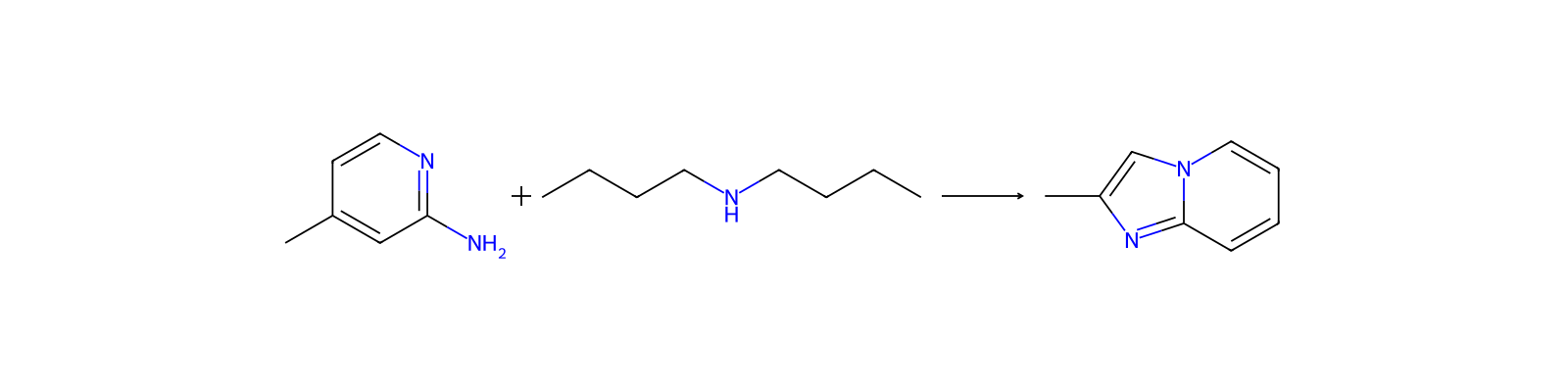
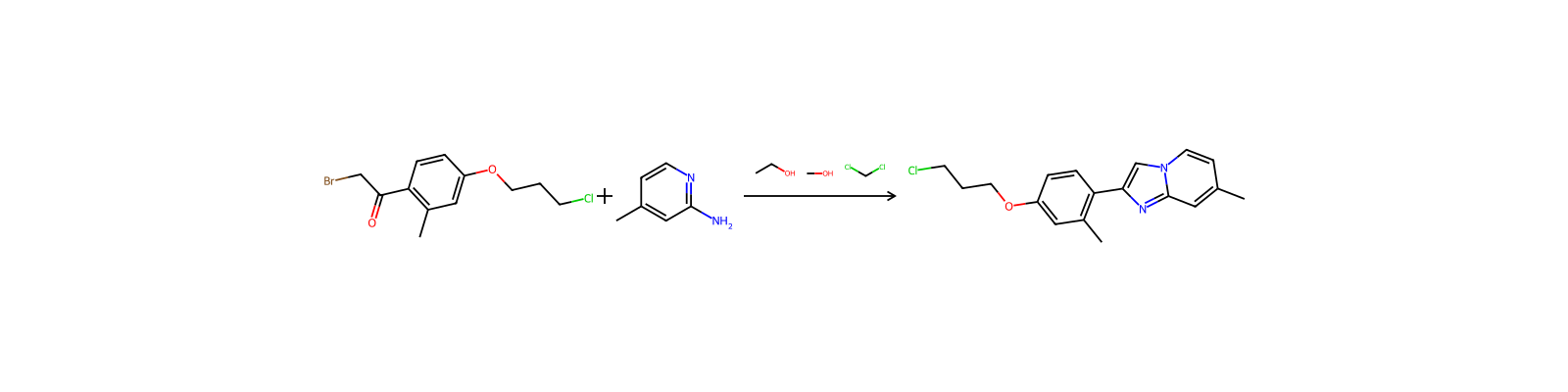
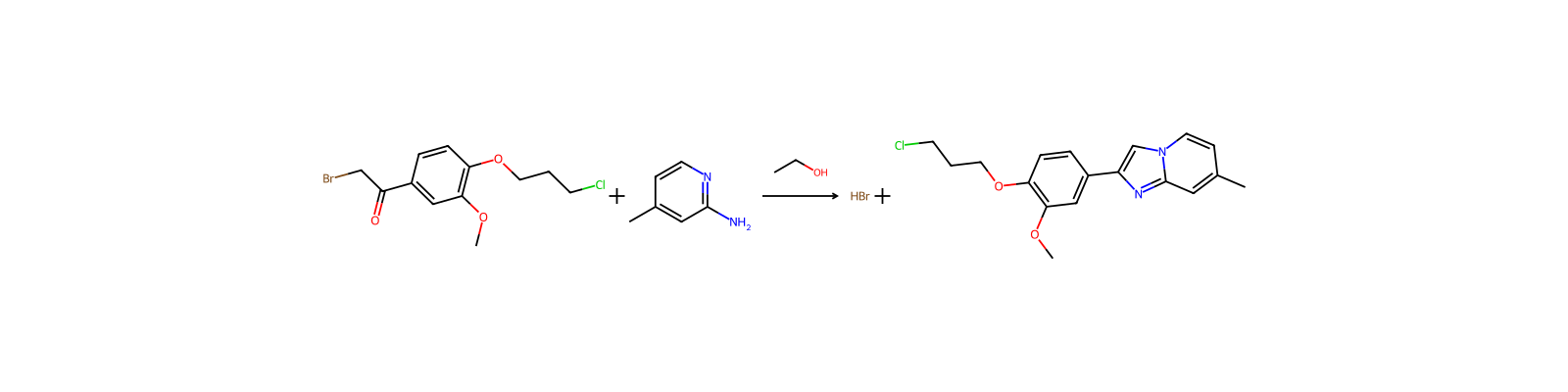
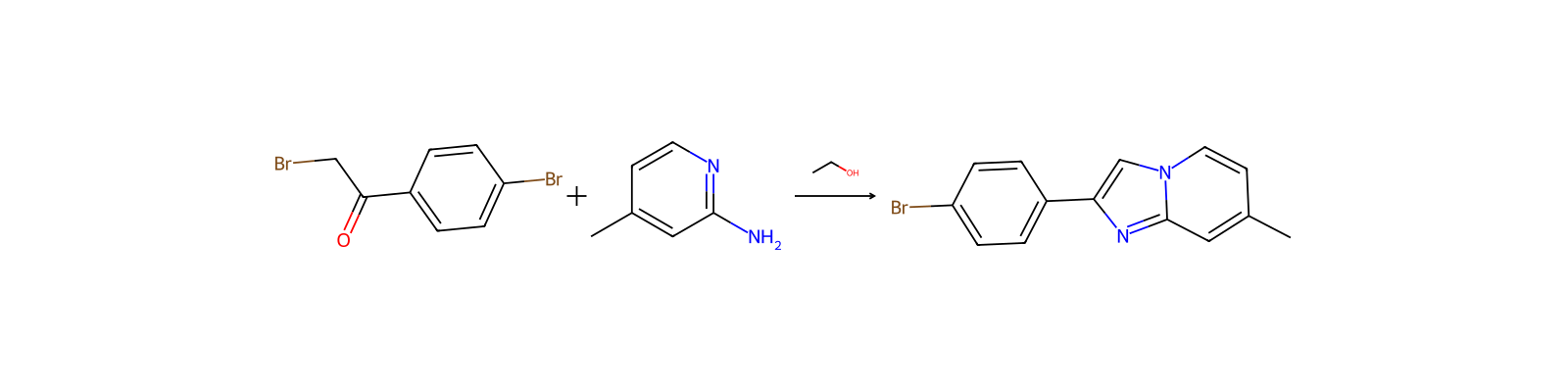
Related reactions
168 records


Compound notes
Loading…