

Basic information
- Standard SMILES
COC(C)(C)C- InChIKey
BZLVMXJERCGZMT-UHFFFAOYSA-N- Molecular formula
- C5H12O
- Average molar mass
- 88.15 g/mol
- Monoisotopic mass
- 88.088815
Overview
Methyl tert-butyl ether (MTBE) is a flammable liquid with a distinctive, disagreeable odor. It is made from blending chemicals such as isobutylene and methanol, and has been used since the 1980s as an additive for unleaded gasolines to achieve more efficient burning.MTBE is also used to dissolve gallstones. Patients treated in this way have MTBE delivered directly to their gall bladders through special tubes that are surgically inserted.
Names & identifiers
- Preferred name
- tert-Butyl methyl ether
- IUPAC
- 2-methoxy-2-methylpropane
- English name
- tert-Butyl methyl ether
- Molecular formula
- C5H12O
- Molecular weight
- 88.15
Names & synonyms
tert-Butyl methyl etherMethyl tert-butyl ether1634-04-42-Methoxy-2-methylpropaneMTBEMethyl t-butyl etherPropane, 2-methoxy-2-methyl-T-BUTYL METHYL ETHER2-Methyl-2-methoxypropaneMethyl tertiary-butyl etherEther, tert-butyl methylMethyl 1,1-dimethylethyl ether
Show more names
TBMEMTBBOC-ARG(MTR)-OHMethyl tert-butyl ether, for residue analysis2-methoxy-2-methyl-PropaneMETHYL-T-BUTYL ETHER
1,1-dimethylethyl methyl etherDTXSID3020833CHEBI:2764229I4YB3S89TERT-BUTOXYMETHANEDTXCID30833methyl tert-butyl ether (mtbe)RefChem:818082
Database identifiers
- CAS
1634-04-4- PubChem CID
- 15413
- DTXSID
DTXSID3020833- ChEMBL
CHEMBL1452799- ChEBI
CHEBI:27642- UNII
- 29I4YB3S89
- EC Number
- 216-653-1
- Nikkaji
- J27.142J
Properties
Computed structural properties
- XLogP
- 0.9
- Topological polar surface area
- 9.2 Ų
- Hydrogen bond donors
- 0
- Hydrogen bond acceptors
- 1
- Rotatable bonds
- 1
- Heavy atoms
- 6
- Formal charge
- 0
- Complexity
- 33.7
Experimental & physicochemical properties
Chemical Classes
Hazardous Air Pollutants (HAPs)
Flammable agents - 3rd degree
Volatile Organic Compound (VOC)
SolventsSolvents -> Ethers (<C12)
SpringerMaterials PropertiesSchoenflies notation
PesticidesPesticide -> EPA IRIS
LogP
log Kow = 0.94
1.06
OdorTerpene-like odor
Density
0.7405 at 68 °F (USCG, 1999) - Less dense than water; will float
0.7353 g/cu cm at 25 °C
Bulk density: 6.18 lb/gal
Relative density (water = 1): 0.7
0.7405
0.7353 @25 °C
Color/Form
Liquid
Colorless liquid
Solubility
Solubility of water in methyl t-butyl ether: 1.5 g/100 g; unstable in acid solution
In water, 51,000 mg/L at 25 °C
4.8 g/100 g in water
Soluble in water
Solubility in water 4wt%; solution of water in 1.3 wt%
Very soluble in ethanol, ethyl ether
Flash Point
-14 °F (USCG, 1999)
-14 °F
-80 °C
-28 °C c.c.
-14 °F
Endocrine DisruptorsPotential endocrine disrupting compound
Boiling Point
131.4 °F at 760 mmHg (USCG, 1999)
55.1 °C
55 °C
131.4 °F
55 °C @760 [mm Hg]
Physicochemical properties
- Melting point
- -110 °C · -110 °C
- Boiling point
- 55 · 55-56 °C(lit.)
- Density
- 0.7404 · 0.7404
- vapor density
- 3.1 · 3.1 (vs air)
- vapor pressure
- 4.05 psi · 4.05 psi ( 20 °C)
- refractive index
- 20 · n20/D 1.369(lit.)
- Flash point
- -27 °F · -27 °F
- storage temp.
- 2 °C · Store at +2°C to +25°C.
- solubility
- 42 g/l · 42g/l
- form
- Powder or Needles
- Specific Gravity
- 0.74 · 0.740
- color
- 10 · APHA: ≤10
- Relative polarity
- 0.124 · 0.124
- Odor
- Characteristic ethereal odor
- explosive limit
- 1.5 · 1.5-8.5%(V)
- Relative density, gas (air=1)
- 0.74 g/cm3 · 0.74 g/cm3 at 25 °C
- Viscosity
- 0.464 mm2/s · 0.464mm2/s
- Water Solubility
- 51 g/L · 51 g/L (20 ºC)
- FreezingPoint
- -108.6 ℃ · -108.6℃
- Thermal Conductivity
- 0.12 W/ · 0.12 W/(m·K)
- Specific Heat Capacity
- 2.13 J/ · Cp(liquid): 2.13 J/(g·K), at 25℃
- λmax
- 210 nm · λ: 210 nm Amax: 1.0λ: 225 nm Amax: 0.50λ: 250 nm Amax: 0.10λ: 300-400 nm Amax: 0.005
- Merck
- 14 · 14,6032
- BRN
- 1730942 · 1730942
- Henry's Law Constant
- 1.2 · 1.2×10-2 mol/(m3Pa) at 25℃, Schwardt et al. (2021)
- Exposure limits
- 50 ppm · EU LTEL:50 ppm(183.5 mg/m3); EU STEL:100 ppm(367 mg/m3)
- Dielectric constant
- 4.5 · 4.5
- Stability
- Stable, but may form explosive peroxides in contact with air. Extremely flammable - note low flash point. Incompatible with strong oxidizing agents.
- Cosmetics Ingredients Functions
- SOLVENT
- InChI
- 1S/C5H12O/c1-5(2,3)6-4/h1-4H3
- InChIKey
- BZLVMXJERCGZMT-UHFFFAOYSA-N
- SMILES
- COC(C)(C)C
- LogP
- 1.06 at · 1.06 at 20℃
- Surface tension
- 18.7 mN/m · 18.7mN/m at 293.15K
- CAS DataBase Reference
- 1634 · 1634-04-4(CAS DataBase Reference)
- EWG's Food Scores
- 5 · 5
- FDA UNII
- 29 I4YB3S89 · 29I4YB3S89
- IARC
- 3 · 3 (Vol. 73) 1999
- NIST Chemistry Reference
- 2 · Propane, 2-methoxy-2-methyl-(1634-04-4)
- EPA Substance Registry System
- Methyl tert-butyl ether (1634-04-4)
- Toxicological Profile|ATSDR
- tert-Butyl methyl ether|Toxicological Profile|ATSDR
- UNSPSC Code
- 41116107 · 41116107
- NACRES
- 24 · NA.24
- Symbol(GHS)
- 2 · GHS02,GHS07
- Signal word
- Danger
- Hazard statements
- 303 · H303-H315+H320-H335-H336-H225
- Precautionary statements
- 501 · P501-P240-P261-P210-P233-P243-P241-P242-P271-P264-P280-P370+P378-P312-P337+P313-P305+P351+P338-P362+P364-P303+P361+P353-P332+P313-P304+P340+P312-P403+P233-P403+P235-P405
- PPE
- Eyeshields, Faceshields, Gloves
- Hazard Codes
- Xn,F,Xi,T
- Risk Statements
- 36 · 36/37/38-40-38-11-39/23/24/25-23/24/25
- Safety Statements
- 9 · 9-16-24-45-36/37-7
- RIDADR
- 2398 · UN 2398
- WGK Germany
- 3 · 3
- RTECS
- 5250000 · KN5250000
- F
- 3 · 3-10
- Autoignition Temperature
- 705 °F · 705 °F
- TSCA
- TSCA listed
- HS Code
- 2909 · 2909 19 90
- HazardClass
- 3 · 3
- PackingGroup
- II
- Storage Class
- 3 · 3 - Flammable liquids
- Hazard Classifications
- 2 Skin · Flam. Liq. 2Skin Irrit. 2
- Hazardous Substances Data
- 1634 · 1634-04-4(Hazardous Substances Data)
- Toxicity
- 50 in · . LC50 in mice (15 min): 1.6 mmol/liter of atmosphere (Marsh)
- REACH Registrations
- Active
- Limited Quantities
- 1 L · 1.0 L (0.3 gallon) (liquid)
- Excepted Quantities
- Max Inner Pack (30g or 30ml) and Max Outer Pack (500g or 500ml)
Safety & regulation
GHS classification
GHS Classification
Danger
H225: Highly Flammable liquid and vapor [Danger Flammable liquids]
P210, P233, P240, P241, P242, P243, P264, P280, P302+P352, P303+P361+P353, P321, P332+P317, P362+P364, P370+P378, P403+P235, and P501 (click each P-code to see the statement)
Danger
H225 (100%): Highly Flammable liquid and vapor [Danger Flammable liquids]
P210, P233, P240, P241, P242, P243, P264, P280, P302+P352, P303+P361+P353, P321, P332+P317, P362+P364, P370+P378, P403+P235, and P501 (click each P-code to see the statement)
Hazard information
Regulatory Information
Chemical: Propane, 2-methoxy-2-methyl-
Hazard Traits - Carcinogenicity; Dermatotoxicity; Hepatotoxicity and Digestive System Toxicity; Nephrotoxicity and Other Toxicity to the Urinary System; Neurotoxicity; Ocular Toxicity
Regulation (EC) No 178/2002 (amended)
Propane, 2-methoxy-2-methyl- is listed on the EPA's Chemical Data Reporting (CDR) system. Manufacturers and importers of Propane, 2-methoxy-2-methyl- are required to report information about their production and use of this chemical to the EPA under the Toxic Substances Control Act (TSCA). (40 eCFR Part 711)
Status: Active Update: 18-04-2023 https://echa.europa.eu/registration-dossier/-/registered-dossier/15543
Methyl t-butyl ether: Does not have an individual approval but may be used under an appropriate group standard
Other Safety InformationIMAP assessments - Propane, 2-methoxy-2-methyl-: Human health tier II assessment
DOT LabelFlammable Liquid
Fire Hazards
Special Hazards of Combustion Products: May contain irritating and toxic gases.
· HIGHLY FLAMMABLE: Will be easily ignited by heat, sparks or flames.
Highly flammable. Vapour/air mixtures are explosive.
Fire PotentialFlammable when exposed to heat or flame.
Health Hazards
INHALATION: May cause dizziness or suffocation. Contact may irritate or burn eyes or skin. May be harmful if swallowed. (USCG, 1999)
· Inhalation or contact with material may irritate or burn skin and eyes.
Hazards Summary
Methyl tert-butyl ether (MTBE) is a flammable liquid with a distinctive, disagreeable odor. It is made from blending chemicals such as isobutylene and methanol, and has been used since the 1980s as an additive for unleaded gasolines to achieve more efficient burning.MTBE is also used to dissolve gallstones. Patients treated in this way have MTBE delivered directly to their gall bladders through special tubes that are surgically inserted.
Methyl tert-butyl ether is used as a gasoline additive. Exposure may occur by breathing air contaminated with auto exhaust or gasoline fumes while refueling autos. Respiratory irritation, dizziness, and disorientation have been reported by some motorists and occupationally exposed workers. Acute (short- term) exposure of humans to methyl tert-butyl ether also has occurred during its use as a medical treatment to dissolve cholesterol gallstones. Chronic (long-term) inhalation exposure to methyl tert-butyl ether has resulted in central nervous system (CNS) effects, respiratory irritation, liver and kidney effects, and decreased body weight gain in animals. Developmental effects have been reported in rats and mice exposed via inhalation. EPA has not classified methyltert-butyl ether with respect to potential carcinogenicity.
Occupational exposure levels to MBTE for Peak (30 min.) and TWA (time weighted average) were measured: Transporting Peak = 11 ppm; TWA = 0.24 ppm; Blending Peak = 4.7 ppm; TWA = 0.77 ppm; Service station attendants Peak = 3.3 ppm; TWA = 0.33 ppm; [HSDB] Central nervous system depression and eye irritation have been observed as effects in controlled animal studies. [Sullivan, p. 837] MTBE is in the list of Some volatile substances which may be abused by inhalation published on the web site of the U.N. International Drug Control Programme, indicating its potential to cause narcosis in workers. [Reference #1] Effects on the liver in high-dose animal experiments; [HSDB] Causes renal damage in rats exposed to high concentrations; [ACGIH] A skin and eye irritant; Inhalation of high concentrations can cause CNS depression; [ICSC] Methyl tert-butyl ether did not induce developmental toxicity in rats or rabbits exposed via inhalation to concentrations that affected maternal food consumption. In one study in mice, increased incidences of postimplantation loss and cleft palate were seen at doses that also induced hypoactivity, ataxia and reduced food consumption in the dams. Another study in mice, conducted at lower doses that were less toxic to dams, did not provide evidence of developmental toxicity. [IARC]
DOT ID and Guide2398 127
Reactive GroupEthers
EC ClassificationSymbol: F, Xi; R: 11-38; S: (2)-9-16-24
UN ClassificationUN Hazard Class: 3; UN Pack Group: II
Special Reports
NTP: Scientific Review of Methyl-t-Butyl Ether (MtBE) (Updated July, 2015); At a meeting of the National Toxicology Program's Board of Scientific Counselors (December 1998), data were presented showing that inhalation exposure to MTBE produced increased incidences of kidney and testicular tumors in male rats and liver tumors in mice and oral administration of MTBE produced increased incidences of leukemias and lymphomas (combined) in female rats and testicular tumors in male rats. The NTP Board defeated a motion to list MTBE as "Reasonably anticipated to be a human carcinogen" by a narrow vote. CASRN 1634-04-4 Status: Reviewed but not listed in the Report on Carcinogens (RoC)[Available from, as of July 27, 2017: https://ntp.niehs.nih.gov/pubhealth/roc/listings/m/mtbe/summary/index.html]
Bruckner JV et al; p.1031-1112 in Casarett and Doull's Toxicology; Klaassen CD, ed (2013)
ATSDR; Toxicological Profile for Methyl tert-Butyl Ether (August, 1996)[Available from, as of June 29, 2017: https://www.atsdr.cdc.gov/toxprofiles/tp91.pdf]
WHO; Environ Health Criteria 206: Methyl tertiary-Butyl Ether p.137 (1998). EHC are designed for scientists and administrators responsible for the establishment of safety standards and regulations and provide basic scientific risk evaluations of a wide range of chemicals and groups of chemicals.[Available from, as of September 27, 2010: http://www.inchem.org/pages/ehc.html]
Safety & protection
Fire Fighting
Excerpt from ERG Guide 127 [Flammable Liquids (Water-Miscible)]:
Use powder, AFFF, foam, carbon dioxide. In case of fire: keep drums, etc., cool by spraying with water.
First Aid Measures
Fresh air, rest. Artificial respiration may be needed. Refer for medical attention.
Remove contaminated clothes. Rinse and then wash skin with water and soap.
First rinse with plenty of water for several minutes (remove contact lenses if easily possible), then refer for medical attention.
Rinse mouth. Give a slurry of activated charcoal in water to drink. Do NOT induce vomiting. Refer for medical attention .
Accidental Release Measures
· CALL 911. Then call emergency response telephone number on shipping paper. If shipping paper not available or no answer, refer to appropriate telephone number listed on the inside back cover.
· ELIMINATE all ignition sources (no smoking, flares, sparks or flames) from immediate area.
First Aid
INHALATION: Move victim to fresh air; call emergency medical care. If not breathing, give artificial respiration. If breathing is difficult, give oxygen.
General First Aid:
Safe StorageFireproof. Separated from strong oxidants and strong acids.
Firefighting HazardsHazardous decomposition products formed under fire conditions - Carbon oxides
Exposure Control and Personal Protection
· Wear positive pressure self-contained breathing apparatus (SCBA).
50.0 [ppm]
Fire Fighting ProceduresUse water spray, alcohol-resistant foam, dry chemical or carbon dioxide. Wear self-contained breathing apparatus for firefighting if necessary. Use water spray to cool unopened containers.
Storage Conditions
Keep container tightly closed in a dry and well-ventilated place. Containers which are opened must be carefully resealed and kept upright to prevent leakage. Storage class (TRGS 510): Flammable liquids
/Methyl tert-butyl ether/ can be stored in nonpressurized containers. Carbon steel can be used as container material, as well as aluminum, brass, copper, polyethylene, or polypropylene. Teflon, Buna-N, and other fuel-resistant plastics and rubbers can be used for seals; the use of vinylidene fluoride-hexafluoropropene copolymer (Viton) is not recommended.
Cleanup Methods
ACCIDENTAL RELEASE MEASURES: Personal precautions, protective equipment and emergency procedures: Use personal protective equipment. Avoid breathing vapors, mist or gas. Ensure adequate ventilation. Remove all sources of ignition. Evacuate personnel to safe areas. Beware of vapors accumulating to form explosive concentrations. Vapors can accumulate in low areas. Environmental precautions: Prevent further leakage or spillage if safe to do so. Do not let product enter drains. Methods and materials for containment and cleaning up: Contain spillage, and then collect with an electrically protected vacuum cleaner or by wet-brushing and place in container for disposal according to local regulations.
Nonfire Spill ResponseExcerpt from ERG Guide 127 [Flammable Liquids (Water-Miscible)]:
Disposal Methods
SRP: Recycle any unused portion of the material for its approved use or return it to the manufacturer or supplier. Ultimate disposal of the chemical must consider: the material's impact on air quality; potential migration in air, soil or water; effects on animal, aquatic and plant life; and conformance with environmental and public health regulations. If it is possible or reasonable use an alternative chemical product with less inherent propensity for occupational harm/injury/toxicity or environmental contamination.
Product: Burn in a chemical incinerator equipped with an afterburner and scrubber but exert extra care in igniting as this material is highly flammable. Offer surplus and non-recyclable solutions to a licensed disposal company. Contact a licensed professional waste disposal service to dispose of this material. Contaminated packaging: Dispose of as unused product.
Toxicology
Toxicological InformationCDC-ATSDR Toxicological Profile
Body Burden
In Stamford, CT in 1993, venous blood samples were collected from 14 commuters and from 30 other persons who worked in the vicinity of traffic or automobiles(1). The highest levels of methyl t-butyl ether were measured among gasoline service station attendants, range 7.6 to 28.9 ug/L, median 15 ug/L; blood levels of methyl t-butyl ether among persons who worked in car repair shops ranged from 0.17 to 36.7 ug/L, median 1.73 ug/L(1). Concentrations of methyl t-butyl ether in the blood of commuters were generally the lowest, range <0.05 to 2.60 ug/L, median 0.11 ug/L(1). Blood levels of methyl t-butyl ether correlated strongly with personal-breathing-zone samples(1). In Fairbanks, AK, during an oxygenated fuel program in Dec 1992, 18 workers exposed to motor vehicle exhaust or gasoline fumes had a median post-shift methyl t-butyl ether blood concentration of 1.8 ug/L, range 0.2 to 37.0 ug/L; in Feb 1993 after the oxygenated fuel program had been suspended, the median post-shift methyl t-butyl ether blood concentration in 28 workers exposed to motor vehicle exhaust or gasoline fumes was 0.24 ug/L, range 0.05 to 1.44 ug/L(2). Alveolar breath samples contained methyl t-butyl ether at concentrations ranging from 7.76 to 9.58 ug/cu m(3).
On average, levels of methyl t-butyl ether in urine samples from Finnish gasoline road-tanker drivers after a work shift and 16 hours later were reported to be 113 and 18 nmol/L, respectively(1). Breathing zone concentrations among Finnish gasoline lorry drivers were reported at a geometric mean of 4.3 (October 1994) and 6.4 mg/cu m (August 1995). Concentrations in blood were 143 and 213 nmol/L, for October and August, respectively; levels in urine ranged from <5 to 401 nmol/L and 30 to 253 nmol/L 3 and 23 hours post exposure in October, respectively; 17 to 488 nmol/L and <5 to 562 nmol/L 3 and 23 hours post exposure in August, respectively(2). According to the 1999-2000 US National Health and Nutrition Examination Survey (NHANES) methyl t-butyl ether was detected in 26.3% of 354 personal air samples and in 98.6% of 276 blood samples from 851 persons aged 20-59 years(3).
Target Organs
Gastrointestinal (Stomach and Intestines, part of the digestive system), Hepatic (Liver), Neurological (Nervous System), Renal (Urinary System or Kidneys), Respiratory (From the Nose to the Lungs)
Hepatic
Ecotoxicity Values
LC50; Species: Nitocra spinipes (Harpacticoid copepod); Conditions: saltwater, static, salinity 7 ppt; Concentration: >1000000 ug/L for 96 hr /formulation/
LC50; Species: Alburnus alburnus (Bleak); Conditions: saltwater, static, salinity 7 ppt; Concentration: >1000000 ug/L for 96 hr /formulation/
Environmental Fate
TERRESTRIAL FATE: Based on a classification scheme(1), a Koc range of 11-12(2,3) indicates that methyl t-butyl ether is expected to have very high mobility in soil(SRC). Volatilization of methyl t-butyl ether from moist soil is expected to be an important fate process(SRC) given a Henry's Law constant of 5.87X10⁻⁴ atm-cu m/mole(4). Methyl t-butyl ether is expected to volatilize from dry soil surfaces(SRC) based upon a vapor pressure of 250 mm Hg at 25 °C(5). Utilizing the Japanese MITI test, 0% of the Theoretical BOD was reached in 4 weeks(6) indicating that biodegradation is not an important environmental fate process in soil(SRC). No degradation of methyl t-butyl ether occurred after 40 days using a top soil and activated sludge inoculum(7).
AQUATIC FATE: Based on a classification scheme(1), a Koc range of 11-12(2,3) indicates that methyl t-butyl ether is not expected to adsorb to suspended solids and sediment(SRC). Volatilization from water surfaces is expected(4) based upon a Henry's Law constant of 5.87X10⁻⁴ atm-cu m/mole(5). Using this Henry's Law constant and an estimation method(4), volatilization half-lives for a model river and model lake are 4 hours and 4 days, respectively(SRC). According to a classification scheme(6), a BCF of 1.5(7) suggests the potential for bioconcentration in aquatic organisms is low(SRC). Methyl t-butyl ether persists in groundwater under both aerobic and anaerobic conditions because it resists physical, chemical, and microbial degradation(8). Utilizing the Japanese MITI test, 0% of the Theoretical BOD was reached in 4 weeks(9) indicating that biodegradation is not an important environmental fate process in water(SRC). No degradation of methyl t-butyl ether occurred after 60 days using an inoculum of sandy aquifer material(10).
ATMOSPHERIC FATE: According to a model of gas/particle partitioning of semivolatile organic compounds in the atmosphere(1), methyl t-butyl ether, which has a vapor pressure of 250 mm Hg at 25 °C(2), is expected to exist solely as a vapor in the ambient atmosphere. Vapor-phase methyl t-butyl ether is degraded in the atmosphere by reaction with photochemically-produced hydroxyl radicals(SRC); the half-life for this reaction in air is estimated to be 7 days(SRC), calculated from its rate constant of 2.94X10⁻¹² cu cm/molecule-sec at 25 °C(3). Aliphatic ethers, such as methyl t-butyl ether, do not absorb light at wavelengths >290 nm(4), and, therefore, methyl t-butyl ether is not expected to be susceptible to direct photolysis by sunlight(SRC).
Adverse EffectsNeurotoxin - Acute solvent syndrome
Exposure RoutesThe substance can be absorbed into the body by inhalation and by ingestion.
Milk Concentrations
ENVIRONMENTAL: Methyl t-butyl ether was detected at average concentrations of 0.01 (max 0.03), 0.01 (max 0.02), and 0.01 (max 0.03) ng/L (detection limit = 0.01 ng/L) in whole milk, 2% milk, and 1% milk, respectively, following analysis of 35 cow milk samples from Los Vegas, NV, surveyed from January 2002 through February 2002; samples represent eight processing plants from Arizona, California, Nevada, and Utah. The average ratio of presence in milk to reported concentration in air was determined to be 0.06(1). A median concentration of 0.09 ng/mL was reported in samples collected May to July 2005 from three residents within nonsmoking household in inner-city Baltimore, MD(2).
Toxicity Summary
IDENTIFICATION AND USE: Methyl tertiary-Butyl Ether (MTBE) is a colorless liquid. It is used as octane booster for unleaded gasoline (up to 7% by volume). HUMAN STUDIES: Humans exposed to motor fuel containing MTBE have experienced increase frequency of respiratory, allergic, and neurologic reactions. Symptoms in humans also include headaches; nausea; vomiting; burning sensation in the nose, mouth, or throat; cough; dizziness; nosebleeds; eye irritation; spaciness and disorientation; breathing problems; fatigue; inability to concentrate; shortness of breath; anxiety; depression; stomach cramps; poor memory; insomnia; and loss of appetite. Aspiration into the lungs may result in chemical pneumonitis. MTBE induced DNA double-strand breaks at 200 uM in human lymphocytes. ANIMAL STUDIES: In studies on animals, MTBE is moderately acutely toxic and induces mild skin and eye irritation but not sensitization. Repeated exposure in rodents affects primarily the kidney and the liver. Exposure to MTBE results in reversible central nervous system (CNS) effects including sedation, hypoactivity, ataxia and anesthesia at higher concentrations and biphasic effects on motor activity at lower concentrations. Inhalation exposure to MTBE produced increased incidences of kidney and testicular tumors in male rats and liver tumors in mice. Oral administration of MTBE produced increased incidences of leukemias and lymphomas (combined) in female rats and testicular tumors in male rats (see the table). MTBE has not induced adverse reproductive or developmental effects in rodents at concentrations less than those that were toxic to the parent. In zebrafish embryos MTBE disrupted angiogenesis. MTBE was not genotoxic in Salmonella assay and the mouse bone marrow micronucleus test. However, statistically significant increases in sister chromatid exchange were observed in female rats given MTBE. ECOTOXICITY STUDIES: Chronic exposure over three weeks to effective MTBE concentrations as low as 0.11 mg/L induced a significant increase in the vitellogenin concentration of male zebrafish (Danio rerio). In African catfish Clarias gariepinus developmental exposure to MTBE resulted in deformed eyes, mouthparts, and spinal cord and in increased larval mortality. MTBE is toxic to various aquatic organisms at concentrations of 57 to 1000 mg/L (invertebrates), and 388-2600 mg/L (vertebrates). MTBE was toxic to earthworm species. Lettuce was most sensitive to MTBE, followed (in order of decreasing sensitivity) by wild oats, wheat, and sweet corn.
Methyl tert-butyl ether (MTBE) is a high-octane fuel component that helps gasoline burn cleaner and reduces automobile emissions. In 1999, the International Agency for Research on Cancer (IARC) categorized MTBE as "not classifiable" regarding human carcinogenicity, and additional studies since 1999 have substantially added to the evidence base to examine the carcinogenic potential of MTBE in humans. The authors of this publication conducted a systematic literature search and review to identify mechanistic data, as well as studies investigating cancer in MTBE-exposed humans and experimental animals. They noted that evidence extracted from the literature demonstrates that the mechanism of male rat renal tumors does not operate in humans and stated that MTBE is unlikely to be a carcinogenic hazard to humans.
Average Daily Intake
AIR INTAKE: Arithmetic mean occupational doses via air were in the range of 0.1 to 1.0 mg/kg-day, while doses from residential exposures, commuting, and refueling were in the range of 0.0004 to 0.006 mg/kg-day(1). WATER INTAKE: The estimated arithmetic mean dose for the population exposed via water was 1.4X10⁻³ mg/kg-day(1).
Ecotoxicity Excerpts
/AQUATIC SPECIES/ ... Chronic exposure over three weeks to effective methyl tert-butyl ether (MTBE) concentrations as low as 0.11 mg/L induced a significant increase in the vitellogenin concentration of male /zebrafish (Danio rerio)/. The impact of a chronic, eight-week exposure at effective concentrations ranging from 0.44 to 220 mg/L had no significant effect on fecundity, fertilization, or hatch rate but highly significant impacts on sperm motility. Spermatozoa of all MTBE-exposure groups showed a significantly lower straight-line velocity and lower average path velocity compared to those of the nonexposed group. ...
/AQUATIC SPECIES/ ... The effects of methyl tert-butyl ether (MTBE) (up to 100 mg/L) and its primary metabolite tert-butyl alcohol (TBA) (up to 1,400 mg/L) on the hatch rate and larval development of the African catfish Clarias gariepinus /were studied/. Exposure to higher MTBE concentrations resulted in deformed eyes, mouthparts, and spinal cord and in increased larval mortality. Methyl tert-butyl ether exposure had no significant impact on egg viability, whereas TBA induced a decline of hatch rate. The MTBE can be regarded as a pollutant with toxicological effects on catfish larvae at concentrations above 50 mg/L. ...
/AQUATIC SPECIES/ The toxicity of methyl tert-butyl ether (MTBE) to Chlorella ellipsoidea and Aphanizomenon flos-aquae was tested and assessed for a 15-d incubation with concentrations of MTBE from high (2.00 x 10+4 mg/L) to low (2 mg/L). Toxicity was low when the concentration of MTBE was in the range 1.00 x 10+4 - 2.00 x 10+4 mg/L (the greatest inhibition of growth-rate was 70%-71%, occurred during the day 1-5). Low concentrations (2-500 mg/L) stimulated algal growth up to the greatest effect of 85%-200% when the concentration of MTBE was 50-100 mg/L during day 3-5. The toxicity of MTBE (72-120 hr EC50) was 6.65 x 10+3 - 9.58 x 10+3 mg/L for C. ellipsoidea and that is 1.14 x 10+4 - 2.00 x 10+4 mg/L for A. floc-aquae ...
/AQUATIC SPECIES/ ... Industry and the United States Environmental Protection Agency (USEPA) began to collaborate in 1997 to develop aquatic toxicity databases sufficient to derive ambient water quality criteria for methyl tert-butyl ether (MTBE) consistent with USEPA requirements. Acute toxicity data for seven marine species, chronic toxicity data for an invertebrate, and plant toxicity data were developed to complete the saltwater database. The species tested were Cyprinodon variegatus, Gasterosteus aculeatus, Callinectes sapidus, Mytilus galloprovincialis, Palaemonetes pugio, Rhepoxynius abronius, Americamysis bahia, and Skeletonema costatum. The toxicity tests were conducted in accordance with USEPA and American Society for Testing and Materials testing procedures and Good Laboratory Practice guidelines. Data developed from this study ... showed that MTBE has low acute and chronic toxicity to the marine species tested. Based upon measured MTBE concentrations, acute effects were found to range from 166 mg MTBE/L for the grass shrimp to 1950 mg MTBE/L for marine mussel. The no-observed effect concentration for the reproduction and growth of mysids was 26 mg MTBE/L during the life cycle test. The toxicity of MTBE to saltwater organisms is comparable to its toxicity to the freshwater species tested. Reported MTBE concentrations in coastal waters are several orders of magnitude lower than concentrations observed to cause effects in marine organisms.
For more Ecotoxicity Excerpts (Complete) data for Methyl t-butyl ether (16 total), please visit the HSDB record page.
Signs and Symptoms
Drowsiness. Dizziness. Headache. Weakness. Unconsciousness.
Dry skin. Redness.
Redness.
Abdominal pain. Nausea. Vomiting. Further see Inhalation.
Regulatory information
TSCA Requirements
Pursuant to section 8(d) of TSCA, EPA promulgated a model Health and Safety Data Reporting Rule. The section 8(d) model rule requires manufacturers, importers, and processors of listed chemical substances and mixtures to submit to EPA copies and lists of unpublished health and safety studies. Propane, 2-methoxy-2-methyl- is included on this list. Effective date: 12/15/86; Sunset date: 12/15/96.
A testing consent order is in effect for methyl tert-butyl ether for health effects testing. Federal Register publication date: March 31, 1988.
Atmospheric Standards
Listed as a hazardous air pollutant (HAP) generally known or suspected to cause serious health problems. The Clean Air Act, as amended in 1990, directs EPA to set standards requiring major sources to sharply reduce routine emissions of toxic pollutants. EPA is required to establish and phase in specific performance based standards for all air emission sources that emit one or more of the listed pollutants. Methyl tert butyl ether is included on this list.
CERCLA Reportable Quantities
Persons in charge of vessels or facilities are required to notify the National Response Center (NRC) immediately, when there is a release of this designated hazardous substance, in an amount equal to or greater than its reportable quantity of 1000 lb or 454 kg. The toll free number of the NRC is (800) 424-8802. The rule for determining when notification is required is stated in 40 CFR 302.4 (section IV. D.3.b).
State Drinking Water Standards
(CA) CALIFORNIA 13 ug/L /Secondary enforceable standard/
(DE) DELAWARE 10 ug/L
(NJ) NEW JERSEY 70 ug/L
(NY) NEW YORK 10 ug/L
State Drinking Water Guidelines
(CA) CALIFORNIA 13 ug/L
(CT) CONNECTICUT 70 ug/L
(FL) FLORIDA 35 ug/L
(MA) MASSACHUSETTS 70 ug/L
For more State Drinking Water Guidelines (Complete) data for Methyl t-butyl ether (7 total), please visit the HSDB record page.
Federal Drinking Water GuidelinesEPA 20-40 ug/L
Safety data
- F
- 3-10
- PPE
- Eyeshields, Faceshields, Gloves
- wgk
- 3
- tsca
- TSCA listed
- rtecs
- KN5250000
- ridadr
- UN 2398
- hs_code
- 2909 19 90
- Toxicity
- . LC50 in mice (15 min): 1.6 mmol/liter of atmosphere (Marsh)
- risk_code
- 36/37/38-40-38-11-39/23/24/25-23/24/25
- Signal word
- Danger
- Symbol(GHS)
- GHS02,GHS07
- hazard_code
- Xn,F,Xi,T
- safety_code
- 9-16-24-45-36/37-7
- hazard_class
- 3
- Storage Class
- 3 - Flammable liquids
- packing_group
- II
- Hazard statements
- H303-H315+H320-H335-H336-H225
- Limited Quantities
- 1.0 L (0.3 gallon) (liquid)
- Excepted Quantities
- Max Inner Pack (30g or 30ml) and Max Outer Pack (500g or 500ml)
- REACH Registrations
- Active
- Hazard Classifications
- Flam. Liq. 2Skin Irrit. 2
- Autoignition Temperature
- 705 °F
- Precautionary statements
- P501-P240-P261-P210-P233-P243-P241-P242-P271-P264-P280-P370+P378-P312-P337+P313-P305+P351+P338-P362+P364-P303+P361+P353-P332+P313-P304+P340+P312-P403+P233-P403+P235-P405
- Hazardous Substances Data
- 1634-04-4(Hazardous Substances Data)
Chemistry & industry
Pharmacology
Biological Half-Life
MTBE is rapidly metabolized and excreted with a half-life of approximately 30 min /Rats/.
Groups of male and female rats /strain not specified/ received a single 6 hr exposure to methyl tert-butyl ether (MTBE) vapor in nose-only inhalation chambers at targeted MTBE concentrations of 400 and 8000 ppm and daily repeat 6 hr exposures for 15 days at a targeted MTBE concentration of 400 ppm ... The elimination half-life (t1/2) of MTBE was approximately the same after single low- and high-concentration exposures (0.52 and 0.63 hr, respectively). After the repeat exposures, the MTBE t1/2 was slightly shorter (0.48 and 0.51, respectively). The TBA /tert-butyl alcohol/ t1/2 ranged from 2.8 to 3.4 hr after the low- and high-concentration single exposures. After the repeat exposure regimen, the TBA t1/2 was significantly lower (1.8 and 1.5 hr in the male and female rats, respectively).
Healthy male volunteers were exposed via inhalation to gasoline oxygenates methyl tert-butyl ether (MTBE)... The half-times for MTBE in blood were about 1.7 and 3.8 hr. In urine, /MTBE/ showed half-times of about 4 hr ... .
MTBE was rapidly cleared from blood with a half-life of 2.6 +/- 0.9 hr in humans and 0.5 +/- 0.2 hr in rats.
The biotransformation of methyl tert-butyl ether (MTBE), ethyl tert-butyl ether (ETBE), and tert-amyl methyl ether (TAME) was studied in humans and in rats after inhalation of 4 and 40 ppm of MTBE, ETBE, and TAME, respectively, for 4 hours, and the biotransformation of MTBE and TAME was studied after ingestion exposure in humans to 5 and 15 mg in water. tert-Butyl alcohol (TBA), a TBA conjugate, 2-methyl-1,2-propanediol, and 2-hydroxyisobutyrate were found to be metabolites of MTBE and ETBE. ... After termination of exposure, clearance from blood of the ethers by exhalation and biotransformation to urinary metabolites occurred with half-times of less than 7 hours in rats and humans. ... All metabolites of MTBE and ETBE excreted with urine were eliminated with half-times of less than 20 hours. ...
Metabolism/Metabolites
The biotransformation of methyl tert-butyl ether (MTBE), ethyl tert-butyl ether (ETBE), and tert-amyl methyl ether (TAME) was studied in humans and in rats after inhalation of 4 and 40 ppm of MTBE, ETBE, and TAME, respectively, for 4 hours, and the biotransformation of MTBE and TAME was studied after ingestion exposure in humans to 5 and 15 mg in water. tert-Butyl alcohol (TBA), a TBA conjugate, 2-methyl-1,2-propanediol, and 2-hydroxyisobutyrate were found to be metabolites of MTBE and ETBE. tert-Amyl alcohol (TAA), free and glucuronidated 2-methyl-2,3-butanediol (a glucuronide of TAA), 2-hydroxy-2-methyl butyrate, and 3-hydroxy-3-methyl butyrate were found to be metabolites of TAME. After inhalation, MTBE, ETBE, and TAME were rapidly taken up by both rats and humans; after termination of exposure, clearance from blood of the ethers by exhalation and biotransformation to urinary metabolites occurred with half-times of less than 7 hours in rats and humans. Biotransformation of MTBE and ETBE was similar in humans and rats after inhalation exposure. 2-Hydroxyisobutyrate was recovered as a major product in urine. All metabolites of MTBE and ETBE excreted with urine were eliminated with half-times of less than 20 hours. Biotransformation of TAME was qualitatively similar in rats and humans, but the metabolic pathways were different. In humans, 2-methyl-2,3-butanediol, 2-hydroxy-2-methyl butyrate, and 3-hydroxy-3methyl butyrate were recovered as major urinary products. In rats, however, 2-methyl-2,3-butanediol and its glucuronide were major TAME metabolites recovered in urine. After ingestion of MTBE and TAME, both compounds were rapidly absorbed from the gastrointestinal tract. Hepatic first-pass metabolism of these ethers was not observed, and a significant part of the administered dose was transferred into blood and cleared by exhalation. Metabolic pathways for MTBE and TAME and kinetics of excretion were identical after ingestion and inhalation exposures. ...
Methyl tert-butyl ether (MTBE) is ... metabolized to tert-butanol in rats. The metabolism of (14)C-MTBE has been studied in Fischer 344 rats exposed by the inhalation, oral, dermal, and intravenous routes. Respiratory and urinary metabolites were generally similar following exposure of Fischer 344 rats by all routes, indicating pathways are not route-dependent. After exposure by all routes, most of the exhaled radioactivity was due to unchanged MTBE and tert-butanol, with MTBE predominating. Only a small amount of (14)C-carbon dioxide was detected. MTBE and tert-butanol were generally not found in the urine, but four urinary metabolites were isolated, with two identified as alpha-hydroxyisobutyric acid and 2-methyl-1,2-propanediol. The two other metabolites remained unidentified. After inhalation and oral exposure, there was a larger fraction of exhaled tert-butanol in low dose rats than in high dose rats. In inhalation experiments, rats were exposed to (14)C-MTBE at 400 or 8000 ppm for 6 hr or to 400 ppm unlabeled MTBE for 6 hr per day for 14 days, then to 400 ppm (14)C-MTBE on day 15. tert-Butanol accounted for 25 and 30% of the recovered radioactivity in expired air at 3 hr after the single and repeated low exposure concentration, respectively. Exposure to the higher concentration for 6 hr resulted in a lower fraction recovered (7-10%) as a result of to tert-butanol. At 3-6 hr after exposure, tert-butanol represented 72-80% of the radioactivity at the low dose in the single and repeated exposure experiments and 43-54% at the high dose. Results of dosing Fischer 344 rats with (14)C-MTBE intravenously were similar to those obtained by the inhalation, oral and dermal routes. In Charles River CD (Sprague-Dawley) rats injected with a single intraperitoneal dose of 232 mg/kg (14)C-MTBE, blood, tissue, expired air, urine, and feces were sampled at various times up to 48 hr. At 6 hr about 92% of the radioactive dose was eliminated in expired air, 99.1% of which was unchanged MTBE. An average of 7.38% of the administered dose was expired as radiolabeled carbon dioxide. Analysis of the urine revealed that radiolabeled formic acid accounted for 96.6% of the urinary radioactivity. The remaining radioactivity in the urine was assumed to be radiolabeled methanol and formaldehyde. Methanol and formic acid were also detected in plasma, kidney, and liver. No tert-butanol was found in the urine. The metabolism of MTBE to formaldehyde was studied using liver microsomes from control and phenobarbital-pretreated rats (strain not specified). Phenobarbital pretreatment approximately doubled the formation of formaldehyde from MTBE. Further metabolism of formaldehyde yields methanol and/or formic acid; the probable enzymes and cofactors are alcohol dehydrogenase and NADH for the formation of methanol and aldehyde dehydrogenase and NAD for the formation of formic acid.
Exposure to methyl tertiary-butyl ether (MTBE) previously /has/ been shown to alter various muscle, kidney, and liver metabolic activities. In the present study, the metabolism of MTBE by liver microsomes from acetone- or phenobarbital-treated Sprague-Dawley rats was studied at concn of up to 5 mM MTBE. Equimolar amounts of tertiary- butanol, as measured by head-space gas chromatography, and formaldehyde were formed. The Vmax for the demethylation increased by 4 fold and 5.5 fold after acetone and phenobarbital treatments, respectively. The apparent Km value of 0.70 mM using control microsomes was decreased slightly after acetone treatment, but was increased by 2 fold after phenobarbital treatment. The metabolism of MTBE (1 mM) was inhibited by 35% by monoclonal antibodies against p450IIE1, the acetone/ethanol inducible form of cytochrome p450, suggesting a partial contribution by this isozyme. A single 18 hr pretreatment of rats with 1 or 5 mL/kg MTBE (ip) resulted in a 50 fold induction of liver microsomal pentoxyresorufin dealkylase activity but no change in N-nitrosodimethylamine demethylase activity. These trends in activity agreed with immunoblot analysis which showed an elevation in p450IIB1 but no change in p450IIE1 level.
/The/ human liver is active in the oxidative metabolism of ETBE and TAME. A large interindividual variation in metabolizing these gasoline ethers was observed in 15 human liver microsomal samples. The microsomal activities in metabolizing methyl tert-butyl ether (MTBE), ethyl tert-butyl ether (ETBE), and tert-amyl methyl ether (TAME) were highly correlated among each other (r, 0.91-0.96), suggesting that these ethers are metabolized by the same enzyme(s). Correlation analysis of the ether-metabolizing activities with individual CYP enzyme activities in the liver microsomes showed that the highest degree of correlation was with human CYP2A6 (r, 0.90-0.95) ... CYP2A6 displayed the highest turnover number in metabolizing gasoline ethers among a battery of human CYP enzymes expressed in human B-lymphoblastoid cells. Kinetic studies on MTBE metabolism with three human liver microsomes exhibited apparent Km values that ranged from 28 to 89 uM and the V(max) values from 215 to 783 pmol/min/mg, with similar catalytic efficiency values (7.7 to 8.8 uL/min/mg protein). Metabolism of MTBE, ETBE, and TAME by human liver microsomes was inhibited by coumarin, a known substrate of human CYP2A6, in a concentration-dependent manner. Monoclonal antibody against human CYP2A6 caused a significant inhibition (75% to 95%) of the metabolism of MTBE, ETBE, and TAME in human liver microsomes. ...
For more Metabolism/Metabolites (Complete) data for Methyl t-butyl ether (9 total), please visit the HSDB record page.
Tert-butyl methyl ether has known human metabolites that include tert-butanol.
MeSH Pharmacological Classification
Any substance in the air which could, if present in high enough concentration, harm humans, animals, vegetation or materials. Substances include GASES; PARTICULATE MATTER; and volatile ORGANIC CHEMICALS.
Substances that increase the risk of NEOPLASMS in humans or animals. Both genotoxic chemicals, which affect DNA directly, and nongenotoxic chemicals, which induce neoplasms by other mechanism, are included.
Absorption, Distribution and Excretion
... 10 healthy male volunteers /were exposed/ to methyl tert-butyl ether (MTBE) vapor at 5, 25 and 50 ppm for 2 hr during light physical exercise. Uptake and disposition were studied by measuring MTBE and tert-butyl alcohol (TBA) in inhaled and exhaled air, blood and urine. Low uptake, high post-exposure exhalation, and low blood clearance indicate slow metabolism of MTBE relative to many other solvents. A low recovery of TBA in urine (below 1% of uptake) indicates further metabolism of TBA. The concentration of MTBE and TBA in blood was proportional to exposure level suggesting linear kinetics up to 50 ppm. The half life of 7-10 hr in blood and urine indicates that TBA would be more suitable than the parent compound as a biomarker for MTBE exposure. Subjective ratings (discomfort, irritative symptoms, CNS effects) and eye (redness, tear film break-up time, conjunctival damage, blinking frequency) and nose (peak expiratory flow, acoustic rhinometry, inflammatory markers in nasal lavage) measurements indicated no or minimal effects of MTBE.
After inhalation exposure methyl tert-butyl ether (MTBE), ethyl tert-butyl ether (ETBE) and tert-amyl methyl ether (TAME) are rapidly taken up by both rats and humans; after termination of exposure, clearance by exhalation and biotransformation to urinary metabolites is rapid in rats. In humans, clearance by exhalation is slower in comparison to rats. Biotransformation of MTBE and ETBE is both qualitatively and quantitatively similar in humans and rats after inhalation exposure under identical conditions. The extent of biotransformation of TAME is also quantitatively similar in rats and humans; the metabolic pathways, however, are different. ...
Groups of male and female rats /strain not specified/ received a single 6 hr exposure to methyl tert-butyl ether (MTBE) vapor in nose-only inhalation chambers at targeted MTBE concentrations of 400 and 8000 ppm and daily repeat 6 hr exposures for 15 days at a targeted MTBE concentration of 400 ppm. Four rats/sex/group were then euthanized and examined. Steady-state plasma concentrations were reached at approximately 4 to 6 hr for MTBE and roughly 6.5 hr for TBA /tert-butyl alcohol/, the principal metabolite of MTBE. MTBE-metabolizing enzymes were saturated during high-concentration exposure. The elimination half-life (t1/2) of MTBE was approximately the same after single low- and high-concentration exposures (0.52 and 0.63 hr, respectively). After the repeat exposures, the MTBE t1/2 was slightly shorter (0.48 and 0.51, respectively). The TBA t1/2 ranged from 2.8 to 3.4 hr after the low- and high-concentration single exposures. After the repeat exposure regimen, the TBA t1/2 was significantly lower (1.8 and 1.5 hr in the male and female rats, respectively). There was a slight, but statistically significant, sex difference in the pharmacokinetics of MTBE (e.g., plasma clearance was faster in females), but no sex differences in the elimination kinetics of TBA were observed.
In a group of 2 healthy men and 2 healthy women experimentally exposed to 1.7 ppm methyl tert-butyl ether (MTBE) for 1 hr, mean blood levels of MTBE rose steeply from a level of 0.83 ug/L preexposure to 17.14 ug/L at the end of the 1-hr exposure, followed by a decline to an average level of 9.74 ug/L at 40 minutes postexposure and 6.32 ug/L at 60 minutes postexposure.
For more Absorption, Distribution and Excretion (Complete) data for Methyl t-butyl ether (9 total), please visit the HSDB record page.
Uses & manufacturing
Uses
Nearly all methyl tert-butyl ether produced in the United States is used as an additive in unleaded gasoline to increase octane levels and reduce carbon monoxide emissions. It was used in the past to produce isobutene.
Used as a additive for unleaded gasolines to improve combustion; it has been used to dissolve gallstones by delivering MTBE into the gallbladder through surgical tubing; [ATSDR ToxFAQs]
EPA announced in March 2000 plans to ban MTBE because of problems with groundwater contamination.
Octane booster for unleaded gasoline (up to 7% by volume), manufacture of isobutene.
Chromatographic eluent
Methyl tert-butyl ether is also used in the petrochemical industry. By reversal of its formation reaction, MTBE can be cracked to isobutene and methanol on acidic catalysts at higher temperature than MTBE synthesis. In principle, the decomposition of MTBE could be carried out at an acid resin catalyst in the liquid phase, but since the reaction is endothermic and due to equilibrium limitations at lower temperature, this decomposition process should be operated at higher temperatures (> 150 °C) in the gas phase. Several companies have developed process technologies for the MTBE decomposition (e.g. Snamprogetti, Exxon, Sumitomo and Evonik Oxeno).
U.S. Production
2023: 7,000,000,000 - <8,500,000,000 lb
(1979) PROBABLY GREATER THAN 2.27X10+6 GRAMS
(1981) 3.45X10+11 GRAMS
(1990) 8.89 billion lb
(1991) 9.57 billion lb
For more U.S. Production (Complete) data for Methyl t-butyl ether (13 total), please visit the HSDB record page.
Consumption Patterns
Gasoline octane component, 100%.
CHEMICAL PROFILE: Methyl tert-butyl ether. Demand: 1988: 65,500 barrels per day; 1989: 72,500 barrels per day; 1993 /projected/: 90,000 barrels per day (average daily consumption; foreign trade is negligible).
CHEMICAL PROFILE: MTBE. Demand: 1994, 176,000 barrels per day; 1995, 220,000 barrels per day; 1999 (projected), 350,000 barrels per day (average daily consumption).
Consumer UsesLaboratory chemicals
Industry UsesFuel
Methods of Manufacturing
Methyl tert-butyl ether can be obtained by the acid-catalyzed addition of methanol to isobutene. Suitable catalysts are solid acids such as bentonites, zeolites and-commonly used in industrial world scale MTBE-production units-macroporous acidic ion-exchange resins. The addition reaction is weakly exothermic with a heat of reaction of -37.7 kJ/mol.
LIQUID-PHASE SELECTIVE REACTION OF ISOBUTYLENE FROM A MIXED C4 STREAM WITH METHANOL IN THE PRESENCE OF AN ION EXCHANGE RESIN CATALYST, EG, SULFONATED STYRENE CROSSLINKED WITH DIVINYL BENZENE.
Catalytic reaction of methanol and isobutene (38-93 °C at 100-200 psi). There are several variations of the process.
From methanol and t-butyl alcohol; from methanol and isobutylene; from t-butyl alcohol and diazomethane.
Formulations/PreparationsThe usual purity of commercial MTBE is 98-99 wt%.
Household ProductsCosmetics product ingredient: Methyl tert-Butyl Ether (MTBE)
Use ClassificationChemical Classes -> Nitrosamines/ethers/alcohols
General Manufacturing Information
Wholesale and Retail Trade
Propane, 2-methoxy-2-methyl-: ACTIVE
The Energy Policy of 2005 removed the oxygenate requirement from reformulated gasoline and industry responded by removing ethers from U.S. gasoline, with limited exceptions.
Overview of State bans of methyl t-butyl ether as of 2003.[Table#5570]
Applications
DescriptionMethyl tert-butyl ether (MTBE) is a colorless liquid with a distinctive, disagreeable odor. It is made from blending chemicals such as isobutylene and methanol, and has been used since the 1980s as an additive for unleaded gasolines to achieve more efficient burning.MTBE is also used to dissolve gallstones. Patients treated in this way have MTBE delivered directly to their gall bladders through special tubes that are surgically inserted.
Historytert-Butyl methyl ether was first synthesized (by the classical Williamson ether synthesis) and characterized in 1904. Extensive studies in the United States during World War II demonstrated the outstanding qualities of MTBE as a high-octane fuel component. It was first commercially produced in Italy in 1973 for use as an octane enhancer in gasoline. U.S. production of MTBE started in 1979 after Atlantic Richfield Co. (ARCO) was granted a waiver by the U.S. Environmental Protection Agency (EPA) that allowed MTBE to be blended up to 7 vol % in U.S. unleaded gasoline. The use of other aliphatic ethers was allowed when the U.S. EPA issued its “substantially similar” definition for unleaded gasoline specifications in 1981. Under this definition, any aliphatic ether or ether mixture could be blended in unleaded gasoline as long as the total oxygen contribution from the ethers does not exceed 2.0% oxygen by weight in the gasoline. This allowed MTBE to be blended up to approximately 11 vol % in gasoline.
UsesMethyl tert-butyl ether (MTBE) was primarily used as a gasoline additive in unleaded gasoline in the United States prior to 2005, in the manufacture of isobutene, and as a chromatographic eluent especially in high pressure liquid chromatography. It is also a pharmaceutical agent and can be injected into the gallbladder to dissolve gallstones (ATSDR, 1996). tert-Butyl methyl ether is also used in the petrochemical industry. By reversal of its formation reaction, MTBE can be cracked to isobutene and methanol on acidic catalysts at higher temperature than MTBE synthesis.
General DescriptionMethyl tert-butyl ether appears as a colorless liquid with a distinctive anesthetic-like odor. Vapors are heavier than air and narcotic (cause drowsiness when inhaled). This liquid has a flash point lower than most ambient temperatures, so it will readily ignite under most conditions. It is less dense than water and moderately soluble in water. Used as a octane booster in gasoline.
Preparation methods
Preparationtert-butyl methyl ether can be prepared by the reaction of potassium tert-butoxide and bromomethane. Methyl tert-butyl ether also can be obtained by the acid-catalyzed addition of methanol to isobutene. Suitable catalysts are solid acids such as bentonites, zeolites and – commonly used in industrial world scale MTBE-production units – macroporous acidic ion-exchange resins. The reaction is weakly exothermic with a heat of reaction of -37.7 kJ/mol.
Upstream & downstream products
Upstream raw materials
Downstream products
Additional notes
DefinitionChEBI: Methyl tert-butyl ether is an ether having methyl and tert-butyl as the two alkyl components. It has a role as a non-polar solvent, a fuel additive and a metabolite.
Related reactions
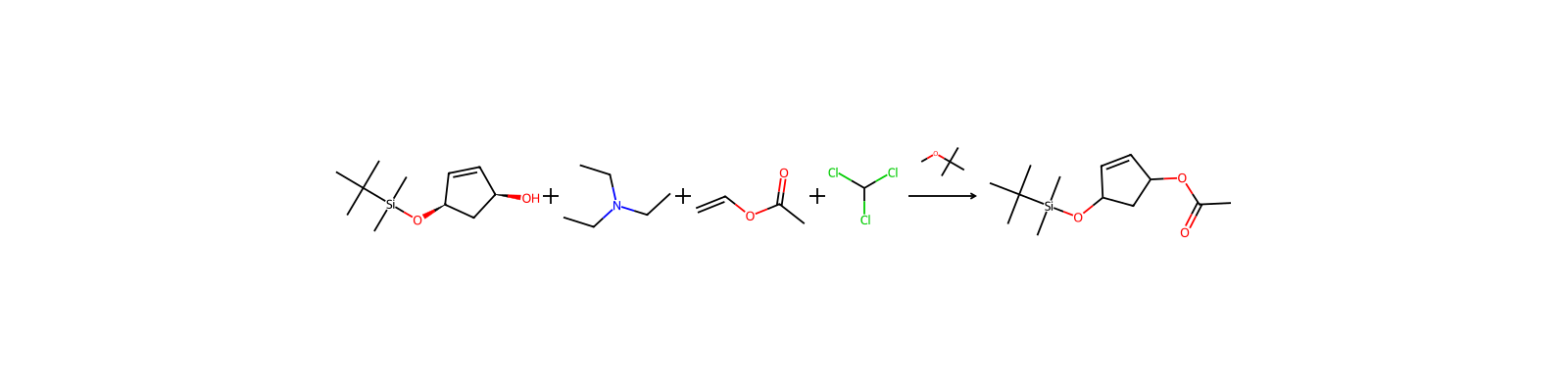
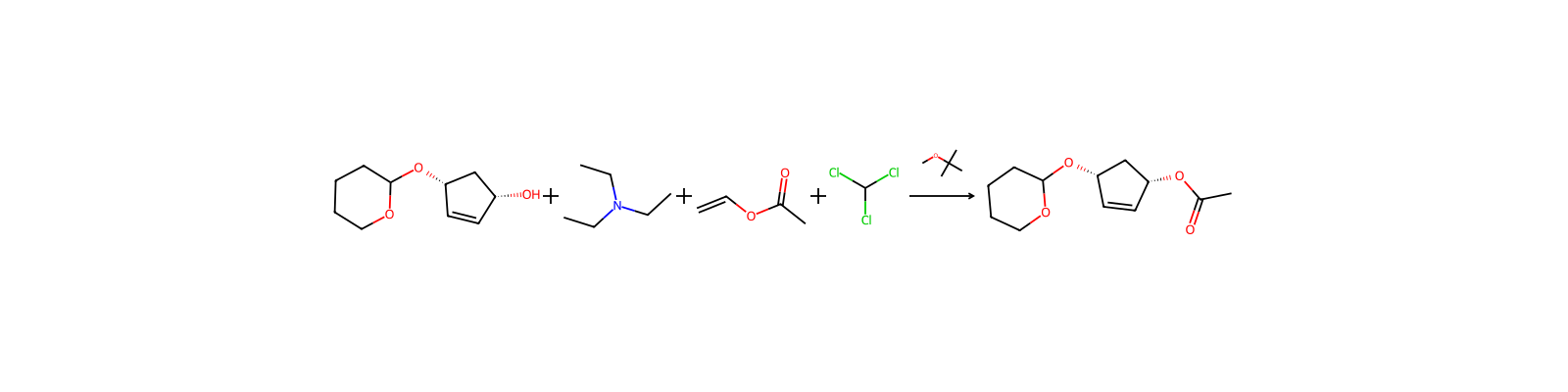
5,265 records





Linked notes
Loading…