

Basic information
- Standard SMILES
OC1CCCCCCCCCCC1- InChIKey
SFVWPXMPRCIVOK-UHFFFAOYSA-N- Molecular formula
- C12H24O
- Average molar mass
- 184.32 g/mol
- Monoisotopic mass
- 184.18271539
Overview
cyclododecanol has been reported in Coriandrum sativum with data available.
Names & identifiers
- Preferred name
- Cyclododecanol
- IUPAC
- cyclododecanol
- English name
- CYCLODODECANOL
- Molecular formula
- C12H24O
- Molecular weight
- 184.32
Names & synonyms
CYCLODODECANOL1724-39-6DTXSID1027429UNII-0Z645Y4JTS0Z645Y4JTSHSDB 5850EINECS 217-031-2NSC 524960NSC-524960CYCLODODECANOL [HSDB]DTXCID707429EC 217-031-2
Show more names
CYCLODODECANOLE1-CyclododecanolCyclododecanol>Cyclododecan-1-olCyclododecanol,99%Cyclododecanol 99%Cyclododecanol, 99% 100GRCYCLODODECANONE FOR SYNTHESIS
RefChem:129455217-031-2SFVWPXMPRCIVOK-UHFFFAOYSA-NMFCD00003717C12H24OCAS-1724-39-6hydroxycyclododecaneNSC524960
Database identifiers
- CAS
1724-39-6- PubChem CID
- 15595
- DTXSID
DTXSID1027429- ChEMBL
CHEMBL1872732- UNII
- 0Z645Y4JTS
- EC Number
- 217-031-2
- Nikkaji
- J46.185G
Properties
Computed structural properties
- XLogP
- 3.8
- Topological polar surface area
- 20.2 Ų
- Hydrogen bond donors
- 1
- Hydrogen bond acceptors
- 1
- Rotatable bonds
- 0
- Heavy atoms
- 13
- Formal charge
- 0
- Complexity
- 99.7
Experimental & physicochemical properties
PolymersOther Classes -> Alcohols and Polyols, Other
SpringerMaterials PropertiesBoiling point
Vapor Pressure0.000379 [mmHg]
Physical DescriptionSolid; [IUCLID] Fine white crystals; [MSDSonline]
Physicochemical properties
- Melting point
- 77 · 77-78 °C
- Boiling point
- 272.7 °C · 272.7 °C
- Density
- 0.871 · 0.8710 (rough estimate)
- vapor pressure
- 1 hPa · <1 hPa (20 °C)
- refractive index
- 1.55 · 1.5500 (estimate)
- Flash point
- 138 °C · 138 °C
- storage temp.
- 30 °C · Store below +30°C.
- solubility
- 0.04 g/l · 0.04g/l
- form
- Crystalline Solid
- pka
- 15.58 · 15.58±0.20(Predicted)
- color
- White
- Water Solubility
- 40 mg/L · 40mg/L at 20℃
- Henry's Law Constant
- 3.4 · 3.4×100 mol/(m3Pa) at 25℃, Altschuh et al. (1999)
- InChI
- 1S/C12H24O/c13-12-10-8-6-4-2-1-3-5-7-9-11-12/h12-13H,1-11H2
- InChIKey
- SFVWPXMPRCIVOK-UHFFFAOYSA-N
- SMILES
- OC1CCCCCCCCCCC1
- LogP
- 4.18 · 4.18-4.2 at 20-23℃
- CAS DataBase Reference
- 1724 · 1724-39-6(CAS DataBase Reference)
- EWG's Food Scores
- 1 · 1
- FDA UNII
- 0 Z645Y4JTS · 0Z645Y4JTS
- EPA Substance Registry System
- Cyclododecanol (1724-39-6)
- UNSPSC Code
- 12352104 · 12352104
- NACRES
- 22 · NA.22
- Symbol(GHS)
- 9 · GHS09
- Signal word
- Danger
- Hazard statements
- 401 · H401-H411
- Precautionary statements
- 273 · P273-P391-P501
- Hazard Codes
- N,Xi
- Risk Statements
- 51 · 51/53
- Safety Statements
- 61 · 61
- RIDADR
- 3077 · UN 3077 9/PG 3
- WGK Germany
- 2 · 2
- Autoignition Temperature
- 380 °C · 380 °C
- Hazard Note
- Irritant
- TSCA
- TSCA listed
- HazardClass
- 9 · 9
- PackingGroup
- III
- HS Code
- 29061900 · 29061900
- Storage Class
- 11 · 11 - Combustible Solids
- Hazard Classifications
- 2 · Aquatic Chronic 2
- Hazardous Substances Data
- 1724 · 1724-39-6(Hazardous Substances Data)
- Toxicity
- 50 orally · LD50 orally in Rabbit: > 2500 mg/kg
- REACH Registrations
- Active
Safety & regulation
GHS classification
GHS Classification
H411 (100%): Toxic to aquatic life with long lasting effects [Hazardous to the aquatic environment, long-term hazard]
P273, P391, and P501 (click each P-code to see the statement)
Aggregated GHS information provided per 165 reports by companies from 3 notifications to the ECHA C&L Inventory.
Hazard information
Regulatory Information
Chemical: Cyclododecanol
Status: Active Update: 24-02-2022 https://echa.europa.eu/registration-dossier/-/registered-dossier/11500
Cyclododecanol: Does not have an individual approval but may be used under an appropriate group standard
Hazards Summary
Higher alcohols are not highly toxic in the industrial setting; Can cause liver injury, somnolence, and respiratory depression in experimental animals; [HSDB] LD50 (rats) >2.5 g/kg; Not a skin, eye, or mucous membrane irritant; [Ullmann] May cause irritation; [MSDSonline]
Hazard Classes and CategoriesAquatic Chronic 2 (100%)
Toxicology
Adverse EffectsNeurotoxin - Acute solvent syndrome
Safety data
- wgk
- 2
- tsca
- TSCA listed
- ridadr
- UN 3077 9/PG 3
- hs_code
- 29061900
- Toxicity
- LD50 orally in Rabbit: > 2500 mg/kg
- risk_code
- 51/53
- Signal word
- Danger
- Symbol(GHS)
- GHS09
- hazard_code
- N,Xi
- hazard_note
- Irritant
- safety_code
- 61
- hazard_class
- 9
- Storage Class
- 11 - Combustible Solids
- packing_group
- III
- Hazard statements
- H401-H411
- REACH Registrations
- Active
- Hazard Classifications
- Aquatic Chronic 2
- Autoignition Temperature
- 380 °C
- Precautionary statements
- P273-P391-P501
- Hazardous Substances Data
- 1724-39-6(Hazardous Substances Data)
Chemistry & industry
Pharmacology
Metabolism/MetabolitesMicrobiological oxygenation of the monocyclic alcohol, cyclododecanol, by Sporotrichum sulfurescens produced a mixture of cylcododecanol dioxygenated products.
Uses & manufacturing
UsesUsed as an intermediate; Its esters and ethers are used as fragrances; [Ullmann]
General Manufacturing InformationCyclododecanol: ACTIVE
Applications
UsesCyclododecanol is a useful reagent for the chemical and antimicrobial studies on the skin of Aloe indica leaves.
Upstream & downstream products
Upstream raw materials
Downstream products
Suppliers50 total
梯希爱(上海)化成工业发展有限公司021-67121386 · [email protected]
湖北永阔科技有限公司027-59223108 15972152991 · [email protected]
上海阿拉丁生化科技股份有限公司400-6206333 13167063860 · [email protected]
湖北万得化工有限公司15377098680 15377098680 · [email protected]
Hebei Chuanghai Biotechnology Co., Ltd+86-17732866630 · [email protected]
毕佳索(上海毕得医药科技股份有限公司)400-6005915 · [email protected]
上海麦克林生化科技股份有限公司021-50706066 15221275939 · [email protected]
杭州品高化工有限公司0571-87658025 · [email protected]
Dayang Chem (Hangzhou) Co.,Ltd.+86-0571-88938639 17705817739 · [email protected]
Syntechem Co.,Ltd[email protected]
上海迈瑞尔生化科技有限公司4006356688 18621169109 · [email protected]
北京索莱宝科技有限公司010-50973130 17801761073 · [email protected]
武汉易泰科技有限公司上海分公司18930552037 · [email protected]
阿法埃莎(中国)化学有限公司400-6106006 · [email protected]
安耐吉化学&3A(安徽泽升科技股份有限公司)400-0056266 · [email protected]
广东元丰化学试剂有限公司0751-2829979 13318593351 · [email protected]
武汉丰泰威远科技有限公司+86-27-8746-5837 +86-18627785180 · [email protected]
武汉丰泰威远科技有限公司027-87465837 19945049750 · [email protected]
南京蓝白化工有限公司025-85499326 15366059326;13813836665 · [email protected]
湖北微斯汀科技有限公司027-61182895 13367240285 · [email protected]
玛雅试剂+86 (573) 82222445 (0)18006601000 452520369 · [email protected]
四川库利南科技有限公司400-1166-196 18981987031 · [email protected]
上海耐士化工科技有限公司400-188-0725 +86 21 34310725 13611771617
天津希恩思生化科技有限公司400 638 7771 · [email protected]
上海皓鸿生物医药科技有限公司400-8210725 4008210725 · [email protected]
赛默飞世尔科技(中国)有限公司800-810-5118 · [email protected]
北京伊诺凯科技有限公司400-810-7969 010-59572699 · [email protected]
江苏艾康生物医药研发有限公司025-66113011 13913916777 · [email protected]
TCI AMERICA800-4238616 · [email protected]
TOKYO CHEMICAL INDUSTRY CO., LTD.03-36680489 · [email protected]
TCI Europe320-37350700 · [email protected]
广州爱纯医药科技有限公司020-39119399 18927568969 · [email protected]
江阴兆盛化工有限公司+86 0510-86023607 · [email protected]
苏州亚科科技股份有限公司0512-87182055 13451648594 · [email protected]
PT CHEM GROUP LIMITED+86-85511178; +86-85511178 · [email protected]
成都零六生物科技有限公司400-1166-196 13458535857 · [email protected]
上海创赛科技有限公司400-6087598 15021221957 · [email protected]
陕西晶和医药科技有限公司029-86062279 13324594253 · [email protected]
Sigma-Aldrich西格玛奥德里奇(上海)贸易有限公司021-61415566 800-8193336 · [email protected]
九鼎化学(上海)科技有限公司4009209199 · [email protected]
韶关新润合生物科技有限公司19022763608 19022763608 · [email protected]
上海源叶生物科技有限公司13636370518 · [email protected]
成都华纯科技有限公司400-1166-196 15982826727 · [email protected]
武汉卡诺斯科技有限公司18064039730 · [email protected]
郑州汇聚化工有限公司0371-55900031 18137872243 · [email protected]
泰安市嘉叶生物科技有限公司15318151873;13127280945 · [email protected]
金锦乐(湖南)化学有限公司18001959627(微信同号) 18001959627 · [email protected]
上海贤鼎生物科技有限公司021-021-52271985 17721149837 · [email protected]
上海尊理加生命科技有限公司021-34045219 13062664914 · [email protected]
Shaanxi Dideu New Materials Co. Ltd18192503167 · [email protected]
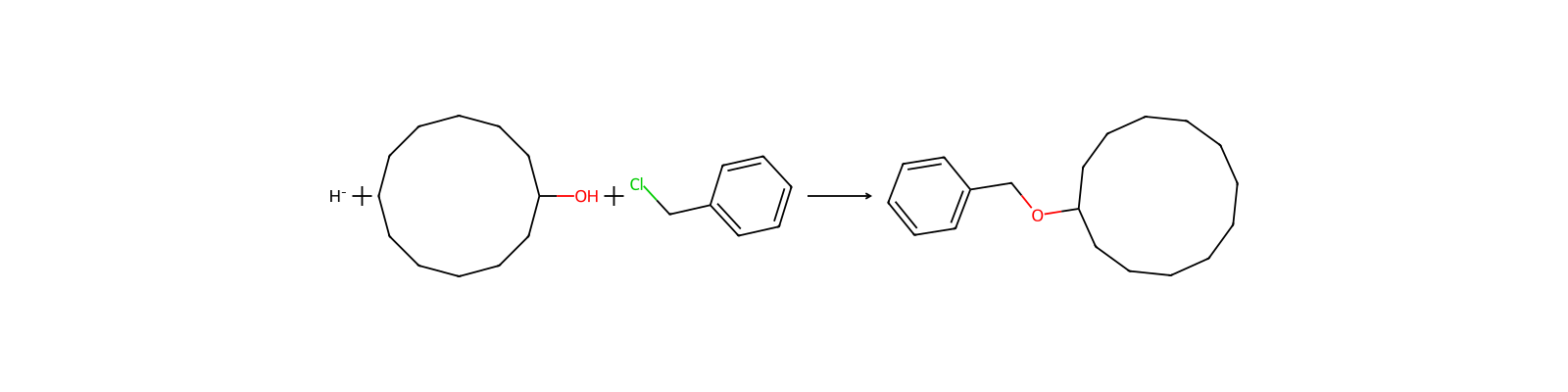
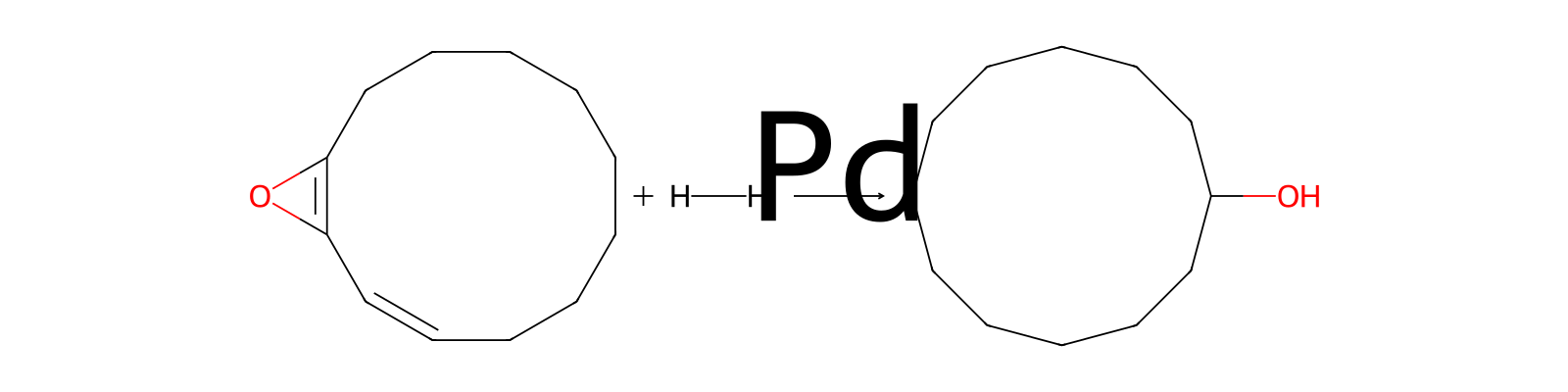
Related reactions
35 records



Linked notes
Loading…