
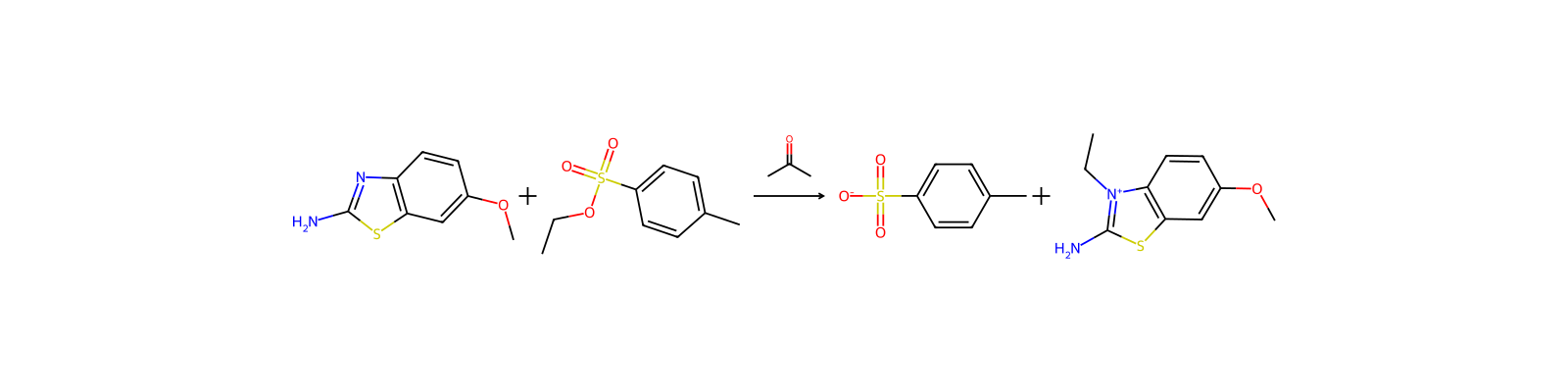
HRID 36161As reactant

1747-60-0COc1ccc2nc(N)sc2c1KZHGPDSVHSDCMX-UHFFFAOYSA-N2-amino-6-methoxybenzothiazole is a fine off-white to light tan powder. (NTP, 1992)
1747-60-0DTXSID9024485CHEMBL977972-amino-6-methoxybenzothiazole is a fine off-white to light tan powder. (NTP, 1992)
Off-white to light tan solid; [CAMEO] Powder; [Alfa Aesar MSDS]
Safety information is for reference only and does not replace the supplier’s Safety Data Sheet (SDS), applicable regulations, or professional assessment.
This chemical does not meet GHS hazard criteria for 4.1% (2 of 49) of reports.
Warning
H302 (93.9%): Harmful if swallowed [Warning Acute toxicity, oral]
P261, P264, P264+P265, P270, P271, P280, P301+P317, P302+P352, P304+P340, P305+P351+P338, P319, P321, P330, P332+P317, P337+P317, P362+P364, P403+P233, P405, and P501 (click each P-code to see the statement)
Aggregated GHS information provided per 49 reports by companies from 7 notifications to the ECHA C&L Inventory. Each notification may be associated with multiple companies.
Chemical: 2-Benzothiazolamine, 6-methoxy-
REACH registered substance: 6-methoxybenzothiazol-2-ylamine (EC: 217-130-0)
2-Benzothiazolamine, 6-methoxy-: Does not have an individual approval but may be used as a component in a product covered by a group standard. It is not approved for use as a chemical in its own right.
Uses2-Amino-6-methoxybenzothiazole is an intermediate used to prepare novel series of Schiff bases and 4-thiazolidinones. It is also used in the synthesis of 2-cyano-6-methoxybenzothiazole.
Uses2-Amino-6-methoxybenzothiazole was used as building block in the syntheses of novel series of Schiff bases and 4-thiazolidinones. It was used in the synthesis of 2-cyano-6-methoxybenzothiazole, key intermediate for the synthesis of firefly luciferin.
General DescriptionFine off-white to light tan powder.


EYES: First check the victim for contact lenses and remove if present. Flush victim's eyes with water or normal saline solution for 20 to 30 minutes while simultaneously calling a hospital or poison control center. Do not put any ointments, oils, or medication in the victim's eyes without specific instructions from a physician. IMMEDIATELY transport the victim after flushing eyes to a hospital even if no symptoms (such as redness or irritation) develop.
SMALL SPILLS AND LEAKAGE: Should a spill occur while you are handling this chemical, FIRST REMOVE ALL SOURCES OF IGNITION, then you should dampen the solid spill material with 60-70% ethanol and transfer the dampened material to a suitable container. Use absorbent paper dampened with 60-70% ethanol to pick up any remaining material. Seal the absorbent paper, and any of your clothes, which may be contaminated, in a vapor-tight plastic bag for eventual disposal. Solvent wash all contaminated surfaces with 60-70% ethanol followed by washing with a soap and water solution. Do not reenter the contaminated area until the Safety Officer (or other responsible person) has verified that the area has been properly cleaned.
RECOMMENDED RESPIRATOR: Where the neat test chemical is weighed and diluted, wear a NIOSH-approved half face respirator equipped with an organic vapor/acid gas cartridge (specific for organic vapors, HCl, acid gas and SO2) with a dust/mist filter. (NTP, 1992)