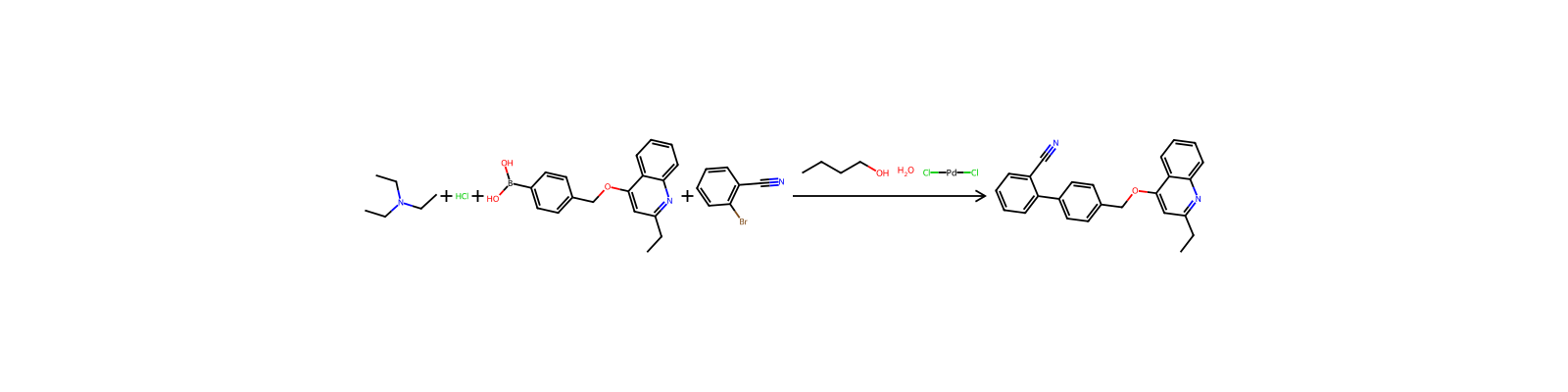

Basic information
- CAS
2042-37-7- Standard SMILES
N#Cc1ccccc1Br- InChIKey
AFMPMSCZPVNPEM-UHFFFAOYSA-N- Molecular formula
- C7H4BrN
- Average molar mass
- 182.02 g/mol
- Monoisotopic mass
- 180.95271123
Overview
structure in first source
Names & identifiers
- Preferred name
- 2-Bromobenzonitrile
- IUPAC
- 2-bromobenzonitrile
- English name
- 2-Bromobenzonitrile
- Molecular formula
- C7H4BrN
- Molecular weight
- 182.02
Names & synonyms
2-BROMOBENZONITRILE2042-37-7o-BromobenzonitrileBenzonitrile, 2-bromo-1-Bromo-2-cyanobenzeneo-Bromocyanobenzene8LSJ4JR86WNSC-59730DTXSID50174366RefChem:85849DTXCID0096857218-045-1
Show more names
2-BromoOBBNO BroMoxynilBenzhydrol LR2-of broMoxynil2-BrombenzonitrilAdjacent broMoxynilo-bromo-benzonitril2-bromo-benzonitril
Benzonitrile, o-bromo-bromobenzonitrile2-BromobenzenecarbonitrileMFCD00001772NSC597302-CYANO-1-BROMOBENZENESTR06628STL168043
Database identifiers
- CAS
2042-37-7- PubChem CID
- 16272
- DTXSID
DTXSID50174366- ChEMBL
CHEMBL3248212- UNII
- 8LSJ4JR86W
- EC Number
- 218-045-1
- Nikkaji
- J126.353F
Properties
Computed structural properties
- XLogP
- 2.1
- Topological polar surface area
- 23.8 Ų
- Hydrogen bond donors
- 0
- Hydrogen bond acceptors
- 1
- Rotatable bonds
- 0
- Heavy atoms
- 9
- Formal charge
- 0
- Complexity
- 135
Physicochemical properties
- Melting point
- 53 · 53-57 °C(lit.)
- Boiling point
- 251 · 251-253 °C(lit.)
- Density
- 1.496 · 1.496
- refractive index
- 1.5999 · 1.5999 (estimate)
- Flash point
- 230 °F · >230 °F
- storage temp.
- Sealed in dry,Room Temperature
- solubility
- 10.5 g/l · 10.5g/l
- form
- Crystalline Solid
- color
- White to yellow
- PH
- 6.6 · 6.6 (10.5g/l, H2O, 23℃)
- BRN
- 2042185 · 2042185
- InChI
- InChI=1S/C7H4BrN/c8-7-4-2-1-3-6(7)5-9/h1-4H
- InChIKey
- AFMPMSCZPVNPEM-UHFFFAOYSA-N
- SMILES
- C(#N)C1=CC=CC=C1Br
- CAS DataBase Reference
- 2042 · 2042-37-7(CAS DataBase Reference)
- FDA UNII
- 8 LSJ4JR86W · 8LSJ4JR86W
- NIST Chemistry Reference
- 2 · Benzonitrile, 2-bromo-(2042-37-7)
- UNSPSC Code
- 12352100 · 12352100
- NACRES
- 22 · NA.22
- Symbol(GHS)
- 6 · GHS06
- Signal word
- Danger
- Hazard statements
- 301 · H301-H312-H319-H412
- Precautionary statements
- 264 · P264-P273-P280-P301+P310-P302+P352+P312-P305+P351+P338
- PPE
- 95 · dust mask type N95 (US), Eyeshields, Faceshields, Gloves
- Hazard Codes
- Xn,Xi
- Risk Statements
- 22 · 22-36/37/38-20/21/22
- Safety Statements
- 22 · 22-24/25-36/37/39-26
- RIDADR
- 3276 · 3276
- WGK Germany
- 2 · 2
- RTECS
- 2459750 · DI2459750
- Hazard Note
- Harmful/Irritant
- HazardClass
- 6.1 · 6.1
- PackingGroup
- III
- HS Code
- 29269095 · 29269095
- Storage Class
- 6.1 C · 6.1C - Combustible acute toxic Cat.3toxic compounds or compounds which causing chronic effects
- Hazard Classifications
- 3 OralAcute · Acute Tox. 3 OralAcute Tox. 4 DermalAquatic Chronic 3Eye Irrit. 2
- REACH Registrations
- Active
Safety & regulation
GHS classification
GHS Classification
Warning
H302 (90.7%): Harmful if swallowed [Warning Acute toxicity, oral]
P261, P264, P264+P265, P270, P271, P273, P280, P301+P317, P302+P352, P304+P340, P305+P351+P338, P317, P319, P321, P330, P332+P317, P337+P317, P362+P364, P403+P233, P405, and P501 (click each P-code to see the statement)
Aggregated GHS information provided per 54 reports by companies from 9 notifications to the ECHA C&L Inventory. Each notification may be associated with multiple companies.
Hazard information
Regulatory InformationStatus: Active Update: 02-02-2023 https://echa.europa.eu/registration-dossier/-/registered-dossier/34475
Hazard Classes and CategoriesAcute Tox. 4 (90.7%)
Safety data
- PPE
- dust mask type N95 (US), Eyeshields, Faceshields, Gloves
- wgk
- 2
- rtecs
- DI2459750
- ridadr
- 3276
- hs_code
- 29269095
- risk_code
- 22-36/37/38-20/21/22
- Signal word
- Danger
- Symbol(GHS)
- GHS06
- hazard_code
- Xn,Xi
- hazard_note
- Harmful/Irritant
- safety_code
- 22-24/25-36/37/39-26
- hazard_class
- 6.1
- Storage Class
- 6.1C - Combustible acute toxic Cat.3toxic compounds or compounds which causing chronic effects
- packing_group
- III
- Hazard statements
- H301-H312-H319-H412
- REACH Registrations
- Active
- Hazard Classifications
- Acute Tox. 3 OralAcute Tox. 4 DermalAquatic Chronic 3Eye Irrit. 2
- Precautionary statements
- P264-P273-P280-P301+P310-P302+P352+P312-P305+P351+P338
Chemistry & industry
Applications
Uses2-Bromobenzonitrile belongs to a group of ortho-substituted bromobenzenes that have varying hepatotoxicity effects in the presence of rat liver microsomes in vitro. 2-Bromobenzonitrile is also used as a starting material to synthesize novel benzothiophene derivatives that were found to exhibit antibacterial and antifungal activity. It is commonly employed in reactions that require an electron-rich species to carry out nucleophilic substitution (or addition) reactions.
Upstream & downstream products
Upstream raw materials
Downstream products
Suppliers100 total
国药集团化学试剂有限公司86-21-63210123 · [email protected]
梯希爱(上海)化成工业发展有限公司021-67121386 · [email protected]
衢州润东化工有限公司0570-8789886 18892685668 · [email protected]
上海阿拉丁生化科技股份有限公司400-6206333 13167063860 · [email protected]
爱斯特(成都)生物制药股份有限公司+86-28-85122536 85324413 · [email protected]
北京安司莫森技术有限公司010-82954736 13391601435 · [email protected]
科瑞迪化学400-821-5857 021-64326257 · [email protected]
Syntechem Co.,Ltd[email protected]
上海迈瑞尔生化科技有限公司4006356688 18621169109 · [email protected]
北京华威锐科化工有限公司0757-86329057 18934348241 · [email protected]
阿法埃莎(中国)化学有限公司400-6106006 · [email protected]
安耐吉化学&3A(安徽泽升科技股份有限公司)400-0056266 · [email protected]
武汉凯威斯科技有限公司86-027-67849912 · [email protected]
上海瀚鸿科技股份有限公司021-54306202 13764082696 · [email protected]
上海柯维化学技术有限公司021-64609169 18901607656 · [email protected]
上海相辉医药科技有限公司13761987713 · [email protected]
上海景颜化工科技有限公司13817811078 · [email protected]
嘉兴市艾森化工有限公司0573-85285100 18627885956 · [email protected]
上海攀鸿化工科技有限公司021-56491756 13512199871 · [email protected]
山东西亚化学有限公司13355009207 13355009207 · [email protected]
玛雅试剂+86 (573) 82222445 (0)18006601000 452520369 · [email protected]
四川库利南科技有限公司400-1166-196 18981987031 · [email protected]
天津希恩思生化科技有限公司400 638 7771 · [email protected]
南京维奥化工有限公司Please Send Email 18652950785 · [email protected]
上海思域化工科技有限公司86-21-34053660 · [email protected]
赛默飞世尔科技(中国)有限公司800-810-5118 · [email protected]
北京伊诺凯科技有限公司400-810-7969 010-59572699 · [email protected]
上海特伯化学科技有限公司+86-21-60341587 · [email protected]
TCI AMERICA800-4238616 · [email protected]
TOKYO CHEMICAL INDUSTRY CO., LTD.03-36680489 · [email protected]
TCI Europe320-37350700 · [email protected]
深圳康特腾科技有限公司86-0755-86635001 · [email protected]
越林试剂021-62960152 · [email protected]
Clearsynth Labs Limited+91-22-26355700 · [email protected]
山东博洛达生物科技有限公司0531-68659041 · [email protected]
无锡中坤生化科技有限公司+86 0510-85629785
上海将来实业股份有限公司400-0066400 13621662912 · [email protected]
上海将来实业股份有限公司021-61552785 · [email protected]
HBCChem, Inc.+1-510-219-6317 · [email protected]
日照力德士化工有限公司010-51268198 · [email protected]
美岚实业(上海)有限公司021-58958189 · [email protected]
上海爱蝶实业有限公司021-58957966 18930537195 · [email protected]
成都零六生物科技有限公司400-1166-196 13458535857 · [email protected]
广拓化学(上海)有限公司021-60899189-8001 18918189673 · [email protected]
雷丁试剂0510-85629785 18013409632 · [email protected]
湖南华腾制药有限公司400-8592883 · [email protected]
上海御略医药科技有限公司021-60345187 13671753212 · [email protected]
杭州杰恒化工有限公司0571-87396432 · [email protected]
上海嵩爰化工科技有限公司010-1234567 18521000990 · [email protected]
上海有朋化工有限公司021-69005955 13701776567 · [email protected]
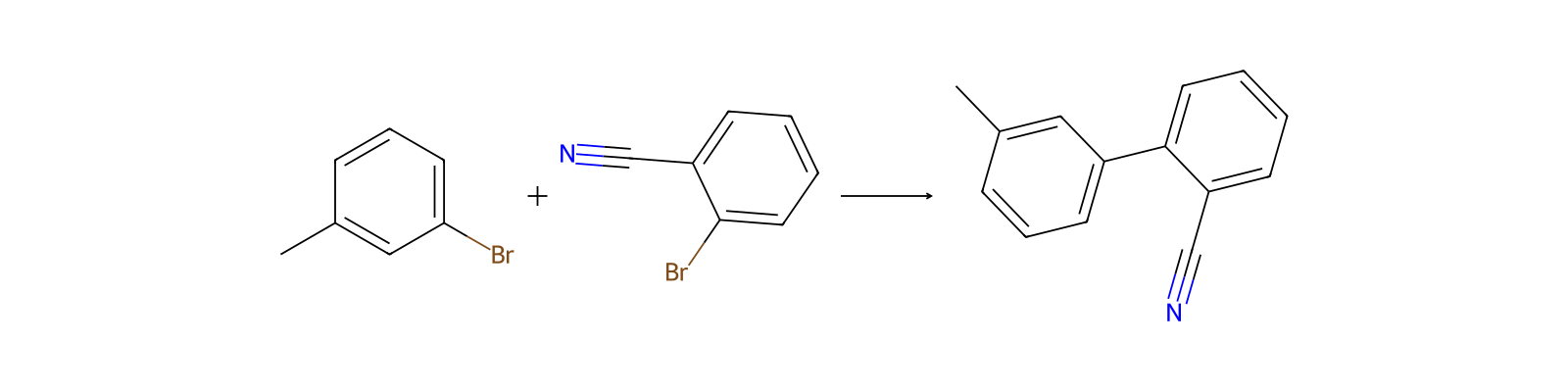
Related reactions
163 records






Compound notes
Loading…