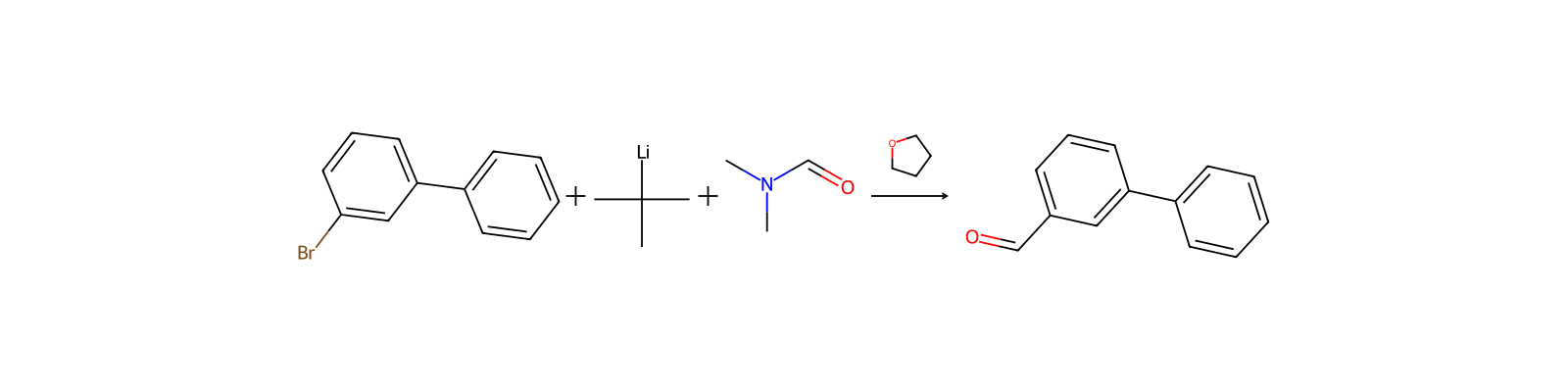
3-Bromobiphenyl
Completing data — refresh the page later to see the latest
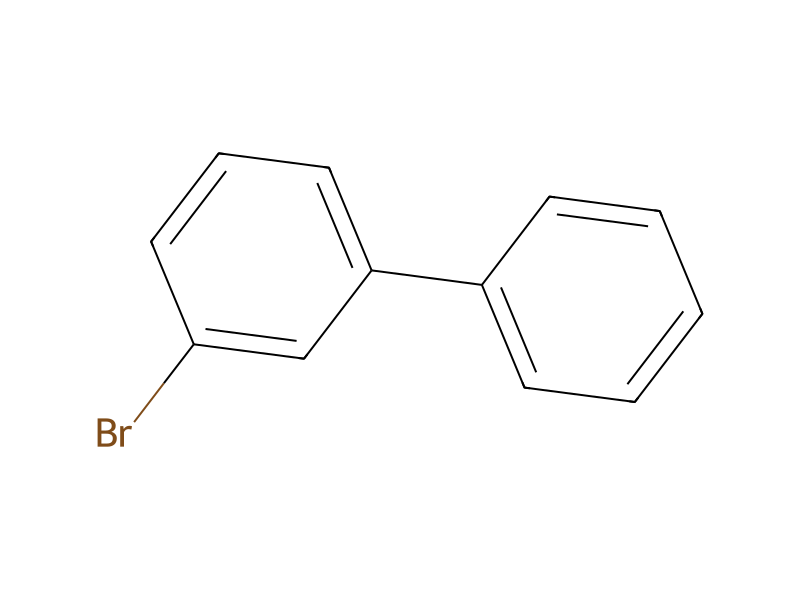
Basic information
- CAS
2113-57-7- Standard SMILES
Brc1cccc(-c2ccccc2)c1- InChIKey
USYQKCQEVBFJRP-UHFFFAOYSA-N- Molecular formula
- C12H9Br
- Average molar mass
- 233.1 g/mol
- Monoisotopic mass
- 231.98876239
Overview
3-bromobiphenyl is a clear yellow viscous liquid. Insoluble in water. (NTP, 1992)
Names & identifiers
- Preferred name
- 3-Bromobiphenyl
- IUPAC
- 1-bromo-3-phenylbenzene
- English name
- 3-Bromobiphenyl
- Molecular formula
- C12H9Br
- Molecular weight
- 233.1
Names & synonyms
3-BROMOBIPHENYL3-Bromo-1,1'-biphenyl1,1'-Biphenyl, 3-bromo-Biphenyl, 3-bromo-3-BromodiphenylDTXSID5024639CCRIS 5889O7I53K56S8EINECS 218-304-9WLN: ER CRBROMOBIPHENYL, 3-NSC 407775
Show more names
PBB NO 2218-304-93-BROMOBIPHNYL3-bromo-biphenym-Bromobiphenyl3-Xenyl bromide
NSC-407775PBB 2UNII-O7I53K56S8AI3-11169DTXCID104639(1,1'-BIPHENYL)-3-YL BROMIDE[1,1'-BIPHENYL]-3-YL BROMIDE3-Monobromobiphenyl
Database identifiers
- CAS
2113-57-7- PubChem CID
- 16449
- DTXSID
DTXSID5024639- ChEMBL
CHEMBL1899525- UNII
- O7I53K56S8
- EC Number
- 218-304-9
- Nikkaji
- J41.832C
Properties
Computed structural propertiesFilling in
- XLogP
- 4.6
- Topological polar surface area
- 0 Ų
- Hydrogen bond donors
- 0
- Hydrogen bond acceptors
- 0
- Rotatable bonds
- 1
- Heavy atoms
- 13
- Formal charge
- 0
- Complexity
- 149
Experimental & physicochemical properties
SpringerMaterials Properties13C nuclear magnetic resonance spectrum
LogP4.85
SolubilityInsoluble (NTP, 1992)
Boiling Point570 to 574 °F at 760 mmHg (NTP, 1992)
Physical Description3-bromobiphenyl is a clear yellow viscous liquid. Insoluble in water. (NTP, 1992)
Physicochemical properties
- Melting point
- 93 · 93-94 °C
- Boiling point
- 300 °C · 300 °C
- Density
- 1.398 g/mL · 1.398 g/mL at 25 °C(lit.)
- refractive index
- 1.637 · 1.637-1.641
- Flash point
- 110 °C · 110 °C
- storage temp.
- Keep in dark place,Sealed in dry,Room Temperature
- solubility
Safety & regulation
Safety information is for reference only and does not replace the supplier’s Safety Data Sheet (SDS), applicable regulations, or professional assessment.
GHS classification
GHS Classification
Warning
H315 (100%): Causes skin irritation [Warning Skin corrosion/irritation]
P261, P264, P264+P265, P271, P280, P302+P352, P304+P340, P305+P351+P338, P319, P321, P332+P317, P337+P317, P362+P364, P403+P233, P405, and P501 (click each P-code to see the statement)
Aggregated GHS information provided per 40 reports by companies from 3 notifications to the ECHA C&L Inventory. Each notification may be associated with multiple companies.
Hazard information
Regulatory Information
S - indicates a substance that is identified in a final Significant New Use Rule.
Restricted substance: 3-bromobiphenyl
Fire HazardsFlash point data for this chemical are not available. It is probably combustible. (NTP, 1992)
Reactive GroupAryl Halides
Reactivity Profile3-BROMOBIPHENYL may be sensitive to light. This compound may react with oxidizing materials. (NTP, 1992)
Air and Water ReactionsInsoluble in water.
Hazard Classes and CategoriesSkin Irrit. 2 (100%)
Safety & protection
Fire FightingFires involving this material can be controlled with a dry chemical, carbon dioxide or Halon extinguisher. (NTP, 1992)
First Aid
Chemistry & industry
Pharmacology
Metabolism/Metabolites
PBBs can be absorbed via oral, inhalation, and dermal routes. Due to their lipophilic nature, PBBs, especially the highly brominated congeners, tend to accumulate in lipid-rich tissues such as the liver, adipose, skin, and breast milk. Certain PBB compounds are metabolized by the microsomal monooxygenase system catalyzed by cytochrome P-450 of the type induced by phenobarbital. The rate of metabolism may depends on the bromine substitution pattern. PBB congeners of low bromine content are transformed into hydroxylated derivatives that are predominately eliminated in the urine. Highly brominated congeners are either retained or excreted unchanged in the feces. (L628)
Uses & manufacturing
Uses
PBBs can be used as flame retardants and may be added to the plastics used to make products like computer monitors, televisions, textiles, and plastic foams to make them difficult to burn. However, the use of PBBs is banned or restricted in most areas due to their toxicity and persistence in the environment. (L628, L629)
General Manufacturing Information1,1'-Biphenyl, 3-bromo-: ACTIVE
Applications
Description3-Bromobiphenyl is an important industrial raw material, but also a very widely used organic synthesis intermediates, it is widely used in pharmaceutical, liquid crystal industry and other fields. In recent years, the export volume of 3-Bromobiphenyl in our country is increasing day by day, the main export object is some liquid crystal display production enterprises in Japan and South Korea.
Uses3-Bromobiphenyl is utilized as an electrochemical immunosensor based on poly(dopamine) coated gold nanocluster for brominated flame retardants.
General DescriptionClear yellow viscous liquid. Insoluble in water.
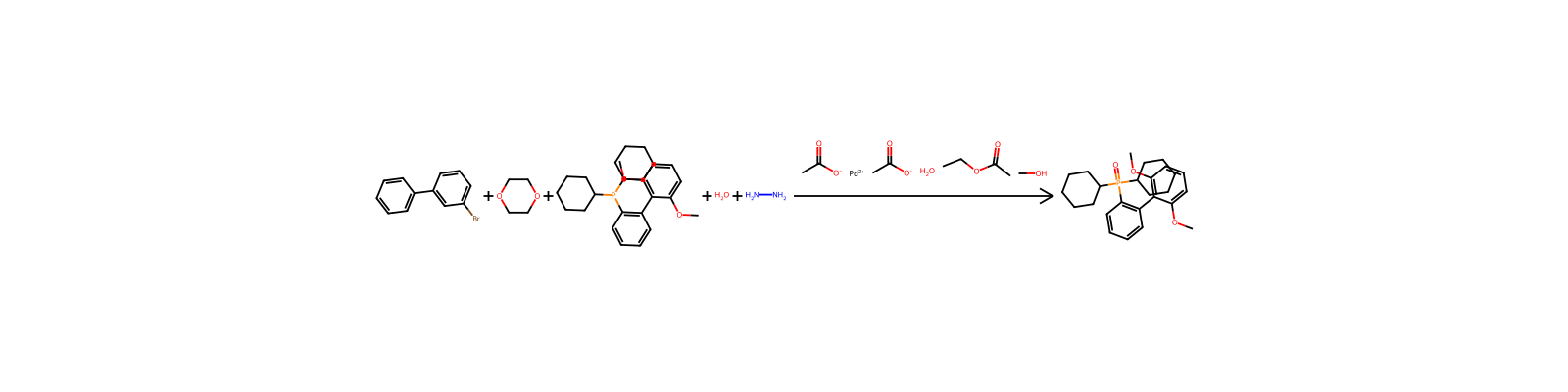
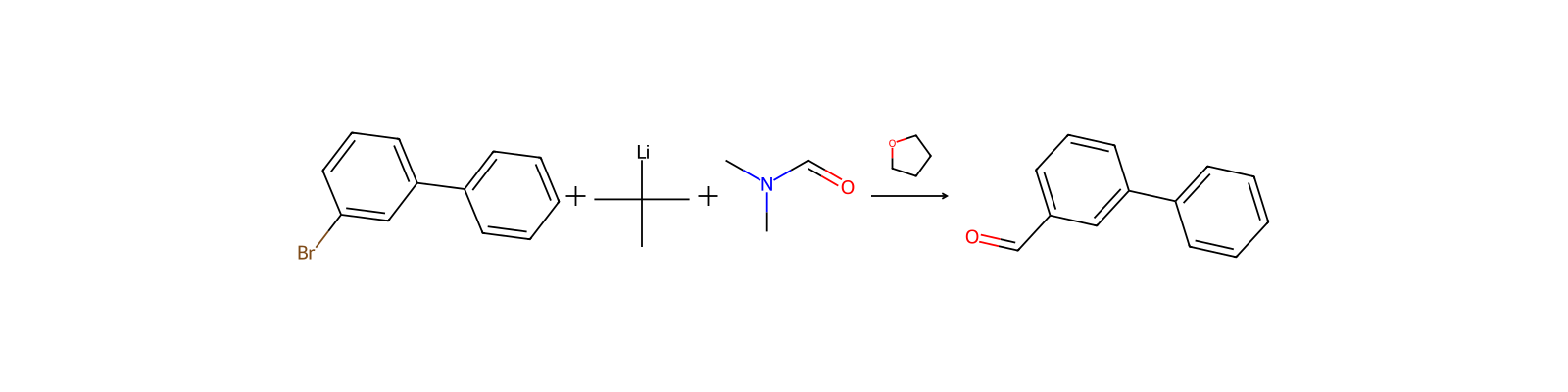
Related reactions
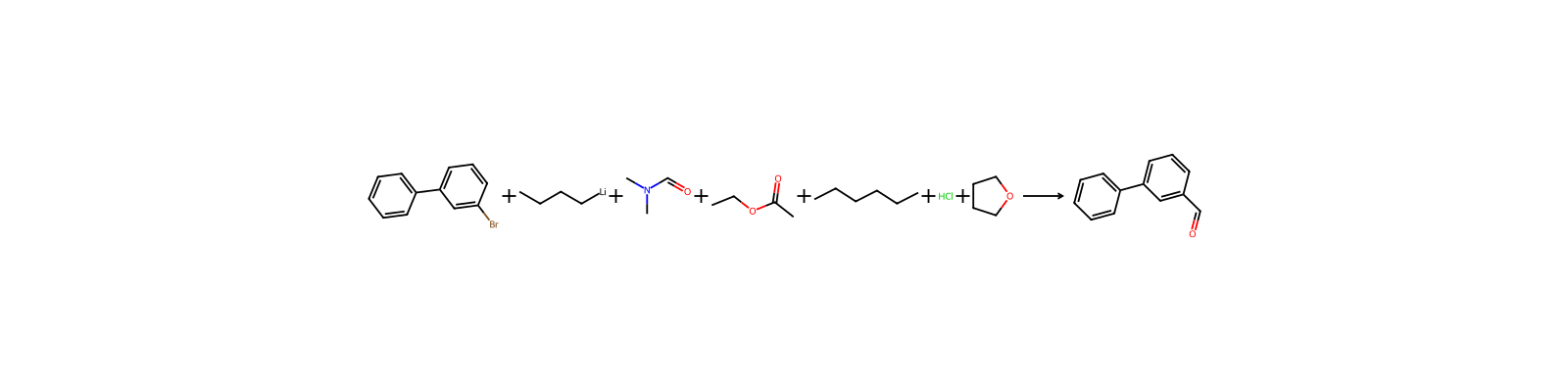
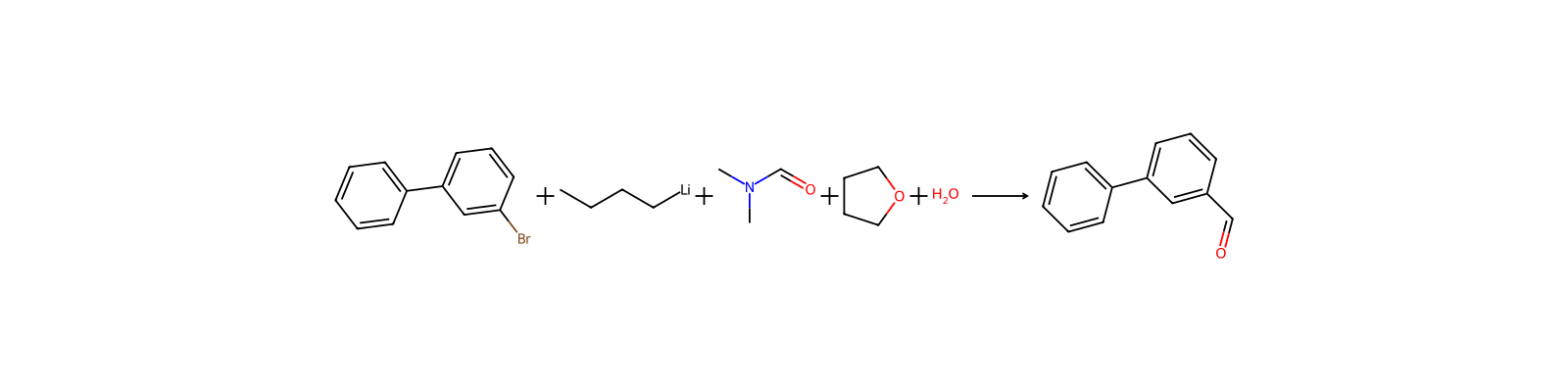
78 records



Compound notes
Loading…