Basic information
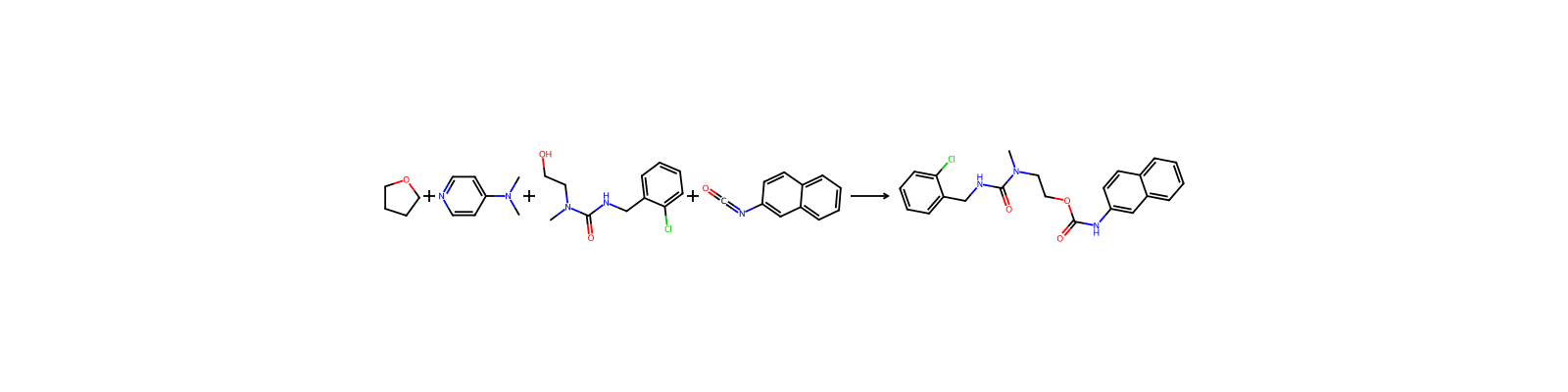
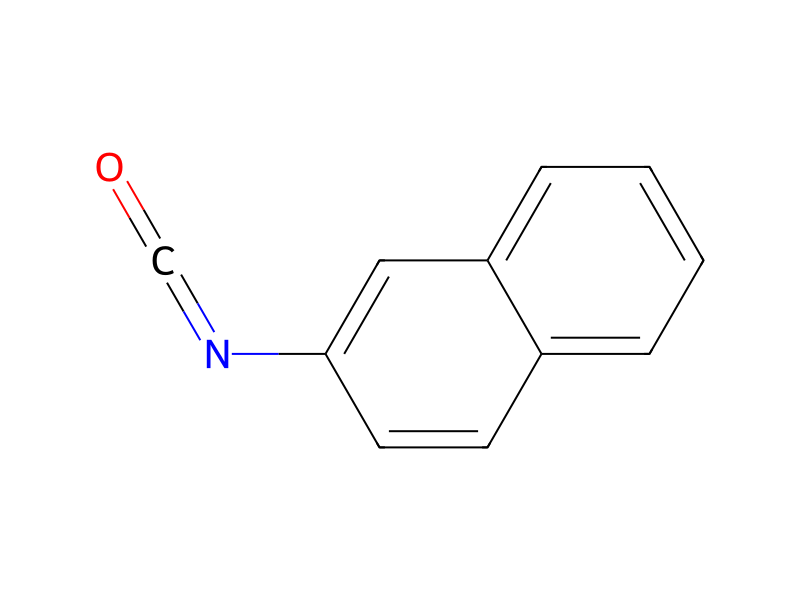
- Standard SMILES
O=C=Nc1ccc2ccccc2c1- InChIKey
XIXJQNFTNSQTBT-UHFFFAOYSA-N- Molecular formula
- C11H7NO
- Average molar mass
- 169.18 g/mol
- Monoisotopic mass
- 169.05276385
Names & identifiers
- Preferred name
- 2-Naphthyl isocyanate
- IUPAC
- 2-isocyanatonaphthalene
- English name
- 2-Naphthyl isocyanate
- Molecular formula
- C11H7NO
- Molecular weight
- 169.18
Names & synonyms
2-Naphthyl isocyanate2-Isocyanatonaphthalene2243-54-12-NaphthylisocyanateNAPHTHALENE, 2-ISOCYANATO-9ZE6124VOINSC-5529BETA-NAPHTHYL ISOCYANATEDTXSID00176956RefChem:88646DTXCID0099447218-815-7
Show more names
β-Naphthyl isocyanate2-Naphthyl Isocyanate ,97%
beta-NaphthylisocyanateMFCD00014319.beta.-Naphthyl isocyanatenaphthalen-2-isocyanate2-naphthalenyl isocyanate2-isocyanato-naphthalene2-naphtyl isocyanate2-isocyanato-naphthalen
Database identifiers
- CAS
2243-54-1- PubChem CID
- 16718
- DTXSID
DTXSID00176956- UNII
- 9ZE6124VOI
- EC Number
- 218-815-7
- Nikkaji
- J95.523J
Properties
Computed structural properties
- XLogP
- 3.7
- Topological polar surface area
- 29.4 Ų
- Hydrogen bond donors
- 0
- Hydrogen bond acceptors
- 2
- Rotatable bonds
- 1
- Heavy atoms
- 13
- Formal charge
- 0
- Complexity
- 220
Physicochemical properties
- Melting point
- 53 · 53-56 °C (lit.)
- Boiling point
- 83 °C/0.2 · 83 °C/0.2 mmHg (lit.)
- Density
- 1.1616 · 1.1616 (rough estimate)
- refractive index
- 1.49 · 1.4900 (estimate)
- form
- Chunks
- color
- White
- Water Solubility
- It hydrolyzes in water.
- Sensitive
- Moisture Sensitive
- InChI
- 1S/C11H7NO/c13-8-12-11-6-5-9-3-1-2-4-10(9)7-11/h1-7H
- InChIKey
- XIXJQNFTNSQTBT-UHFFFAOYSA-N
- SMILES
- O=C=Nc1ccc2ccccc2c1
- FDA UNII
- 9 ZE6124VOI · 9ZE6124VOI
- UNSPSC Code
- 12352100 · 12352100
- NACRES
- 22 · NA.22
- Symbol(GHS)
- 7 · GHS07,GHS08
- Signal word
- Danger
- Hazard statements
- 302 · H302+H312+H332-H315-H317-H319-H334-H335
- Precautionary statements
- 261 · P261-P264-P280-P301+P312-P302+P352+P312-P305+P351+P338
- target organs
- Respiratory system
- PPE
- 95 · dust mask type N95 (US), Eyeshields, Gloves
- Hazard Codes
- Xn
- Risk Statements
- 20 · 20/21/22-36/37/38
- Safety Statements
- 26 · 26-27-36/37/39-45
- RIDADR
- 3335 · UN 3335
- WGK Germany
- 3 · 3
- RTECS
- 7950000 · QJ7950000
- HazardClass
- IRRITANT
- HS Code
- 29291090 · 29291090
- Storage Class
- 11 · 11 - Combustible Solids
- Hazard Classifications
- 4 DermalAcute · Acute Tox. 4 DermalAcute Tox. 4 InhalationAcute Tox. 4 OralEye Irrit. 2Resp. Sens. 1Skin Irrit. 2Skin Sens. 1STOT SE 3
Safety & regulation
GHS classification
GHS Classification
Danger
H302 (90.9%): Harmful if swallowed [Warning Acute toxicity, oral];H312 (90.9%): Harmful in contact with skin [Warning Acute toxicity, dermal];H315 (100%): Causes skin irritation [Warning Skin corrosion/irritation];H319 (100%): Causes serious eye irritation [Warning Serious eye damage/eye irritation];H332 (90.9%): Harmful if inhaled [Warning Acute toxicity, inhalation];H334 (13.6%): May cause allergy or asthma symptoms or breathing difficulties if inhaled [Danger Sensitization, respiratory];H335 (100%): May cause respiratory irritation [Warning Specific target organ toxicity, single exposure; Respiratory tract irritation]
P233, P260, P261, P264, P264+P265, P270, P271, P280, P284, P301+P317, P302+P352, P304+P340, P305+P351+P338, P317, P319, P321, P330, P332+P317, P337+P317, P342+P316, P362+P364, P403, P403+P233, P405, and P501 (click each P-code to see the statement)
Aggregated GHS information provided per 44 reports by companies from 4 notifications to the ECHA C&L Inventory. Each notification may be associated with multiple companies.;Information may vary between notifications depending on impurities, additives, and other factors. The percentage value in parenthesis indicates the notified classification ratio from companies that provide hazard codes. Only hazard codes with percentage values above 10% are shown. For more detailed information, please visit ECHA C&L website.
Hazard information
Hazard Classes and CategoriesAcute Tox. 4 (90.9%);Acute Tox. 4 (90.9%);Skin Irrit. 2 (100%);Eye Irrit. 2 (100%);Acute Tox. 4 (90.9%);Resp. Sens. 1 (13.6%);STOT SE 3 (100%)
Safety data
- PPE
- dust mask type N95 (US), Eyeshields, Gloves
- wgk
- 3
- rtecs
- QJ7950000
- ridadr
- UN 3335
- hs_code
- 29291090
- risk_code
- 20/21/22-36/37/38
- Signal word
- Danger
- Symbol(GHS)
- GHS07,GHS08
- hazard_code
- Xn
- safety_code
- 26-27-36/37/39-45
- hazard_class
- 6.1
- Storage Class
- 11 - Combustible Solids
- target organs
- Respiratory system
- Hazard statements
- H302+H312+H332-H315-H317-H319-H334-H335
- Hazard Classifications
- Acute Tox. 4 DermalAcute Tox. 4 InhalationAcute Tox. 4 OralEye Irrit. 2Resp. Sens. 1Skin Irrit. 2Skin Sens. 1STOT SE 3
- Precautionary statements
- P261-P264-P280-P301+P312-P302+P352+P312-P305+P351+P338
Chemistry & industry
Applications
Uses2-Naphthyl Isocyanate is a genotoxicant.
General Description2-Naphthyl isocyanate is an aromatic isocyanate. It is formed during the rat liver microsome catalyzed oxidative metabolism of 2-naphthyl isothiocyanate.
Upstream & downstream products
Upstream raw materials
Suppliers40 total
上海衡新化工科技有限公司13917104483; 13917104483 · [email protected]
南京翔睿科技有限公司021-021-00000000 15715199582
河南赢创生物科技有限公司16650615803 · [email protected]
上海毕得医药科技股份有限公司400-1647117 13681763483 · [email protected]
杭州摩库生物医药科技有限公司+86-057181025280; +8617767106207 · [email protected]
Aladdin Scientific[email protected]
上海迈瑞尔生化科技有限公司4006356688 18621169109 · [email protected]
阿法埃莎(中国)化学有限公司400-6106006 · [email protected]
安耐吉化学&3A(安徽泽升科技股份有限公司)400-0056266 · [email protected]
武汉凯威斯科技有限公司86-027-67849912 · [email protected]
湖北兴琰新材料科技有限公司13129948835 · [email protected]
梯希爱(上海)化工贸易有限公司021-61109150 · [email protected]
常州科化生物科技有限公司0519-68985668 13685222090 · [email protected]
上海瀚鸿科技股份有限公司021-54306202 13764082696 · [email protected]
河南伊诺凯新材料有限公司13290191024 13290191024 · [email protected]
赛默飞世尔科技(中国)有限公司800-810-5118 · [email protected]
江苏艾康生物医药研发有限公司025-66028182 17714375163 · [email protected]
陕西缔都医药化工有限公司029-81024372 17792795018 · [email protected]
Sigma-Aldrich西格玛奥德里奇(上海)贸易有限公司021-61415566 800-8193336 · [email protected]
山东利腾生物科技有限公司15020019777 18663721413 · [email protected]
安阳鸿蒙新材料有限公司19588588067 · [email protected]
上海阿拉丁生化科技股份有限公司6206333 13167063860 · [email protected]
浙江泽天精细化工有限公司0571-87322520 18957127338 · [email protected]
箴德化工科技(上海)有限公司15601952568 · [email protected]
淄博百极荣创医药科技有限公司0533-6092686 13371592196 · [email protected]
上海岚克医药科技发展有限公司0086-21-58956006
河南氢硅新材料科技有限公司00-18037331-859 18037331859 · [email protected]
上海超岚化工科技中心(原上海巢莱)0-2022843681 15618226720 · [email protected]
上海潜莱医药科技有限公司482109853 · [email protected]
Shaanxi Dideu New Materials Co. Ltd18192503167 · [email protected]
厦门盈融达化工有限公司+86-0592-6210733 · [email protected]
深圳聚合生化科技有限公司+86-400-002-6226 · [email protected]
浙江泽天精细化工有限公司18957127338 · [email protected]
武汉爱默尔特科技有限公司027-888-4366503 13986279625 · [email protected]
湖北奕化新材料科技有限公司17754433341 18086038039
重庆卡兰医药有限公司[email protected]
北京百灵威科技有限公司18210857532 18210857532 · [email protected]
DAYANG CHEM (HANGZHOU) CO.,LTD+86-88938639 +86-17705817739 · [email protected]
南京健傲医药科技有限公司18915922978 · [email protected]
武汉裕清嘉衡药业有限公司027-83855312 17771813295 13377865312 · [email protected]
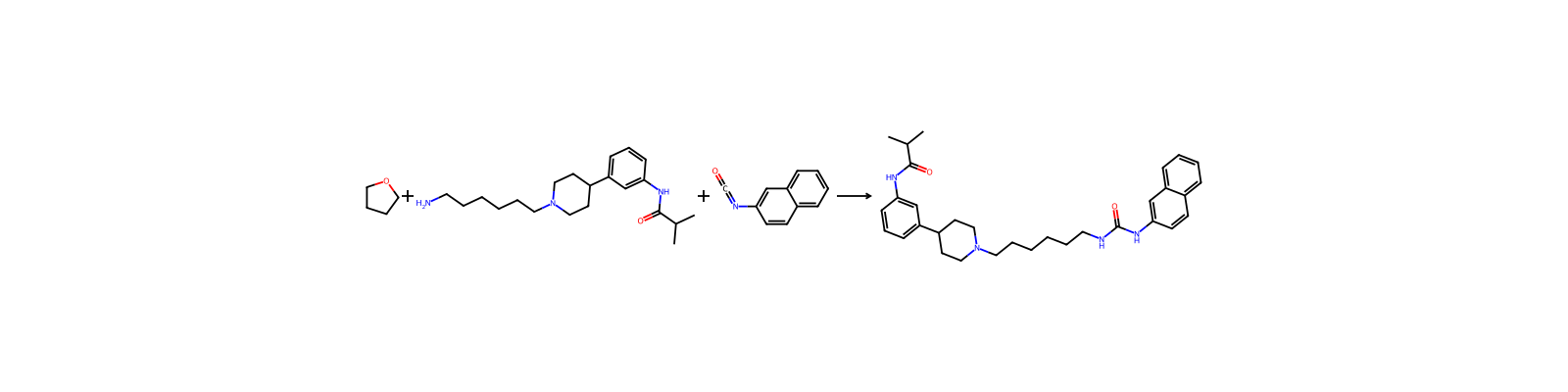
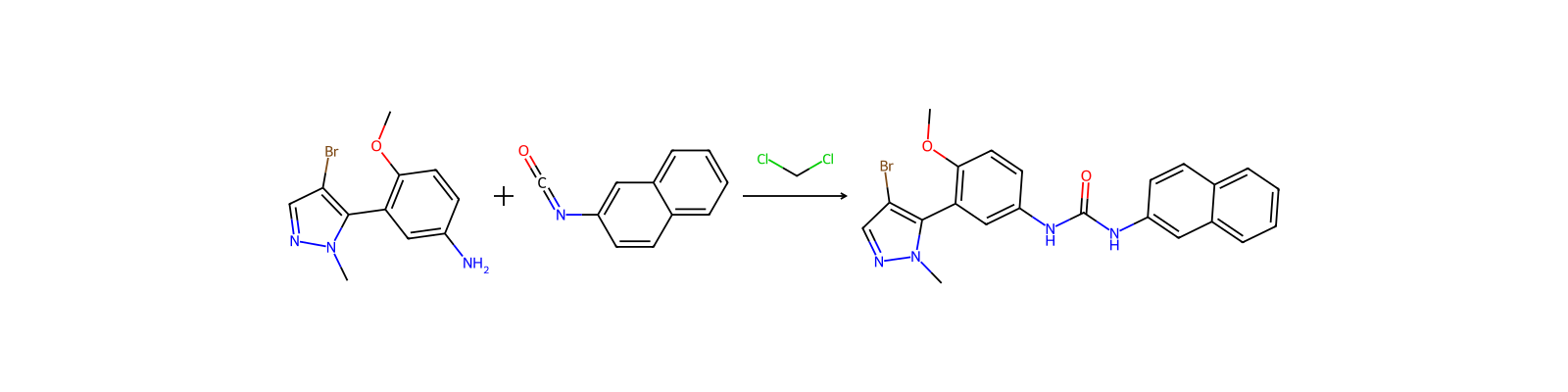
Related reactions
21 records
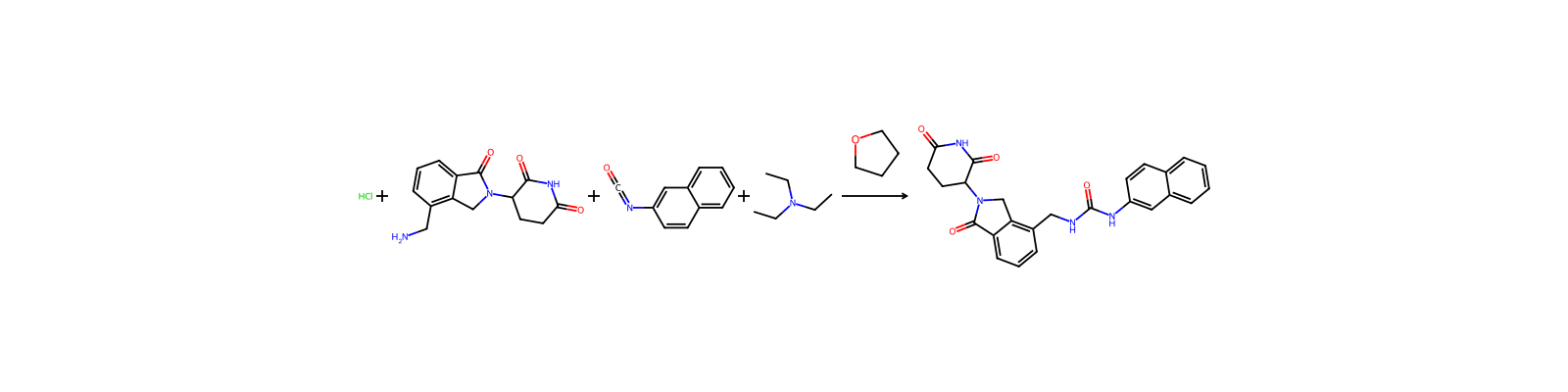
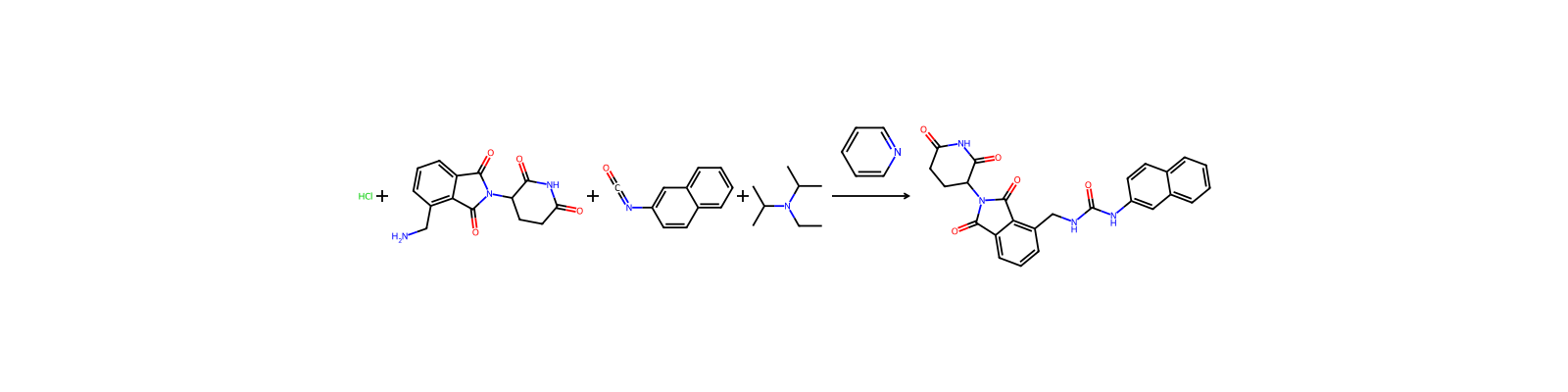
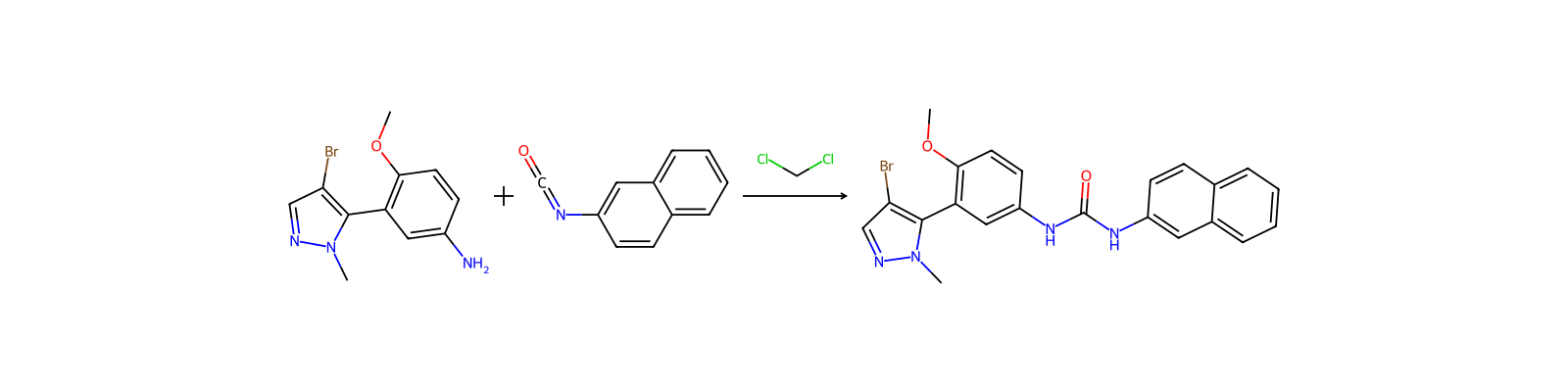
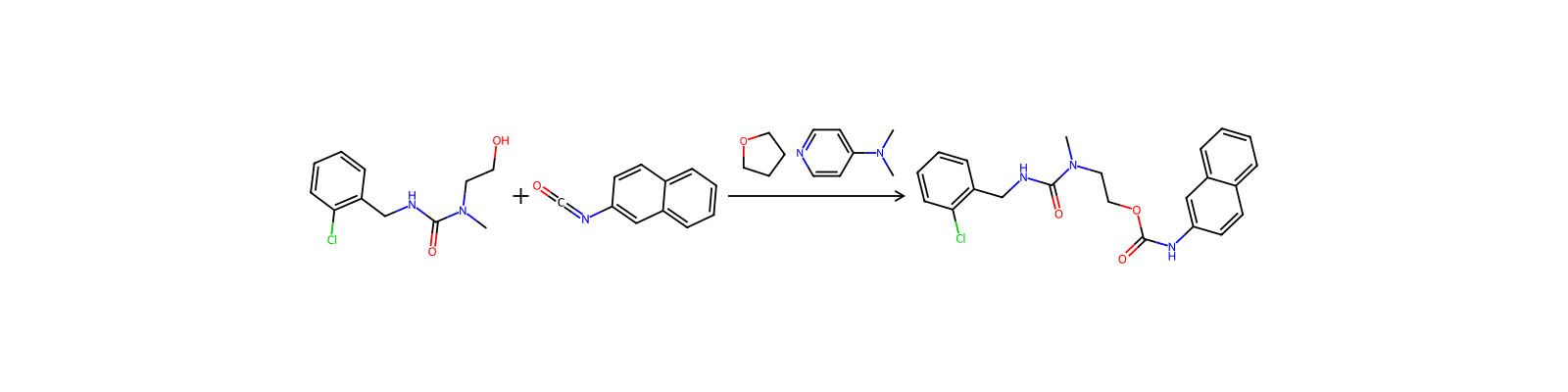

Linked notes
Loading…