
Basic information
- Standard SMILES
CC(=O)[O-].CC(=O)[O-].[Pd+2]- InChIKey
YJVFFLUZDVXJQI-UHFFFAOYSA-L- Molecular formula
- C4H6O4Pd
- Average molar mass
- 224.51 g/mol
- Monoisotopic mass
- 223.93009467
Overview
Palladium acetate is a chemical compound of palladium. It is used as a catalyst for many organic reactions and as a precursor to other palladium(II) compounds. Palladium is a chemical element with the chemical symbol Pd and an atomic number of 46. It is found as a free metal alloyed with gold and other platinum group metals and in the rare minerals cooperite and polarite. (L794, L804)
Names & identifiers
- Preferred name
- palladium(II) acetate
- IUPAC
- palladium(2+) diacetate
Names & synonyms
Palladium(II) acetate3375-31-3Palladium diacetateDiacetatopalladiumDiacetoxypalladiumBis(acetato)palladiumBisacetylpalladiumPalladous acetatePalladium(2+) acetatePd(OAc)2Acetic acid palladium saltAcetic acid, palladium salt
Show more names
0LTG3460Y5DTXSID10890575(ACETYLOXY)PALLADIO ACETATERefChem:169636DTXCID601030789222-164-4243-333-9Palladium acetate
Database identifiers
- CAS
19807-27-3、3375-31-3- PubChem CID
- 167845
- DTXSID
DTXSID10890575- UNII
- 0LTG3460Y5
- EC Number
- 222-164-4、243-333-9
- Nikkaji
- J10.642I
Properties
Computed structural properties
- Topological polar surface area
- 80.3 Ų
- Hydrogen bond donors
- 0
- Hydrogen bond acceptors
- 4
- Rotatable bonds
- 0
- Heavy atoms
- 9
- Formal charge
- 0
- Complexity
- 25.5
Experimental & physicochemical properties
Chemical ClassesMetals -> Organic Acids, Metal Salts
Physical DescriptionReddish-brown solid; Insoluble in water; [Hawley] Powder; [MSDSonline]
Safety & regulation
GHS classification
GHS Classification
Danger
H302 (11.3%): Harmful if swallowed [Warning Acute toxicity, oral]
P261, P264, P264+P265, P270, P272, P273, P280, P301+P317, P302+P352, P305+P354+P338, P317, P321, P330, P333+P317, P362+P364, P391, and P501 (click each P-code to see the statement)
Aggregated GHS information provided per 265 reports by companies from 18 notifications to the ECHA C&L Inventory. Each notification may be associated with multiple companies.
Hazard information
Regulatory Information
Chemical: Acetic acid, palladium(2+) salt
Status: Active Update: 21-02-2022 https://echa.europa.eu/registration-dossier/-/registered-dossier/17957
Palladium (II) acetate: Does not have an individual approval but may be used under an appropriate group standard
Other Safety InformationIMAP assessments - Acetic acid, palladium(2+) salt: Environment tier I assessment
Hazards SummaryCorrosive to eyes; [eChemPortal: ERMA] An irritant; May cause serious injury to eyes; [MSDSonline]
Hazard Classes and CategoriesAcute Tox. 4 (11.3%)
Toxicology
Health EffectsContact with palladium may cause palladium sensitivity and allergy. Animal studies have shown that palladium may damage the liver and kidney. (L798)
Toxicity Summary
Due to their ability to form strong complexes with both inorganic and organic ligands, palladium ions can disturb cellular equilibria, replace other essential ions, and interact with functional groups of macromolecules, such as proteins or DNA. Palladium complexes binding to DNA and RNA leads to strand breakage. Palladium ions are able to inhibit most major cellular functions, including DNA and RNA synthesis. Palladium compounds have been shown to bind to and inhibit various enzymes, including creatine kinase and prolyl hydroxylase. (L798)
Signs and SymptomsSkin contact with palladium may cause contact dermatitis, erythema, and oedema. (L798)
Carcinogen ClassificationNo indication of carcinogenicity to humans (not listed by IARC).
Chemistry & industry
Pharmacology
Metabolism/Metabolites
Palladium may be absorbed through oral, dermal, and inhalation exposure. Once in the body it distributes to the kidney, liver, spleen, lymph nodes, adrenal gland, lung and bone. Palladium's ability to form complexes allows it the bind to amino acids, proteins, DNA, and other macromolecules. Palladium and its metabolites are excreted in the urine and faeces. (A21)
Uses & manufacturing
Uses
Used as a catalyst in organic chemistry; [Hawley]
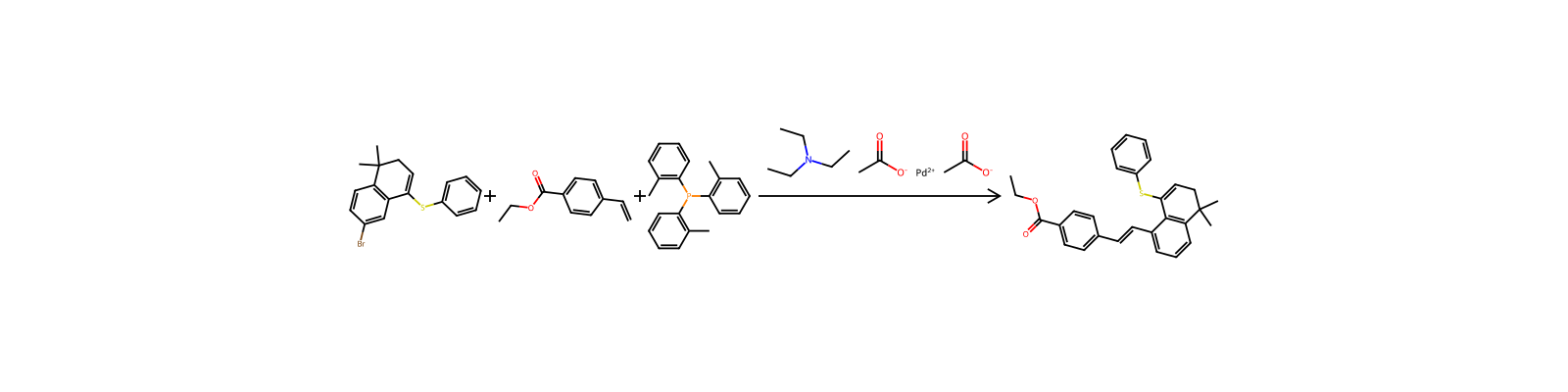
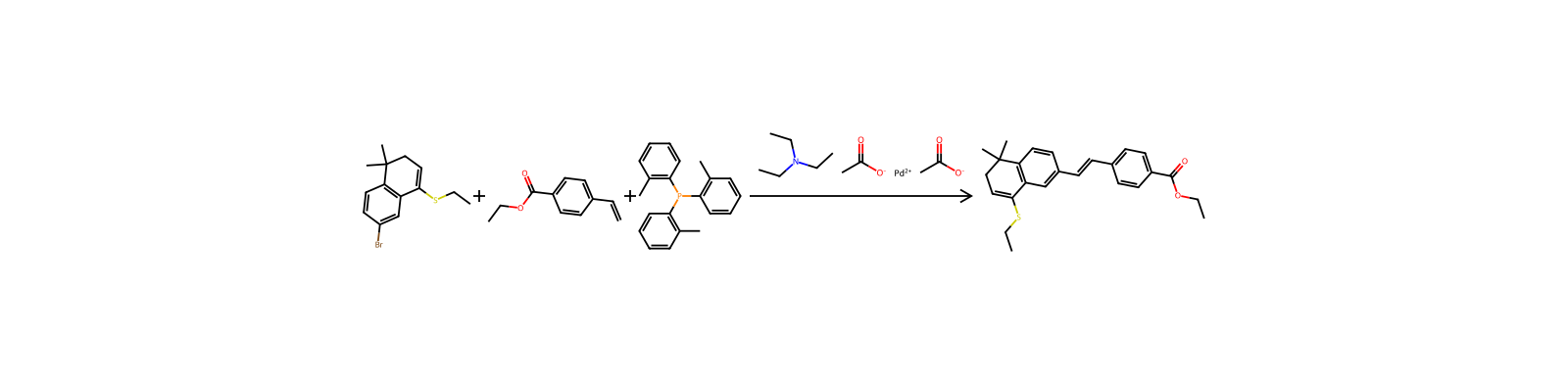
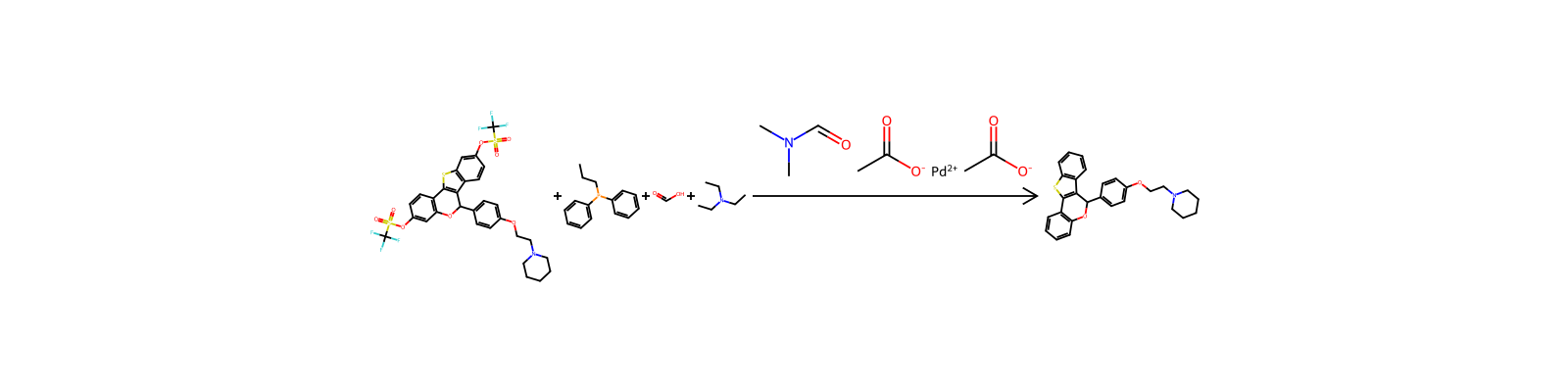
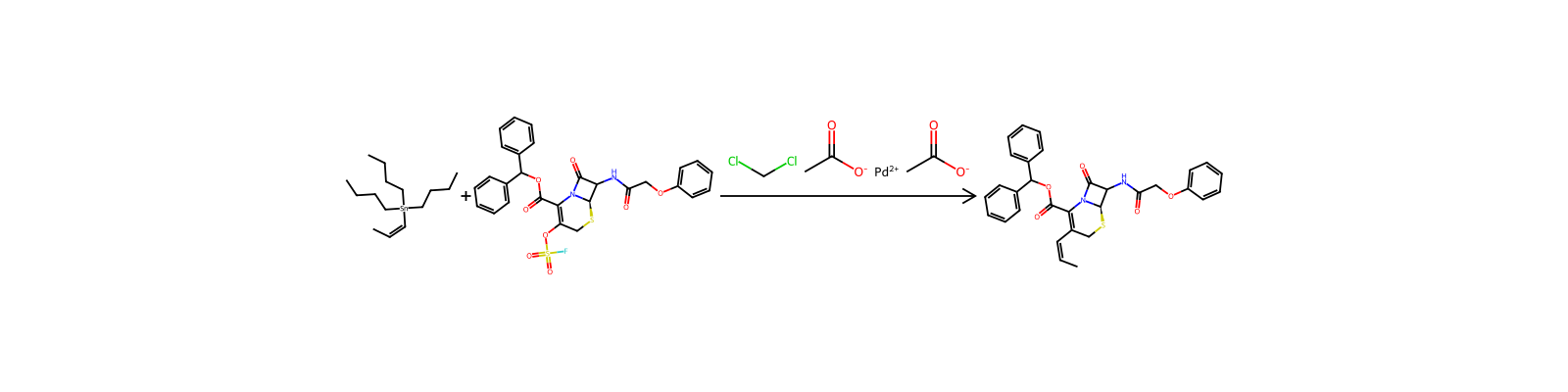
Palladium acetate is used as a catalyst for many organic reactions and as a precursor to other palladium(II) compounds. (L804)
General Manufacturing Information
Acetic acid, palladium(2+) salt (2:1): ACTIVE
Acetic acid, palladium salt (1:?): INACTIVE
Related reactions
29,821 records




Linked notes
Loading…