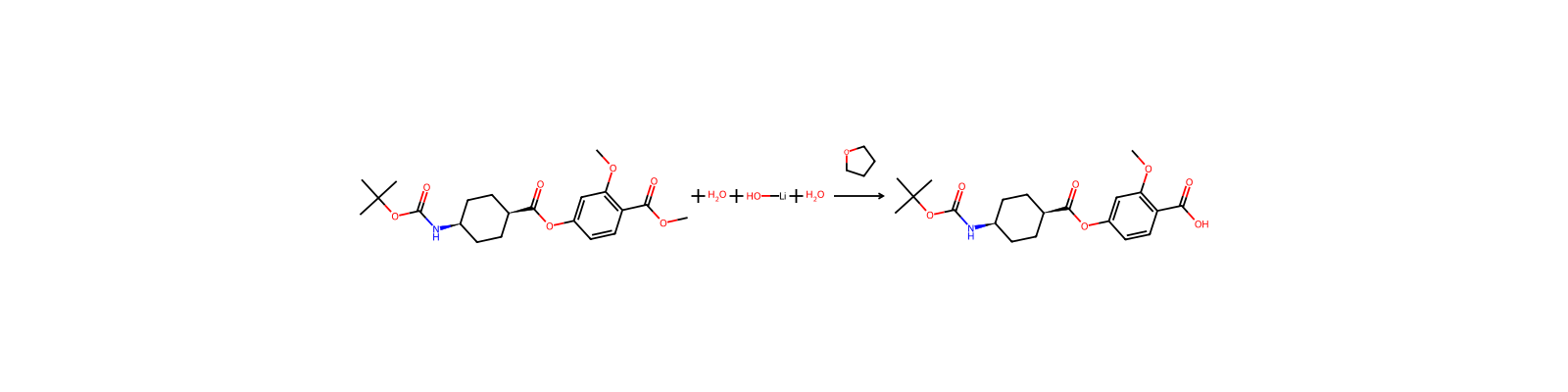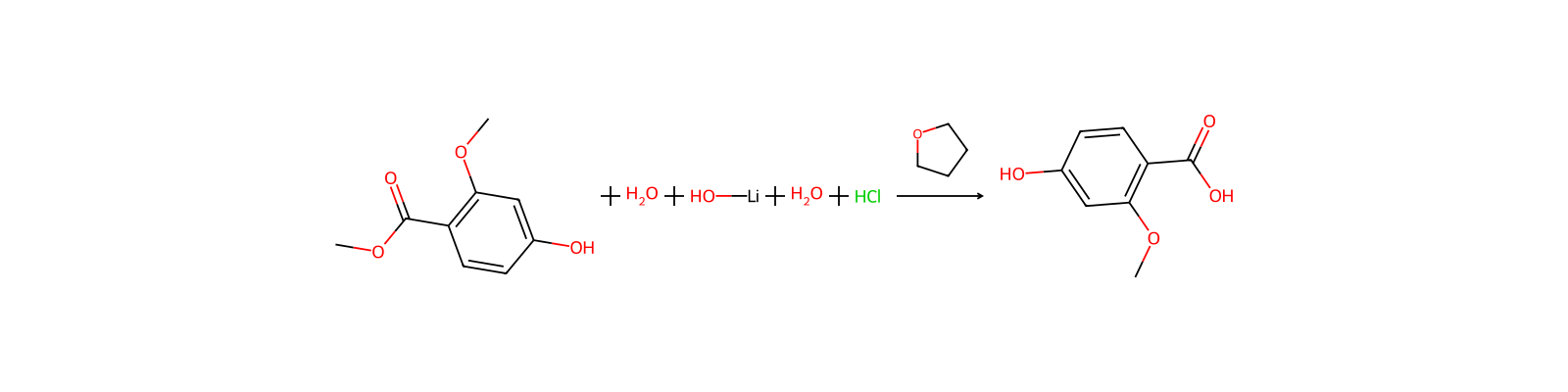
HRID 1672As reactant

1310-66-3O.[Li+].[OH-]GLXDVVHUTZTUQK-UHFFFAOYSA-MSmall colorless crystals. Denser than water. Contact may cause severe irritation to skin, eyes, and mucous membranes. Toxic by ingestion, inhalation and skin absorption. Used to make electric storage batteries, soaps, and lubricants.
1310-66-3、55622-30-5DTXSID8051382Metals -> Metals, Inorganic Compounds
Corrosives
1.51 g/cm³
1.51 @25 °C
Small colorless crystals. Denser than water. Contact may cause severe irritation to skin, eyes, and mucous membranes. Toxic by ingestion, inhalation and skin absorption. Used to make electric storage batteries, soaps, and lubricants.
Dry Powder
Colorless hygroscopic solid; [ICSC] White odorless crystalline powder; [Alfa Aesar MSDS]
COLOURLESS-TO-WHITE HYGROSCOPIC CRYSTALS.
Safety information is for reference only and does not replace the supplier’s Safety Data Sheet (SDS), applicable regulations, or professional assessment.
Danger
H301+H311 (17.8%): Toxic if swallowed or in contact with skin [Danger Acute toxicity, oral; acute toxicity, dermal]
P260, P261, P262, P264, P264+P265, P270, P271, P280, P301+P316, P301+P317, P301+P330+P331, P302+P352, P302+P361+P354, P304+P340, P305+P354+P338, P316, P317, P321, P330, P361+P364, P363, P403+P233, P405, and P501 (click each P-code to see the statement)
Aggregated GHS information provided per 584 reports by companies from 26 notifications to the ECHA C&L Inventory. Each notification may be associated with multiple companies.
Danger
H302: Harmful if swallowed [Warning Acute toxicity, oral]
Chemical: Lithium hydroxide, monohydrate
Lithium hydroxide (Li(OH)), monohydrate is listed on the EPA's Chemical Data Reporting (CDR) system. Manufacturers and importers of Lithium hydroxide (Li(OH)), monohydrate are required to report information about their production and use of this chemical to the EPA under the Toxic Substances Control Act (TSCA). (40 eCFR Part 711)
Lithium hydroxide, monohydrate: Does not have an individual approval but may be used under an appropriate group standard
The New Jersey Worker and Community Right to Know Act requires public and private employers to provide information about hazardous substances at their workplaces. (N.J.S.A. 34:5A-1 et. seq.)
Excerpt from ERG Guide 154 [Substances - Toxic and/or Corrosive (Non-Combustible)]:
Not combustible.
Used in photographic developers and alkaline storage batteries; Also used as a catalyst and in esterifications; [Merck Index]
Battery Manufacturing [Category: Industry]
UsesA principal use of lithium hydroxide monohydrate is as a starting material for numerous other lithium chemicals such as lithium fluoride, lithium chloride, lithium bromide and lithium iodide. Since these materials are prepared in aqueous solutions, there is no particular advantage in using the anhydrous hydroxide for the preparation. Other salts of weak and strong acids may be prepared using lithium hydroxide as a starting material. The preparation of anhydrous lithium hydroxide has already been described. A major use of lithium hydroxide monohydrate is in the preparation of lithium salts of fatty acids (lithium soaps) which, with mineral oil and other additives, are used to make lithium-based greases3 6 . Such greases are superior to those based on other metal ions. Lithium greases are good lubricants at high temperatures and are particularly good at low temperatures. They also resist the deteriorating effect of water satisfactorily due to the low water solubility of lithium soaps. Both lithium hydroxide and lithium hydroxide monohydrate absorb carbon dioxide readily. Anhydrous lithium hydroxide is used effectively as a carbon dioxide absorbent in life support systems in underwater and aerospace applications.
UsesUsed in catalyst for alkyd resins.
UsesLithium hydroxide monohydrate is used for the production of lithium greases, lithium soaps, lithium stearate and lithium salts. It finds application as a carbon dioxide adsorbent in breathing gas purification systems for spacecrafts, submarines and rebreathers; as a storage-battery electrolyte; as a heat transfer medium and as a catalyst for polymerization reaction. It is also used in ceramics and some portland cement formulations.
Highly alkaline and caustic; A strong skin irritant; [Merck Index] Causes burns; Inhalation may cause pulmonary edema; [ICSC] May cause severe irritation; Toxic by ingestion, inhalation, and skin absorption; [CAMEO] Causes burns; Inhalation may cause corrosive injuries to upper respiratory tract and lungs; Harmful by ingestion and inhalation; [Alfa Aesar MSDS] See Lithium hydroxide.
LITHIUM HYDROXIDE, MONOHYDRATE neutralizes acids exothermically to form salts plus water. Reacts with certain metals (such as aluminum and zinc) to form oxides or hydroxides of the metal and generate gaseous hydrogen. May initiate polymerization reactions in polymerizable organic compounds, especially epoxides. May generate flammable and/or toxic gases with ammonium salts, nitrides, halogenated organics, various metals, peroxides, and hydroperoxides. May serve as a catalyst. Reacts when heated above about 84 °C with aqueous solutions of reducing sugars other than sucrose to evolve toxic levels of carbon monoxide [Bretherick, 5th Ed., 1995].
Decomposes on heating above 924 °C . This produces toxic fumes. The solution in water is a strong base. It reacts violently with acid and is corrosive to aluminium, tin and zinc. This produces flammable/explosive gas (hydrogen - see ICSC 0001). Reacts with strong oxidants.
Excerpt from ERG Guide 154 [Substances - Toxic and/or Corrosive (Non-Combustible)]:
In case of fire in the surroundings, use appropriate extinguishing media.
Fresh air, rest. Half-upright position. Artificial respiration may be needed. Refer immediately for medical attention.
Remove contaminated clothes. Rinse skin with plenty of water or shower for at least 15 minutes. Refer immediately for medical attention.
Rinse with plenty of water (remove contact lenses if easily possible). Refer immediately for medical attention.
Rinse mouth. Do NOT induce vomiting. Give one or two glasses of water to drink. Refer immediately for medical attention.
Personal protection: chemical protection suit including self-contained breathing apparatus. Do NOT let this chemical enter the environment. Sweep spilled substance into covered plastic containers. Carefully collect remainder. Then store and dispose of according to local regulations.
Cough. Sore throat. Burning sensation. Shortness of breath. Laboured breathing.
Redness. Pain. Serious skin burns. Blisters.
Redness. Pain. Blurred vision. Severe deep burns.
Abdominal pain. Burning sensation in the throat and chest. Nausea. Vomiting. Shock or collapse.
General DescriptionSmall colorless crystals. Denser than water. Contact may cause severe irritation to skin, eyes, and mucous membranes. Toxic by ingestion, inhalation and skin absorption. Used to make electric storage batteries, soaps, and lubricants. An aqueous solution of a lithium salt below its boiling point has been considered for both a tritium breeding blanket and as a coolant in several fusion reactor designs. In order to breed sufficient tritium to fuel the reactor, a high concentration of lithium is desirable and lithium hydroxide is sufficiently soluble for this purpose. The solution would be contained in pipes and heat exchangers, most probably made from carbon steel.
PreparationLithium hydroxide monohydrate may also be made by the evaporation of a solution prepared by the reaction of calcium hydroxide and lithium carbonate.Anhydrous lithium hydroxide may be prepared by heating the monohydrate in air or in a vacuum. One laboratory preparation of lithium hydroxide or its monohydrate may be carried out by reacting a solution of barium hydroxide with a solution of lithium sulfate, evaporating the resulting solution of lithium hydroxide, and crystallizing lithium hydroxide monohydrate Lithium hydroxide is readily prepared by drying lithium hydroxide monohydrate. A simple, convenient laboratory technique for preparation of anhydrous lithium hydroxide from the monohydrate involves vacuum drying in a heated desiccator. To avoid forming a sintered anhydrous material, heat should be applied slowly while maintaining a high vacuum. Contact with air is also avoided by such a procedure, and carbonate formation is minimized.
PreparationLithium hydroxide monohydrate may also be made by the evaporation of a solution prepared by the reaction of calcium hydroxide and lithium carbonate.Anhydrous lithium hydroxide may be prepared by heating the monohydrate in air or in a vacuum.