
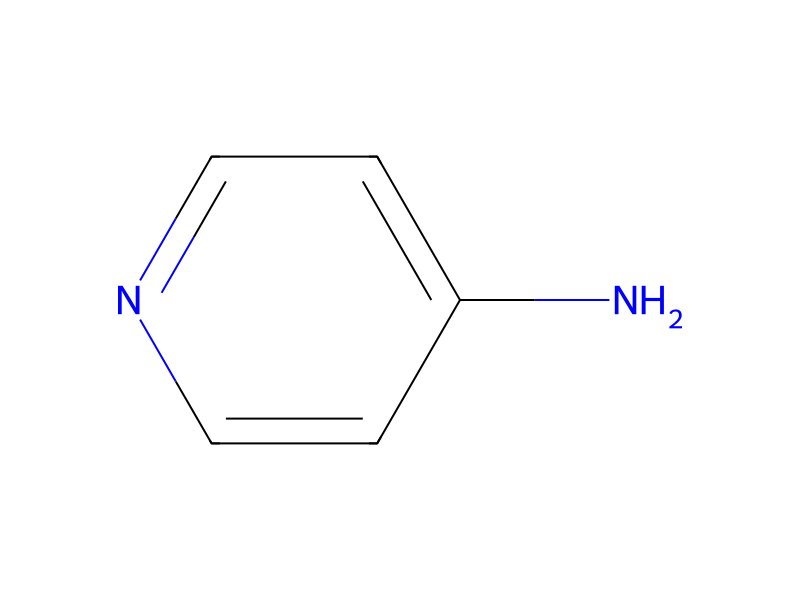
Basic information
- Standard SMILES
Nc1ccncc1- InChIKey
NUKYPUAOHBNCPY-UHFFFAOYSA-N- Molecular formula
- C5H6N2
- Average molar mass
- 94.11 g/mol
- Monoisotopic mass
- 94.05309819
Overview
Pyridine, 4-amino- is a white crystalline material with no odor. Used as an avicide, an intermediate and as a fixer for some textile dyes. (EPA, 1998) It has been approved by the FDA for use as a treatment for multiple sclerosis.
Names & identifiers
- Preferred name
- 4-Aminopyridine
- IUPAC
- pyridin-4-amine
- English name
- 4-Aminopyridine
- Molecular formula
- C5H6N2
- Molecular weight
- 94.11
Names & synonyms
4-aminopyridine504-24-5pyridin-4-amine4-PyridinamineFampridineDalfampridine4-PyridylamineAvitrolp-AminopyridineAmpyragamma-AminopyridineAmino-4 pyridine
Show more names
4-AP4-Aminopyridine,98%Amino-4-pyridine4APY
Avitrol 200FAMPYRAPhillips 1861Neurelan4 AminopyridineFampridine-SRfampridinaVMI 10-3
Database identifiers
- CAS
29212-32-6、504-24-5、916979-36-7- PubChem CID
- 1727
- DTXSID
DTXSID0023870- ChEMBL
CHEMBL284348- ChEBI
CHEBI:34385- UNII
- BH3B64OKL9
- EC Number
- 207-987-9
- Nikkaji
- J1.568G、J270.956B
Properties
Computed structural properties
- XLogP
- 0.3
- Topological polar surface area
- 38.9 Ų
- Hydrogen bond donors
- 1
- Hydrogen bond acceptors
- 2
- Rotatable bonds
- 0
- Heavy atoms
- 7
- Formal charge
- 0
- Complexity
- 48
Experimental & physicochemical properties
Chemical ClassesIndustrial compound
DrugsPharmaceuticals -> Listed in ZINC15
SpringerMaterials PropertiesCrystal structure
Pesticides
Pesticide -> EPA IRIS
Pesticides -> Avicides
LogPlog Kow = 0.32
OdorOdorless
Density
1.2607 at 77.54 °F (USCG, 1999) - Denser than water; will sink
1.2607
Color/Form
White crystals
Crystals
Fine white powder
Needles from benzene
Solubility
In water, 112 g/L at 20 °C
Soluble in ethyl ether, benzene; slightly soluble in ligroin; very soluble in ethanol
Soluble in oxygenated solvents
Soluble in methanol, acetone, tetrahydrofuran, isopropanol, acetonitrile, N,N-dimethylformamide, dimethylsulfoxide, and ethanol
Flash Point328 °F (USCG, 1999)
Human Drugs
Breastfeeding; Lactation; Neuromuscular Agents; Potassium Channel Blockers;
FDA approved drugs -> Active ingredient
EMA approved medicines: Human medicine
EMA approved medicines: Human medicine
FDA approved drugs -> Active ingredient
Boiling Point
524.3 °F at 760 mmHg (EPA, 1998)
273°C
273 °C
524.3 °F
273 °C @760 [mm Hg]
Physicochemical properties
- Melting point
- 155 · 155-158 °C (lit.)
- Boiling point
- 273 °C · 273 °C (lit.)
- Density
- 1.26 · 1.26
- vapor pressure
- 0.046 Pa · 0.046Pa at 25℃
- refractive index
- 1.556 · 1.5560 (estimate)
- Flash point
- 156 °C · 156°C
- storage temp.
- 2 · 2-8°C
- solubility
- 2 O: · H2O: soluble50mg/mL, clear, colorless
- form
- Crystalline Powder, Solid or Crystals
- pka
- 9.114 · 9.114(at 25℃)
- color
- White to faint grey to light yellow
- Water Solubility
- Soluble in water(112 g/L at 20°C). Soluble in ethyl ether, benzene. Slightly soluble in ligroin. Very soluble in ethanol. Soluble in methanol, acetone, tetrahydrofuran, isopropanol, acetonitrile, N,N-dimethylformamide, dimethylsulfoxide, and ethanol.
- Merck
- 14 · 14,3933
- BRN
- 105782 · 105782
- Henry's Law Constant
- 4.3 · 4.3×104 mol/(m3Pa) at 25℃, HSDB (2015)
- Stability
- Hygroscopic
- Major Application
- agricultureenvironmental
- InChI
- 1S/C5H6N2/c6-5-1-3-7-4-2-5/h1-4H,(H2,6,7)
- InChIKey
- NUKYPUAOHBNCPY-UHFFFAOYSA-N
- SMILES
- Nc1ccncc1
- LogP
- -0.76 at · -0.76 at pH7.4
- CAS DataBase Reference
- 504 · 504-24-5(CAS DataBase Reference)
- EWG's Food Scores
- 1 · 1
- FDA UNII
- 3 B64OKL9 · BH3B64OKL9
- ATC code
- 7 XX07 · N07XX07
- NIST Chemistry Reference
- 4 · 4-Pyridinamine(504-24-5)
- Pesticides Freedom of Information Act (FOIA)
- 4 · 4-Aminopyridine
- EPA Substance Registry System
- 4 · 4-Aminopyridine (504-24-5)
- UNSPSC Code
- 41116107 · 41116107
- NACRES
- 24 · NA.24
- Symbol(GHS)
- 6 · GHS06,GHS08,GHS09
- Signal word
- Danger
- Hazard statements
- 300 · H300-H311-H315-H319-H370-H372-H411
- Precautionary statements
- 501 · P501-P273-P260-P270-P264-P280-P391-P337+P313-P305+P351+P338-P308+P311-P361+P364-P332+P313-P301+P310+P330-P302+P352+P312-P405
- PPE
- 95 · dust mask type N95 (US), Eyeshields, Faceshields, Gloves, type P2 (EN 143) respirator cartridges
- Hazard Codes
- T+,N,T,Xi
- Risk Statements
- 28 · 28-36/37/38-51/53-23/24/25
- Safety Statements
- 26 · 26-36/37/39-45-60-61-37/39-28A-1
- RIDADR
- 2671 · UN 2671 (AMINOPYRIDINES (o-, m-, p,))
- WGK Germany
- 3 · 3
- RTECS
- 1750000 · US1750000
- F
- 8 · 8-21
- Autoignition Temperature
- 640 °C · 640 °C
- Hazard Note
- Toxic/Irritant
- TSCA
- TSCA listed
- HazardClass
- 6.1 · 6.1
- PackingGroup
- II
- HS Code
- 29333999 · 29333999
- Storage Class
- 6.1 A · 6.1A - Combustible acute toxic Cat. 1 and 2very toxic hazardous materials
- Hazard Classifications
- 2 OralAcute · Acute Tox. 2 OralAcute Tox. 3 DermalAcute Tox. 3 InhalationAquatic Chronic 2Eye Dam. 1Skin Corr. 1B
- Hazardous Substances Data
- 504 · 504-24-5(Hazardous Substances Data)
- Toxicity
- 50 orally · LD50 orally in Rabbit: 21 mg/kg
- REACH Registrations
- Active
Safety & regulation
GHS classification
GHS Classification
This chemical does not meet GHS hazard criteria for 1.2% (1 of 82) of reports.
Danger
H300 (98.8%): Fatal if swallowed [Danger Acute toxicity, oral]
P261, P262, P264, P264+P265, P270, P271, P273, P280, P301+P316, P302+P352, P304+P340, P305+P351+P338, P316, P319, P321, P330, P332+P317, P337+P317, P361+P364, P362+P364, P391, P403+P233, P405, and P501 (click each P-code to see the statement)
Aggregated GHS information provided per 82 reports by companies from 16 notifications to the ECHA C&L Inventory. Each notification may be associated with multiple companies.
H401: Toxic to aquatic life [Hazardous to the aquatic environment, acute hazard]
Hazard information
Regulatory Information
Chemical: 4-Pyridinamine
Status: Active Update: 25-09-2018 https://echa.europa.eu/registration-dossier/-/registered-dossier/25051
4-Aminopyridine: HSNO Approval: HSR004290 Approved with controls
The New Jersey Worker and Community Right to Know Act requires public and private employers to provide information about hazardous substances at their workplaces. (N.J.S.A. 34:5A-1 et. seq.)
Other Safety InformationIMAP assessments - 4-Pyridinamine: Environment tier I assessment
DOT LabelPoison
Fire HazardsMaterial may produce irritating or poisonous gases in fire. Runoff from fire control water may give off irritating or poisonous gases. (EPA, 1998)
Health Hazards
Material may be fatal if inhaled, swallowed or absorbed through skin. Contact may cause burns to skin and eyes. Material affects neural transmission. In sufficient concentrations, material may cause metabolic acidosis, respiratory arrest, and cardiac arrhythmias. (EPA, 1998)
Hazards Summary
Material may be fatal if inhaled, swallowed or absorbed through skin. Contact may cause burns to skin and eyes. Material affects neural transmission. In sufficient concentrations, material may cause metabolic acidosis, respiratory arrest, and cardiac arrhythmias. [CAMEO] Effective bird repellant as flock is frightened by distress of poisoned birds; Avitrol is a central nervous system stimulant, and as little as 60 mg causes severe poisoning in adult humans. It is readily absorbed through the skin. Symptoms of poisoning include thirst, dizziness, weakness, sweating, toxic psychosis, tremors, and seizures. Avitrol can also cause methemoglobinemia. It is an eye irritant. [EXTOXNET]
FDA RequirementsDrug Name: Ampyra; FDA Application No.: (NDA) 022250; Active Ingredient: Dalfampridine; Company: Acorda; Original Approval or Tentative Approval Date: January 22, 2010.
Reactive GroupAmines, Phosphines, and Pyridines
Special Reports
USEPA/Office of Prevention, Pesticides and Toxic Substances; Reregistration Eligibility Decision Document - 4-Aminopyridine, 738-R-07-013 (September 2007). The RED summarizes the risk assessment conclusions and outlines any risk reduction measures necessary for the pesticide to continue to be registered in the U.S.[Available from, as of March 25, 2014: http://www.epa.gov/pesticides/reregistration/status.htm]
RCRA Requirements
P008: As stipulated in 40 CFR 261.33, when 4-aminopyridine, as a commercial chemical product or manufacturing chemical intermediate or an off-specification commercial chemical product or a manufacturing chemical intermediate, becomes a waste, it must be managed according to federal and/or state hazardous waste regulations. Also defined as a hazardous waste is any container or inner liner used to hold this waste or any residue, contaminated soil, water, or other debris resulting from the cleanup of a spill, into water or on dry land, of this waste. Generators of small quantities of this waste may qualify for partial exclusion from hazardous waste regulations (40 CFR 261.5(e)).
TSCA Requirements
Section 8(a) of TSCA requires manufacturers of this chemical substance to report preliminary assessment information concerned with production, exposure, and use to EPA as cited in the preamble in 51 FR 41329. Effective date: 1/6/05; Reporting date: 3/7/05.
FIFRA Requirements
The Agency has completed its assessment of the human health and ecological risks associated with the use of pesticide products containing 4-AP. The Agency has determined that 4-AP-containing products are eligible for reregistration provided the risk mitigation measures outlined in this document are adopted and label amendments are made to implement these mitigation measures ... Should a registrant fail to implement any of the reregistration requirements identified in this document, the Agency may take regulatory action to address these concerns.
4-Aminopyridine (4-AP) was originally registered in the United States in January 1972. A Registration Standard Guidance Document was issued in September 1980 ... At the time of the Registration Standard, 4-AP was used on food crops as well as nesting and feeding areas to control nuisance birds. Several ecological toxicity, mammalian, environmental fate, and residue chemistry studies were required in a September 1980 data call-in. ... On October 27, 2004, a Federal Register Notice was published that cancelled 4-AP products with food uses (69 FR 62666) (FRL-7683-7) based on a request from the registrant. A Federal Register Notice published September 21, 2005 announced the revocation of all 4-AP tolerances. The effective date for these revocations was January 15, 2006. Subsequent to the revocation of 4-AP tolerances, the registrant requested a waiver for the outstanding data requirements based on low volume and minor use classification of the subject active ingredient and its use pattern. Based on the low potential for workers reentering the treated area to experience dermal contact with the residues of 4-AP, the Agency granted the waiver request. In 2007 the 4-AP registrant requested voluntary cancellation of all labels for products formulated as powder. Additionally, the registrant has requested voluntary cancellation for the only two 4-AP registrations remaining with uses around growing crops, and the only 4-AP registration with gull species as target pests. Thus, only the 4-AP labels for products formulated as bait have been considered for reregistration.
As the federal pesticide law FIFRA directs, EPA is conducting a comprehensive review of older pesticides to consider their health and environmental effects and make decisions about their continued use. Under this pesticide reregistration program, EPA examines newer health and safety data for pesticide active ingredients initially registered before November 1, 1984, and determines whether the use of the pesticide does not pose unreasonable risk in accordance to newer safety standards, such as those described in the Food Quality Protection Act of 1996. 4-Aminopyridine is found on List A, which contains most pesticides that are used on foods and, hence, have a high potential for human exposure. List A consists of the 194 chemical cases (or 350 individual active ingredients) for which EPA issued registration standards prior to FIFRA '88. Case No: 0015; Pesticide type: rodenticide (bird repellent); Registration Standard Date: 9/01/80; Case Status: Pre-Reregistration Eligibility Document (RED), OPP is reviewing data from the pesticide's producers regarding its human health and/or environmental effects, or OPP is determining the pesticide's eligibility for reregistration and developing the RED document.; Active ingredient (AI): 4-aminopyridine; Data Call-in (DCI) Date(s): 2/22/91, 10/13/95; AI Status: The producers of the pesticide have made commitments to conduct the studies and pay the fees required for reregistration, and are meeting those commitments in a timely manner.
Safety & protection
Fire Fighting
Wear positive pressure self-contained breathing apparatus and special protective clothing. Move container from fire area if you can do so without risk. Fight fire from maximum distance possible. Control runoff water with dikes and prevent material from scattering.
First AidWarning: Ingestion of as little as 0.6 mg/kg may produce toxic symptoms that require hospitalization.
Fire Fighting Procedures
Suitable extinguishing media: Use water spray, alcohol-resistant foam, dry chemical or carbon dioxide. Special protective equipment for firefighters: Wear self contained breathing apparatus for fire fighting if necessary.
If material on fire or involved in fire: Extinguish fire using agent suitable for type of surrounding fire. (Material itself does not burn or burns with difficulty.) Use water in flooding quantities as fog. Use foam, dry chemical, or carbon dioxide. Keep run-off water out of sewers and water sources. /Aminopyridines/
Storage ConditionsKeep container tightly closed in a dry and well-ventilated place.
Cleanup Methods
Personal precautions: Wear respiratory protection. Avoid dust formation. Avoid breathing vapours, mist or gas. Ensure adequate ventilation. Evacuate personnel to safe areas. Avoid breathing dust. Environmental precautions: Prevent further leakage or spillage if safe to do so. Do not let product enter drains. Discharge into the environment must be avoided. Methods and materials for containment and cleaning up: Pick up and arrange disposal without creating dust. Sweep up and shovel. Keep in suitable, closed containers for disposal.
Nonfire Spill ResponseKeep unnecessary people away; isolate the hazardous area and deny entry. Stay upwind. Do not touch spilled material; stop leak if possible without risk. Use water spray to reduce vapors.
Disposal Methods
Generators of waste (equal to or greater than 100 kg/mo) containing this contaminant, EPA hazardous waste number P008, must conform with USEPA regulations in storage, transportation, treatment and disposal of waste.
Product: Offer surplus and non-recyclable solutions to a licensed disposal company. Contact a licensed professional waste disposal service to dispose of this material. Dissolve or mix the material with a combustible solvent and burn in a chemical incinerator equipped with an afterburner and scrubber. Contaminated packaging: Dispose of as unused product.
A potential candidate for rotary kiln incineration at a temperature range of 820 to 1,600 °C and residence times of seconds for liquids and gases, and hours for solids. A potential candidate for fluidized bed incineration at a temperature range of 450 to 980 °C and residence times of seconds for liquids and gases, and longer for solids.
Preventive Measures
SRP: The scientific literature for the use of contact lenses by industrial workers is inconsistent. The benefits or detrimental effects of wearing contact lenses depend not only upon the substance, but also on factors including the form of the substance, characteristics and duration of the exposure, the uses of other eye protection equipment, and the hygiene of the lenses. However, there may be individual substances whose irritating or corrosive properties are such that the wearing of contact lenses would be harmful to the eye. In those specific cases, contact lenses should not be worn. In any event, the usual eye protection equipment should be worn even when contact lenses are in place.
If material not on fire and not involved in fire: Keep sparks, flames, and other sources of ignition away. Keep material out of water sources and sewers. /Aminopyridines/
Personnel protection: Avoid breathing dusts, and fumes from burning material. Keep upwind. ... Avoid bodily contact with the material. ... Do not handle broken packages unless wearing appropriate personal protective equipment. /Aminopyridines/
Avoid contact with skin and eyes. Avoid formation of dust and aerosols. Provide appropriate exhaust ventilation at places where dust is formed. Normal measures for preventive fire protection.
For more Preventive Measures (Complete) data for 4-AMINOPYRIDINE (6 total), please visit the HSDB record page.
Isolation and EvacuationExcerpt from ERG Guide 153 [Substances - Toxic and/or Corrosive (Combustible)]:
Protective Action Criteria (PAC)
0.063 [mg/m3]
0.69 [mg/m3]
4.2 [mg/m3]
Personal Protective Equipment (PPE)
For emergency situations, wear a positive pressure, pressure-demand, full facepiece self-contained breathing apparatus (SCBA) or pressure- demand supplied air respirator with escape SCBA and a fully-encapsulating, chemical resistant suit. (EPA, 1998)
Approved respirator. Chemical-resistant gloves. long-sleeved shirt and long pants.
Depending on the extent of possible contact, workers should be provided with personal protective equipment. A charcoal gas mask canister respirator has been found to be effective against a 2% pyridine concentration at 30 l/min for 1 hr. Rubber and plastic gloves should not be relied upon to prevent skin contact because pyridine and many of its derivatives penetrate these materials ... . /Pyridine, homologs, and derivatives/
Hand protection: Handle with gloves.
Respiratory protection: Where risk assessment shows air-purifying respirators are appropriate use a full-face particle respirator type N100 (US) or type P3 (EN 143) respirator cartridges as a backup to engineering controls. If the respirator is the sole means of protection, use a full-face supplied air respirator. Use respirators and components tested and approved under appropriate government standards such as NIOSH (US) or CEN (EU).
For more Personal Protective Equipment (PPE) (Complete) data for 4-AMINOPYRIDINE (6 total), please visit the HSDB record page.
Toxicology
Treatment
Administer charcoal as a slurry. Consider gastric lavage after ingestion of a potentially life-threatening amount of poison if it can be performed soon after ingestion (generally within 1 hour). Protect airway by placement in Trendelenburg and left lateral decubitus position or by endotracheal intubation. Control any seizures first. Following inhalation, move patient to fresh air and monitor for respiratory distress. If cough or difficulty breathing develops, evaluate for respiratory tract irritation, bronchitis, or pneumonitis. Administer oxygen and assist ventilation as required. Treat bronchospasm with inhaled beta2 agonist and oral or parenteral corticosteroids. In case of eye exposure, irrigate exposed eyes with copious amounts of room temperature water for at least 15 minutes. If the exposure occurs through dermal exposure, remove contaminated clothing and wash exposed area thoroughly with soap and water. (T36)
Interactions
The depressant effects of morphine (0.1-1 uM) on sensory-evoked dorsal-horn network responses in explants of mouse spinal cord with attached dorsal root ganglia (DRGs) were rapidly restored after addition of 4-aminopyridine (4-AP; 0.1 mM) and major components of these cord responses were stably maintained in the presence of the opiate. Moreover, prior exposure of cord-DRG explants to 0.1 mM 4-AP prevented the depressant effects of 0.1 uM morphine on DRG-evoked dorsal-horn responses, and the effects of 1-10 uM morphine were at least partly antagonized. Increased Ca++ levels (5 uM) attenuated the depression of dorsal horn responses by 1-10 uM morphine and these effects of Ca++ were greatly enhanced in the presence of 4-AP--in some cultures, concentrations of morphine as high as 100 uM were strongly antagonized during test periods up to 2 hours. Receptor assays showed that 0.1 mM 4-AP +/- 5 mM Ca++ had no effect on stereospecific opiate binding, indicating that the antagonist actions of these agents in our cultures do not occur at the level of the opiate receptor. The relevance of our in vitro studies of 4-AP antagonism of opiate-depressant effects on sensory-evoked dorsal-horn network responses for analyses of problems in opiate analgesia has been strengthened by a recent report demonstrating that 4-AP does, in fact, reverse morphine analgesia in rats, as determined by tail flick tests.
The treatment of verapamil toxicity was examined in lightly sedated dogs. Verapamil, administered as a bolus (0.72 mg/kg) followed by a continuous infusion (0.11 mg/kg/min), decreased cardiac output (CO) ... heart rate (HR) ... left ventricular derivative of pressure with respect to time (LV dP/dt) ... mean aortic pressure (AO) ... and stroke volume. ... 4-Aminopyridine (4-AP) increased heart rate, cardiac output, LV dP/dt, and mean aortic pressure. When administered prior to verapamil, 4-AP prevented the development of verapamil toxicity as shown by the significantly higher mean aortic pressure (P less than 0.001), cardiac output (P less than 0.01), and LV dP/dt (P less than 0.01) when 4-AP followed by verapamil was compared to verapamil alone. In conclusion, there does not appear to be a single specific therapy for verapamil toxicity, however it can be partially correctedly presently available pharmacologic therapy and 4-AP.
Because of increased risk of dose-related adverse effects, dalfampridine should not be used in patients receiving other aminopyridines, including extemporaneously prepared formulations; dalfampridine formerly was known as fampridine (4-aminopyridine, 4-AP). Prior to initiation of dalfampridine therapy, any product containing fampridine or 4-aminopyridine should be discontinued, since the active ingredient is the same.
Health EffectsConditions associated with overdose have included parasthesias, seizures, and atrial fibrillation. Human systemic effects by ingestion include hallucinations and distorted perceptions, and dyspnea (L1082).
Hepatotoxicity
Dalfampridine has been associated with infrequent serum aminotransferase elevations during therapy and has not been convincingly linked to instances of clinically apparent liver injury. In analyses of safety of dalfampridine in pre-registration controlled trials with 1922 patients with multiple sclerosis, there were no reports of hepatic injury or laboratory evidence of a hepatotoxicity signal. Among a few instances of clinically apparent liver injury in patients receiving dalfampridine have appeared in the published literature, in each instance attribution to dalfampridine was not convincing. In large registries of patients taking dalfampridine, hepatic adverse events have not been reported. Finally, in large prospectively collected registries of drug-induced liver injury, there have been no cases attributed to dalfampridine or other formulations of fampridine.
Ecotoxicity Values
LD50; Species: /Anas platyrhynchos/ (Mallard) male, age 3-4 mos; oral 4.36 mg/kg (95% confidence limits: 3.36 - 5.66 mg/kg)
LD50; Species: /Anas platyrhynchos/ (Mallard) male, age 3-4 mos; oral 5.19 mg/kg (95% confidence limits: 4.00 - 6.73 mg/kg)
LC50; Species: Coturnix coturnix (Quail) adult, captive breeding colony; chemical incorporated into food 479 ppm for 28 days (95% confidence interval: 354-645 ppm)
LC50; Species: Coturnix coturnix (Quail) adult, captive breeding colony; chemical incorporated into food >316 ppm for 40 days
For more Ecotoxicity Values (Complete) data for 4-AMINOPYRIDINE (26 total), please visit the HSDB record page.
Environmental Fate
TERRESTRIAL FATE: Based on a classification scheme(1), an estimated Koc value of 39(SRC), determined from a structure estimation method(2), indicates that 4-aminopyridine is expected to have very high mobility in soil(SRC). The pKa of 4-aminopyridine is 9.17(3), indicating that this compound will exist predominantly in cation form in the environment and cations generally adsorb more strongly to soils containing organic carbon and clay than their neutral counterparts(4). In addition, aromatic amines are expected to bind strongly to humus or organic matter in soils due to the high reactivity of the aromatic amino group(5,6), suggesting that mobility may be much lower in some soils(SRC). Volatilization of 4-aminopyridine from moist soil surfaces is not expected to be an important fate process(SRC) given an estimated Henry's Law constant of 2.3X10⁻¹⁰ atm-cu m/mole(SRC), derived from its vapor pressure, 2.09X10⁻⁴ mm Hg(7), and water solubility, 1.12X10+5 mg/L(7). Although 4-aminopyridine's vapor pressure suggests volatilization from dry soil surfaces will not be an important fate process(SRC), a screening study using sterilized soil measured a 14.9% loss of 4-aminopyridine to volatilization over a 64-day observation period(8). Aerobic and anaerobic degradation occurs very slowly in soil(8,9). Aerobic biotic half-lives of 4-aminopyridine in soil are reported to range between 3 and 32 months(7).
AQUATIC FATE: Based on a classification scheme(1), an estimated Koc value of 45(SRC), determined from an estimation method(2), indicates that 4-aminopyridine is not expected to adsorb to suspended solids and sediment in water(SRC). The pKa of 4-aminopyridine is 9.17(3), indicating that this compound will exist predominantly in cation form in the environment and cations generally adsorb more strongly to soils containing organic carbon and clay than their neutral counterparts(4). In addition, aromatic amines are expected to bind strongly to humus or organic matter due to the high reactivity of the aromatic amino group(5,6), suggesting that some adsorption to suspended solids and sediment may occur(SRC). Volatilization from water surfaces is not expected(7) based upon an estimated Henry's Law constant of 2.3X10⁻¹⁰ atm-cu m/mole(SRC), derived from its vapor pressure, 2.09X10⁻⁴ mm Hg(8), and water solubility, 1.12X10+5 mg/L(8). According to a classification scheme(9), a BCF range of <0.2-7.2 measured in carp (Cyprinus carpio)(10) suggests the potential for bioconcentration in aquatic organisms is low. A 0% of theoretical BOD using activated sludge in the Japanese MITI test(10) suggests that 4-aminopyridine is not readily biodegradable under environmental conditions(SRC). Another screening test found very slow biodegradation in both aerobic and anaerobic conditions(11). 4-Aminopyridine is expected to be stable to hydrolysis under environmental conditions(8). Aromatic amines are susceptible to sensitized photo-oxidation via peroxy, hydroxyl and singlet oxygen radicals in natural waters exposed to sunlight with shallow surface water half-lives on the order of one month(12); therefore, some sensitized photo-oxidation of 4-aminopyridine may occur in natural water(SRC).
ATMOSPHERIC FATE: According to a model of gas/particle partitioning of semivolatile organic compounds in the atmosphere(1), 4-aminopyridine, which has a vapor pressure of 2.09X10⁻⁴ mm Hg at 20 °C(2), is expected to exist solely as a vapor in the ambient atmosphere. Vapor-phase 4-aminopyridine is degraded in the atmosphere by reaction with photochemically-produced hydroxyl radicals(SRC); the half-life for this reaction in air is estimated to be 19 hrs(SRC), calculated from its rate constant of 2.0X10⁻¹¹ cu cm/molecule-sec at 25 °C(SRC), determined using a structure estimation method(3). 4-Aminopyridine absorbs UV light above 290 nm(4), but it is reported to be stable to direct photolysis(5).
Food Survey Values4-Aminopyridine was identified as a volatile component of baked potatoes(1).
Adverse EffectsNeurotoxin - Other CNS neurotoxin
Exposure Routes
Inhalation (T52, T14) ; oral (T52, T14) ; dermal (T52, T14) ; intravenous (T52, T14) Orally-administered dalfampridine is rapidly and completely absorbed from the gastrointestinal tract. Tmax, immediate release form = 1 hour; Tmax, extended release form = 3.5 hours; Cmax, 10 mg extended release = 17.3 - 21.6 ng/mL; Relative bioavailability of 10 mg extended-release tablets compared to aqueous oral solution = 96%
Toxicity Summary
4-Aminopyridine blocks potassium channels and thereby increases acetylcholine, and possibly noradrenaline, release at nerve terminals (A316). In MS, axons are progressively demyelinated which exposes potassium channels. As a result, there is a leak of potassium ions which results in the repolarization of cells and a decrease in neuronal excitability. The overall impact is the impairment of neuromuscular transmission as it is harder to trigger an action potential. Dalfampridine inhibits voltage-gated potassium channels in the CNS to maintain the transmembrane potential and prolong action potential. In other words, dalfampridine works to make sure that the current available is high enough to stimulate conduction in demyelinated axons that are exposed in MS patients. Furthermore, it facilitates neuromuscular and synaptic transmission by relieving conduction blocks in demyelinated axons.
Ecotoxicity Excerpts
/BIRDS and MAMMALS/ ... Non-target species including mammals are equally sensitive to the toxicity of avitrol. In mammals, avitrol produces symptoms like epileptic seizures. Doses near LD50 exert a usual sequence of symptoms including hyperexcitability, salivation, tremors, muscle incoordination, convulsion, and cardiac and respiratory failure. Most of these symptoms are associated with hypercholinergic activity. In general, onset of signs occurs within 10-15 min and death occurs within 15 min to 4 hr. ... Predators such as raptors, foxes, hawks, cats and dogs die from secondary poisoning after feeding on the dead or dying birds. Secondary poisoning has also been found in endangered birds, including red-tailed hawks and peregrine falcons, as they died by ingesting the remains of pigeons and other birds poisoned with avitrol.
Signs and Symptoms
Local irritation on contact with the skin, mucous membranes and cornea. Symptoms floowing ingestion include vomiting, Weakness, dizziness, disorientation, hyperexcitability, tremors, periorbital paresthesias and tonic-clonic seizures may be noted (T36, T52, T14).
Regulatory information
FDA RequirementsDrug Name: Ampyra; FDA Application No.: (NDA) 022250; Active Ingredient: Dalfampridine; Company: Acorda; Original Approval or Tentative Approval Date: January 22, 2010.
RCRA Requirements
P008: As stipulated in 40 CFR 261.33, when 4-aminopyridine, as a commercial chemical product or manufacturing chemical intermediate or an off-specification commercial chemical product or a manufacturing chemical intermediate, becomes a waste, it must be managed according to federal and/or state hazardous waste regulations. Also defined as a hazardous waste is any container or inner liner used to hold this waste or any residue, contaminated soil, water, or other debris resulting from the cleanup of a spill, into water or on dry land, of this waste. Generators of small quantities of this waste may qualify for partial exclusion from hazardous waste regulations (40 CFR 261.5(e)).
TSCA Requirements
Section 8(a) of TSCA requires manufacturers of this chemical substance to report preliminary assessment information concerned with production, exposure, and use to EPA as cited in the preamble in 51 FR 41329. Effective date: 1/6/05; Reporting date: 3/7/05.
FIFRA Requirements
The Agency has completed its assessment of the human health and ecological risks associated with the use of pesticide products containing 4-AP. The Agency has determined that 4-AP-containing products are eligible for reregistration provided the risk mitigation measures outlined in this document are adopted and label amendments are made to implement these mitigation measures ... Should a registrant fail to implement any of the reregistration requirements identified in this document, the Agency may take regulatory action to address these concerns.
4-Aminopyridine (4-AP) was originally registered in the United States in January 1972. A Registration Standard Guidance Document was issued in September 1980 ... At the time of the Registration Standard, 4-AP was used on food crops as well as nesting and feeding areas to control nuisance birds. Several ecological toxicity, mammalian, environmental fate, and residue chemistry studies were required in a September 1980 data call-in. ... On October 27, 2004, a Federal Register Notice was published that cancelled 4-AP products with food uses (69 FR 62666) (FRL-7683-7) based on a request from the registrant. A Federal Register Notice published September 21, 2005 announced the revocation of all 4-AP tolerances. The effective date for these revocations was January 15, 2006. Subsequent to the revocation of 4-AP tolerances, the registrant requested a waiver for the outstanding data requirements based on low volume and minor use classification of the subject active ingredient and its use pattern. Based on the low potential for workers reentering the treated area to experience dermal contact with the residues of 4-AP, the Agency granted the waiver request. In 2007 the 4-AP registrant requested voluntary cancellation of all labels for products formulated as powder. Additionally, the registrant has requested voluntary cancellation for the only two 4-AP registrations remaining with uses around growing crops, and the only 4-AP registration with gull species as target pests. Thus, only the 4-AP labels for products formulated as bait have been considered for reregistration.
As the federal pesticide law FIFRA directs, EPA is conducting a comprehensive review of older pesticides to consider their health and environmental effects and make decisions about their continued use. Under this pesticide reregistration program, EPA examines newer health and safety data for pesticide active ingredients initially registered before November 1, 1984, and determines whether the use of the pesticide does not pose unreasonable risk in accordance to newer safety standards, such as those described in the Food Quality Protection Act of 1996. 4-Aminopyridine is found on List A, which contains most pesticides that are used on foods and, hence, have a high potential for human exposure. List A consists of the 194 chemical cases (or 350 individual active ingredients) for which EPA issued registration standards prior to FIFRA '88. Case No: 0015; Pesticide type: rodenticide (bird repellent); Registration Standard Date: 9/01/80; Case Status: Pre-Reregistration Eligibility Document (RED), OPP is reviewing data from the pesticide's producers regarding its human health and/or environmental effects, or OPP is determining the pesticide's eligibility for reregistration and developing the RED document.; Active ingredient (AI): 4-aminopyridine; Data Call-in (DCI) Date(s): 2/22/91, 10/13/95; AI Status: The producers of the pesticide have made commitments to conduct the studies and pay the fees required for reregistration, and are meeting those commitments in a timely manner.
CERCLA Reportable Quantities
Persons in charge of vessels or facilities are required to notify the National Response Center (NRC) immediately, when there is a release of this designated hazardous substance, in an amount equal to or greater than its reportable quantity of 1000 lb or 454 kg. The toll free number of the NRC is (800) 424-8802. The rule for determining when notification is required is stated in 40 CFR 302.4 (section IV. D.3.b).
Releases of CERCLA hazardous substances are subject to the release reporting requirement of CERCLA section 103, codified at 40 CFR part 302, in addition to the requirements of 40 CFR part 355. 4-Aminopyridine is an extremely hazardous substance (EHS) subject to reporting requirements when stored in amounts in excess of its threshold planning quantity (TPQ) of 500 or 10,000 lbs. Extremely hazardous substances that are solids are subject to either of two threshold planning quantities ... The lower quantity applies only if the solid exists in powdered form and has a particle size less than 100 microns; or is handled in solution or in molten form; or meets the criteria for a National Fire Protection Association (NFPA) rating of 2, 3 or 4 for reactivity. If the solid does not meet any of these criteria, it is subject to the upper ... threshold planning quantity ... .
Safety data
- F
- 8-21
- PPE
- dust mask type N95 (US), Eyeshields, Faceshields, Gloves, type P2 (EN 143) respirator cartridges
- wgk
- 3
- tsca
- TSCA listed
- rtecs
- US1750000
- ridadr
- UN 2671 (AMINOPYRIDINES (o-, m-, p,))
- hs_code
- 29333999
- Toxicity
- LD50 orally in Rabbit: 21 mg/kg
- risk_code
- 28-36/37/38-51/53-23/24/25
- Signal word
- Danger
- Symbol(GHS)
- GHS06,GHS08,GHS09
- hazard_code
- T+,N,T,Xi
- hazard_note
- Toxic/Irritant
- safety_code
- 26-36/37/39-45-60-61-37/39-28A-1
- hazard_class
- 6.1
- Storage Class
- 6.1A - Combustible acute toxic Cat. 1 and 2very toxic hazardous materials
- packing_group
- II
- Hazard statements
- H300-H311-H315-H319-H370-H372-H411
- REACH Registrations
- Active
- Hazard Classifications
- Acute Tox. 2 OralAcute Tox. 3 DermalAcute Tox. 3 InhalationAquatic Chronic 2Eye Dam. 1Skin Corr. 1B
- Autoignition Temperature
- 640 °C
- Precautionary statements
- P501-P273-P260-P270-P264-P280-P391-P337+P313-P305+P351+P338-P308+P311-P361+P364-P332+P313-P301+P310+P330-P302+P352+P312-P405
- Hazardous Substances Data
- 504-24-5(Hazardous Substances Data)
Chemistry & industry
Pharmacology
ATC Code
N07XX07
N - Nervous system
QN - Nervous system
Protein Binding10 mg extended release = 1-3% protein bound
Pharmacodynamics
Dalfampridine is a board-spectrum lipophillic potassium channel blocker and binds favourably to the open state than closed state of the potassium channel in the CNS. Its pharmacological target are the potassium channels exposed in MS patients. Does not prolong the QTc interval.
Mechanism of Action
In MS, axons are progressively demyelinated which exposes potassium channels. As a result, there is a leak of potassium ions which results in the repolarization of cells and a decrease in neuronal excitability. The overall impact is the impairment of neuromuscular transmission as it is harder to trigger an action potential. Dalfampridine inhibits voltage-gated potassium channels in the CNS to maintain the transmembrane potential and prolong action potential. In other words, dalfampridine works to make sure that the current available is high enough to stimulate conduction in demyelinated axons that are exposed in MS patients. Furthermore, it facilitates neuromuscular and synaptic transmission by relieving conduction blocks in demyelinated axons.
Electrophysiological dysfunction of Purkinje cells causes cerebellar ataxia. Recent studies indicated that 4-aminopyridine (4-AP) can prevent the attacks in patients with episodic ataxia type 2. However, the cellular mechanism(s) by which 4-AP might be beneficial for the improvement of motor function remain unclear. Here, electrophysiological and behavioral consequences of in vivo co-treatment with 4-AP against 3-acetylpyridine (3-AP)-induced ataxia in rats were assessed. Combined treatment with 4-AP partially improved motor behavior compared to the ataxic rats. Treatment with 3-AP alone induced plastic alterations in the cells' intrinsic properties, so that the latency of the initial neural spike was significantly increased (Pb 0.001); however, both instantaneous firing frequency and amplitude of calcium spikes were significantly (Pb 0.001) suppressed. 3-AP treatment also resulted in significant decrease in the duration of action potential (Pb 0.05) and the amplitude of after hyperpolarization (Pb 0.05) as well as post-stimulus hyperpolarization potentials (Pb 0.001). Purkinje cells in rats co-treated with 4-AP, however, fired predominantly in rhythmic bursts. The mean amplitude of Ca2+ spikes was significantly (Pb 0.001) greater compared to ataxic rats, but similar to control value. As evidenced by a significant decrease (Pb 0.001) in the first spike latency, the cells' intrinsic excitability was also increased. In 4-AP co-treated group, the duration of action potential was also significantly lengthened (Pb 0.001) compared to control and 3-AP group. These results suggest that modulation of intrinsic electrical properties and potentiation of Ca2+ channels function caused by in vivo 4-AP treatment is likely to be partly responsible for its neuroprotective action.
4-Aminopyridine enhances the release of acetylcholine pre synaptically, increasing the force of muscle contraction. It antagonizes the neuromuscular blockade produced by many antibiotics. 4-Aminopyridine is relatively free of muscarinic side effects." 4-Aminopyridine readily crosses the blood brain barrier. It may be useful as an antagonist of nondepolarizing neuromuscular blocking agents such as d-tubocurarine, gallamine, pancuronium, atracurium, vecuronium, doxacurium, and pipecuronium.
4-Aminopyridine blocks potassium ion channels and increases acetylcholine (ACh) levels at the synapses and neuromuscular junctions.
4-Aminopyridine block voltage-dependent potassium channels, producing secondary effects on calcium channels and influx of the cation, and this promotes release of acetylcholine.
For more Mechanism of Action (Complete) data for 4-AMINOPYRIDINE (11 total), please visit the HSDB record page.
Biological Half-Life
Immediate release form = 3.5 hours; Extended release form = 5.47 hours;
Elimination of fampridine was in a similar range between rats and dogs with a plasma half-life of 1-2 hr, but was slightly prolonged in humans.
The half-life of dalfampridine is 5.2-6.5 hours. The half-life of 3-hydroxy-4-aminopyridine sulfate is 7.6 hours. /in humans/
Metabolism/Metabolites
Not extensively metabolized by the liver therefore drugs effecting the cytochrome P450 enzyme system that are concomitantly administered with dalfampridine are not expected to interact with each other. Metabolites include 3-hydroxy-4-aminopyridine and 3-hydroxy-4-aminopyridine sulfate and both are inactive. CYP2E1 is the enzyme responsible for 3-hydroxylation of dalfampridine.
The specific enzymes involved in the metabolism of fampridine were not identified in laboratory animals, but based on human microsome studies; it was suggested that CYP2E1 could be responsible for hydroxylation in man. In rat, approximately 36% of the parent drug was removed by hepatic first-pass metabolism. Fampridine was metabolized primarily by hydroxylation, followed by sulfate conjugation. Two circulating metabolites were detected in mouse, rat, rabbit, dog and human plasma: 3-hydroxy-4-AP and 3-hydroxy-4-AP sulfate. Although these metabolites were identified in all species, more extensive metabolism was determined in rats and dogs than in humans. In mouse and rat plasma, it was demonstrated that 4-AP-N-oxide was also a circulating metabolite. In human plasma, two unidentified metabolites were present; however, these metabolites accounted for <2% of the radioactivity.
A small portion of dalfampridine dose is metabolized by cytochrome P-450 (CYP) isoenzymes to 3-hydroxy-4-aminopyridine and 3-hydroxy-4-aminopyridine sulfate. These metabolites have no pharmacologic activity on potassium channels. In vitro studies indicate CYP2E1 is the major enzyme responsible for 3-hydroxylation of dalfampridine; other unidentified CYP enzymes play a minor role in 3-hydroxylation of the drug.
Not extensively metabolized by the liver therefore drugs effecting the cytochrome P450 enzyme system that are concomitantly administered with dalfampridine are not expected to interact with each other. 4-Aminopyridine is rapidly absorbed into the bloodstream from the gastrointestinal tract. It is readily broken down, or metabolized, in the liver into removable compounds excreted in urine. After intravenous and oral absoprtion, the metabolites were almost all excreted in the urine. It does not to concentrate or accumulate in skin. 4-Aminopyridine is excreted in urine and rapidly detoxified in the liver (T48, L1090). Metabolites include 3-hydroxy-4-aminopyridine and 3-hydroxy-4-aminopyridine sulfate and both are inactive. CYP2E1 is the enzyme responsible for 3-hydroxylation of dalfampridine. Route of Elimination: Almost all of the dose and its metabolites are completely eliminated by the kidneys after 24 hours. Urine (96%; 90% of total dose as unchanged drug); Feces (0.5%) Half Life: Immediate release form = 3.5 hours; Extended release form = 5.47 hours;
FDA Pharmacological Classification
BH3B64OKL9
DALFAMPRIDINE
Established Pharmacologic Class [EPC] - Potassium Channel Blocker
Mechanisms of Action [MoA] - Potassium Channel Antagonists
Dalfampridine is a Potassium Channel Blocker. The mechanism of action of dalfampridine is as a Potassium Channel Antagonist.
DALFAMPRIDINE
MeSH Pharmacological ClassificationA class of drugs that act by inhibition of potassium efflux through cell membranes. Blockade of potassium channels prolongs the duration of ACTION POTENTIALS. They are used as ANTI-ARRHYTHMIA AGENTS and VASODILATOR AGENTS.
Absorption, Distribution and Excretion
Orally-administered dalfampridine is rapidly and completely absorbed from the gastrointestinal tract. Tmax, immediate release form = 1 hour; Tmax, extended release form = 3.5 hours; Cmax, 10 mg extended release = 17.3 - 21.6 ng/mL; Relative bioavailability of 10 mg extended-release tablets compared to aqueous oral solution = 96%
Almost all of the dose and its metabolites are completely eliminated by the kidneys after 24 hours. Urine (96%; 90% of total dose as unchanged drug); Feces (0.5%)
10 mg extended release = 2.6 L/kg
Like other aminopyridines, 4-aminopyridine is rapidly absorbed from the gastrointestinal tract into circulation. The compound is readily metabolized in the liver and metabolites are excreted in urine. About 90% of the administered dose, following IV or oral administration, excretes in the urine.
Dalfampridine is rapidly and completely absorbed from the GI tract.
The bioavailability of dalfampridine extended-release tablets is 96% compared with an extemporaneously prepared aqueous oral solution of immediate-release dalfampridine (formerly known as fampridine (4-aminopyridine, 4-AP)). Dalfampridine extended-release tablets result in delayed absorption and a slower increase to lower peak plasma concentrations compared with an aqueous oral solution of the drug, but the extent of absorption (area under the concentration-time curve (AUC)) is not affected. Plasma concentrations and AUC of dalfampridine increase proportionally with dose.
Uses & manufacturing
Uses
Used as a chemical intermediate, a bird repellant, and a medication; [HSDB] A potassium channel blocker that is used primarily in research, but also in medicine to treat Lambert-Eaton syndrome and multiple sclerosis; [ChemIDplus] Used as an avicide, an intermediate, and textile dye fixative; [CAMEO]
Farming (Pesticides) [Category: Industry]
For 4-aminopyridine (USEPA/OPP Pesticide Code: 069201) ACTIVE products with label matches. /SRP: Registered for use in the USA but approved pesticide uses may change periodically and so federal, state and local authorities must be consulted for currently approved uses./
/Chemical/ intermediate
Avicide
Control of sparrows, pigeons, starlings, crows and other birds which create a public nuisance
Methods of Manufacturing
... Produced from the corresponding pyridinecarboxamides and sodium hypochlorite in alkaline solution.
Pyridine is aminated on heating with sodium amide in N,N-dimethylaniline at 180 °C.
Pyridine (peroxidation/ nitration/ nitro reduction)
Nicotinamide and isonicotinamide undergo Hofmann rearrangements to form 3- and 4-aminopyridine, respectively. This provides an important route for the manufacture of these amines.
Formulations/Preparations
Impregnated bait: whole corn, chopped corn, and mixed grains. Powder: powder mix and concentrate; the registrant has requested voluntary cancellation for all powder uses.
Powder concentrate.
Grades: 95% (minimum)
Avitrol Mixed Grains (Avitrol Corporation): Active ingredient: 4-Aminopyridine 0.5%.
For more Formulations/Preparations (Complete) data for 4-AMINOPYRIDINE (9 total), please visit the HSDB record page.
General Manufacturing Information
4-Pyridinamine: ACTIVE
The majority of 4-AP is applied in urban areas to control nuisance pigeons and sparrows, with smaller usage in cattle feedlots for sparrows. Based on usage information provided by the registrant, total annual domestic usage of 4-AP is under 250 pounds. Pigeons are the most frequently targeted species, followed in frequency by starlings, crows, grackles, blackbirds, and sparrows.
Applications
Description4-Aminopyridine (4-AP, fampridine, dalfampridine) is the first drug approved by the FDA to improve walking in patients with multiple sclerosis (MS). Dalfampridine is a voltage-gated potassium channel blocker that readily penetrates the CNS and increases the conduction and duration of action potential across nerve fibers resulting in enhanced functionality as observed in the walking speed of MS patients.Besides, it has repellent–toxicant properties for birds.
UsesAvitrol (4-aminopyridine), has repellent–toxicant properties for birds and is classed as a severe poison and irritant. This secondary bird repellent can be used as a broadcast bait, causing uncoordinated flight and distress calls and escape responses in nearby birds.
UsesDalfampridine is used in characterizing subtypes of potassium channel, and has also been used to manage some of the symptoms of multiple sclerosis, and is indicated for symptomatic improvement of walking in adults with several variations of the disease. Dalfampridine is a precursor to the drug Pinacidil.
General DescriptionWhite crystalline material with no odor. Used as an avicide, an intermediate and as a fixer for some textile dyes.
Upstream & downstream products
Upstream raw materials
Downstream products
Suppliers50 total
梯希爱(上海)化成工业发展有限公司021-67121386 · [email protected]
衢州润东化工有限公司0570-8789886 18892685668 · [email protected]
淄博泰立泽化工有限公司0533-5200592 13173271895 · [email protected]
T&W GROUP021-61551611 13296011611 · [email protected]
爱斯特(成都)生物制药股份有限公司+86-28-85122536 85324413 · [email protected]
Struchem CO.,LTD86-512-63009836 · [email protected]
武汉易泰科技有限公司上海分公司18930552037 · [email protected]
阿法埃莎(中国)化学有限公司400-6106006 · [email protected]
太原市瑞和丰科贸有限公司+86 351 7031519 · [email protected]
上海德默医药科技有限公司400-021-7337 2355568890 · [email protected]
安耐吉化学&3A(安徽泽升科技股份有限公司)400-0056266 · [email protected]
石家庄斯迪亚诺精细化工有限公司0311-89250318 13582355795 · [email protected]
Ascent Scientific4401179829988 · [email protected]
上海景颜化工科技有限公司13817811078 · [email protected]
池州捷峰生物科技有限公司0566-8928158 · [email protected]
Pure Chemistry Scientific Inc.001-857-928-2050 or 1-888-588-9418 · [email protected]
上海广赞化工科技有限公司021-50426528 50426030 · [email protected]
上海隆盛化工有限公司58099637 13585536065 · [email protected]
MedChemexpress LLC021-58955995 · [email protected]
衡水瑞森化工科技有限公司0318-8888981 13785822979
山东西亚化学有限公司13355009207 13355009207 · [email protected]
玛雅试剂+86 (573) 82222445 (0)18006601000 452520369 · [email protected]
四川库利南科技有限公司400-1166-196 18981987031 · [email protected]
南京维奥化工有限公司Please Send Email 18652950785 · [email protected]
斯百全化学(上海)有限公司021-021-021-67601398-809-809-809 15221380277 · [email protected]
泰州志诚化工科技有限公司0523-82837785 13914525028 · [email protected]
艾科试剂4008-755-333 18080918076 · [email protected]
赛默飞世尔科技(中国)有限公司800-810-5118 · [email protected]
上海特伯化学科技有限公司+86-21-60341587 · [email protected]
上海遐瑞医药科技有限公司+86 21 61551611
南京诺利斯医药科技有限公司13901585132 · [email protected]
TCI AMERICA800-4238616 · [email protected]
TOKYO CHEMICAL INDUSTRY CO., LTD.03-36680489 · [email protected]
TCI Europe320-37350700 · [email protected]
深圳康特腾科技有限公司86-0755-86635001 · [email protected]
越林试剂021-62960152 · [email protected]
南京生利德生物科技有限公司025-57798810 18652991625 · [email protected]
无锡中坤生化科技有限公司+86 0510-85629785
北京环宇世纪化学科技有限公司hysj_bj.com
湖北鑫源顺医药化工有限公司13971561712, 13995564702, 027-50664929 · [email protected]
上海将来实业股份有限公司400-0066400 13621662912 · [email protected]
安徽科迪达化工有限公司0554-2106669 · [email protected]
HBCChem, Inc.+1-510-219-6317 · [email protected]
郑州阿尔法化工有限公司0371-53732842 15981811963 · [email protected]
美岚实业(上海)有限公司021-58958189 · [email protected]
上海石洋化工有限公司021-56795766 · [email protected]
成都零六生物科技有限公司400-1166-196 13458535857 · [email protected]
广拓化学(上海)有限公司021-60899189-8001 18918189673 · [email protected]
雷丁试剂0510-85629785 18013409632 · [email protected]
上海麦克林生化科技股份有限公司15221275939 15221275939 · [email protected]
Additional notes
DefinitionChEBI: 4-aminopyridine is an aromatic amine that is pyridine bearing a single amino substituent at position 4. An orphan drug in the US, it is used to improve walking in adults with multiple sclerosis. It has a role as an avicide, a potassium channel blocker and an orphan drug. It is an aromatic amine and an aminopyridine.
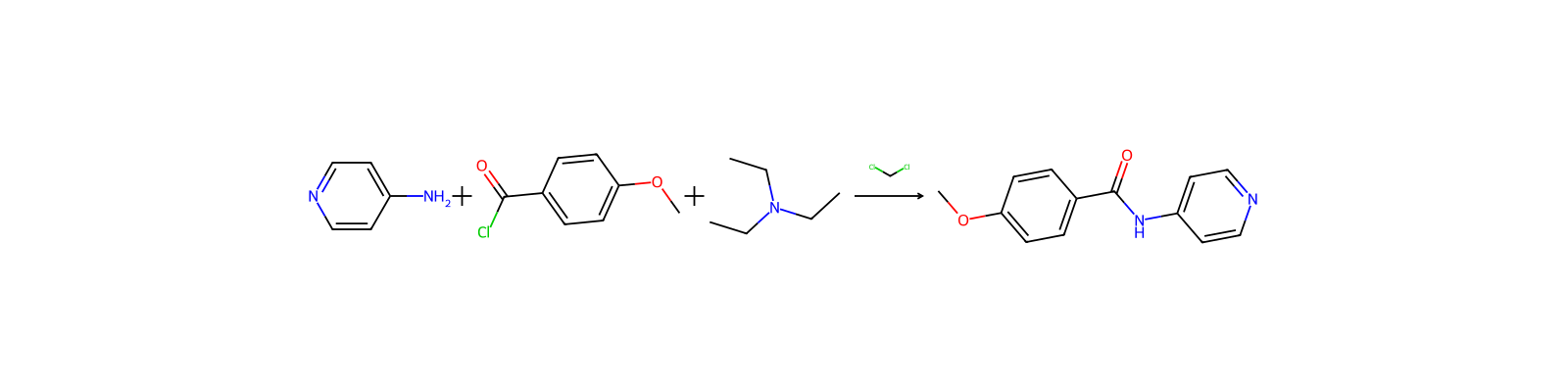
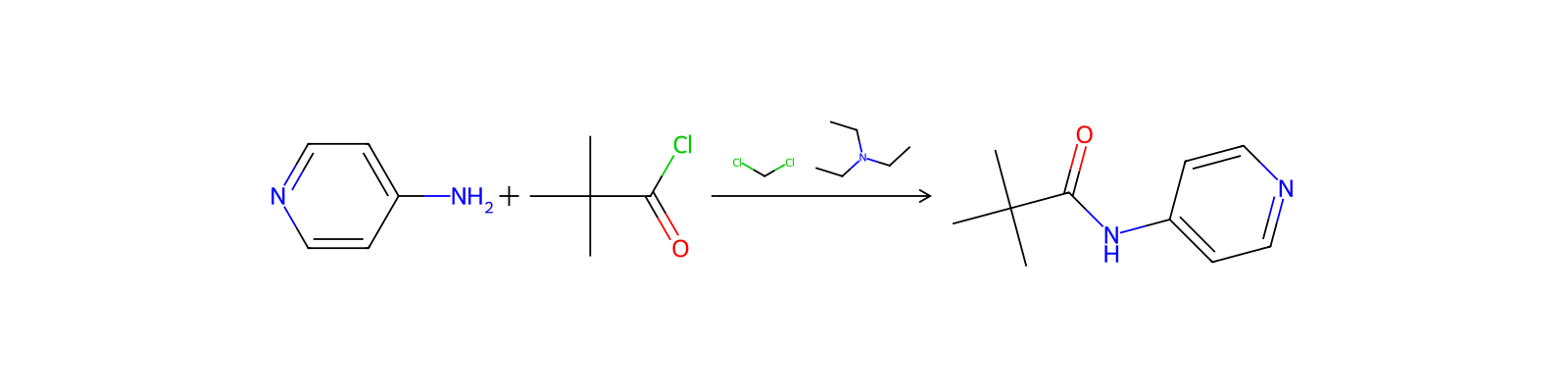
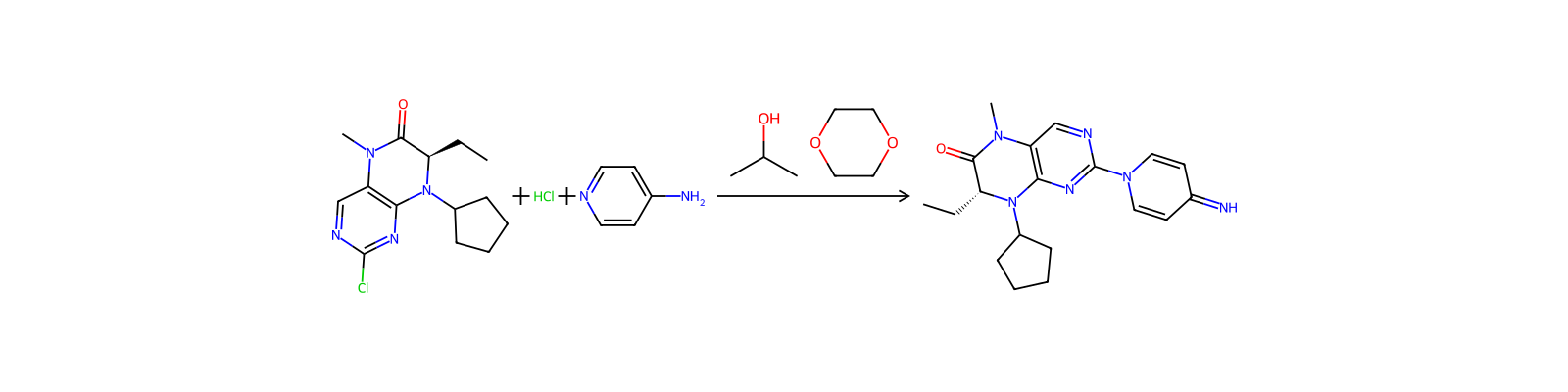
Related reactions
612 records



Linked notes
Loading…