Homovanillic Acid
Completing data — refresh the page later to see the latest
Basic information
- CAS
306-08-1- Standard SMILES
COc1cc(CC(=O)O)ccc1O- InChIKey
QRMZSPFSDQBLIX-UHFFFAOYSA-N- Molecular formula
- C9H10O4
- Average molar mass
- 182.17 g/mol
- Monoisotopic mass
- 182.0579088
Overview
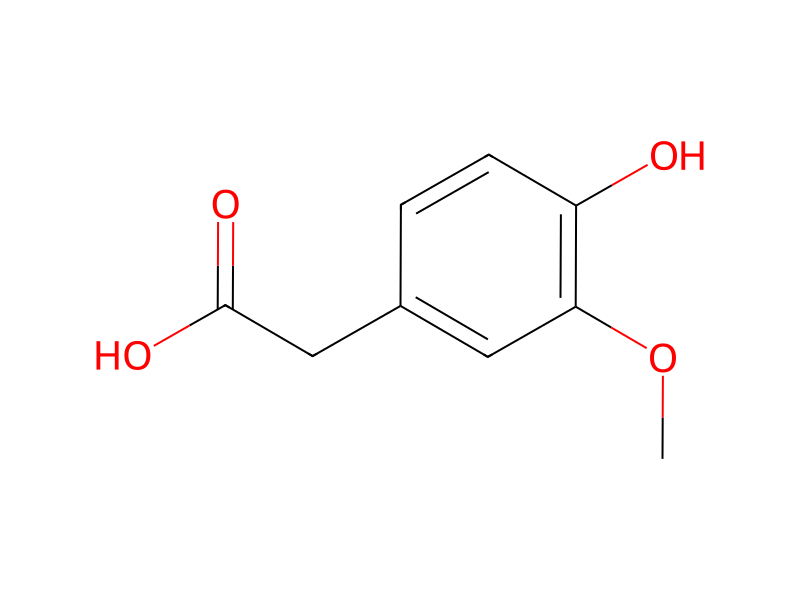
Homovanillic acid is a monocarboxylic acid that is the 3-O-methyl ether of (3,4-dihydroxyphenyl)acetic acid. It is a catecholamine metabolite. It has a role as a mouse metabolite and a human metabolite. It is a member of guaiacols and a monocarboxylic acid. It is functionally related to a (3,4-dihydroxyphenyl)acetic acid. It is a conjugate acid of a homovanillate.
Names & identifiers
- Preferred name
- Homovanillic Acid
- IUPAC
- 2-(4-hydroxy-3-methoxyphenyl)acetic acid
- English name
- Homovanillic acid
- Molecular formula
- C9H10O4
- Molecular weight
- 182.17
Names & synonyms
Homovanillic acid306-08-14-Hydroxy-3-methoxyphenylacetic acid2-(4-hydroxy-3-methoxyphenyl)acetic acidBenzeneacetic acid, 4-hydroxy-3-methoxy-Vanillacetic acid3-Methoxy-4-hydroxyphenylacetic acid4-Hydroxy-3-methoxybenzeneacetic acid(4-HYDROXY-3-METHOXYPHENYL)ACETIC ACIDAcetic acid, (4-hydroxy-3-methoxyphenyl)-X77S6GMS36DTXSID5059791
Show more names
HVAHomovanilic acidJACS-306-08-1homovanillicaciVanilacetic acidHOMOVANIUIC ACID
HMDB00118NSC-16682CHEBI:545959Acid, Homovanillic3 Methoxy 4 Hydroxyphenylacetic Acid4 Hydroxy 3 Methoxyphenylacetic AcidAcid, 3-Methoxy-4-HydroxyphenylaceticAcid, 4-Hydroxy-3-Methoxyphenylacetic
Database identifiers
- CAS
306-08-1- PubChem CID
- 1738
- DTXSID
DTXSID5059791- ChEMBL
Properties
Computed structural propertiesFilling in
- XLogP
- 0.4
- Topological polar surface area
- 66.8 Ų
- Hydrogen bond donors
- 2
- Hydrogen bond acceptors
- 4
- Rotatable bonds
- 3
- Heavy atoms
- 13
- Formal charge
- 0
- Complexity
- 180
Experimental & physicochemical properties
Chemical ClassesBiological Agents -> Other Biomolecules
LogP
0.33
1.18
Solubility17 mg/mL
Melting Point138 - 140 °C
Vapor Pressure0.00000823 [mmHg]
Physical Description
White solid; [Merck Index] White to pale brown crystalline powder; [Alfa Aesar MSDS]
Solid
Collision Cross Section
134.15 Ų [M-H]- [CCS Type: DT; Method: single field calibrated with Agilent tune mix (Agilent)]
140.75 Ų [M-H]- [CCS Type: DT; Method: stepped-field]
146.2 Ų [M+Na]+ [CCS Type: DT; Method: single field calibrated with ESI Low Concentration Tuning Mix (Agilent)]
136.3 Ų [M-H]-
Physicochemical properties
Safety & regulation
Safety information is for reference only and does not replace the supplier’s Safety Data Sheet (SDS), applicable regulations, or professional assessment.
GHS classification
GHS Classification
Warning
H315 (100%): Causes skin irritation [Warning Skin corrosion/irritation]
P261, P264, P264+P265, P271, P280, P302+P352, P304+P340, P305+P351+P338, P319, P321, P332+P317, P337+P317, P362+P364, P403+P233, P405, and P501 (click each P-code to see the statement)
Aggregated GHS information provided per 46 reports by companies from 6 notifications to the ECHA C&L Inventory. Each notification may be associated with multiple companies.
Hazard information
Regulatory InformationBenzeneacetic acid, 4-hydroxy-3-methoxy-: Does not have an individual approval but may be used under an appropriate group standard
Hazards SummaryA skin, respiratory tract, and strong eye irritant; [Alfa Aesar MSDS]
Hazard Classes and CategoriesSkin Irrit. 2 (100%)
Safety data
- F
- 10-23
- wgk
- 3
- tsca
- TSCA listed
- hs_code
- 29189900
- risk_code
- 36/37/38
- Signal word
- Warning
- Symbol(GHS)
- GHS07
- hazard_code
- Xi
- safety_code
- 26-36
- hazard_class
- IRRITANT
- Storage Class
- 11 - Combustible Solids
Chemistry & industry
Pharmacology
Tissue LocationsBrain
Cellular LocationsCytoplasm
Metabolite PathwaysAlkaptonuria
Uses & manufacturing
UsesA metabolite present in human urine; [Merck Index]
General Manufacturing InformationBenzeneacetic acid, 4-hydroxy-3-methoxy-: ACTIVE
Applications
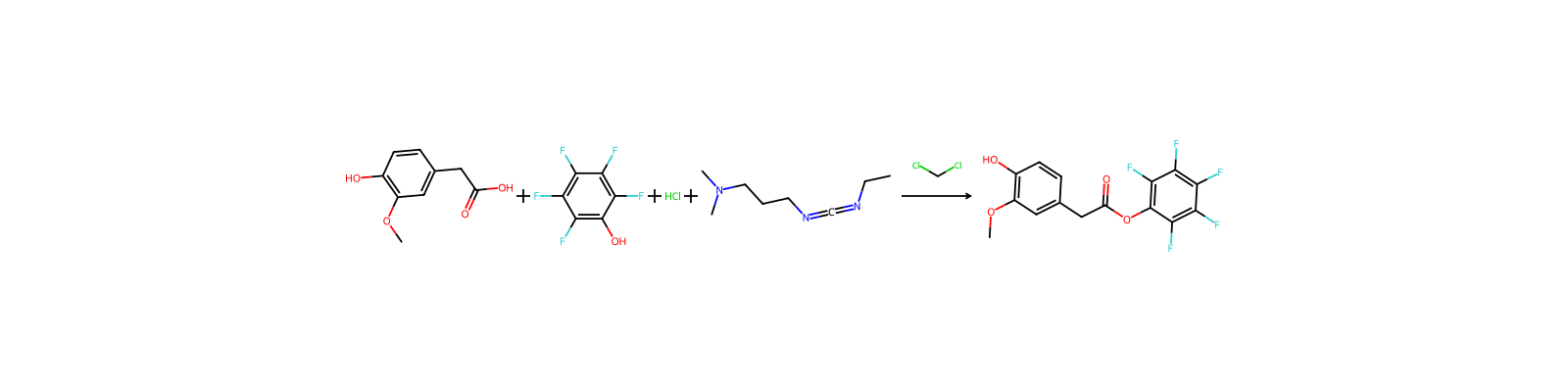
DescriptionHomovanillic acid (HVA) is a dopamine metabolite. It is formed via deamination of dopamine by monoamine oxidase (MAO) to produce 3,4-dihydroxyphenylacetic acid (DOPAC; ) followed by DOPAC metabolism by catechol-O-methyltransferase (COMT). HVA undergoes hydrogen peroxide-dependent oxidation in the presence of horseradish peroxidase to form a fluorescent dimer that displays excitation/emission maxima of 312/420 nm, respectively. It has been used to quantify hydrogen peroxide production in macrophages and neutrophils.
UsesFluorimetric reagent and major catecholamine metaboliteHomovanillic acid is used as a reagent in the determination of oxidative enzymes. It is associated with dopamine levels in the brain. Its presence supports a diagnosis of neuroblastoma and malignant pheochromocytoma.
UsesA neuroendocrine tumor marker. Dihydroxyphenylacetic Acid (DOPAC) metabolite.
Upstream & downstream products
Upstream raw materials
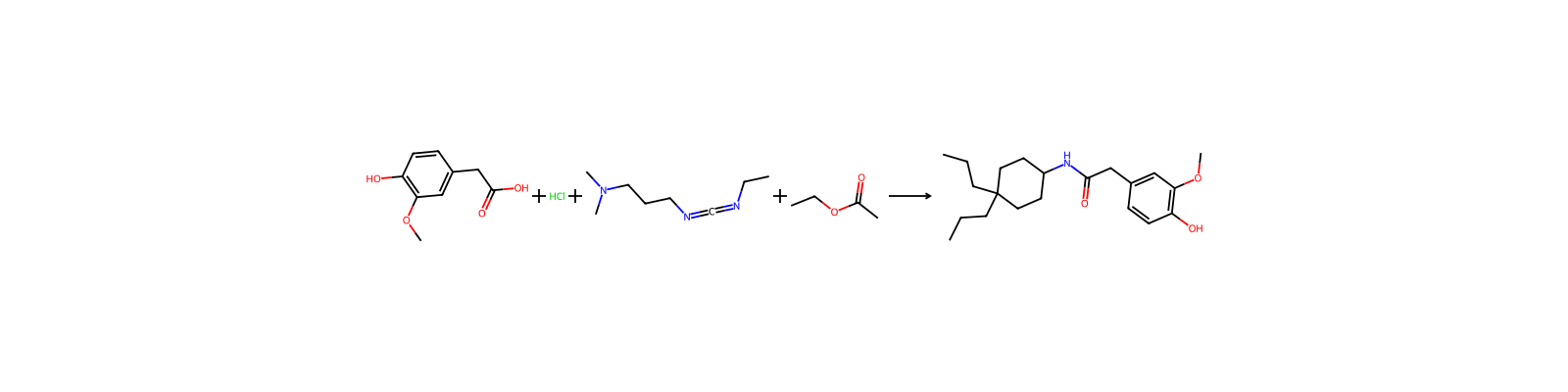
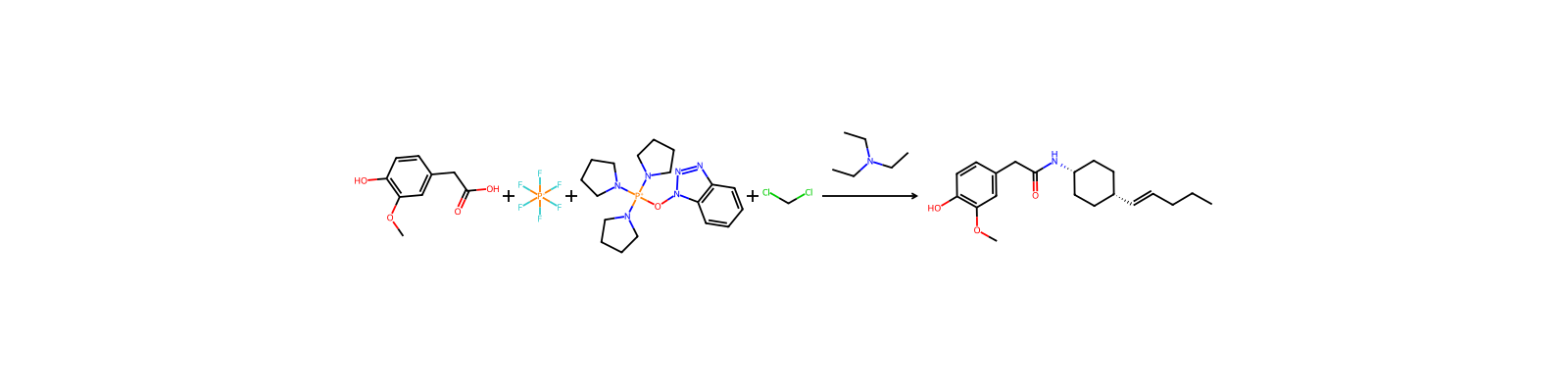
Related reactions
32 records



Compound notes
Loading…