HRID 46684As product

3602-55-9CC(C)(C)C1=CC(=O)C=CC1=ONCCTVAJNFXYWTM-UHFFFAOYSA-Na metabolite of butylated hydroxyanisole ; structure given in first source
3602-55-9DTXSID70189593CHEMBL2252966Safety information is for reference only and does not replace the supplier’s Safety Data Sheet (SDS), applicable regulations, or professional assessment.
Danger
H301 (24.1%): Toxic if swallowed [Danger Acute toxicity, oral]
P261, P264, P264+P265, P270, P271, P273, P280, P301+P316, P302+P352, P304+P340, P305+P351+P338, P316, P319, P321, P330, P332+P317, P337+P317, P362+P364, P391, P403+P233, P405, and P501 (click each P-code to see the statement)
Aggregated GHS information provided per 54 reports by companies from 5 notifications to the ECHA C&L Inventory. Each notification may be associated with multiple companies.
Chemical: 2,5-Cyclohexadiene-1,4-dione, 2-(1,1-dimethylethyl)-
2,5-Cyclohexadiene-1,4-dione, 2-(1,1-dimethylethyl)-: Does not have an individual approval but may be used as a component in a product covered by a group standard. It is not approved for use as a chemical in its own right.
Uses2-tert-Butyl-1,4-benzoquinone may be used in the synthesis of azatrioxa[8]circulene.
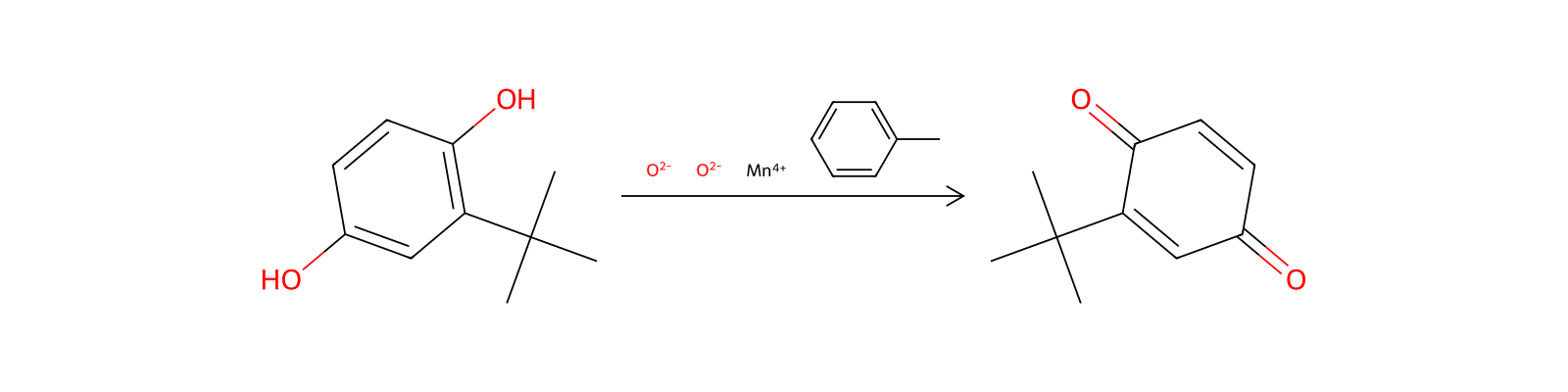
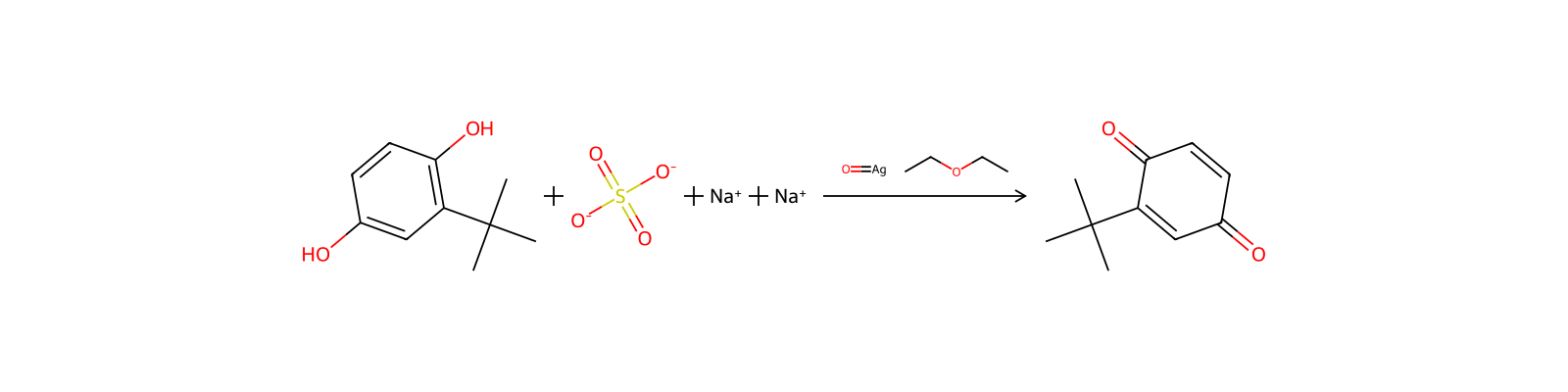
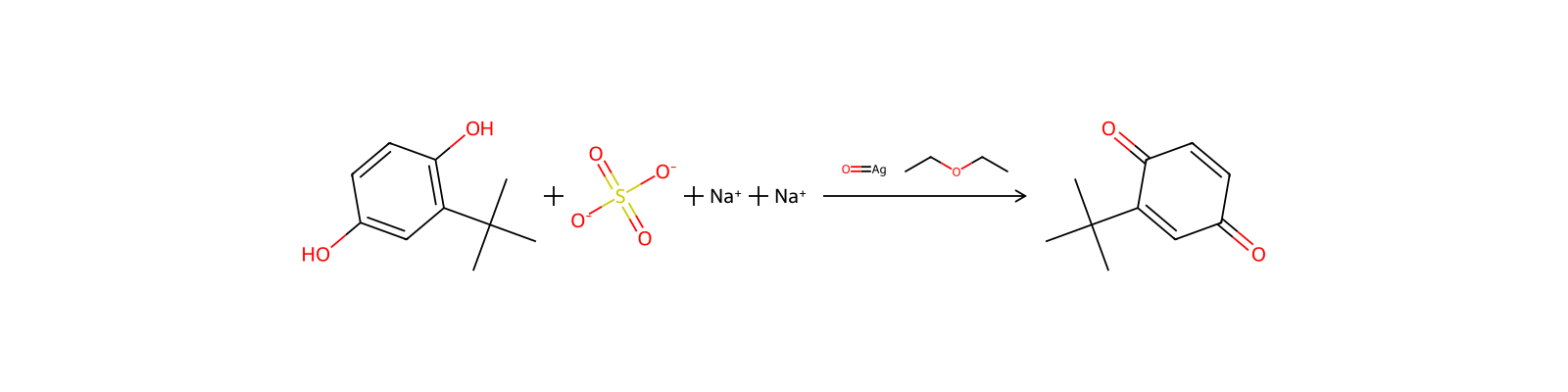
General Description2-tert-Butyl-1,4-benzoquinone (TBQ, TBBQ, tBQ, BuBQ, BQ , tert-butyl-p-quinone) is a 1,4-benzoquinone derivative. It is a major metabolite of the food additive, butylated hydroxyanisole (BHA). TBQ is reported to be strongly cytotoxic in human monocytic leukemia U937 cells. TBQ is an oxidation product of 2-tert-butylhydroquinone (TBHQ). Studies confirm that TBQ induces apoptosis and cell proliferation inhibition in chronic myelogenous leukemia (CML) cells. Its binding interactions with lysozyme has been examined and found to be intermediate between BHA and TBHQ. It has been reported to be synthesized by the titanium superoxide catalyzed oxidation of 2-tert-butylphenol using aq. 30% H2O2. TBQ is one of the main neoformed compounds from TBHQ decomposition in PLA-TBHQ film (Poly lactic acid).