
Chloric acid
Completing data — refresh the page later to see the latest
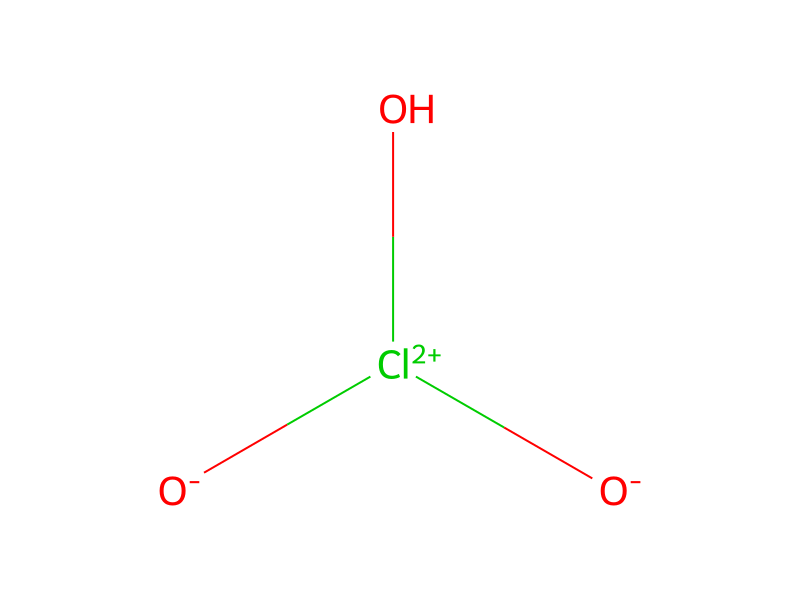
Basic information
- CAS
7790-93-4- Standard SMILES
[O-][Cl+2]([O-])O- InChIKey
LSUVGSGHYCLVPU-UHFFFAOYSA-N- Molecular formula
- ClHO3
- Average molar mass
- 84.46 g/mol
- Monoisotopic mass
- 83.96142157
Overview
Chloric acid is a colorless liquid. It will accelerate the burning of combustible materials and can ignite most on contact. It is corrosive to metals and tissue. It is used as a reagent in chemical analysis and to make other chemicals.
Names & identifiers
- Preferred name
- Chloric acid
- IUPAC
- chloric acid
- English name
- CHLORIC ACID
- Molecular formula
- ClHO3
- Molecular weight
- 84.46
Names & synonyms
CHLORIC ACID7790-93-4Z0V9L75H3KDTXSID1047449CHEBI:17322RefChem:5667DTXCID9027449CLO2--Portable sterilization card232-233-0ChlorsaeureChloric(V) acidUNII-Z0V9L75H3K
Show more names
Chloride AcidC01485NA-9191chloricNA 2626Hypure CchloricacidChloric acid solutionCHLORIC ACID, 35 WT. % SOLUTIONCHLORIC ACID ISO 9001:2015 REACH
hydrogenchloric acidEINECS 232-233-0UN2626hydrogen chloric acidHClO3hydroxidodioxidochlorineCHLORIC ACID [MI]SCHEMBL18802
Database identifiers
- CAS
7790-93-4- PubChem CID
- 19654
- DTXSID
DTXSID1047449- ChEMBL
CHEMBL1161633- ChEBI
CHEBI:17322- UNII
- Z0V9L75H3K
- EC Number
- 232-233-0
- Nikkaji
- J74.689D
Properties
Computed structural propertiesFilling in
- XLogP
- 2.1
- Topological polar surface area
- 54.4 Ų
- Hydrogen bond donors
- 1
- Hydrogen bond acceptors
- 3
- Rotatable bonds
- 0
- Heavy atoms
- 4
- Formal charge
- 0
- Complexity
- 46.2
Experimental & physicochemical properties
Chemical Classes
Toxic Gases & Vapors -> Acids, Inorganic
Reactive agents - 4th degree
Physical Description
Chloric acid is a colorless liquid. It will accelerate the burning of combustible materials and can ignite most on contact. It is corrosive to metals and tissue. It is used as a reagent in chemical analysis and to make other chemicals.
Found only in aqueous solution; [Merck Index] Clear colorless liquid; [MSDSonline]
Physicochemical properties
- Melting point
- -20 ℃ · <-20℃ [CRC10]
- Boiling point
- 100 °C · >100 °C
- Density
- 1.2 g/mL · 1.2 g/mL at 25 °C
- solubility
- 2 O · very soluble in H2O
- color
- exists only in aqueous solution
- Water Solubility
- 2 O · very soluble H2O [CRC10]
- Merck
- 13 · 13,2109
Safety & regulation
Safety information is for reference only and does not replace the supplier’s Safety Data Sheet (SDS), applicable regulations, or professional assessment.
GHS classification
GHS Classification
Danger
H271 (100%): May cause fire or explosion; strong Oxidizer [Danger Oxidizing liquids; Oxidizing solids]
P210, P220, P260, P264, P280, P283, P301+P330+P331, P302+P361+P354, P304+P340, P305+P354+P338, P306+P360, P316, P321, P363, P370+P378, P371+P380+P375, P405, P420, and P501 (click each P-code to see the statement)
Aggregated GHS information provided per 39 reports by companies from 1 notifications to the ECHA C&L Inventory. Each notification may be associated with multiple companies.
Danger
H271: May cause fire or explosion; strong Oxidizer [Danger Oxidizing liquids; Oxidizing solids]
Hazard information
Regulatory Information
Chloric acid: Does not have an individual approval but may be used under an appropriate group standard
The New Jersey Worker and Community Right to Know Act requires public and private employers to provide information about hazardous substances at their workplaces. (N.J.S.A. 34:5A-1 et. seq.)
DOT LabelOxidizer
Fire Hazards
Excerpt from ERG Guide 140 [Oxidizers]:
CAUTION: Ammonium nitrate products may explode if involved in fire or contaminated with hydrocarbons (fuels), organic matter, other contaminants or when hot molten and contained. Treat as an explosive (GUIDE 112).
Health Hazards
Excerpt from ERG Guide 140 [Oxidizers]:
· Inhalation, ingestion or contact (skin, eyes) with vapors or substance may cause severe injury, burns or death.
Hazards Summary
A strong skin and mucous membrane irritant; [Merck Index] Corrosive to tissue; [CAMEO] An eye irritant; [eChemPortal: ERMA] A corrosive substance that can cause injury to the skin, eyes, and respiratory tract; Inhalation may cause chemical pneumonitis and pulmonary edema; [MSDSonline]
Chemistry & industry
Uses & manufacturing
UsesUsed as an oxidizing agent and as a catalyst in acrylonitrile polymerization; [Merck Index] Used in chemical analysis and to make other chemicals; [CAMEO]
General Manufacturing InformationChloric acid: ACTIVE
Applications
DescriptionChloric acid, HClO3, is an oxoacid of chloride, and the formal precursor of chlorate salts. It is a strong acid (pKa=-1) and a strong oxidizing agent. It is stable in cold aqueous solution up to a concentration of approximately 30%, and solution of up to 40% can be prepared by careful evaporation under reduced pressure. Above these concentrations, and on warming, chloric acid solutions decompose to give a variety of products, for example: 8HClO3→4HClO4+2H2O+2Cl2+3O2 Note that it disproportionates into perchloric acid in which the chlorine atom has a+7 oxidation state and also the zero oxidation state of chlorine gas (an oxidation–reduction reaction). Thus, under the proper conditions, it can also be used to make perchloric acid. 3HClO3→HClO4+H2O+2ClO2
UsesOxidizing agent; with H2SO3 as catalyst in acrylonitrile polymerization.
General DescriptionCHLORIC ACID is a colorless liquid. CHLORIC ACID will accelerate the burning of combustible materials and can ignite most on contact. CHLORIC ACID is corrosive to metals and tissue. CHLORIC ACID is used as a reagent in chemical analysis and to make other chemicals.
Upstream & downstream products
Downstream products
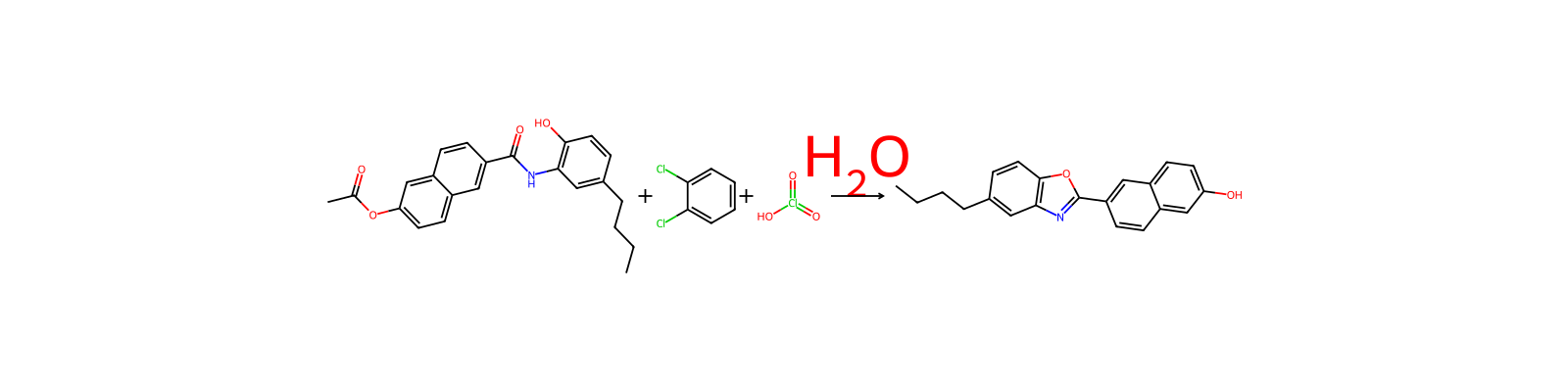
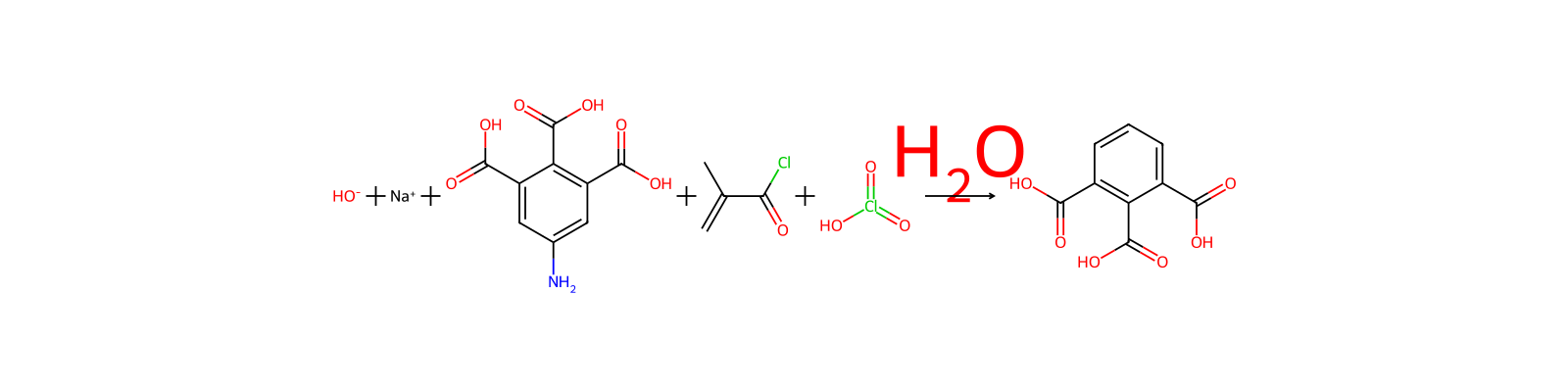
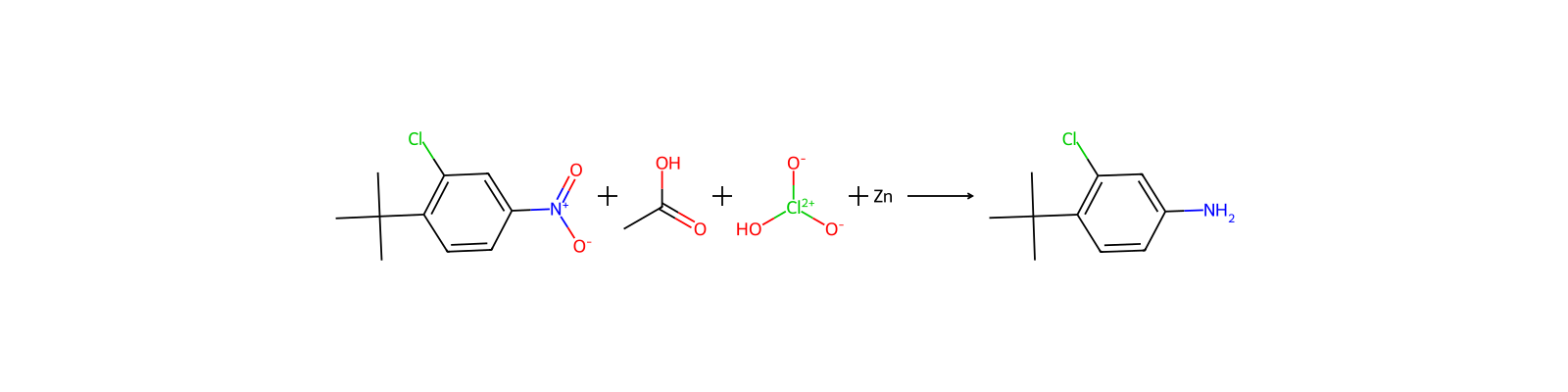
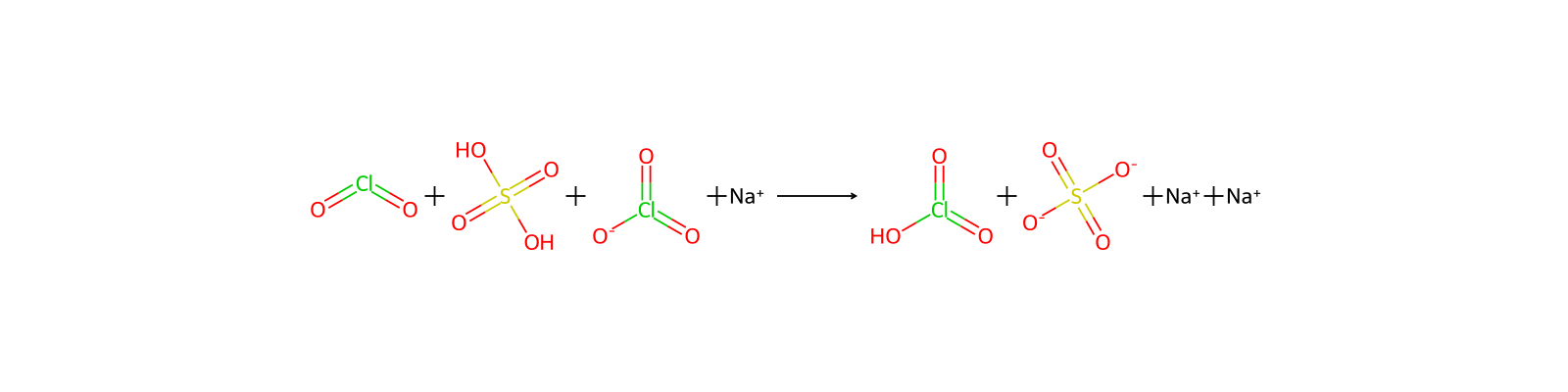
Related reactions
15 records



Compound notes
Loading…