HRID 52751As product
Completing data — refresh the page later to see the latest
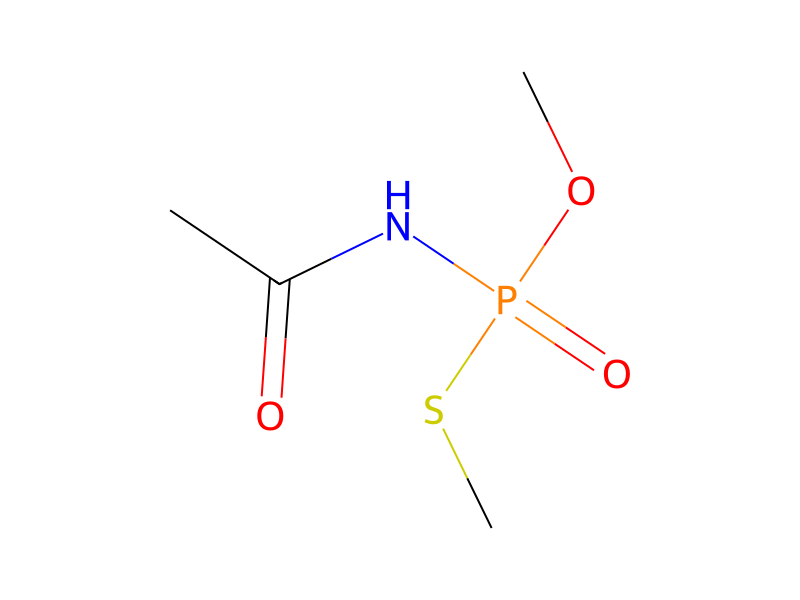
30560-19-1COP(=O)(NC(C)=O)SCYASYVMFAVPKPKE-UHFFFAOYSA-NAcephate appears as a white solid. Used as a contact and systemic insecticide.
30560-19-1DTXSID8023846CHEMBL2133249CHEBI:34520Pesticides
Pesticide -> EPA IRIS
Agrochemicals -> Pesticide active substances
Active substance -> EU Pesticides database: Not approved
Pesticides -> Organophosphate Insecticides
Pesticide
log Kow = -0.85
-0.9
-0.46
1.35
1.4 g/cm³
Colorless crystals
Colorless to white solid
Solubilities in various solvents. [Table#6047]
Low solubility in aromatic solvents.
In water, 818,000 mg/L at 25 °C
Solubility in water, g/100ml at 20 °C: 79
Safety information is for reference only and does not replace the supplier’s Safety Data Sheet (SDS), applicable regulations, or professional assessment.
Warning
H302: Harmful if swallowed [Warning Acute toxicity, oral]
P264, P270, P301+P317, P330, and P501 (click each P-code to see the statement)
Warning
H302 (100%): Harmful if swallowed [Warning Acute toxicity, oral]
P264, P270, P301+P317, P330, and P501 (click each P-code to see the statement)
Hazard Traits - Developmental Toxicity; Neurotoxicity
Regulation (EC) No 1107/2009 (amended)
Acephate is listed in the dataset of EPA Human Health Benchmarks for Pesticides under the Safe Drinking Water Act (40 eCFR 141)
2003/219/EC
Acephate: Does not have an individual approval but may be used under an appropriate group standard
The New Jersey Worker and Community Right to Know Act requires public and private employers to provide information about hazardous substances at their workplaces. (N.J.S.A. 34:5A-1 et. seq.)
Excerpt from ERG Guide 152 [Substances - Toxic (Combustible)]:
Liquid formulations containing organic solvents may be flammable. Gives off irritating or toxic fumes (or gases) in a fire.
Many of the more recently introduced organophosphorus esters (acephate ...) are less tenacious inhibitors of nervous tissue acetylcholinesterase, the phosphorylated enzyme being more readily and spontaneously dissociated.
Organophosphorus derivatives act by combining with and inactivating the enzyme acetylcholinesterase. ... The inactivation of cholinesterase by cholinesterase inhibitor pesticides allows the accumulation of large amounts of acetylcholine, with resultant widespread effects that may be ... separated into 4 categories: (1) Potentiation of postganglionic parasympathetic activity. ... (2) Persistent depolarization of skeletal muscle ... (3) Initial stimulation following depression of cells of central nervous system ... (4) Variable ganglionic stimulation or blockade ... /Cholinesterase inhibitor pesticides/
1. The molecular composition of acetylcholinesterase (acetylcholinesterase) obtained from cockroach neural, and rat brain tissues was different. Vertebrate enzyme exhibited a higher degree of polymerization than insect enzyme. 2. Acephate was a potent inhibitor of cockroach acetylcholinesterase, but a poor inhibitor of rat acetylcholinesterase. Unlike acephate, methamidophos was a potent inhibitor of both cockroach and rat enzymes. Acephate exhibited greater affinity for the cockroach acetylcholinesterase than for the rat acetylcholinesterase, and acephate phosphorylated the cockroach acetylcholinesterase several times faster than the rat enzyme. The rate of phosphorylation of insect and rat acetylcholinesterase was similar in the presence of methamidophos. Solubilization of acetylcholinesterase by Triton X-100 altered the kinetics of inhibition of rat acetylcholinesterase by acephate. However, solubilization did not alter the kinetics of inhibition of rat acetylcholinesterase by methamidophos or the kinetics of inhibition of cockroach acetylcholinesterase by acephate or methamidophos. 3. The mechanism of acephate cockroach acetylcholinesterase interaction was different than the mechanism of acephate rat acetylcholinesterase interaction. It is proposed that both the rat and cockroach enzyme may contain, along with the anionic and esteratic sites, an "electron deficient" binding site which may exhibit selectivity for acephate and nefopam. The electron deficient site in rat acetylcholinesterase has allosteric properties, whereas the cockroach acetylcholinesterase does not. It is also proposed that the electron deficient site in cockroach acetylcholinesterase may be situated in or adjacent to the active site and, therefore, acephate may be bound to the electron deficient site such that the phosphate moiety of acephate interacts with the enzyme's "esteratic" site. Although nefopam also bound to the electron deficient site in cockroach acetylcholinesterase, it did not inhibit the enzyme. This study also indicated that the electron deficient site in rat acetylcholinesterase may be peripheral to the active site, and that the binding of acephate to this site prevented the phosphorylation by methamidophos of the rat acetylcholinesterase. Unlike acephate, methamidophos specifically bound to the active site in both the rat and cockroach acetylcholinesterase.
82-89 °C /Technical grade 82-90% purity/
92-93 °C
0.0000017 [mmHg]
1.7X10⁻⁶ mm Hg at 25 °C
Vapor pressure, Pa at 24 °C: 0.0002
Acephate appears as a white solid. Used as a contact and systemic insecticide.
Colorless to white solid; [HSDB] Colorless crystalline solid with a stench; [MSDSonline]
COLOURLESS CRYSTALS OR WHITE POWDER WITH CHARACTERISTIC ODOUR.
May cause cholinesterase inhibition; [ICSC] At doses non-toxic maternally, embryonic development was not adversely effected in mice; High dose studies of mice caused dose-dependent rise of abnormalities in sperm; No human data available; [REPROTOX] Methamidophos (CAS# 10265-92-6) is an environmental degradate; Laboratory data indicate that acephate and its degradate may pose chronic risk to mammals by affecting the reproductive capacity of mammals (i.e., by reducing the viability of pups and body weight); however, there are no field data to corroborate this. [Reference #1] The average of two baseline respective cholinesterase activity determinations three days apart, with no exposures to enzyme inhibiting pesticides for at least 30 days, is recommended for each worker prior to exposure to cholinesterase inhibitors because of large inter-individual differences in published baseline values. To be established at least once a year. Removal from workplace exposures is recommended until the cholinesterase activity returns to within 20% of baseline. [TLVs and BEIs] See Methamidophos.
EPA/Office of Prevention, Pesticides, and Toxic Substances; Fact Sheet for Acephate. 4 p (EPA 738-F-01-013) (September 2001)
USEPA/Office of Pesticide Programs; Interim Reregistration Eligibility Decision (IRED) for Acephate. EPA issues an IRED for a pesticide that is undergoing reregistration, requires a reregistration eligibility decision, and also needs a cumulative assessment under FQPA. The IRED, issued after EPA completes the individual pesticide\'s aggregate risk assessment, may include taking risk reduction measures -- for example, reducing risks to workers or eliminating uses that the registrant no longer wishes to maintain -- to gain the benefits of these changes before the final RED can be issued following the Agency\'s consideration of cumulative risks.[Available from, as of February 28, 2007: http://www.epa.gov/pesticides/reregistration/status.htm]
Tolerances for related pesticide chemicals. ... Where tolerances are established for residues of O,S-dimethyl phosphoramidothioate, resulting from the use of acephate (O,S-dimethyl acetylphos-phoramidothioate) and/or O,S-dimethylphosphoramidothioate on the same agricultural commodity, the total amount of O,S-dimethyl-phosphoramidothioate shall not yield more residue than that permitted by the higher of the two tolerances.
Tolerances are established for combined residues of acephate (O,S-dimethyl acetylphosphoramidothioate) and its cholinesterase-inhibiting metabolite O,S-dimethylphosphura-midothioate in or on raw agricultural commodities as follows: [Table#6045]
A food additive tolerance is established for the combined residues of acephate (O,S-dimethyl acetylphosphoramidothioate) and its cholinesterase-inhibiting metabolite, methamidophos as follows: (i) In or on all food items (other than those already covered by a higher tolerance as a result of use on growing crops) in food handling establishments. (ii) The acephate may be present as a residue from applications of acephate in food handling establishments, including food service, manufacturing and processing establishments, such as restaurants, cafeterias, supermarkets, bakeries, breweries, dairies, meat slaughtering and packing plants, and canneries ... .
Tolerances with regional registration, as defined in 180.1(n), are established for the combined residues of acephate and its cholinesterase-inhibiting metabolite in or on the following raw agricultural commodities: [Table#6046]
For more FIFRA Requirements (Complete) data for ACEPHATE (7 total), please visit the HSDB record page.
A thiophosphate ester. Organothiophosphates are susceptible to formation of highly toxic and flammable phosphine gas in the presence of strong reducing agents such as hydrides. Partial oxidation by oxidizing agents may result in the release of toxic phosphorus oxides.
Excerpt from ERG Guide 152 [Substances - Toxic (Combustible)]:
In case of fire in the surroundings, use appropriate extinguishing media.
Fresh air, rest. Half-upright position. Refer for medical attention.
Rinse skin with plenty of water or shower.
First rinse with plenty of water for several minutes (remove contact lenses if easily possible), then refer for medical attention.
Rinse mouth. Rest. Refer for medical attention .
Biological Exposure Indices (BEI) [ACGIH] - Acetylcholinesterase activity in red blood cells = 70% of individual's baseline; Butylcholinesterase activity in serum or plasma = 60% of individual's baseline; Sample at end of shift; [TLVs and BEIs]
If material on fire or involved in fire: Do not extinguish fire unless flow can be stopped or safely confined. Use water in flooding quantities as fog. Solid streams of water may be ineffective. Cool all affected containers with flooding quantities of water. Apply water from as far a distance as possible. Use "alcohol" foam, carbon dioxide or dry chemical. /Organophosphorus pesticides, liquid, NOS/
If material on fire or involved in fire: Use water in flooding quantities as fog. Extinguish fire using agent suitable for type of surrounding fire. (Material itself does not burn or burns with difficulty.) Use "alcohol" foam, carbon dioxide or dry chemical. /Organophosphorus pesticides, solid, NOS/
Rooms used for storage only should be soundly constructed & fitted with secure locks. Floors should be kept clear & pesticides clearly identified. If repacking is carried out in storage rooms, adequate light should be available; floors should be impervious & sound ... . /Pesticides/
Pesticides containers must be provided with labels indicating the degree of toxicity of the product they contain. The labels must not only give a short description of how to use the prepn, but also state basis precautions to be taken when applying it. /Organophosphorus pesticides/
Pesticides of any degree of toxicity should be transported in containers which are clearly labelled, leak-proof, and not easily damaged. They should never be transported beside, or above any type of food, and all spillages should be immediately reported. /Pesticides/
Safe Storage of Pesticides. Always store pesticides in their original containers, complete with labels that list ingredients, directions for use, and first aid steps in case of accidental poisoning. Never store pesticides in cabinets with or near food, animal feed, or medical supplies. Do not store pesticides in places where flooding is possible or in places where they might spill or leak into wells, drains, ground water, or surface water.
Environmental considerations- land spill: Dig a pit, pond, lagoon, holding area to contain liquid or solid material. /SRP: If time permits, pits, ponds, lagoons, soak holes, or holding areas should be sealed with an impermeable flexible membrane liner./ Dike surface flow using soil, sand bags, foamed polyurethane, or foamed concrete. Absorb bulk liquid with fly ash, cement powder, or commercial sorbents. /Organophosphorus pesticides, liquid and solid, NOS/
Environmental considerations- water spill: Use natural barriers or oil spill control booms to limit spill travel. Remove trapped material with suction hoses. /Organophosphorus pesticides, liquid and solid, NOS/
Environmental considerations- air spill: Apply water spray or mist to knock down vapors. /Organophosphorus pesticides, liquid and solid, NOS/
Group I Containers: Combustible containers from organic or metallo-organic pesticides (except organic mercury, lead, cadmium, or arsenic compounds) should be disposed of in pesticide incinerators or in specified landfill sites. /Organic or metallo-organic pesticides/
Group II Containers: Non-combustible containers from organic or metallo-organic pesticides (except organic mercury, lead, cadmium, or arsenic compounds) must first be triple-rinsed. Containers that are in good condition may be returned to the manufacturer or formulator of the pesticide product, or to a drum reconditioner for reuse with the same type of pesticide product, if such reuse is legal under Department of Transportation regulations (eg 49 CFR 173.28). Containers that are not to be reused should be punctured ... and transported to a scrap metal facility for recycling, disposal or burial in a designated landfill. /Organic or metallo-organic pesticides/
SMALL SPILL: Sweep up material and place in disposable container. ... LARGE SPILL: Clean up spills immediately, observing precautions in Exposure Controls/ Personal Protection section. Vacuum with machines equipped with high efficiency filters or sweep up material and place in a disposable container. Scrub contaminated area with detergent and water using a stiff broom. Pick up liquid with Oil Dry, cat litter, clay, rags or other absorbent and place in a disposable container. /Orthene Fire Ant Killer 1 (50% acephate)/
Safe Disposal of Pesticides. The best way to dispose of small amounts of excess pesticides is to use them - apply them - according to the directions on the label. If you cannot use them, ask your neighbors whether they have a similar pest control problem and can use them. If all of the remaining pesticide cannot be properly used, check with your local solid waste management authority, environmental agency, or health department to find out whether your community has a household hazardous waste collection program or a similar program for getting rid of unwanted, leftover pesticides. These authorities can also inform you of any local requirements for pesticide waste disposal.
Safe Disposal of Pesticides. An empty pesticide container can be as hazardous as a full one because of residues left inside. Never reuse such a container. When empty, a pesticide container should be rinsed carefully three times and the rinsewater thoroughly drained back onto the sprayer or the container previously used to mix the pesticide. Use the rinsewater as a pesticide, following label directions. Replace the cap or closure securely. Dispose of the container according to label instructions. Do not puncture or burn a pressurized container like an aerosol - it could explode. Do cut or puncture other empty pesticide containers made of metal or plastic to prevent someone from reusing them. Wrap the empty container and put it in the trash after you have rinsed it.
Personal protection: particulate filter respirator adapted to the airborne concentration of the substance. Do NOT let this chemical enter the environment. Sweep spilled substance into covered containers. If appropriate, moisten first to prevent dusting. Carefully collect remainder. Then store and dispose of according to local regulations.
... NOTES TO PHYSICIAN: This material contains a cholinesterase inhibitor. Measurement of blood cholinesterase activity may be useful in monitoring exposure. If signs and/or symptoms of cholinesterase inhibition appear, atropine sulfate is antidotal. ... PROTOPAM is also antidotal and may be used in conjunction with atropine but should not be used alone. /Orthene Fire Ant Killer 1 (50% acephate)/
In order to mitigate occupational risks, the following risk mitigation measures are necessary: Formulate all soluble powder formulations into water soluble bags, except for soluble powders sold for fire ant, harvester ant, or hopper box seed treatment uses. Limit the 1 pound active ingredient per acre (lb ai/A) cotton aerial application rate to cotton grown in California and Arizona; reduce the maximum aerial application rate for cotton to 0.75 ai/A for all other areas of the United States. Delete aerial application to turf. Require enclosed cockpits and mechanical flagging for all aerial applications. Reduce maximum sod farm and golf course turf application rates (non-granular formulations) to 3 lb ai/A and 4 lb ai/A, respectively. Reduce maximum application rates for greenhouse floral and foliage plant crops, and outdoor floral and ground covers to 1 lb ai per 100 gallons water (not to exceed 0.75 lb ai/A for cut flowers and 1.0 lb ai/A for other ornamentals). Delete the application of acephate by low pressure handwand to treat trees, shrubs, and outdoor flora; for the control of wasps; and for perimeter treatment by PCOs. Delete the use of granular formulations to be applied by belly grinder, shaker can, or by hand to trees, shrubs, and 12" pots. Add personal protective equipment to end use product labels for workers who mix and load, and/or apply acephate.
In order to mitigate residential postapplication risk, the following risk mitigation measures are necessary: Delete residential indoor uses. Delete all turfgrass uses (except golf course, sod farm, and spot or mound treatment for ant control). Establish a 3 day pre-harvest interval (PHI) for the harvesting of sod.
Keep out of reach of children. Avoid contact with mouth, skin, and eyes.
For more Preventive Measures (Complete) data for ACEPHATE (18 total), please visit the HSDB record page.
If the compound has been ingested, rapid gastric lavage should be performed using 5% sodium bicarbonate. For skin contact, the skin should be washed with soap and water. If the compound has entered the eyes, they should be washed with large quantities of isotonic saline or water. In serious cases, atropine and/or pralidoxime should be administered. Anti-cholinergic drugs work to counteract the effects of excess acetylcholine and reactivate AChE. Atropine can be used as an antidote in conjunction with pralidoxime or other pyridinium oximes (such as trimedoxime or obidoxime), though the use of '-oximes' has been found to be of no benefit, or possibly harmful, in at least two meta-analyses. Atropine is a muscarinic antagonist, and thus blocks the action of acetylcholine peripherally.
Anticholinesterase (organophosphorus) insecticides antagonize polarizing muscle relaxants. Phenothiazines /and thioxanthene/: ...may enhance toxic effects of organophosphorus insecticides. /Insecticides, organophosphorus/
... Aluminium, a common metal compound, and acephate, an organophosphorous pesticide, are two widely used chemicals known for their neurotoxic effects. To assess the toxic interaction of aluminium and acephate, acute toxicity study of aluminium chloride, acephate, and their combination was made. Male Wistar albino rats were dosed orally in a increasing geometric progressive doses of aluminium chloride, acephate, and their combination (1 part aluminium:1 part acephate) in distilled water. The median lethal oral dose of aluminium chloride, acephate, and their combination was found to be 3630 +/- 400, 2851 +/- 269, and 4074 +/- 388 mg/kg body weight respectively. Log dose-response curve revealed the acute toxic effects of combination of metal and pesticide to be reduced, suggesting antagonistic action. Antagonistic action of the combination of compounds shows that aluminium reduced the toxic effect of organophosphorous pesticide acephate. ...
The efficacy of a reactive skin decontaminant lotion against organophosphorus nerve agents in-vivo was examined. The agents used included tabun, sarin, soman, and VX. The decontaminant location consisted of a 1.25 modal solution of the potassium salt of 2,3-butanedione monoxime in polyethylene glycol methylether and 10% water mixture. This reactive skin decontaminant was highly effective against each of the four agents tested. In Sprague Dawley rats the inactivation process was dose dependent, with a 1:1 organophosphorus/potassium salt of 2,3-butanedione-monoxime molar ratio offering total protection against the toxic effects. The inactivation process, as a function of anticholinesterase activity in primary cultures of chick embryo neurons, was also time, dose and agent dependent. Soman was relatively slow in detoxifying over a 24 hour period when compared to the other three agents. Even so, in all cases less than 0.1% of the original organophosphate anticholinesterase activity remained after a 7 day period. It was concluded that this cell culture system is advantageous in evaluating the prophylaxis and therapy of nerve agent poisoning.
Acute exposure to cholinesterase inhibitors can cause a cholinergic crisis characterized by severe nausea/vomiting, salivation, sweating, bradycardia, hypotension, collapse, and convulsions. Increasing muscle weakness is a possibility and may result in death if respiratory muscles are involved. Accumulation of ACh at motor nerves causes overstimulation of nicotinic expression at the neuromuscular junction. When this occurs symptoms such as muscle weakness, fatigue, muscle cramps, fasciculation, and paralysis can be seen. When there is an accumulation of ACh at autonomic ganglia this causes overstimulation of nicotinic expression in the sympathetic system. Symptoms associated with this are hypertension, and hypoglycemia. Overstimulation of nicotinic acetylcholine receptors in the central nervous system, due to accumulation of ACh, results in anxiety, headache, convulsions, ataxia, depression of respiration and circulation, tremor, general weakness, and potentially coma. When there is expression of muscarinic overstimulation due to excess acetylcholine at muscarinic acetylcholine receptors symptoms of visual disturbances, tightness in chest, wheezing due to bronchoconstriction, increased bronchial secretions, increased salivation, lacrimation, sweating, peristalsis, and urination can occur. Certain reproductive effects in fertility, growth, and development for males and females have been linked specifically to organophosphate pesticide exposure. Most of the research on reproductive effects has been conducted on farmers working with pesticides and insecticdes in rural areas. In females menstrual cycle disturbances, longer pregnancies, spontaneous abortions, stillbirths, and some developmental effects in offspring have been linked to organophosphate pesticide exposure. Prenatal exposure has been linked to impaired fetal growth and development. Neurotoxic effects have also been linked to poisoning with OP pesticides causing four neurotoxic effects in humans: cholinergic syndrome, intermediate syndrome, organophosphate-induced delayed polyneuropathy (OPIDP), and chronic organophosphate-induced neuropsychiatric disorder (COPIND). These syndromes result after acute and chronic exposure to OP pesticides.
EC50 Daphnia magna /(water flea)/ 309.82 uM/48 hrs; immobility.
LC50 Gammarus pseudolimnaeus > 50 ug/l/96 hr at 12 °C, mature. Static bioassay without aeration, pH 7.2-7.5, water hardness 40-50 mg/l as calcium carbonate and alkalinity of 30-35 mg/l. Technical material, 94%.
LC50 /Oncorhynchus mykiss/ (Rainbow trout, weight 1.5 g) 1,100 ug/L/96 hr at 10 °C. Static bioassay without aeration, pH 7.2-7.5, water hardness 40-50 mg/L as calcium carbonate and alkalinity of 30-35 mg/L. Technical material, 94%.
LC50; Species: Oncorhynchus mykiss (Rainbow trout); Conditions: freshwater; static; Concentration: 880 ppm for 24 hr /technical product/
For more Ecotoxicity Values (Complete) data for ACEPHATE (26 total), please visit the HSDB record page.
TERRESTRIAL FATE: Based on a classification scheme(1), a Koc value of 4.7 measured in a clay loam(2), indicates that acephate is expected to have very high mobility in soil(SRC). Volatilization of acephate from moist soil surfaces is not expected(SRC) based upon an estimated Henry's Law constant of 5X10-13 atm-cu m/mole(SRC), derived from its vapor pressure, 1.7X10⁻⁶ Hg mm(3), and water solubility of 8.18X10+5 mg/L(3). Acephate is not expected to volatilize from dry soil surfaces(SRC) based upon its vapor pressure(3). Acephate degraded in aerobic soils and terrestrial field dissipation studies with half-lives of < 3 days(4).
AQUATIC FATE: Based on a classification scheme(1), a Koc value of 4.7 measured in a clay loam(2), indicates that acephate is not expected to adsorb to suspended solids and sediment(SRC). Volatilization from water surfaces is not expected(3) based upon an estimated Henry's Law constant of 5X10-13 atm-cu m/mole(SRC), derived from its vapor pressure, 1.7X10⁻⁶ Hg mm(4), and water solubility of 8.18X10+5 mg/L(4). According to a classification scheme(5),a BCF of 10 measured in fish(2), suggests bioconcentration in aquatic organisms is low(SRC). Acephate was stable to hydrolysis in pH 5 and 7 aqueous buffered solutions, but degraded with a half-life of 18 days at pH 9(5). Acephate degraded 54.8% in a river die-away test using creek water over a 50-day incubation period(5). Acephate degraded with a half-life of 6.6 days in a flooded clay sediment maintained under anaerobic conditions(6).
ATMOSPHERIC FATE: According to a model of gas/particle partitioning of semivolatile organic compounds in the atmosphere(1), acephate which has a vapor pressure of 1.7X10⁻⁶ mm Hg at 25 °C(2), is expected to exist in both the vapor and particulate-phases in the ambient atmosphere(SRC). Vapor-phase acephate is degraded in the atmosphere by reaction with photochemically-produced hydroxyl radicals(SRC); the half-life for this reaction in air is estimated to be 34 hours(SRC), calculated from its rate constant of 1.1X10⁻¹¹ cu cm/molecule-sec at 25 °C(SRC), that was derived using a structure estimation method(3). Particulate-phase acephate will be removed from the atmosphere by wet or dry deposition(SRC). Acephate was photolytically stable in aqueous solutions exposed to natural sunlight(4), suggesting photolysis in air will not be an important fate process(SRC).
In the FDA's Total Diet Study (also known as the Market Basket Study since foods are purchased from local grocery stores throughout the US) for 1988, acephate was positively detected in 33 of 1170 food items (concn not reported, but the average daily intake for three age groups was approximately 0.01 ug/kg body wt/day)(1). During a 5 yr study conducted during 1981-1986, the Los Angeles District Office of the FDA analyzed 19,851 samples of domestic and imported food for pesticide residues(2-3); acephate was detected in 705 samples at concns ranging from 0.05 to >2.0 ppm (all but 18 samples had concn of 1.0 ppm or less)(2-3). Acephate was identified in 16 out of 1,039 food items analyzed for in the 2003 FDA Market Basket Survey at a concentration range of 0.007-0.459 ppm(4). Acephate was identified in 16 out of 1,030 food items analyzed for in the 2002 FDA Market Basket Survey at a concentration range of 0.002-0.350 ppm(4). Acephate was identified in 24 out of 1,030 food items analyzed for in the 2001 FDA Market Basket Survey at a concentration range of 0.002-0.505 ppm(4). Acephate was identified, not quantified, in an unspecified number of food items in the year 2000 FDA Market Basket Survey(4).
Acephate is a cholinesterase or acetylcholinesterase (AChE) inhibitor. A cholinesterase inhibitor (or 'anticholinesterase') suppresses the action of acetylcholinesterase. Because of its essential function, chemicals that interfere with the action of acetylcholinesterase are potent neurotoxins, causing excessive salivation and eye-watering in low doses, followed by muscle spasms and ultimately death. Nerve gases and many substances used in insecticides have been shown to act by binding a serine in the active site of acetylcholine esterase, inhibiting the enzyme completely. Acetylcholine esterase breaks down the neurotransmitter acetylcholine, which is released at nerve and muscle junctions, in order to allow the muscle or organ to relax. The result of acetylcholine esterase inhibition is that acetylcholine builds up and continues to act so that any nerve impulses are continually transmitted and muscle contractions do not stop. Among the most common acetylcholinesterase inhibitors are phosphorus-based compounds, which are designed to bind to the active site of the enzyme. The structural requirements are a phosphorus atom bearing two lipophilic groups, a leaving group (such as a halide or thiocyanate), and a terminal oxygen.
FOOD: The FDA's Total Diet Study for 1988 reported the following average daily intakes (in ug/kg body wt/day) for acephate(1): infants (6-11 mo old) - 0.0105, 14-16 yr old males-0.0080, 60-65 yr old females-0.0104(1). The FDA's Total Diet Study for 1982-1984 reported the following average daily intakes (in ug/kg body wt/day) for acephate(1): infants (6-11 mo old) - 0.0003, toddlers (2 yr old): 0.0011, 14-16 yr old females: 0.0008, 14-16 yr old males-0.0016, 25-30 yr-old females-0.0025, 25-30 yr old males-0.0026, 60-65 yr old females-0.0022, 60-65 yr old males-0.0017(2).
Tolerances for related pesticide chemicals. ... Where tolerances are established for residues of O,S-dimethyl phosphoramidothioate, resulting from the use of acephate (O,S-dimethyl acetylphos-phoramidothioate) and/or O,S-dimethylphosphoramidothioate on the same agricultural commodity, the total amount of O,S-dimethyl-phosphoramidothioate shall not yield more residue than that permitted by the higher of the two tolerances.
Tolerances are established for combined residues of acephate (O,S-dimethyl acetylphosphoramidothioate) and its cholinesterase-inhibiting metabolite O,S-dimethylphosphura-midothioate in or on raw agricultural commodities as follows: [Table#6045]
A food additive tolerance is established for the combined residues of acephate (O,S-dimethyl acetylphosphoramidothioate) and its cholinesterase-inhibiting metabolite, methamidophos as follows: (i) In or on all food items (other than those already covered by a higher tolerance as a result of use on growing crops) in food handling establishments. (ii) The acephate may be present as a residue from applications of acephate in food handling establishments, including food service, manufacturing and processing establishments, such as restaurants, cafeterias, supermarkets, bakeries, breweries, dairies, meat slaughtering and packing plants, and canneries ... .
Tolerances with regional registration, as defined in 180.1(n), are established for the combined residues of acephate and its cholinesterase-inhibiting metabolite in or on the following raw agricultural commodities: [Table#6046]
For more FIFRA Requirements (Complete) data for ACEPHATE (7 total), please visit the HSDB record page.
(AZ) ARIZONA 4 ug/l
(FL) FLORIDA 7.5 ug/l
... Acephate treated /White Leghorn laying hen/ received appropriate doses, 5 to 700 mg/kg, of the agent dissolved in water by gavage at 5 ml/kg. The birds were sacrificed 23.5 to 24 hr after treatment. Brain methamidophos levels were 10 to 16% of the total acephate plus methamidophos brain concentration. The lower the dose of acephate, the higher the relative percentage of methamidophos.
In plant tissue, orthene is partially metabolized to O,S-dimethyl phosphoramidothioate, the active ingredient in the insecticide monitor. /Monitor - product name/
Toxicity of orthene to insects was related to monitor production and degradation. O- and S-Demethylation, prior to deacetylation, contributed to resistance. With excised cotton leaves, orthene was converted to some monitor as well as O-demethyl orthene. /Monitor - product name/
Plasma & tissue enzymes are responsible for hydrolysis /of organophosphorus compounds/ to the corresponding phosphoric & phosphonic acids. However, oxidative enzymes are also involved in the metabolism of some organophosphorus compounds. /Organophosphorus compounds/
These chemicals are detoxified by cytochrome p450-mediated monooxygenases in the liver, but some metabolites are more toxic than parent cmpd ... Metabolites usually are detected from 12 to 48 hr postexposure. /Organophosphate cmpd/
Metabolism of organophosphates occurs principally by oxidation, by hydrolysis via esterases and by reaction with glutathione. Demethylation and glucuronidation may also occur. Oxidation of organophosphorus pesticides may result in moderately toxic products. In general, phosphorothioates are not directly toxic but require oxidative metabolism to the proximal toxin. The glutathione transferase reactions produce products that are, in most cases, of low toxicity. Paraoxonase (PON1) is a key enzyme in the metabolism of organophosphates. PON1 can inactivate some organophosphates through hydrolysis. PON1 hydrolyzes the active metabolites in several organophosphates insecticides as well as, nerve agents such as soman, sarin, and VX. The presence of PON1 polymorphisms causes there to be different enzyme levels and catalytic efficiency of this esterase, which in turn suggests that different individuals may be more susceptible to the toxic effect of organophosphate exposure.
Within 1 hr, 130 day-old loblolly pine seedlings absorbed and distributed (14)C-orthene from nutrient solution.
Most organophosphate compounds are ... absorbed from skin, conjunctiva, gastrointestinal tract, & lung. /Organophosphate compounds/
The rate of dermal absorption /of organophosphorus pesticides/ may be ... influenced by the solvent used. /Organophosphorus pesticides/
... The organophosphorus insecticides are, in contrast to the chlorinated insecticides, rapidly metabolized & excreted and are not appreciably stored in body tissues. /Organophosphorus insecticides/
For more Absorption, Distribution and Excretion (Complete) data for ACEPHATE (7 total), please visit the HSDB record page.
Used as a contact and systemic insecticide for field, fruit, and vegetable crops, forestry, food handling, ornamentals, and household applications; Also used for control of parasites in farm animals; [HSDB] Used in industrial, commercial, and other public and non-agricultural areas; [Reference #1]
Banned in the EU for use as a biocide and agricultural insecticide; [eChemPortal: ESIS]
Farming (Pesticides) [Category: Industry]
For acephate (USEPA/OPP Pesticide Code: 103301) ACTIVE products with label matches. /SRP: Registered for use in the U.S. but approved pesticide uses may change periodically and so federal, state and local authorities must be consulted for currently approved uses./
Insecticide; For use on beans, Brussels sprouts, cauliflower, celery, cotton, cranberries, head lettuce, mint, peanuts, peppers, tobacco, ornamentals, and forests.
Acephate ... is used to control insects and aphids in ornamentals, where it has a reasonably broad spectrum. It is also cleared for use on beans, cotton, head lettuce, celery, soybeans, and bell peppers. It controls parasites of cattle, goats, hogs, horses, poultry, and sheep, where tolerances have been set for milk, eggs, fat, and meat.
Annual domestic use is approximately 4 to 5 million pounds of active ingredient per year.
2.2 Million lbs US consumption (1982).
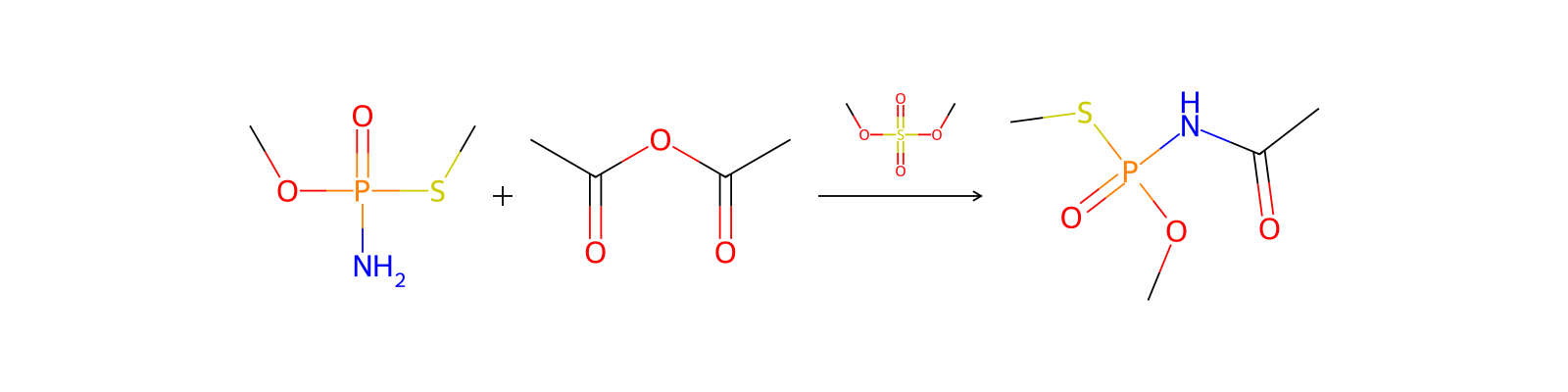
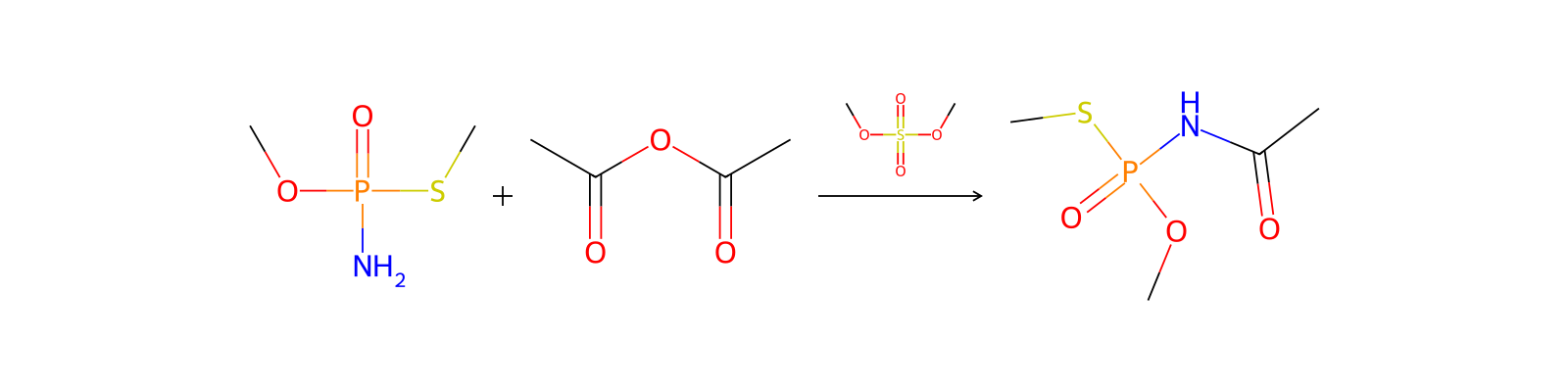
Produced by acetylation of O,O-dimethyl phosphoroamidothioate followed by isomerization.
Acephate may be produced by the acetylation of O,O-dimethylphosphoroamidothioate, (which is prepared from O,O-dimethylphosphorothioic acid chloride and ammonia).
Preparation and activity: Magee, US 3716600 and US 3845172 (1973, 1974 both to Chevron).
BONIDE SYSTEMIC INSECTICIDE GRANULES Active Ingredient 1.5% Acephate
DEXOL SYSTEMIC PLANT CARE Active Ingredient 1.5% Acephate
MULTITUDE 75WSP INSECTICIDE Active Ingredient 75.0% Acephate
ORTHENE SYSTEMIC ROSE & FLOWER CARE and ORTHENE GRANUALS Active Ingredient 1.5 % Acephate
For more Formulations/Preparations (Complete) data for ACEPHATE (20 total), please visit the HSDB record page.
Insecticides
Environmental transformation -> Pesticides (parent, predecessor)
INSECTICIDES
The WHO Recommended Classification of Pesticides by Hazard identifies Acephate (technical grade) as Class III: slightly hazardous; Main Use: insecticide.
A systemic insecticide of moderate persistence with residual activity lasting about 10-15 days.
DescriptionAcephate(also known as Orthene) is a kind of organophosphate foliar insecticide which can be used for the treatment of leaf miners, caterpillars, sawflies and thrips in crops and aphides in vegetables and horticulture. It is one of the 10 most important organophosphate insecticides in the 1990s, and is still being widely used today. It takes effect through inhibiting the activity of acetylcholinesterase (Ache) after being metabolically converted to methamidophos. Since it can’t be converted to methamidophos, it is thought to cause no effect on animals and human beings.
DescriptionAcephate is an organophosphate foliar spray insecticide of moderate persistence with residual systemic activity. It is a contact and systemic insecticide and very effective against a large number of crop pests such as alfalfa looper, aphids, armyworms, bagworms, bean leaf beetle, bean leafroller, black grass bugs, bollworm, budworm, and cabbage looper. Acephate is a colourless to white solid organophosphate insecticide. Exposures to acephate cause poisoning to animals and humans. Acephate inhibits acetylcholine esterase (AchE), the essential nervous system enzyme, and causes characteristic organophosphate poisoning. The symptoms of toxicity include, but are not limited to, headache, nervousness, blurred vision, weakness, nausea, fatigue, stomach cramps, diarrhoea, difficulty in breathing, chest pain, sweating, pinpoint pupils, tearing, salivation, clear nasal discharge and sputum, vomiting, muscle twitching, muscle weakness, and, in severe poisoning, convulsions, respiratory depression, coma, and death. Acephate causes cholinesterase inhibition leading to overstimulation, respiratory paralysis, and death. The U.S. EPA classified acephate as Group C, meaning a possible human carcinogen, and therefore requires judicious handling and management.
UsesContact and systemic insecticide for control of sucking and chewing insects in cotton, ornamentals, forestry, tobacco, fruits, vegetables and other crops
UsesAcephate is used to control a wide range of sucking and chewing insects in a large number of crops.
UsesAcephate is an organophosphate foliar spray insecticide of moderate persistence with residual systemic activity. It is a contact and systemic insecticide and very effective against a large number of crop pests, such as alfalfa looper, aphids, armyworms, bagworms, bean leafbeetle, bean leafroller, blackgrass bugs, bollworm, budworm, and cabbage looper.
General DescriptionA white solid. Used as a contact and systemic insecticide.
DefinitionChEBI: A phosphoramide that is methamidophos in which one of the hydrogens is replaced by an acetyl group.