
HRID 147144As reactant

4170-30-3CC=CC=OMLUCVPSAIODCQM-UHFFFAOYSA-N(2EZ)-crotonaldehyde has been reported in Patrinia villosa with data available.
4170-30-3DTXSID8024864CHEMBL3561468Safety information is for reference only and does not replace the supplier’s Safety Data Sheet (SDS), applicable regulations, or professional assessment.
Danger
H301: Toxic if swallowed [Danger Acute toxicity, oral]
P203, P260, P261, P262, P264, P264+P265, P270, P271, P272, P280, P284, P301+P316, P301+P330+P331, P302+P352, P302+P361+P354, P304+P340, P305+P354+P338, P316, P317, P318, P319, P320, P321, P330, P333+P317, P361+P364, P362+P364, P363, P403+P233, P405, and P501 (click each P-code to see the statement)
DescriptionCrotonaldehyde is a clear, colorless to straw-colored liquid with a strong suffocating odor. It is highly flammable and produces toxic vapors at room temperature. Crotonaldehyde is found naturally in emissions of some vegetation and volcanoes; many foods contain crotonaldehyde in small amounts. Crotonaldehyde is an important environmental pollutant. It is formed during combustion of carbon-containing fuels and other materials. Lipari et al. calculated an emission of 140–2700 metric tons of crotonaldehyde per year in the United States due to burning of wood in fireplaces, based on the consumption of firewood. Concentrations of 0.02–17 mgm-3 were measured in automobile exhausts; however, surprisingly low concentrations of crotonaldehyde in the range of 1.1–2.1 μgm-3 were found near highways at a distance of 1 m. In addition, relatively high amounts of 72–228μg of crotonaldehyde are formed from each smoked cigarette. Crotonaldehyde is evidently also formed during biological degradation of organic material such as plants. In exhausts of house garbage compost plants, amounts of 2.9 mgm-3 were measured. Strongly varying concentrations of crotonaldehyde are reported to occur in food, e.g., in fish (71–1000 μg kg-1), in meat (10–270 μg kg-1), and in fruits and vegetables (1–100 μg kg-1). Crotonaldehyde was also found in alcoholic beverages like wine (0.3–1.24 mg l-1) or whisky (30– 210 μg l-1). Crotonaldehyde is an important industrial chemical (e.g., for the synthesis of tocopherol (vitamin E), the food preservative sorbic acid, and the solvent 3-methylbutanol), but it is also a contaminant and by-product in various chemical processes.
UsesCrotonaldehyde is used in organic synthesis, in the manufacture of butyl alcohol and butyraldehyde, and as a warning agent in fuel gases. It is also used in the manufacture of nbutanol and sorbic acid as well as in the production of flavoring agents, surface-active agents, textiles, and insecticidal compounds.
UsesIntermediate for the production of scorbic acid; formerly used in the manufacture of n-butyl alcohol; formed during the combustion of fossil fuels
Usesmanufacture of butyl alcohol, butyraldehyde, methoxybutyraldehyde, sorbic acid, maleic acid, crotonic acid, crotyl alcohol. In polymer chemistry: manufacture of resins and polyvinyl acetals, solvent for polyvinyl chloride, rubber antioxidant, increases rubber strength with ketones. In preparation of insecticides and fertilizers. In production of flavors.
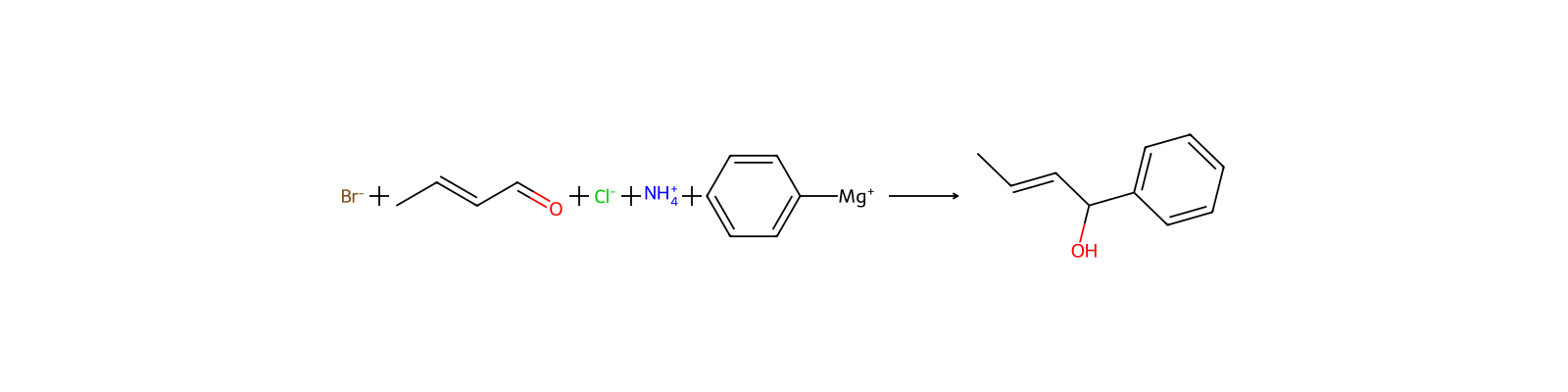



General DescriptionA clear colorless to straw colored liquid with a penetrating pungent odor. Flash point 55°F. Density 7.1 lb / gal. Very toxic by inhalation. May polymerize with the release of heat under exposure to heat or contamination. If polymerization takes place inside a container, the container may rupture violently. Less dense than water. Vapors heavier than air.
DefinitionCommercial crotonaldehyde is the trans isomer.