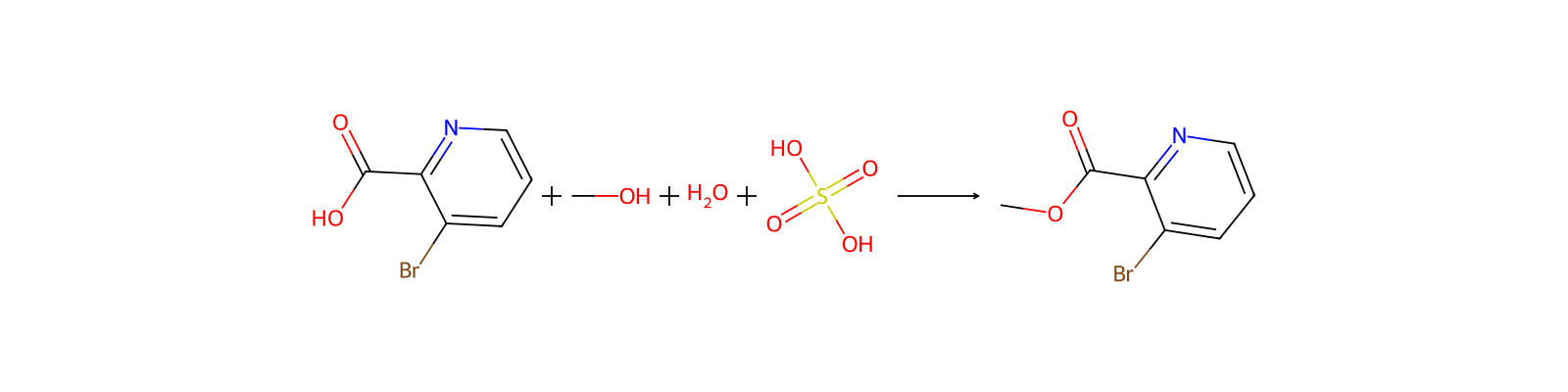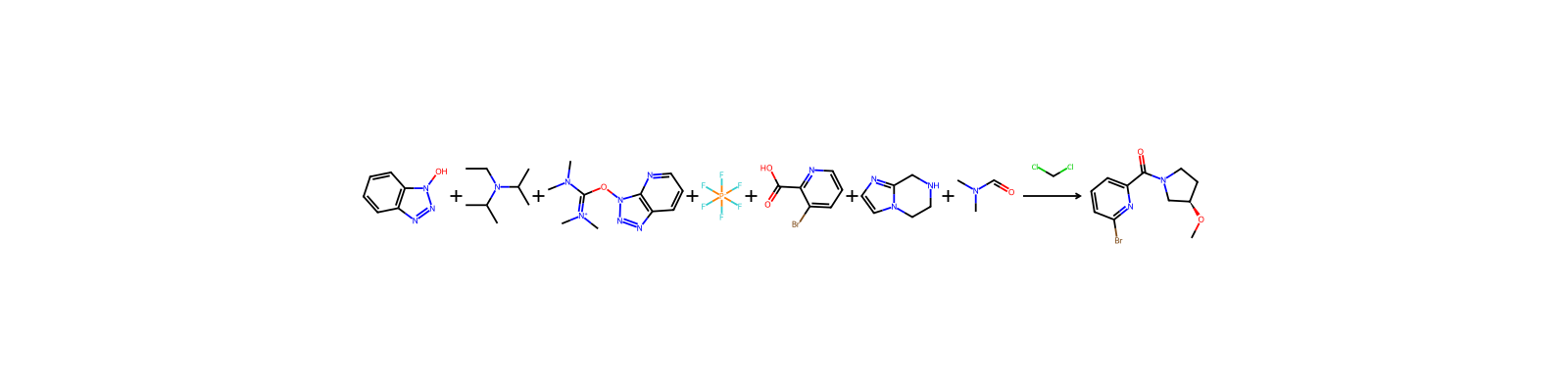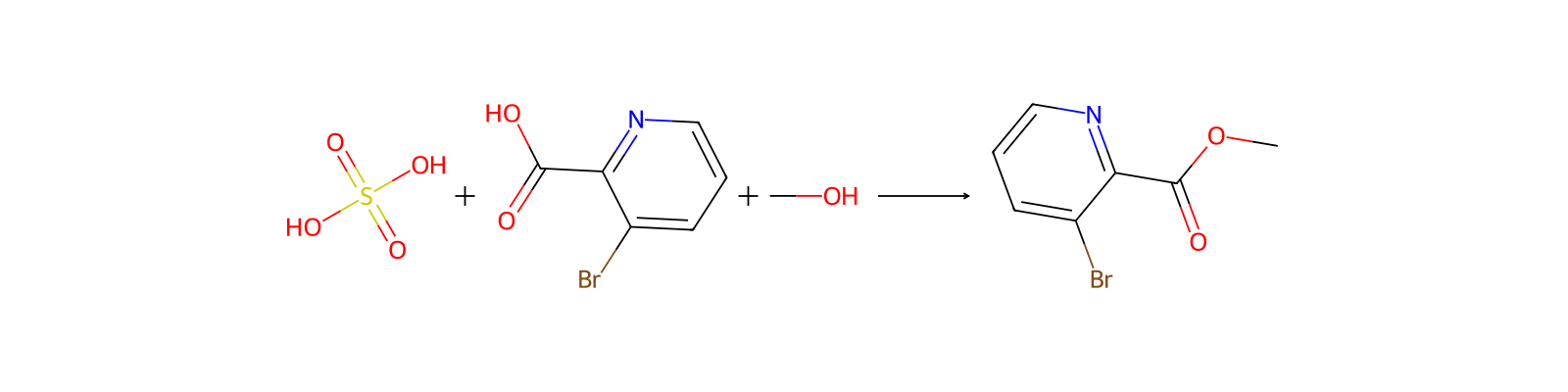
HRID 41614As reactant
Completing data — refresh the page later to see the latest
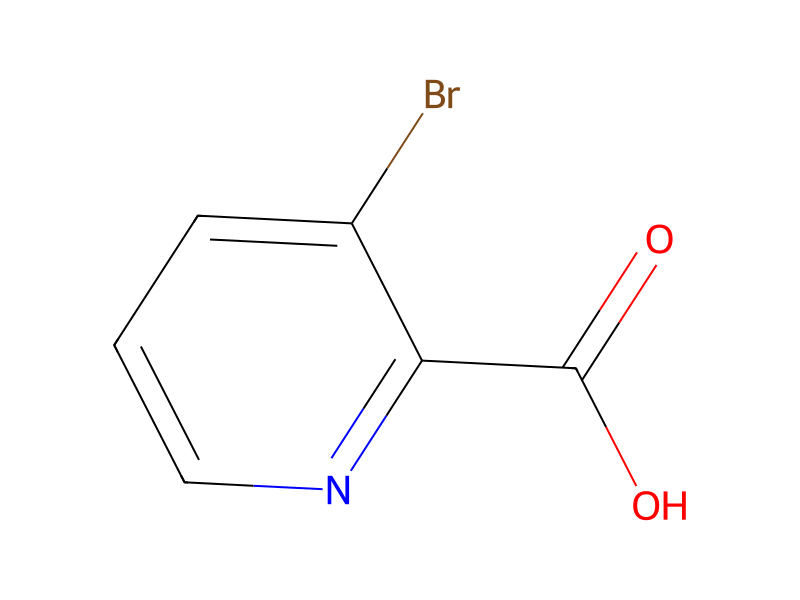
30683-23-9O=C(O)c1ncccc1BrKBDIRPOTVAODSA-UHFFFAOYSA-N30683-23-9DTXSID10365990Safety information is for reference only and does not replace the supplier’s Safety Data Sheet (SDS), applicable regulations, or professional assessment.
Warning
H315 (100%): Causes skin irritation [Warning Skin corrosion/irritation]
P261, P264, P264+P265, P271, P280, P302+P352, P304+P340, P305+P351+P338, P319, P321, P332+P317, P337+P317, P362+P364, P403+P233, P405, and P501 (click each P-code to see the statement)
Aggregated GHS information provided per 2 reports by companies from 2 notifications to the ECHA C&L Inventory. Each notification may be associated with multiple companies.
PreparationMercuric pyridine-2,3-dicarboxylate was decarboxylated in hot Me₂SO₄ or HMPA to give a mixture of I (major product) and II ( ). I and II (RR1= bond) react with Cl⁻ or I⁻ to give a mixture. (R = Cl, iodo; R1 = h). Tribromide ions I and II (RR1= bond) give I, II (R = Br, R1 = H), and then iodide ions in hot HOAc, I and II (RR1= bond) give bis(carboxypyridyl)mercuric III (X = H + HgI₃⁻). The solution of III (X = electron pair) is deposited in Me₂SO₄. The pyridine-2,3-dicarboxylate ions react with Hg(OAc)₂ in boiling aq. HOAc solution at pH 5.0–5.8 to give MeCO₂HgCH₂CO₂H as the sole organometallic product, which is purified by silica gel column chromatography to give 3-BROMOPYRIDINE-2-CARBOXYLIC ACID.