
3-Methyl-2-nitrophenol
Completing data — refresh the page later to see the latest
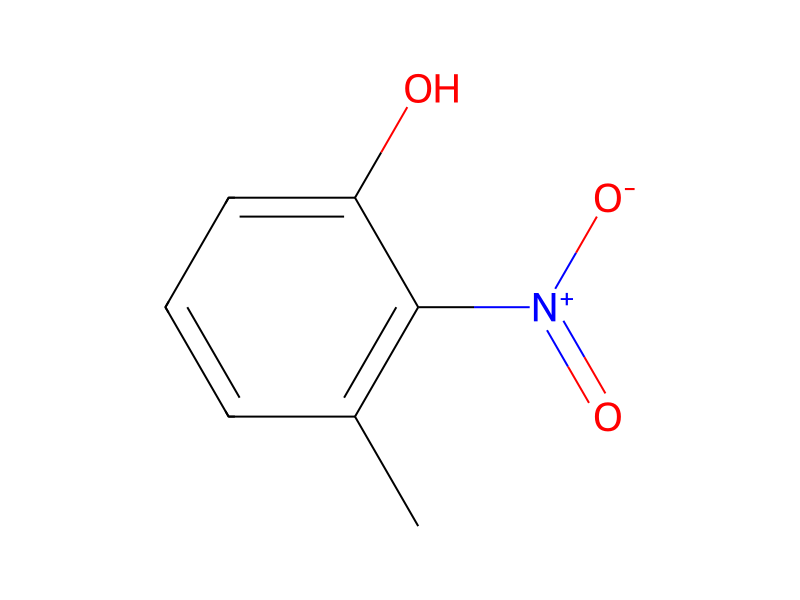
Basic information
- CAS
4920-77-8- Standard SMILES
Cc1cccc(O)c1[N+](=O)[O-]- InChIKey
QIORDSKCCHRSSD-UHFFFAOYSA-N- Molecular formula
- C7H7NO3
- Average molar mass
- 153.14 g/mol
- Monoisotopic mass
- 153.04259308
Overview
structure in first source
Names & identifiers
- Preferred name
- 3-Methyl-2-nitrophenol
- IUPAC
- 3-methyl-2-nitrophenol
- English name
- 3-Methyl-2-nitrophenol
- Molecular formula
- C7H7NO3
- Molecular weight
- 153.14
Names & synonyms
3-METHYL-2-NITROPHENOL4920-77-82-Nitro-m-cresolPhenol, 3-methyl-2-nitro-m-Cresol, 2-nitro-I4QBB2L3C0NSC-41206DTXSID90197716RefChem:94736DTXCID50120207225-546-92-Nitro-3-methylphenol
Show more names
2-METHYL-6-NITROPHENOLWNR BQ F1Nitrocresol2-Nitro-m-kresol2-Nitro-m-cresol>3-Methyl-2-nitrophen
MFCD000071253-methyl-2-nitro-phenol2-Nitro-3-hydroxytoluene3-Hydroxy-2-nitrotoluene2-Nitro-3-cresol2-HYDROXY-6-METHYLNITROBENZENE2-hydroxy-6-methyl-nitrobenzeneUNII-I4QBB2L3C0
Database identifiers
- CAS
4920-77-8- PubChem CID
- 21026
- DTXSID
DTXSID90197716- UNII
- I4QBB2L3C0
- EC Number
- 225-546-9
- Nikkaji
- J2.222E
Properties
Computed structural propertiesFilling in
- XLogP
- 2.3
- Topological polar surface area
- 66.1 Ų
- Hydrogen bond donors
- 1
- Hydrogen bond acceptors
- 3
- Rotatable bonds
- 0
- Heavy atoms
- 11
- Formal charge
- 0
- Complexity
- 154
Experimental & physicochemical properties
SpringerMaterials PropertiesBoiling point
LogP2.29
Physicochemical properties
- Melting point
- 35 · 35-39 °C (lit.)
- Boiling point
- 106 · 106-108 °C/9.5 mmHg (lit.)
- Density
- 1.2744 · 1.2744 (estimate)
- refractive index
- 1.5744 · 1.5744 (estimate)
- Flash point
- 225 °F · 225 °F
- storage temp.
- Inert atmosphere,Room Temperature
- solubility
- Chloroform (Slightly), Dichloromethane, Methanol (Slightly)
- form
- Solid
- pka
- 7 · 7.00±0.10(Predicted)
- color
- Light Yellow to Yellow
- BRN
- 2047479 · 2047479
Safety & regulation
Safety information is for reference only and does not replace the supplier’s Safety Data Sheet (SDS), applicable regulations, or professional assessment.
GHS classification
GHS Classification
Warning
H302 (97.7%): Harmful if swallowed [Warning Acute toxicity, oral]
P261, P264, P264+P265, P270, P271, P280, P301+P317, P302+P352, P304+P340, P305+P351+P338, P317, P319, P321, P330, P332+P317, P337+P317, P362+P364, P403+P233, P405, and P501 (click each P-code to see the statement)
Aggregated GHS information provided per 44 reports by companies from 7 notifications to the ECHA C&L Inventory. Each notification may be associated with multiple companies.
Hazard information
Hazard Classes and CategoriesAcute Tox. 4 (97.7%)
Safety data
- F
- 10
- PPE
- dust mask type N95 (US), Eyeshields, Gloves
- wgk
- 3
- ridadr
- UN 3434 6.1/PG III (NITROCRESOLS, LIQUID)
- hs_code
- 29071990
- risk_code
- 20/21/22-36/37/38
- Signal word
- Warning
- Symbol(GHS)
- GHS07
- hazard_code
- Xn,Xi
- hazard_note
- Harmful/Irritant
- safety_code
- 26-36/37-37/39-36
- hazard_class
- 6.1(b)
- Storage Class
- 6.1C - Combustible acute toxic Cat.3toxic compounds or compounds which causing chronic effects
- packing_group
- III
Chemistry & industry
Applications
UsesA nitrophenol derivative as antitumor agent.
Uses3-Methyl-2-nitrophenol was used to investigate the formation of nitrous acid (HONO) in the gas phase in a flow tube photoreactor upon irradiation of ortho-nitrophenols.
General Description3-Methyl-2-nitrophenol is also referred as 3-methyl-2-nitro-1-hydroxybenzene. FT-IR and FT-Raman spectra of 3-methyl-2-nitrophenol has been studied.
Upstream & downstream products
Downstream products
Related reactions
40 records




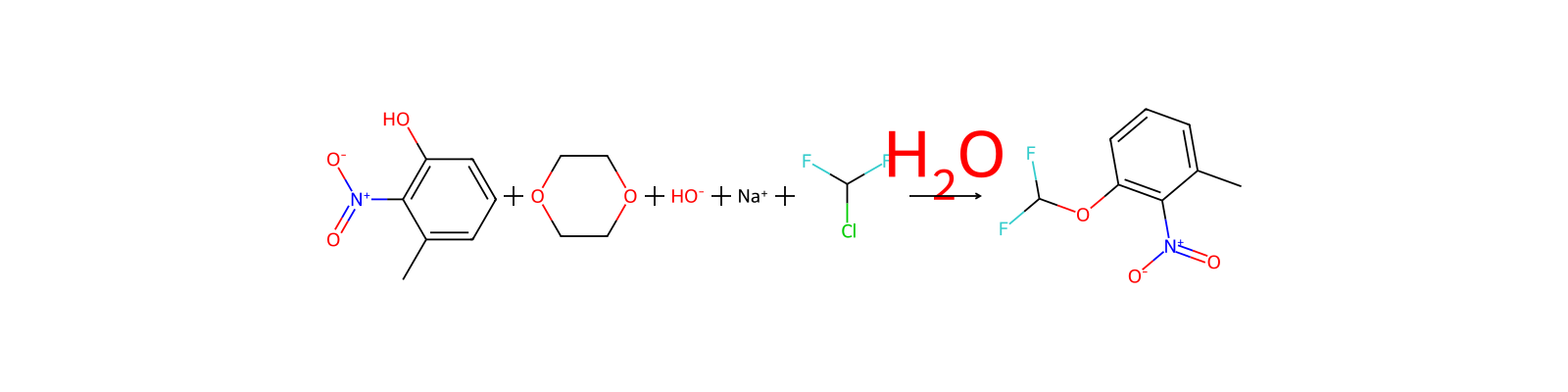


Compound notes
Loading…