Ethyl Maltol
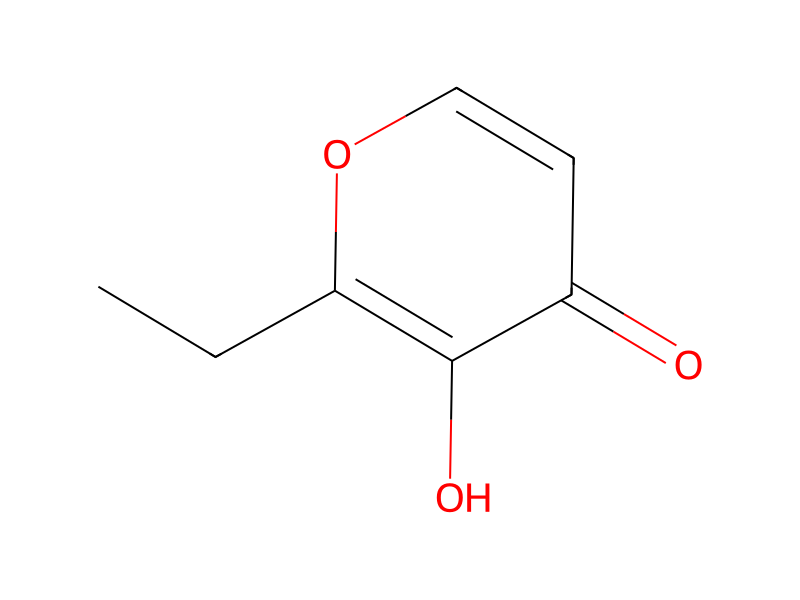
Basic information
- CAS
4940-11-8- Standard SMILES
CCc1occc(=O)c1O- InChIKey
YIKYNHJUKRTCJL-UHFFFAOYSA-N- Molecular formula
- C7H8O3
- Average molar mass
- 140.14 g/mol
- Monoisotopic mass
- 140.04734411
Overview
Ethyl maltol is a pyranone.
Names & identifiers
- Preferred name
- Ethyl Maltol
- IUPAC
- 2-ethyl-3-hydroxypyran-4-one
- English name
- Ethyl maltol
- Molecular formula
- C7H8O3
- Molecular weight
- 140.14
Names & synonyms
Ethyl maltol2-Ethyl-3-hydroxy-4H-pyran-4-one4940-11-82-Ethyl-3-hydroxy-4-pyroneEthylmaltolVeltol plus3-Hydroxy-2-ethyl-4-pyrone2-ethyl-3-hydroxypyran-4-one2-Ethylpyromeconic acid4H-PYRAN-4-ONE, 2-ETHYL-3-HYDROXY-Ethyl HydroxypyroneFEMA No. 3487
Show more names
FEMA 34876-ETHYL-3-HYDROXY-2-METHYL-4H-PYRAN-4-ONE2-ethyl-3-hydroxy-4-pyranoneveltolplusethyl mantol
2-Ethyl pyromeconic acidDTXSID5041516L6Q8K29L05NSC638851NSC-638851DTXCID3021516RefChem:138985225-582-5
Database identifiers
- CAS
4940-11-8- PubChem CID
- 21059
- DTXSID
DTXSID5041516- ChEMBL
CHEMBL121557- ChEBI
CHEBI:169105- UNII
- L6Q8K29L05
- EC Number
- 225-582-5
- Nikkaji
- J35.389B
Properties
Computed structural properties
- XLogP
- 0.8
- Topological polar surface area
- 46.5 Ų
- Hydrogen bond donors
- 1
- Hydrogen bond acceptors
- 3
- Rotatable bonds
- 1
- Heavy atoms
- 10
- Formal charge
- 0
- Complexity
- 213
Experimental & physicochemical properties
FragrancesFragrance Ingredient (Ethyl maltol) -> IFRA transparency List
LogP
0.630
0.6
Food AdditivesCOLOR OR COLORING ADJUNCT, FLAVORING AGENT OR ADJUVANT, PROCESSING AID -> FDA Substance added to food
Flavoring AgentsEU Flavoring substances
Solubility
Sparingly soluble in water, soluble in propylene glycol
Soluble (in ethanol)
Animal DrugsPharmaceuticals -> UK Veterinary Medicines Directorate List
Boiling Point289.00 to 290.00 °C. @ 760.00 mm Hg
Melting Point90 - 91 °C
Physical Description
Solid
White crystalline powder; Sweet fruit-like aroma
Safety & regulation
Safety information is for reference only and does not replace the supplier’s Safety Data Sheet (SDS), applicable regulations, or professional assessment.
GHS classification
GHS Classification
This chemical does not meet GHS hazard criteria for 0.3% (7 of 2365) of reports.
Warning
H302 (99.7%): Harmful if swallowed [Warning Acute toxicity, oral]
P264, P270, P301+P317, P330, and P501 (click each P-code to see the statement)
Aggregated GHS information provided per 2365 reports by companies from 7 notifications to the ECHA C&L Inventory.
Hazard information
Regulatory Information
Chemical: 4H-Pyran-4-one, 2-ethyl-3-hydroxy-
Commission Regulation (EC) No 1565/2000 (Repealed by Com. Implementing Reg. (EU) No 872/2012)
REACH registered substance: 2-ethyl-3-hydroxy-4-pyrone (EC: 225-582-5)
4H-Pyran-4-one, 2-ethyl-3-hydroxy-: Does not have an individual approval but may be used under an appropriate group standard
Hazard Classes and CategoriesAcute Tox. 4 (99.7%)
Safety data
- wgk
- 3
- tsca
- TSCA listed
- rtecs
- UQ0840000
- hs_code
- 29329990
- Toxicity
- LD50 orally in male mice, male rats, female rats, chicks (mg/kg): 780, 1150, 1200, 1270 (Gralla)
- risk_code
- 22
- Signal word
- Warning
- Symbol(GHS)
- GHS07
- hazard_code
- Xn
- safety_code
- 36
- Storage Class
Chemistry & industry
Pharmacology
Cellular LocationsCytoplasm
Uses & manufacturing
Household ProductsInformation on 92 consumer products that contain Ethyl Hydroxypyrone in the following categories is provided:
Use Classification
Fragrance Ingredients
Flavouring Agent -> FLAVOURING_AGENTFood Additives -> FLAVOUR_ENHANCER; STABILIZER -> JECFA Functional Classes
Flavoring Agents -> JECFA Flavorings Index
General Manufacturing Information4H-Pyran-4-one, 2-ethyl-3-hydroxy-: ACTIVE
Applications
OccurrenceHas apparently not been reported to occur in nature.
HistoryIn 1891, Bernhardi first discovered synthesis, and its derivatives are used for therapeutic purposes and can be prepared in industrial experiments. As war ammunition, it was first used by France in fortress warfare, and was prepared before the war. In October 1914, the French used it as a gas grenade, planned for the fortress battle. On January 7, 1915, it was actually used in the forest of Argonnen on the western front of France.
UsesFlavor and fragrance enhancer in foods, especially baked goods, beverages, and synthetic berry and citrus flavorings; minimizes undesirable flavors in tobacco products, cough syrup, vitamins, cosmetics, and saccharin-containing products.
UsesEthyl Maltol is an extract from medicinal plants such as P. Incarnata and can be used as an anticonvulsant, acting as a depressant, and on motor activity.
UsesEthyl Maltol is a flavoring agent that is a white, crystalline powder. it has a unique odor and a sweet taste that resembles fruit. the melt- ing point is 90°c. it is sparingly soluble in water and propylene gly- col and soluble in alcohol and chloroform. it is obtained by chemical synthesis.
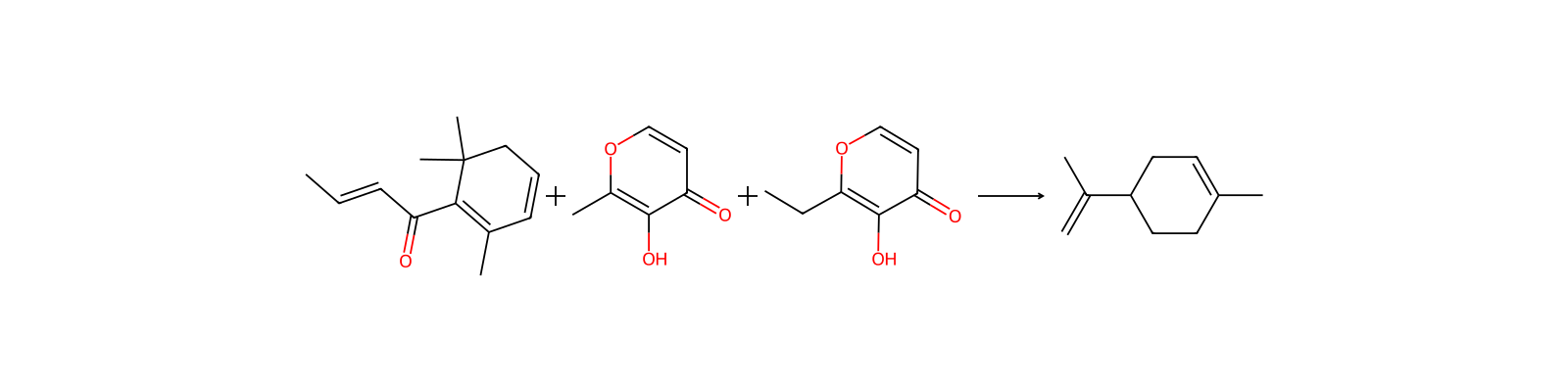
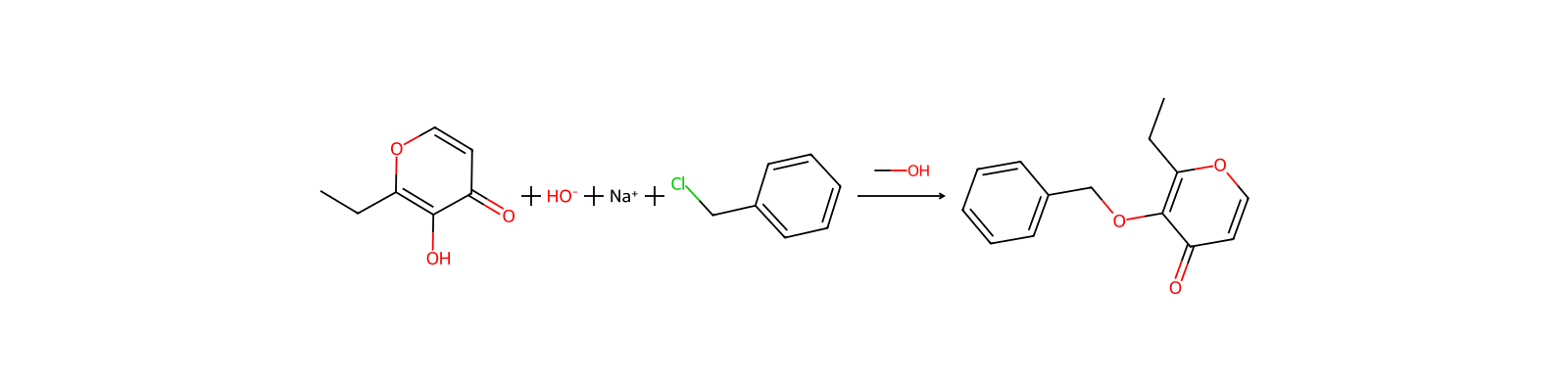
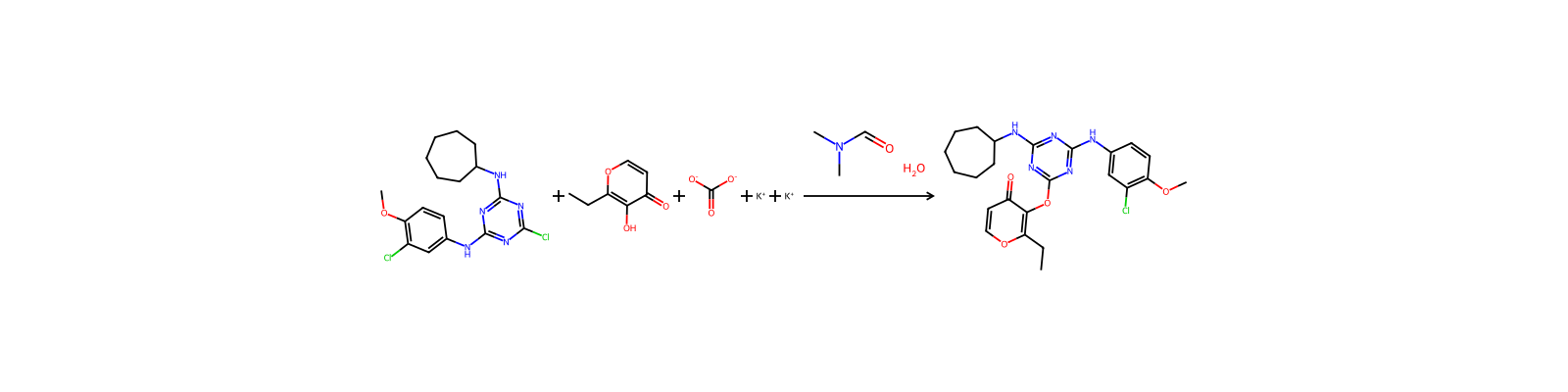
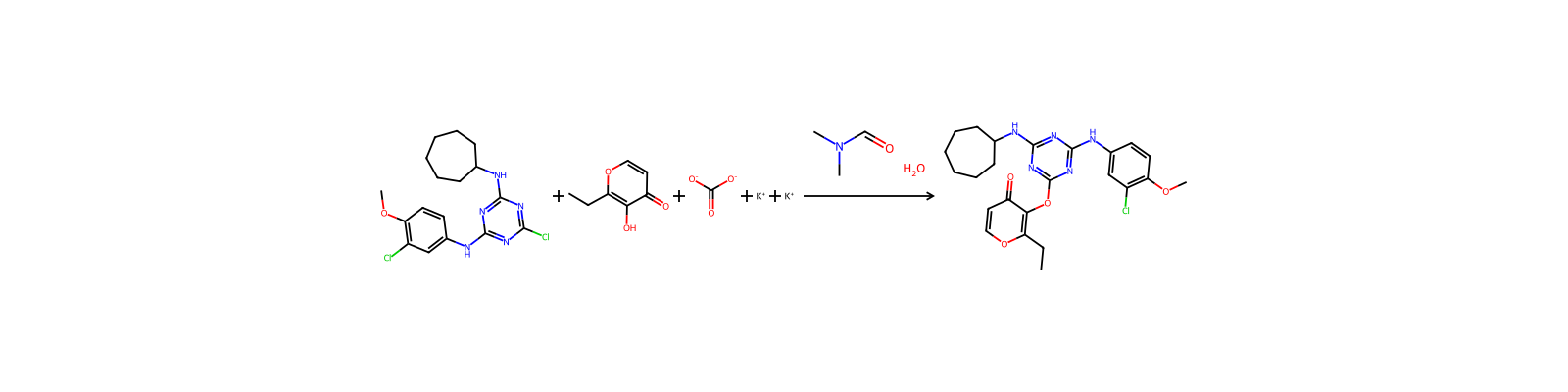
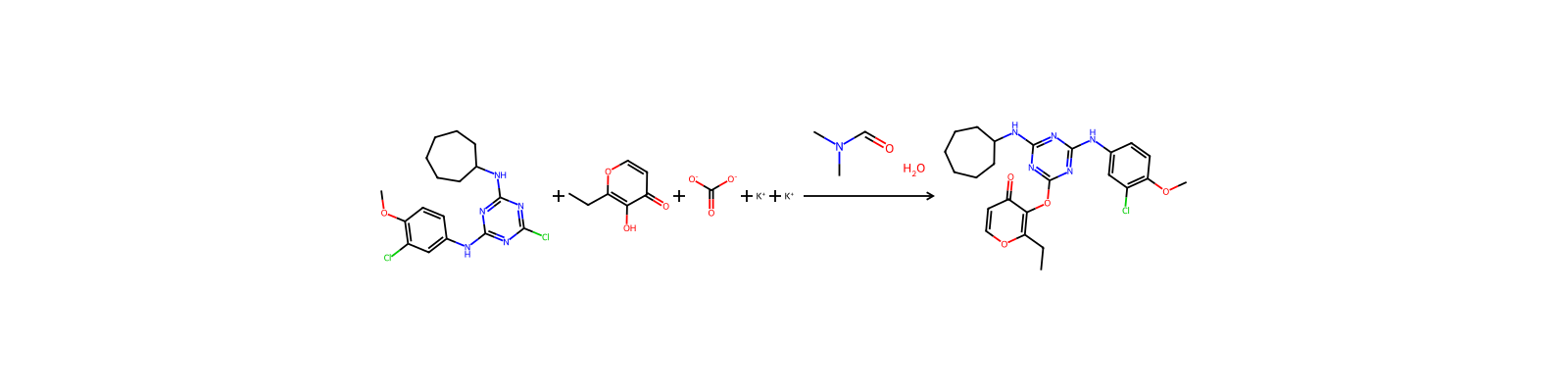
Related reactions
26 records


Compound notes
Loading…