
Homoallyl bromide
Completing data — refresh the page later to see the latest

Basic information
- CAS
5162-44-7- Standard SMILES
C=CCCBr- InChIKey
DMAYBPBPEUFIHJ-UHFFFAOYSA-N- Molecular formula
- C4H7Br
- Average molar mass
- 135 g/mol
- Monoisotopic mass
- 133.97311232
Names & identifiers
- Preferred name
- Homoallyl bromide
- IUPAC
- 4-bromobut-1-ene
- English name
- 4-Bromo-1-butene
- Molecular formula
- C4H7Br
- Molecular weight
- 135
Names & synonyms
4-BROMO-1-BUTENE4-Bromobut-1-ene5162-44-73-Butenyl bromide1-Butene, 4-bromo-1-Bromo-3-buteneHomoallyl bromideQAF6NEE7294-BROMOBUTENE-1EINECS 225-937-4ALLYLCARBINYL BROMIDEDTXSID1063722
Show more names
4-Brombut-1-enhomoallylbromide4-Bromobutene-(1)
RefChem:788449DTXCID70410454-Bromobutene4-bromo-but-1-eneMFCD000002584-bromo-1-buten4-BROMO-1 BUTENE4-bromobuten
Database identifiers
- CAS
5162-44-7- PubChem CID
- 21241
- DTXSID
DTXSID1063722- UNII
- QAF6NEE729
- EC Number
- 225-937-4
- Nikkaji
- J614I
Properties
Computed structural propertiesFilling in
- XLogP
- 2.1
- Topological polar surface area
- 0 Ų
- Hydrogen bond donors
- 0
- Hydrogen bond acceptors
- 0
- Rotatable bonds
- 2
- Heavy atoms
- 5
- Formal charge
- 0
- Complexity
- 24.8
Experimental & physicochemical properties
SpringerMaterials PropertiesSchoenflies notation
LogP2.53
Physicochemical properties
- Melting point
- -115.07 °C · -115.07°C (estimate)
- Boiling point
- 98 · 98-100 °C (lit.)
- Density
- 1.33 g/mL · 1.33 g/mL at 25 °C (lit.)
- refractive index
- 20 · n20/D 1.462(lit.)
- Flash point
- 49 °F · 49 °F
- storage temp.
- 30 °C · Store below +30°C.
- solubility
- 0.76 g/l · 0.76g/l
- form
- Liquid
- color
- Clear colorless to light brownish
- Specific Gravity
- 1.33 · 1.330
- Water Solubility
- Miscible with water, benzene, ether and ethanol.
Safety & regulation
Safety information is for reference only and does not replace the supplier’s Safety Data Sheet (SDS), applicable regulations, or professional assessment.
GHS classification
GHS Classification
Danger
H225 (100%): Highly Flammable liquid and vapor [Danger Flammable liquids]
P210, P233, P240, P241, P242, P243, P260, P261, P264+P265, P271, P272, P280, P284, P302+P352, P303+P361+P353, P304+P340, P305+P351+P338, P319, P321, P333+P317, P337+P317, P342+P316, P362+P364, P370+P378, P403, P403+P233, P403+P235, P405, and P501 (click each P-code to see the statement)
Aggregated GHS information provided per 59 reports by companies from 16 notifications to the ECHA C&L Inventory. Each notification may be associated with multiple companies.
Hazard information
Regulatory Information
Status: Active Update: 30-05-2018 https://echa.europa.eu/registration-dossier/-/registered-dossier/25534
4-Bromo-1-butene: Does not have an individual approval but may be used under an appropriate group standard
Hazard Classes and CategoriesFlam. Liq. 2 (100%)
Safety data
- F
- 8-19
- PPE
- Eyeshields, Faceshields, Gloves, type ABEK (EN14387) respirator filter
- wgk
- 3
- tsca
- TSCA listed
- ridadr
- UN 1993 3/PG 2
- hs_code
- 29033036
- risk_code
- 11-36/37-42/43
- Signal word
- Danger
- Symbol(GHS)
- GHS02,GHS07,GHS08
- hazard_code
- F,Xn,Xi
Chemistry & industry
Uses & manufacturing
General Manufacturing Information1-Butene, 4-bromo-: ACTIVE
Applications
Uses4-Bromo-1-butene is a brominated alkene used as a reagent in organic synthesis.
Uses4-Bromo-1-butene is used in the preparation of 4-(3-butenyloxy)benzoic acid and largazole. It is also used in double alkylation of lactams followed by Grubbs ring-closing metathesis to yield gymnodimine. Further, it serves as a reagent in the preparation of dienehydrazides.
General DescriptionStereoselective epoxidation of 4-bromo-1-butene was carried out with three alkene-utilizing bacteria: Mycobacterium LI, Mycobacterium E3 and Nocardia IP1.
Upstream & downstream products
Upstream raw materials
Downstream products
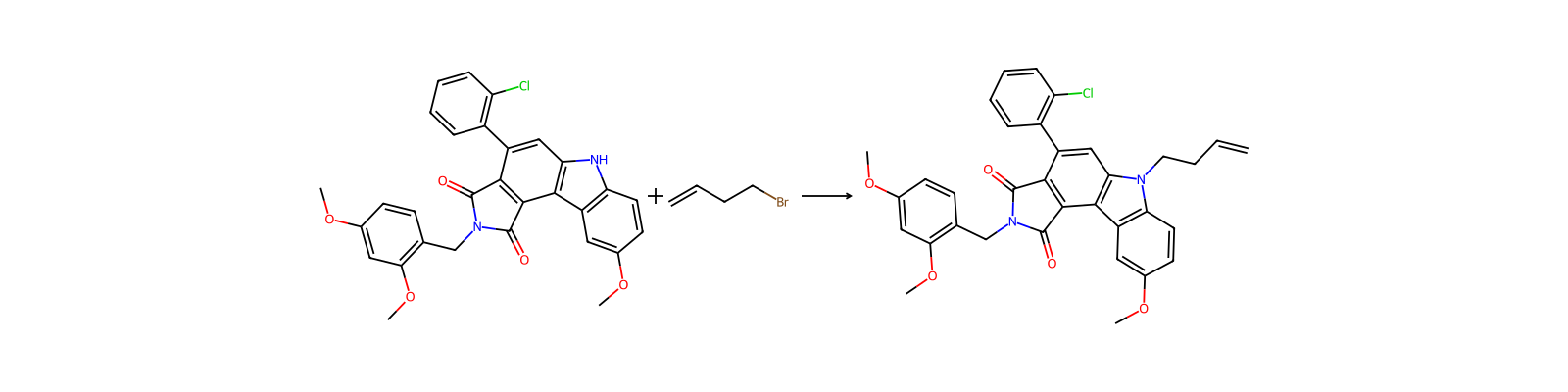
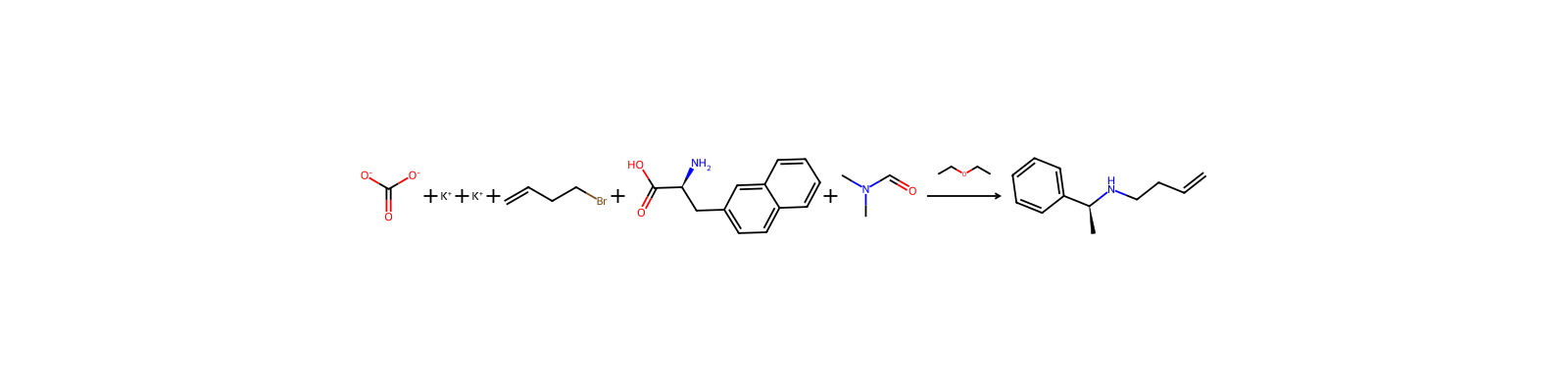
Related reactions
302 records




Compound notes
Loading…