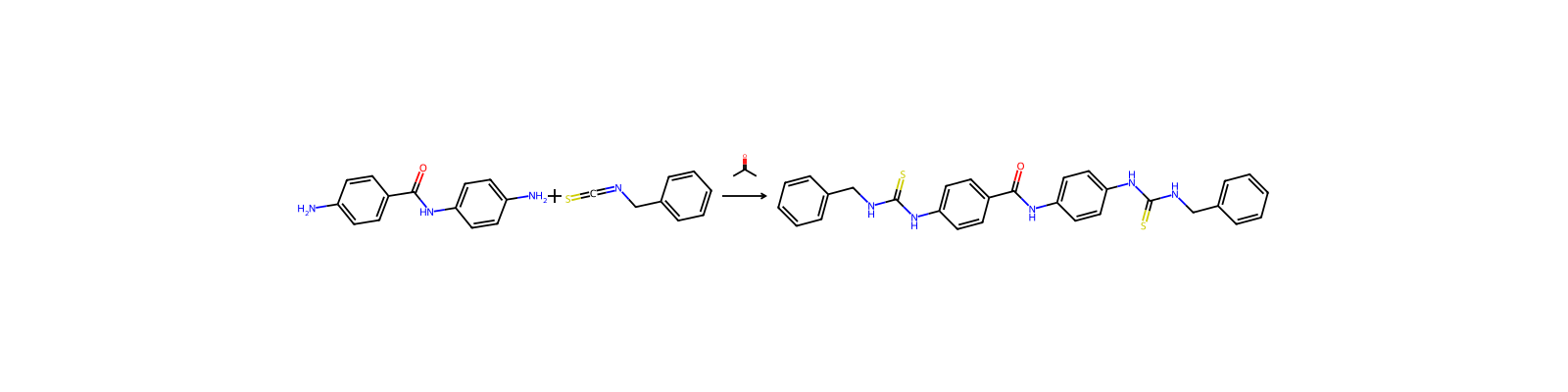
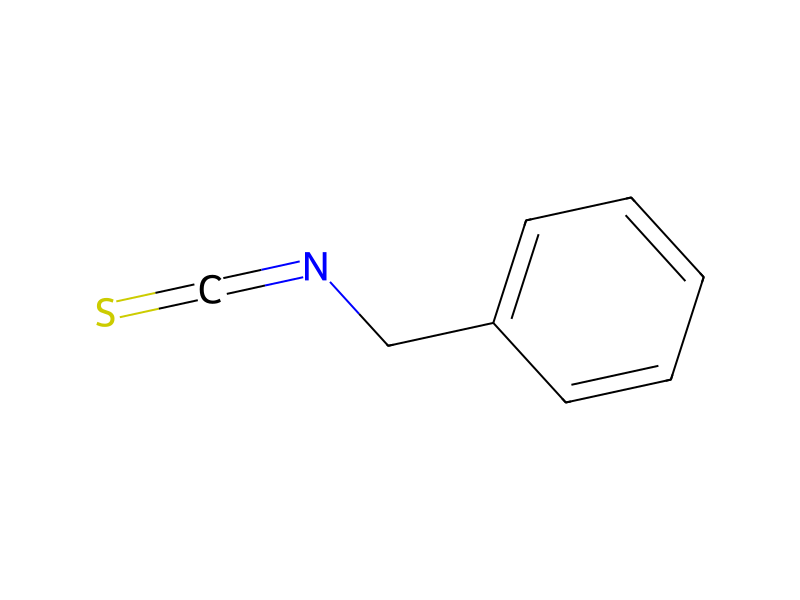
Basic information
- Standard SMILES
S=C=NCc1ccccc1- InChIKey
MDKCFLQDBWCQCV-UHFFFAOYSA-N- Molecular formula
- C8H7NS
- Average molar mass
- 149.21 g/mol
- Monoisotopic mass
- 149.0299204
Names & identifiers
- Preferred name
- Benzyl Isothiocyanate
- IUPAC
- isothiocyanatomethylbenzene
- English name
- Benzyl isothiocyanate
- Molecular formula
- C8H7NS
- Molecular weight
- 149.21
Names & synonyms
benzyl isothiocyanate622-78-6Benzylisothiocyanate(Isothiocyanatomethyl)benzeneBenzylsenfoelTromacapsTromalytUrogranBenzene, (isothiocyanatomethyl)-Isothiocyanic acid, benzyl esterisothiocyanatomethylbenzeneBITC
Show more names
1-(ISOTHIOCYANATOMETHYL)BENZENEAB 2NSC 118976benzylmustardoil
DTXSID0020155phenylmethyl isothiocyanatePMITC cpd871J6YOR8QNSC118976NSC-118976DTXCID60155FEMA NO. 4428
Database identifiers
- CAS
622-78-6- PubChem CID
- 2346
- DTXSID
DTXSID0020155- ChEMBL
CHEMBL55285- ChEBI
CHEBI:17484- UNII
- 871J6YOR8Q
- EC Number
- 210-753-9
- Nikkaji
- J6.842J
Properties
Computed structural properties
- XLogP
- 3.2
- Topological polar surface area
- 44.5 Ų
- Hydrogen bond donors
- 0
- Hydrogen bond acceptors
- 2
- Rotatable bonds
- 2
- Heavy atoms
- 10
- Formal charge
- 0
- Complexity
- 132
Physicochemical properties
- Melting point
- 41 °C · 41 °C
- Boiling point
- 242 · 242-243 °C(lit.)
- Density
- 1.125 g/mL · 1.125 g/mL at 25 °C(lit.)
- refractive index
- 20 · n20/D 1.6018(lit.)
- FEMA
- 4428 · 4428 | BENZYL ISOTHIOCYANATE
- FLAVIS Number
- 12.102 · 12.102 | Benzyl isothiocyanate
- Flash point
- 235 °F · >235 °F
- storage temp.
- 2 · 2-8°C
- solubility
- 0.1 g/l · 0.1g/l
- form
- Liquid
- Specific Gravity
- 1.125 · 1.125
- color
- Clear yellow
- Odor
- 0.1 % · at 0.10 % in dipropylene glycol. mild watercress dusty medicinal horseradish oily
- Odor Type
- watercress
- biological source
- synthetic
- Water Solubility
- Hydrolyzes in water.
- Sensitive
- Moisture Sensitive
- JECFA Number
- 1562 · 1562
- BRN
- 386135 · 386135
- Major Application
- flavors and fragrances
- InChI
- 1S/C8H7NS/c10-7-9-6-8-4-2-1-3-5-8/h1-5H,6H2
- InChIKey
- MDKCFLQDBWCQCV-UHFFFAOYSA-N
- SMILES
- S=C=NCc1ccccc1
- LogP
- 3.16 · 3.16
- CAS DataBase Reference
- 622 · 622-78-6(CAS DataBase Reference)
- Substances Added to Food (formerly EAFUS)
- BENZYL ISOTHIOCYANATE
- FDA UNII
- 871 J6YOR8Q · 871J6YOR8Q
- EPA Substance Registry System
- Benzene, (isothiocyanatomethyl)- (622-78-6)
- UNSPSC Code
- 85151701 · 85151701
- NACRES
- 24 · NA.24
- Symbol(GHS)
- 7 · GHS07,GHS08
- Signal word
- Danger
- Hazard statements
- 302 · H302-H315-H317-H319-H334-H335
- Precautionary statements
- 261 · P261-P264-P280-P301+P312-P302+P352-P305+P351+P338
- target organs
- Respiratory system
- PPE
- Eyeshields, Faceshields, Gloves, type ABEK (EN14387) respirator filter
- Hazard Codes
- Xn,C,T
- Risk Statements
- 20 · 20/21/22-36/37/38-42/43
- Safety Statements
- 26 · 26-36/37/39
- RIDADR
- 2810 · 2810
- WGK Germany
- 3 · 3
- RTECS
- 8250000 · NX8250000
- F
- 8 · 8-19-21
- Hazard Note
- Corrosive/Harmful/Store under nitrogen
- TSCA
- TSCA listed
- HazardClass
- 8 · 8
- PackingGroup
- III
- HS Code
- 29309090 · 29309090
- Storage Class
- 10 · 10 - Combustible liquids
- Hazard Classifications
- 4 OralEye · Acute Tox. 4 OralEye Irrit. 2Resp. Sens. 1Skin Irrit. 2Skin Sens. 1STOT SE 3
- Toxicity
- 150 mg/plate · mmo-sat 150 mg/plate ABCHA6 44,3017,80
- Limited Quantities
- 5 L · 5.0 L (1.3 gallons) (liquid) or 5.0 kg (11 lbs) (solid)
- Excepted Quantities
- Max Inner Pack (30g or 30ml) and Max Outer Pack (1Kg or 1L)
Safety & regulation
Safety data
- F
- 8-19-21
- PPE
- Eyeshields, Faceshields, Gloves, type ABEK (EN14387) respirator filter
- wgk
- 3
- tsca
- TSCA listed
- rtecs
- NX8250000
- ridadr
- 2810
- hs_code
- 29309090
- Toxicity
- mmo-sat 150 mg/plate ABCHA6 44,3017,80
- risk_code
- 20/21/22-36/37/38-42/43
- Signal word
- Danger
- Symbol(GHS)
- GHS07,GHS08
- hazard_code
- Xn,C,T
- hazard_note
- Corrosive/Harmful/Store under nitrogen
- safety_code
- 26-36/37/39
- hazard_class
- 8
- Storage Class
- 10 - Combustible liquids
- packing_group
- III
- target organs
- Respiratory system
- Hazard statements
- H302-H315-H317-H319-H334-H335
- Limited Quantities
- 5.0 L (1.3 gallons) (liquid) or 5.0 kg (11 lbs) (solid)
- Excepted Quantities
- Max Inner Pack (30g or 30ml) and Max Outer Pack (1Kg or 1L)
- Hazard Classifications
- Acute Tox. 4 OralEye Irrit. 2Resp. Sens. 1Skin Irrit. 2Skin Sens. 1STOT SE 3
- Precautionary statements
- P261-P264-P280-P301+P312-P302+P352-P305+P351+P338
Chemistry & industry
Applications
OccurrenceReported found in common cress, Lepidium sativum, nasturtium, and Tropaeolum majus.
Usesantineoplastic, antibacterial, antifungal
UsesBenzyl isothiocyanate has been used in the preparation of S-(N-benzylthiocarbamoyl)-L-glutathione and S-(N-benzylthiocarbamoyl)-L-cysteine.
UsesA novel medical application of isothiocyanate ester in treating various leukemia, with low toxicity, which includes benzyl isothiocyanate, phenylethyl isothiocyanate, allyl isothiocyanate, sulforaphane, and erucin. Benzyl isothiocyanate (BITC) inhibits the growth of human pancreatic cancer cells by inducing apoptosis.
General DescriptionBenzyl isothiocyanate is a naturally-occurring constituent of cruciferous vegetables. It has antibacterial properties and its metabolism in man has been investigated. It inhibits chemically induced cancer in animal models.
Preparation methods
PreparationBenzyl isothiocyanate is synthesized by the following two methods: I) from Benzylamine via Thiuramdisulfide via Sodiumsalt with Iodine to Benzyl-isothiocyanate. 2) from Benzylamine and Thiocarbonyl chloride.
Upstream & downstream products
Downstream products
Suppliers50 total
国药集团化学试剂有限公司86-21-63210123 · [email protected]
常州帝通化工有限公司+86-0519-88298848 · [email protected]
梯希爱(上海)化成工业发展有限公司021-67121386 · [email protected]
上海阿拉丁生化科技股份有限公司400-6206333 13167063860 · [email protected]
Shandong chuangyingchemical Co., Ltd.18853181302 · [email protected]
上海策嵘生物科技有限公司[email protected]
成都彼样生物科技有限公司18108052721 · [email protected]
武汉欣扬瑞和化学科技有限公司153-07155313 15307155313 · [email protected]
河北创海生物科技有限公司+86-86-13131129325 · [email protected]
Dayang Chem (Hangzhou) Co.,Ltd.+86-0571-88938639 17705817739 · [email protected]
科瑞迪化学400-821-5857 021-64326257 · [email protected]
Syntechem Co.,Ltd[email protected]
上海迈瑞尔生化科技有限公司4006356688 18621169109 · [email protected]
北京华威锐科化工有限公司0757-86329057 18934348241 · [email protected]
上海晶抗生物工程有限公司021-54721350 13524668266 · [email protected]
北京东华力拓科技发展有限公司010-88425576 · [email protected]
阿法埃莎(中国)化学有限公司400-6106006 · [email protected]
安耐吉化学&3A(安徽泽升科技股份有限公司)400-0056266 · [email protected]
武汉凯威斯科技有限公司86-027-67849912 · [email protected]
上海瀚鸿科技股份有限公司021-54306202 13764082696 · [email protected]
石家庄利达化学品有限公司+86 (311) 8573-7996 · [email protected]
凯试(上海)科技有限公司021-50135380 · [email protected]
山东西亚化学有限公司13355009207 13355009207 · [email protected]
上海耐士化工科技有限公司400-188-0725 +86 21 34310725 13611771617
北京泰亚杰科技有限公司021-33690831-8001 13552411790;18616022633 · [email protected]
赛默飞世尔科技(中国)有限公司800-810-5118 · [email protected]
北京伊诺凯科技有限公司400-810-7969 010-59572699 · [email protected]
江苏艾康生物医药研发有限公司025-66113011 13913916777 · [email protected]
上海健超生物科技有限公司150-2103-5486 18017383231 · [email protected]
TCI AMERICA800-4238616 · [email protected]
TOKYO CHEMICAL INDUSTRY CO., LTD.03-36680489 · [email protected]
TCI Europe320-37350700 · [email protected]
上海贤鼎生物科技有限公司4009209199 · [email protected]
Clearsynth Labs Limited+91-22-26355700 · [email protected]
上海灏云化工科技有限公司021-68367562 · [email protected]
郑州鸿晟医药科技有限公司0371-0371-13526885213 15637198702 · [email protected]
广州三旺化工材料有限公司020-31078496 13533399418 · [email protected]
北京福源坊科技有限公司010-57903446 15869909019 · [email protected]
上海麦克林生化科技股份有限公司15221275939 15221275939 · [email protected]
杭州杰恒化工有限公司0571-87396432 · [email protected]
上海永叶生物科技有限公司86-021-61559134 15921386130 · [email protected]
上海嵩爰化工科技有限公司010-1234567 18521000990 · [email protected]
陕西缔都医药化工有限公司+86-29-87569262 +86-15003564040 · [email protected]
内蒙古幸源新材料科技有限公司13770809750
湖北巨胜科技有限公司027-59599241 18871490274 · [email protected]
Sigma-Aldrich西格玛奥德里奇(上海)贸易有限公司021-61415566 800-8193336 · [email protected]
江苏倍达医药科技有限公司0512-63009836 18994340901 · [email protected]
TargetMol中国(陶术生物)021-021-33632979 15002134094 · [email protected]
上海陶术生物科技股份有限公司+1-781-999-5354; +1-00000000000 · [email protected]
Alfa Chemistry+1-5166625404 · [email protected]
Additional notes
DefinitionChEBI: Benzyl isothiocyanate is an isothiocyanate and a member of benzenes. It has a role as an antibacterial drug.
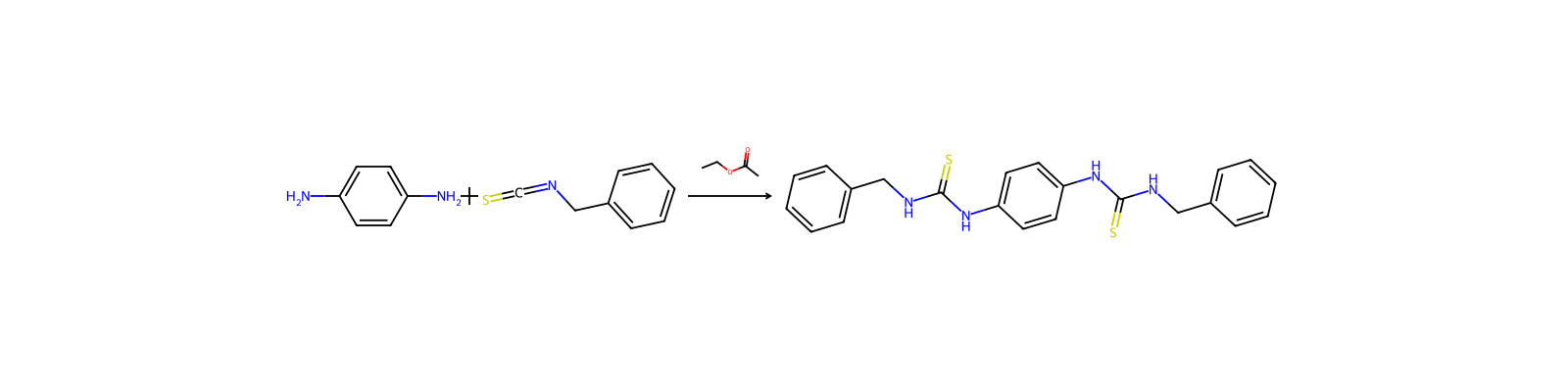
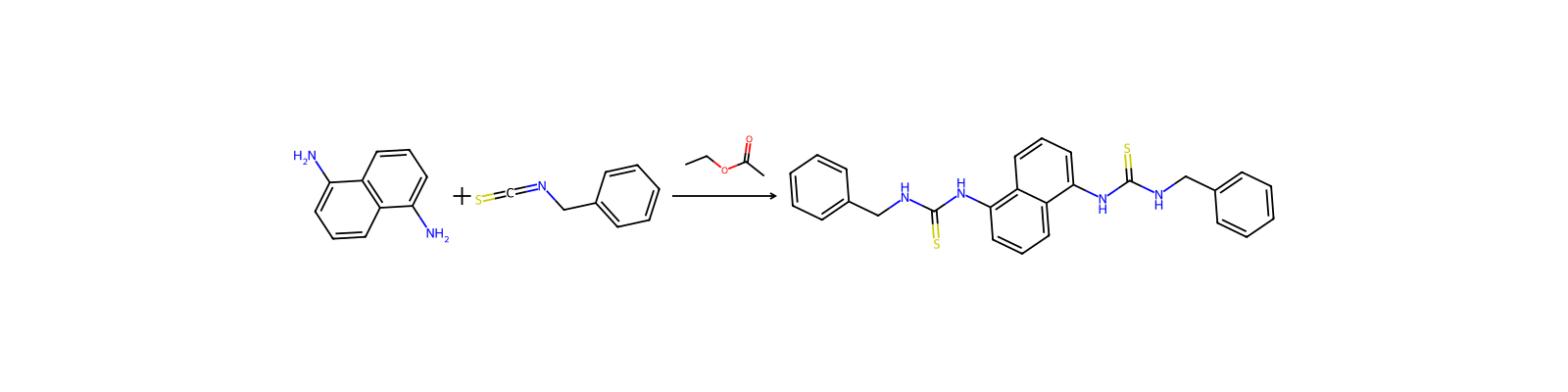
Related reactions
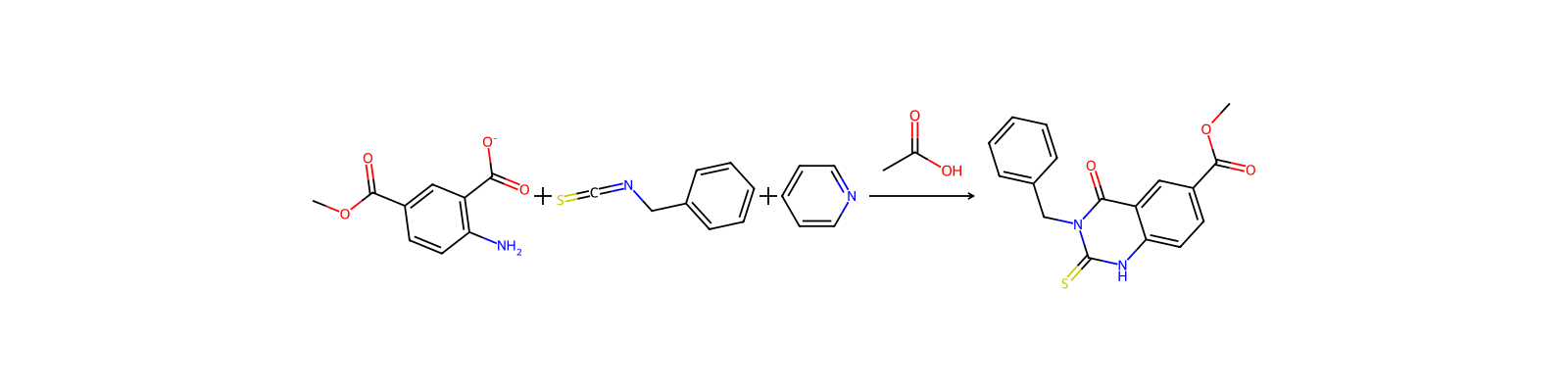
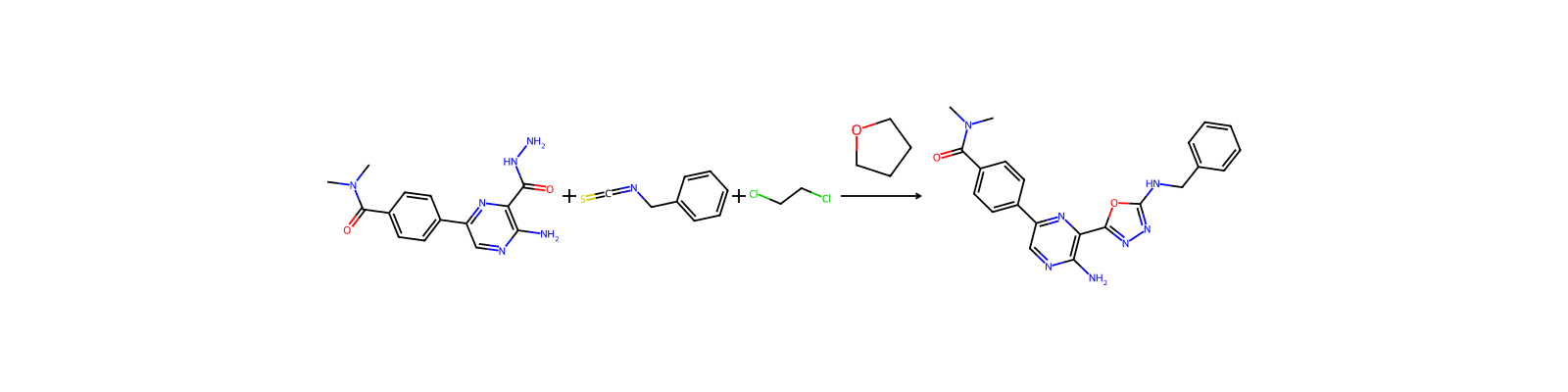
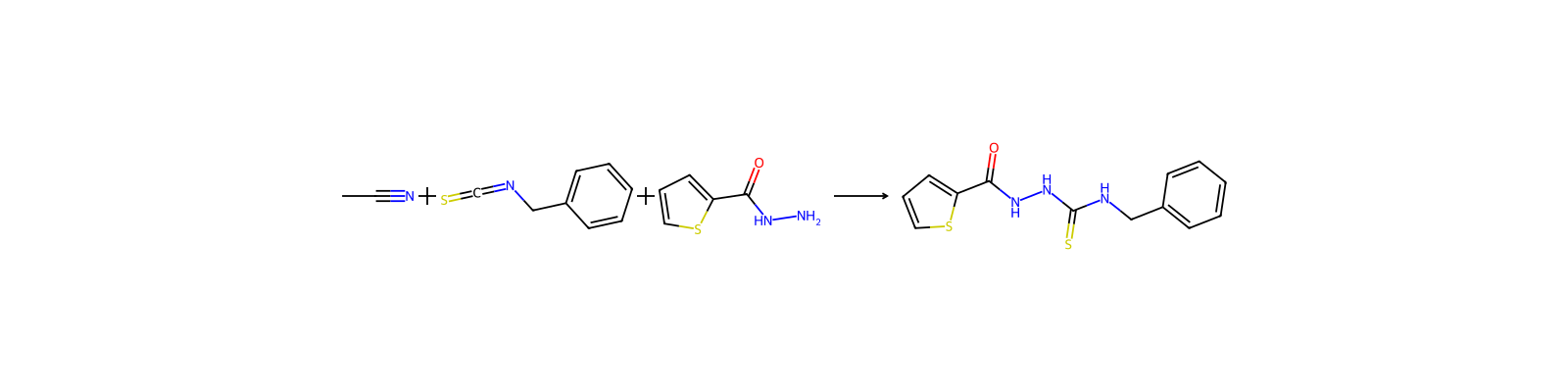
136 records


Linked notes
Loading…